Car paint oxidation is a common phenomenon that occurs when the protective layer of a vehicle’s paint deteriorates due to exposure to environmental elements. This degradation is primarily caused by ultraviolet (UV) rays from sunlight, which break down the chemical bonds in the paint, leading to a dull, chalky appearance. Other contributing factors include moisture, acid rain, bird droppings, tree sap, and road salt. Over time, these elements can penetrate the paint surface, causing further damage and potentially leading to rust formation on the underlying metal.
The effects of oxidation are not merely aesthetic; they can significantly impact the longevity and value of a vehicle. A car with oxidized paint may suffer from decreased resale value, as potential buyers often perceive it as poorly maintained. Additionally, if left untreated, oxidation can lead to more severe issues such as corrosion and rusting, which can compromise the structural integrity of the vehicle. Understanding these causes and effects is crucial for car owners who wish to maintain their vehicle’s appearance and functionality.
If you’re looking to restore your car’s exterior shine by removing oxidation from the paint, you might also find it helpful to learn about maintaining the interior. For tips on how to remove food and drink stains from fabric car seats, check out this informative article. It provides practical advice that complements your efforts in keeping your vehicle looking its best. You can read it here: how to remove food and drink stains from fabric car seats.
Preparing Your Car for Oxidation Removal
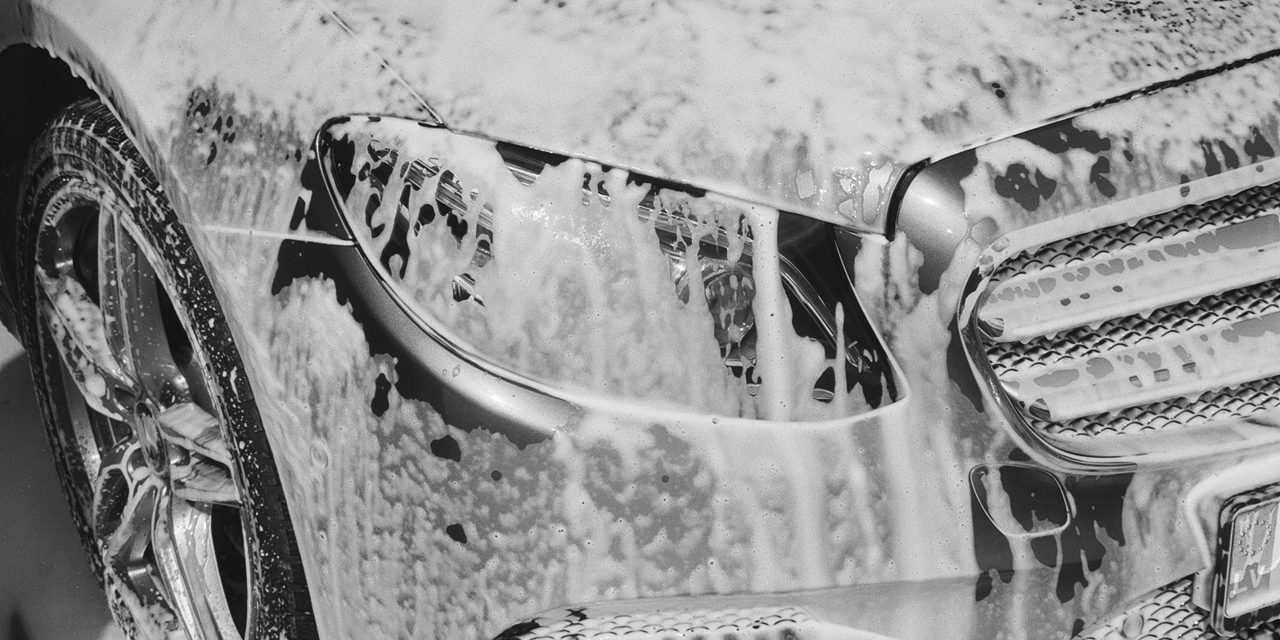
Before embarking on the oxidation removal process, it is essential to prepare your vehicle adequately. Start by washing the car thoroughly with a pH-balanced automotive soap to remove dirt, grime, and other contaminants that may interfere with the treatment process. Use a microfiber wash mitt to avoid scratching the paint surface. Rinse the vehicle thoroughly with clean water and dry it using a soft microfiber towel to prevent water spots.
Once the car is clean, inspect the paint surface for signs of oxidation. Look for areas that appear dull or chalky, as well as any scratches or blemishes that may require additional attention. It is also advisable to work in a shaded area or indoors to prevent the sun from drying out products too quickly during the treatment process. Proper preparation sets the stage for effective oxidation removal and ensures that subsequent treatments yield optimal results.
Using a Clay Bar to Remove Surface Contaminants

After preparing your vehicle, the next step involves using a clay bar to eliminate surface contaminants that may have bonded to the paint. Clay bars are designed to remove embedded dirt, tar, tree sap, and other pollutants that regular washing cannot eliminate. To use a clay bar effectively, first, lubricate the paint surface with a clay lubricant or a mixture of water and car soap. This lubrication prevents scratching while allowing the clay bar to glide smoothly over the surface.
Take a small piece of clay and flatten it into a disc shape. Gently rub the clay over the lubricated area using a back-and-forth motion. You will feel the clay picking up contaminants as it glides across the surface. Frequently check the clay for dirt buildup and knead it to expose a clean section. Once you have completed this step on all affected areas, wipe down the surface with a clean microfiber towel to remove any residue. This process prepares the paint for further treatments by ensuring a clean canvas free from contaminants.
Applying a Rubbing Compound for Oxidation Removal

With the surface contaminants removed, it’s time to tackle oxidation directly using a rubbing compound. Rubbing compounds are abrasive substances designed to cut through oxidized layers of paint and restore clarity. When selecting a rubbing compound, choose one specifically formulated for automotive use to ensure compatibility with your vehicle’s paint.
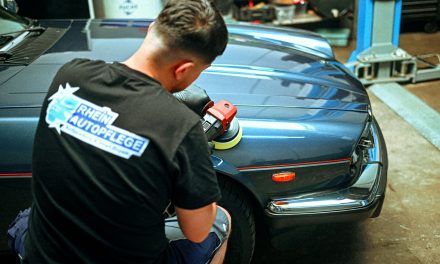
To apply the rubbing compound, use an applicator pad or a dual-action polisher for more efficient results. If using an applicator pad, apply a small amount of compound directly onto it and work it into the oxidized area using circular motions. For those utilizing a dual-action polisher, attach a foam pad suitable for polishing and apply the compound in small sections at low speed initially to avoid splatter. Gradually increase speed as you work the compound into the paint.
Continue this process until you notice significant improvement in clarity and shine. After completing this step, wipe away any excess compound with a clean microfiber towel and inspect your work closely. If necessary, repeat the application on particularly stubborn areas until satisfactory results are achieved.
If you’re looking to restore your car’s paint to its former glory, knowing how to remove oxidation is essential. This process not only enhances the appearance of your vehicle but also protects it from further damage. For more tips on maintaining your car’s overall health, you might find this article on essential care tips helpful, as it emphasizes the importance of regular maintenance, whether for your car or your beloved pets.
Polishing Your Car Paint for a Smooth Finish
Following oxidation removal with a rubbing compound, polishing is essential for achieving a smooth and glossy finish. Polishing compounds are less abrasive than rubbing compounds and are designed to refine the paint surface further by eliminating micro-scratches left behind during oxidation removal. This step enhances gloss and prepares the surface for waxing.
To polish your car effectively, apply a small amount of polishing compound onto an applicator pad or use a dual-action polisher with a polishing pad. Work in small sections, applying moderate pressure while moving in overlapping circular motions. This technique ensures even coverage and prevents uneven wear on the paint surface. After polishing each section, wipe away any residue with a clean microfiber towel.
Once you have polished the entire vehicle, take a moment to inspect your work under different lighting conditions to ensure uniformity in shine and smoothness. This step not only enhances aesthetics but also prepares your car for protective measures against future oxidation.
Utilizing Oxidation Remover Products Effectively
In addition to traditional methods of oxidation removal, various commercial oxidation remover products are available that can simplify the process. These products often contain specialized formulations designed to break down oxidized paint while providing additional benefits such as UV protection and hydrophobic properties.
When utilizing oxidation remover products, carefully read and follow the manufacturer’s instructions for optimal results. Typically, these products require application using an applicator pad or cloth in circular motions until the oxidized areas are treated effectively. Some formulations may require rinsing or wiping off after application, while others may be left on as protective coatings.
It is essential to test any product on an inconspicuous area before full application to ensure compatibility with your vehicle’s paint type. By incorporating these specialized products into your routine maintenance, you can enhance your car’s appearance while providing long-lasting protection against future oxidation.
The Role of Waxing in Protecting Against Future Oxidation
Waxing plays a crucial role in protecting your vehicle’s paint from future oxidation by creating a barrier against environmental elements. High-quality car waxes contain natural or synthetic polymers that bond with the paint surface, providing UV protection and repelling moisture and contaminants.
To apply wax effectively, ensure that your car’s surface is clean and dry after polishing. Use an applicator pad or foam applicator to apply a thin layer of wax in circular motions across small sections of the vehicle. Allow the wax to haze according to manufacturer instructions before buffing it off with a clean microfiber towel.
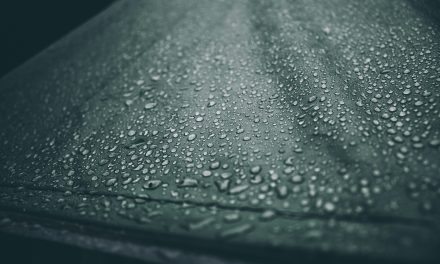
Regular waxing—ideally every three months—can significantly extend the life of your car’s paint finish by preventing oxidation and maintaining its luster. Additionally, waxing enhances water beading properties, making it easier to wash off dirt and grime during routine maintenance.
DIY Home Remedies for Quick Oxidation Removal
For those seeking quick solutions without investing in commercial products, several DIY home remedies can effectively address minor oxidation issues. One popular method involves using baking soda mixed with water to create a paste that can be applied directly to oxidized areas. The mild abrasiveness of baking soda helps lift oxidation while being gentle on the paint.
Another effective remedy is vinegar mixed with olive oil; this combination can help restore shine while providing some level of protection against future oxidation. Apply this mixture using a soft cloth in circular motions and buff it off after allowing it to sit for several minutes.
While these home remedies can provide temporary relief from minor oxidation issues, they may not be as effective as professional-grade products for severe cases. Therefore, it’s essential to assess the extent of oxidation before opting for DIY solutions.
Using a Dual Action Polisher for Faster Results
A dual-action polisher is an invaluable tool for those looking to expedite the oxidation removal process while achieving professional-grade results. Unlike traditional rotary polishers that can generate excessive heat and risk damaging paint surfaces, dual-action polishers combine rotational and orbital movements that minimize heat buildup while maximizing effectiveness.
When using a dual-action polisher, select appropriate pads based on your specific needs—rubbing pads for heavy oxidation removal and polishing pads for refining surfaces post-oxidation treatment. Apply your chosen compound or polish evenly across the pad before starting at low speed on an inconspicuous area to test compatibility.
As you work through sections of your vehicle, gradually increase speed while maintaining consistent pressure on the polisher. This method not only saves time but also ensures uniform results across all painted surfaces.
When to Seek Professional Help for Severe Oxidation
While many car owners can successfully manage minor oxidation issues independently, severe cases may require professional intervention. Signs that indicate it’s time to seek expert help include extensive chalky patches covering large areas of paint or deep scratches that have penetrated beyond the clear coat layer.
Professional detailers possess specialized tools and products designed specifically for tackling severe oxidation effectively without risking further damage to your vehicle’s finish. They can also provide additional services such as ceramic coating applications that offer long-lasting protection against future environmental damage.
If you’re uncertain about whether your vehicle requires professional assistance or if you’re uncomfortable performing advanced treatments yourself, consulting with an experienced detailer can provide peace of mind while ensuring optimal results.
Maintaining Your Car Paint to Prevent Future Oxidation
Preventing future oxidation begins with establishing a consistent maintenance routine tailored to your vehicle’s needs. Regular washing using pH-balanced soaps helps remove contaminants before they can bond with paint surfaces while minimizing exposure to harmful elements like road salt or bird droppings.
In addition to regular washing, consider implementing periodic detailing sessions that include clay bar treatments followed by polishing and waxing every few months—especially if you live in areas with harsh weather conditions or high UV exposure.
Investing in high-quality protective coatings such as ceramic coatings can also provide long-term benefits by creating durable barriers against environmental damage while enhancing gloss levels significantly.
In summary, understanding car paint oxidation is crucial for maintaining your vehicle’s appearance and longevity. By preparing adequately for oxidation removal, utilizing effective techniques such as clay bar treatments and polishing compounds, and implementing preventive measures like regular waxing and professional detailing when necessary, you can keep your car looking pristine for years to come.
FAQs
What causes oxidation on car paint?
Oxidation on car paint is primarily caused by exposure to environmental elements such as UV rays from the sun, moisture, and pollutants. Over time, these factors break down the paint’s protective layer, leading to a dull, faded appearance and potential damage to the underlying layers.
How can I tell if my car paint is oxidized?
You can identify oxidized paint by looking for a dull or chalky appearance on the surface. Additionally, if you run your hand over the paint and it feels rough or gritty, this is a sign of oxidation. A simple test is to apply a small amount of polish; if it restores shine, oxidation is likely present.
What are some effective methods to remove oxidation from car paint?
Effective methods to remove oxidation include using a clay bar treatment, polishing compounds, or a dual-action polisher. You can also use specialized oxidation removers available in auto supply stores. Always follow up with a good wax or sealant to protect the paint after treatment.
Is it safe to use household products to remove oxidation?
While some household products like baking soda or vinegar can help with minor oxidation, they may not be as effective as automotive-specific products. Additionally, using abrasive materials can damage the paint further. It’s best to use products designed for automotive finishes to ensure safety and effectiveness.
How often should I check for and address oxidation on my car?
It’s advisable to check for oxidation at least twice a year, especially if your vehicle is frequently exposed to harsh weather conditions. Regular washing and waxing can help prevent oxidation from developing, so incorporating these practices into your car maintenance routine is beneficial.