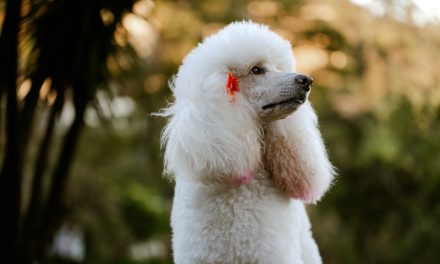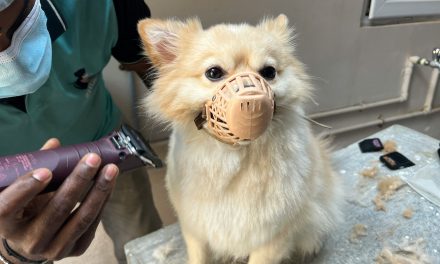
Every dog possesses distinct grooming requirements that are influenced by factors such as breed, coat type, age, and health status. Recognizing these individual needs is paramount for maintaining optimal hygiene and overall well-being. For instance, long-haired breeds like the Afghan Hound or Shih Tzu necessitate frequent grooming sessions to prevent matting and tangling, while short-haired breeds such as Beagles or Boxers may require less intensive grooming. Additionally, puppies and senior dogs often have different grooming needs; puppies may need gentle introductions to grooming tools, while older dogs may require special attention due to mobility issues or skin sensitivities.
Understanding your dog’s unique grooming needs also involves recognizing any specific health concerns that may affect their grooming routine. For example, dogs with skin allergies may require hypoallergenic products, while those with ear infections may need more frequent ear cleaning. Regular veterinary check-ups can help identify any underlying health issues that could impact grooming practices. By tailoring your grooming approach to your dog’s specific requirements, you can enhance their comfort and promote a healthy lifestyle.
If you’re looking for tips on maintaining a clean and inviting space for your pets, you might find this article on pest control particularly useful. It provides insights on how to get rid of silverfish in bathrooms and closets, which can be beneficial for pet owners who want to ensure their home remains a safe and healthy environment. Check out the article here: How to Get Rid of Silverfish in Bathrooms and Closets.
Choosing the Right Shampoo and Conditioner
Selecting the appropriate shampoo and conditioner is crucial for maintaining your dog’s coat health. The market offers a plethora of options, each formulated for different coat types and skin conditions. For instance, if your dog has sensitive skin or allergies, opt for a hypoallergenic shampoo that is free from harsh chemicals and fragrances. Ingredients such as oatmeal or aloe vera can provide soothing properties, alleviating irritation and dryness.
In contrast, dogs with oily coats may benefit from clarifying shampoos designed to remove excess sebum and dirt. Additionally, consider the pH balance of the products; canine skin has a different pH than human skin, so using human products can lead to irritation. Always read labels carefully and consult your veterinarian if you’re unsure which products are best suited for your dog’s specific needs. A well-chosen shampoo and conditioner can significantly enhance coat shine and texture while promoting skin health.
The Importance of Regular Brushing
Regular brushing is an essential component of a comprehensive grooming routine that offers numerous benefits for both the dog and the owner. Brushing helps to remove loose fur, dirt, and debris from the coat, reducing shedding and keeping your home cleaner. Moreover, it stimulates the skin’s natural oils, promoting a healthy and shiny coat. For long-haired breeds, brushing is particularly vital to prevent matting and tangling, which can lead to painful skin irritations if left unattended.
In addition to physical benefits, brushing also serves as an excellent bonding activity between you and your dog. It allows you to inspect your pet’s skin for any abnormalities such as lumps, bumps, or parasites like fleas and ticks. Establishing a regular brushing schedule not only enhances your dog’s appearance but also contributes to their overall health by fostering a strong human-animal bond.
Nail Care: Trimming Tips for Healthy Paws
Nail care is often overlooked in dog grooming routines, yet it plays a critical role in maintaining your pet’s overall health and comfort. Overgrown nails can lead to painful walking conditions, joint issues, and even injuries. Regular trimming is essential to prevent these complications; ideally, nails should be trimmed every 3-4 weeks. When trimming nails, use specialized dog nail clippers or grinders designed for this purpose to ensure safety and effectiveness.
To make the process easier for both you and your dog, start by acclimating them to having their paws handled from an early age. Gradually introduce the clippers or grinder while rewarding them with treats to create a positive association. If you’re unsure about how much to trim, look for the quick—the pinkish area within the nail that contains blood vessels—and avoid cutting into it to prevent bleeding. If your dog has dark nails where the quick is not visible, trim small amounts gradually until you see a change in color indicating proximity to the quick.
If you’re looking for ways to pamper your furry friend, you might find inspiration in a related article that discusses various pet care tips. At Spawtlight Dog Salon & Spa, they focus on providing a luxurious grooming experience for dogs, ensuring they look and feel their best. For more insights on caring for your pets, check out this informative piece on homemade meals that can be beneficial for their diet.
Ear Cleaning Techniques to Prevent Infections
Ear cleaning is an often-neglected aspect of dog grooming that is vital for preventing infections and maintaining ear health. Dogs with floppy ears or those prone to ear infections require more frequent cleaning than others. Regular inspection of your dog’s ears can help identify any signs of infection such as redness, swelling, or discharge. If you notice any abnormalities, consult your veterinarian before proceeding with cleaning.
To clean your dog’s ears effectively, use a veterinarian-recommended ear cleaner specifically formulated for canine use. Avoid using cotton swabs as they can push debris further into the ear canal. Instead, apply the cleaner according to the product instructions, gently massaging the base of the ear to distribute the solution. Allow your dog to shake their head to remove excess fluid and debris before wiping the outer ear with a soft cloth or cotton ball.
If you’re looking for ways to reduce waste while keeping your furry friend pampered, you might find inspiration in an article about sustainable cleaning practices. The piece highlights ten easy methods to cut down on single-use cleaning products, which can be beneficial for pet owners who want to maintain a clean environment without harming the planet. You can read more about these eco-friendly tips in this informative article on sustainable practices by following this link: sustainable cleaning practices.
Bathing Best Practices for a Clean, Happy Dog
Bathing is an integral part of dog grooming that helps maintain cleanliness and hygiene. However, it is essential to approach bathing with care to ensure a positive experience for your pet. The frequency of baths depends on factors such as breed, activity level, and coat type; generally, dogs should be bathed every 4-6 weeks unless otherwise advised by a veterinarian.
When bathing your dog, use lukewarm water and ensure that the bathing area is safe and comfortable. Wet your dog’s coat thoroughly before applying shampoo; this helps distribute the product evenly and ensures effective cleansing. Rinse thoroughly to remove all shampoo residue, as leftover product can irritate the skin. After bathing, dry your dog with a towel or a pet-safe blow dryer set on low heat. This not only keeps them comfortable but also prevents them from shaking off excess water all over your home.
Coat Care: Managing Shedding and Matting
Managing shedding and matting is crucial for maintaining a healthy coat and minimizing mess in your home. Shedding varies by breed; some dogs shed year-round while others have seasonal shedding cycles. Regular brushing helps control shedding by removing loose fur before it ends up on your furniture or clothing.
For breeds prone to matting, such as Poodles or Cocker Spaniels, regular grooming sessions are essential to prevent tangles from forming. Use appropriate tools such as slicker brushes or dematting combs designed specifically for detangling fur without causing discomfort. If mats are severe, consider seeking professional help rather than risking injury during at-home attempts at removal.
Dental Hygiene: Keeping Your Dog’s Teeth Healthy
Dental hygiene is often overlooked in canine care but is vital for preventing periodontal disease and other health issues related to poor oral hygiene. Regular dental care can significantly enhance your dog’s quality of life by preventing pain associated with dental problems. Ideally, you should brush your dog’s teeth several times a week using toothpaste formulated specifically for dogs.
In addition to brushing, consider incorporating dental chews or toys designed to promote oral health into your dog’s routine. These products can help reduce plaque buildup while providing mental stimulation and entertainment. Regular veterinary dental check-ups are also essential; professional cleanings may be necessary depending on your dog’s dental health status.
Handling Sensitive Areas with Care
Certain areas of your dog’s body require special attention during grooming due to their sensitivity. These areas include the paws, belly, and around the eyes and ears. When grooming these sensitive regions, use gentle techniques and be mindful of your dog’s comfort level. For example, when trimming fur around the eyes or ears, use blunt-tipped scissors to minimize the risk of injury.
Additionally, always observe your dog’s body language during grooming sessions; signs of discomfort or anxiety may indicate that you need to adjust your approach or take breaks as needed. Building trust through positive reinforcement can help alleviate any apprehension associated with grooming sensitive areas.
When to Schedule Professional Grooming Sessions
While many grooming tasks can be performed at home, there are instances when professional grooming services are advisable. Breeds with intricate coat types or those requiring specialized techniques may benefit from professional groomers who possess the expertise necessary for proper care. Additionally, if you find yourself overwhelmed by grooming tasks or lack the time needed for regular maintenance, scheduling professional sessions can alleviate stress.
Professional groomers can also provide valuable insights into your dog’s grooming needs based on their experience with various breeds and coat types. They can identify potential issues such as skin conditions or parasites that may require veterinary attention.
Seasonal Grooming Tips for Year-Round Comfort
Seasonal changes can significantly impact your dog’s grooming needs; therefore, adapting your routine accordingly is essential for their comfort throughout the year. During warmer months, consider more frequent baths and brushing sessions to manage shedding effectively while keeping your dog cool. Additionally, pay attention to paw care during hot weather; hot pavement can cause burns on sensitive pads.
In contrast, winter months may necessitate additional attention to coat care due to exposure to cold temperatures and moisture. Regular brushing helps prevent matting caused by snow or ice accumulation in long-haired breeds. Furthermore, consider using protective booties during walks in icy conditions to safeguard against salt and ice-related injuries.
In summary, understanding your dog’s unique grooming needs is essential for maintaining their health and happiness throughout their life stages. By choosing appropriate products tailored to their specific requirements and implementing regular grooming practices such as brushing, nail trimming, ear cleaning, bathing, coat management, dental hygiene, and sensitivity handling techniques, you can ensure optimal care for your furry companion year-round. Professional grooming services may also be beneficial when needed; adapting routines seasonally will further enhance comfort during changing weather conditions.
FAQs
What services does Spawtlight Dog Salon & Spa offer?
Spawtlight Dog Salon & Spa offers a variety of grooming services including bathing, haircuts, nail trimming, ear cleaning, and teeth brushing. They also provide spa treatments such as aromatherapy, de-shedding treatments, and pawdicures to enhance the overall experience for pets.
Are the groomers at Spawtlight Dog Salon & Spa certified?
Yes, the groomers at Spawtlight Dog Salon & Spa are certified professionals with extensive training in pet grooming and handling. They are knowledgeable about different breeds and their specific grooming needs, ensuring a safe and comfortable experience for every dog.
Is Spawtlight Dog Salon & Spa open for walk-ins or do I need an appointment?
Spawtlight Dog Salon & Spa primarily operates on an appointment basis to ensure that each pet receives the attention and care they deserve. However, they may accommodate walk-ins depending on availability, so it’s best to call ahead to check.
What are the operating hours of Spawtlight Dog Salon & Spa?
Spawtlight Dog Salon & Spa is typically open from Tuesday to Saturday, with hours varying by day. It is advisable to check their official website or contact them directly for the most current operating hours and any holiday schedules.
Does Spawtlight Dog Salon & Spa offer any special packages or discounts?
Yes, Spawtlight Dog Salon & Spa offers various grooming packages that combine multiple services at a discounted rate. They may also have seasonal promotions or loyalty programs for regular customers, so it’s worth inquiring about any current offers when booking an appointment.