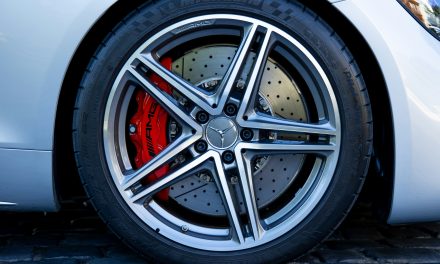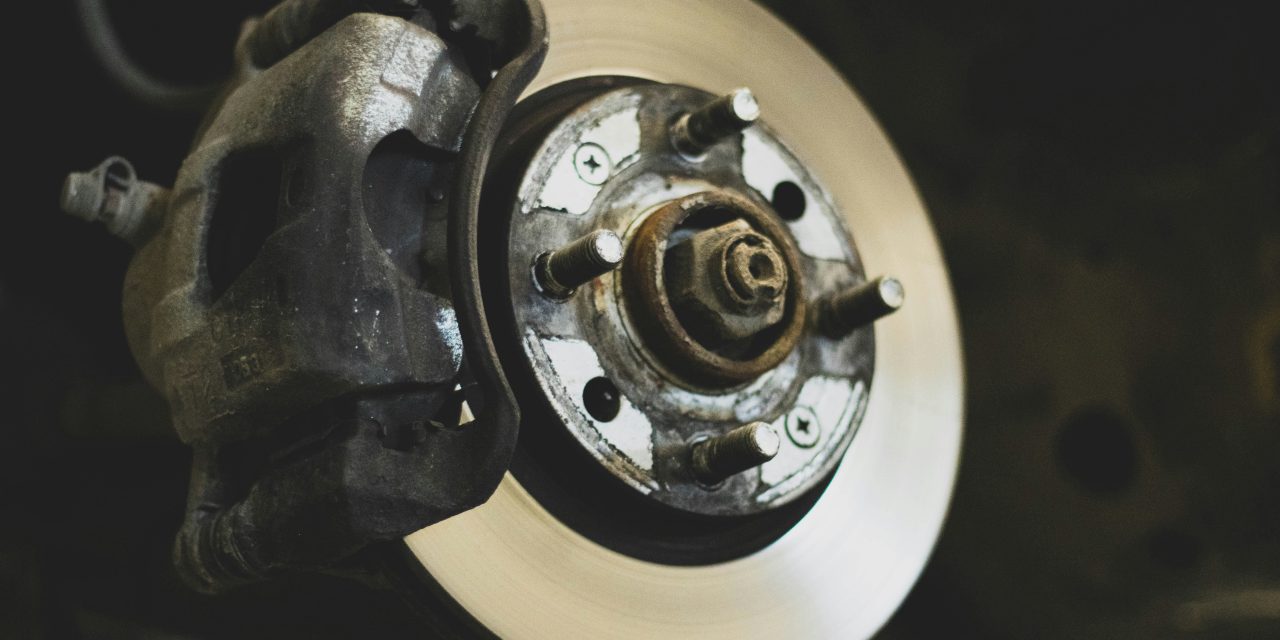
Brake calipers are integral components of a vehicle’s braking system, serving as the mechanism that applies pressure to the brake pads against the brake rotors. This action generates the friction necessary to slow down or stop the vehicle. Typically, calipers are categorized into two types: floating (or sliding) calipers and fixed calipers. Floating calipers move in and out relative to the rotor, while fixed calipers remain stationary and utilize multiple pistons to apply pressure evenly across the brake pads.
The functionality of brake calipers is crucial for maintaining vehicle safety and performance. They are designed to withstand high temperatures and pressures generated during braking, which can exceed 1,000 degrees Fahrenheit in extreme conditions. Regular maintenance and timely replacement of worn-out calipers are essential to ensure optimal braking efficiency and prevent potential accidents. Understanding how these components work can help vehicle owners recognize signs of wear and take appropriate action before serious issues arise.
If you’re considering the cost of a brake caliper replacement, you might also find it helpful to read about other car maintenance issues, such as the potential problems with your water heater. Understanding the signs of a leaking water heater can save you from costly repairs down the line. For more information on this topic, check out this article on the warning signs and next steps for dealing with a leaking water heater: Why is my water heater leaking? Warning signs and next steps.
Sign 1: Squealing or Grinding Noises When Braking
One of the most common indicators of a malfunctioning brake caliper is the presence of squealing or grinding noises during braking. Squealing sounds often arise from worn brake pads that have reached their wear indicators, which are designed to emit a high-pitched noise when the pads are nearing the end of their lifespan. This sound serves as an early warning sign, prompting drivers to inspect their braking system before further damage occurs.
Grinding noises, on the other hand, typically indicate that the brake pads have worn down completely, allowing metal-on-metal contact between the caliper and rotor. This situation can lead to significant rotor damage, necessitating costly repairs or replacements. If you notice either of these sounds, it is imperative to have your braking system inspected by a qualified technician promptly.
Sign 2: Uneven Brake Pad Wear

Uneven brake pad wear is another critical sign that your brake calipers may be malfunctioning. Ideally, brake pads should wear evenly across both sides of the vehicle. However, if one side exhibits significantly more wear than the other, it may indicate that a caliper is sticking or not applying pressure uniformly. This uneven wear can compromise braking efficiency and lead to premature pad replacement.
To assess brake pad wear, visually inspect the pads through the wheel spokes or remove the wheel for a closer examination. If you observe that one pad is significantly thinner than its counterpart, it is advisable to consult a professional mechanic. They can diagnose whether the issue stems from a faulty caliper or other components within the braking system.
Sign 3: Vehicle Pulls to One Side While Braking

If your vehicle tends to pull to one side during braking, it may be a sign of a malfunctioning brake caliper. This phenomenon occurs when one caliper applies more force than the other, causing an imbalance in braking power. The result is a noticeable drift in the direction of the stronger braking force, which can be dangerous, especially in emergency situations.
Several factors can contribute to this issue, including a seized caliper piston or uneven brake pad wear. To address this problem, it is essential to have your braking system thoroughly inspected by a qualified technician who can identify the root cause and recommend appropriate repairs or replacements.
When considering the costs associated with vehicle maintenance, understanding the price of a brake caliper replacement is essential for car owners. This can vary based on factors such as the make and model of the vehicle, labor costs, and whether you choose original equipment manufacturer parts or aftermarket options. For those looking to delve deeper into home maintenance, you might find it interesting to read about how to identify the source of water stains on your ceiling in this informative article. You can check it out here: water stains on the ceiling.
Sign 4: Spongy or Soft Brake Pedal Feel
A spongy or soft brake pedal feel is often indicative of air trapped within the brake lines or a failing brake caliper. When air enters the hydraulic system, it compresses under pressure, leading to a loss of effective braking force. This sensation can make it difficult for drivers to gauge how much pressure is needed to stop the vehicle safely.
In some cases, a soft pedal may also result from low brake fluid levels due to leaks or worn components. If you experience this symptom, it is crucial to address it immediately by checking fluid levels and inspecting for leaks. A professional mechanic can perform a brake bleed procedure to remove any trapped air and restore proper pedal feel.
If you’re considering a brake caliper replacement, it’s essential to understand the associated costs and factors that can influence the price. For a deeper insight into vehicle maintenance, you might find it helpful to read an article about common household issues, such as why your dishwasher might be leaking from the bottom. This article can provide valuable tips on troubleshooting and maintenance that could save you money in the long run. You can check it out here: why is my dishwasher leaking from the bottom.
Sign 5: Brake Fluid Leaks Near the Wheels
Brake fluid leaks near the wheels are a serious concern that should never be ignored. If you notice fluid pooling around your wheels or on your driveway, it may indicate a failing brake caliper seal or damaged brake line. Brake fluid is essential for transmitting hydraulic pressure throughout the braking system; any loss can lead to diminished braking performance and increased stopping distances.
To diagnose this issue, visually inspect the area around each wheel for signs of fluid leakage. If you suspect a leak, refrain from driving your vehicle until it has been inspected by a qualified technician. They can identify the source of the leak and recommend necessary repairs or replacements.
Sign 6: Reduced Braking Performance or Longer Stopping Distances
A noticeable reduction in braking performance or longer stopping distances can signal a malfunctioning brake caliper. When calipers fail to apply adequate pressure to the brake pads, it results in diminished friction against the rotors, leading to extended stopping distances. This condition poses significant safety risks, particularly in emergency situations where quick stops are necessary.
Several factors can contribute to reduced braking performance, including worn brake pads, damaged rotors, or malfunctioning calipers. If you experience this symptom, it is essential to have your braking system evaluated by a professional mechanic who can diagnose the issue and recommend appropriate solutions.
Sign 7: Warning Lights on the Dashboard
Modern vehicles are equipped with advanced diagnostic systems that monitor various components, including the braking system. If there is an issue with your brake calipers or other related components, warning lights may illuminate on your dashboard. Common indicators include the ABS (Anti-lock Braking System) light or the brake warning light.
When these warning lights appear, it is crucial not to ignore them. They serve as alerts that something is amiss within your braking system and require immediate attention. A qualified technician can use diagnostic tools to determine the underlying issue and recommend necessary repairs.
How to Diagnose a Faulty Brake Caliper
Diagnosing a faulty brake caliper involves several steps that should be performed by a qualified technician. The process typically begins with a visual inspection of the braking system components, including pads, rotors, and calipers themselves. Technicians will look for signs of wear, leaks, or damage that could indicate a malfunctioning caliper.
Next, they may perform a test drive to assess braking performance and listen for unusual noises. Additionally, they may check for uneven pad wear and measure rotor thickness to ensure they meet manufacturer specifications. If necessary, technicians may also conduct hydraulic tests to evaluate fluid pressure within the system.
Brake Caliper Replacement Cost: What to Expect
The cost of replacing brake calipers can vary significantly based on several factors, including vehicle make and model, labor rates in your area, and whether you choose OEM (Original Equipment Manufacturer) or aftermarket parts. On average, drivers can expect to pay between $300 and $800 per axle for caliper replacement.
This estimate typically includes parts and labor costs but may not encompass additional expenses such as new brake pads or rotors if they also require replacement due to wear or damage. It is advisable to obtain quotes from multiple repair shops to ensure you receive competitive pricing for your specific vehicle needs.
Tips to Extend the Life of Your Brake Calipers and Save Money
To prolong the lifespan of your brake calipers and minimize repair costs, consider implementing these preventive measures:
1. Regular Inspections: Schedule routine inspections of your braking system at least once a year or every 12,000 miles.
2. Quality Brake Pads: Invest in high-quality brake pads that are compatible with your vehicle’s specifications.
3. Brake Fluid Maintenance: Regularly check and replace brake fluid according to manufacturer recommendations.
4. Avoid Overheating: Avoid aggressive driving habits that can lead to excessive heat buildup in the braking system.
5. Address Issues Promptly: If you notice any signs of brake problems, seek professional assistance immediately to prevent further damage.
By following these tips and maintaining awareness of your vehicle’s braking system performance, you can enhance safety while saving money on repairs over time.
In summary, understanding the role of brake calipers is essential for maintaining vehicle safety and performance. Recognizing signs such as unusual noises, uneven wear, pulling sensations during braking, spongy pedal feel, fluid leaks, reduced performance, and dashboard warnings can help drivers identify potential issues early on. Timely diagnosis and replacement of faulty components are crucial for ensuring optimal braking efficiency and preventing costly repairs down the line. Regular maintenance practices can extend the life of your brake calipers while enhancing overall driving safety.
FAQs
What is the average cost of a brake caliper replacement?
The average cost of a brake caliper replacement typically ranges from $300 to $800, depending on the make and model of the vehicle, labor costs, and whether you choose to use original equipment manufacturer (OEM) parts or aftermarket parts.
What factors influence the cost of brake caliper replacement?
Several factors can influence the cost of brake caliper replacement, including the type of vehicle, the brand of calipers used, labor rates in your area, and whether additional components such as brake pads or rotors need to be replaced at the same time.
Can I replace a brake caliper myself to save money?
Yes, you can replace a brake caliper yourself if you have the necessary tools and mechanical knowledge. However, it is important to follow proper procedures and safety precautions, as improper installation can lead to brake failure and safety hazards.
Are there any signs that indicate a brake caliper needs replacement?
Common signs that a brake caliper may need replacement include uneven brake wear, a pulling sensation when braking, leaking brake fluid, or a noticeable decrease in braking performance. If you experience any of these symptoms, it is advisable to have your brakes inspected by a professional.
Does the cost of brake caliper replacement include labor?
Yes, the cost of brake caliper replacement typically includes both parts and labor. Labor costs can vary significantly based on the shop’s hourly rate and the complexity of the job, so it’s important to get a detailed estimate before proceeding with the repair.