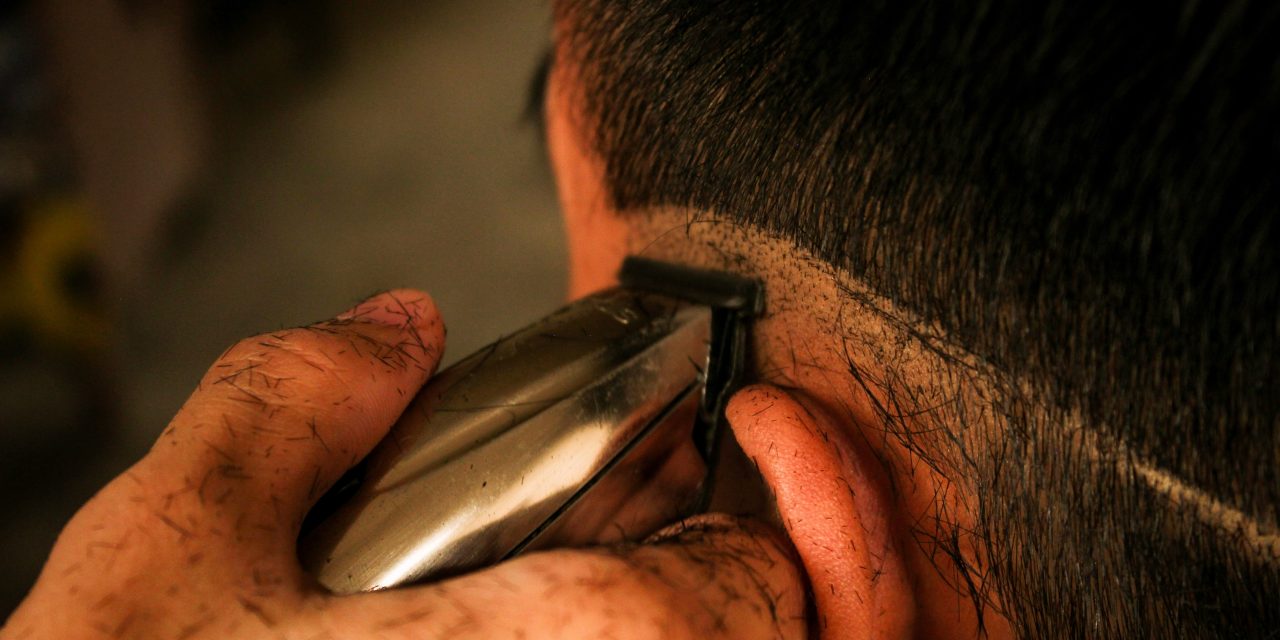
Maintaining the functionality and longevity of a beard trimmer is paramount for achieving a well-groomed appearance. One of the most critical aspects of this maintenance is the regular oiling of the trimmer blades. Oiling serves multiple purposes: it reduces friction, prevents overheating, and minimizes wear and tear on the blades. When blades are adequately lubricated, they glide smoothly over hair, resulting in a cleaner cut and a more comfortable grooming experience. Neglecting this essential maintenance can lead to dull blades, uneven cuts, and ultimately, a less effective grooming tool.
Moreover, oiling the blades helps to prevent rust and corrosion, which can significantly shorten the lifespan of your trimmer. The metal components of the blades are susceptible to moisture and humidity, leading to oxidation if not properly cared for. Regular oiling not only enhances performance but also protects your investment in grooming equipment. By understanding the importance of this simple yet effective maintenance step, users can ensure their beard trimmers remain in optimal condition for years to come.
Maintaining your beard trimmer is essential for achieving a clean and precise grooming experience, and knowing how often to oil the blades is a key part of that maintenance. Regular oiling not only prolongs the life of your trimmer but also ensures optimal performance. For those interested in understanding more about maintenance in general, you might find this article on plant care particularly enlightening, as it discusses the reasons why rose leaves turn yellow and how to fix it. You can read it here: 7 Reasons Why Rose Leaves Are Turning Yellow and How to Fix It.
How Often Should You Oil Your Beard Trimmer?
The frequency of oiling your beard trimmer largely depends on how often you use it. For individuals who groom their beards daily or several times a week, it is advisable to oil the blades after every use. This routine ensures that the blades remain well-lubricated and function efficiently. On the other hand, if you use your trimmer less frequently, such as once a week or bi-weekly, oiling it before each use is generally sufficient.
Environmental factors also play a role in determining how often you should oil your trimmer. For instance, if you live in a humid climate, moisture can cause rust to form more quickly on the blades. In such cases, more frequent oiling may be necessary to combat corrosion. Conversely, in drier environments, the need for oiling may be less frequent. Ultimately, establishing a consistent oiling schedule tailored to your usage patterns and environmental conditions will help maintain optimal blade performance.
Signs Your Beard Trimmer Needs Oiling

Recognizing when your beard trimmer requires oiling is crucial for maintaining its efficiency. One of the most apparent signs is a noticeable decrease in cutting performance; if the blades are pulling or tugging at hair rather than cutting smoothly, it’s time to apply some oil. Additionally, if you hear an unusual grinding or squeaking noise while using the trimmer, this indicates that the blades are not adequately lubricated and are experiencing excessive friction.
Another sign that your trimmer needs oiling is visible rust or discoloration on the blades. If you notice any signs of corrosion, immediate action is required to prevent further damage. Furthermore, if you find that your trimmer is overheating during use, this could be due to insufficient lubrication. Regularly checking for these indicators will help ensure that your beard trimmer remains in peak condition.
Factors That Influence Oiling Frequency

Several factors influence how often you should oil your beard trimmer blades. First and foremost is the frequency of use; daily users will require more frequent oiling compared to those who groom less often. Additionally, the type of hair being trimmed can affect oiling needs; coarse or thick hair may cause more wear on the blades, necessitating more frequent lubrication.
Environmental conditions also play a significant role in determining oiling frequency. High humidity levels can accelerate rust formation on metal components, while dry air may lead to quicker evaporation of lubricants. The quality of the trimmer itself is another factor; higher-end models may have better materials and coatings that resist wear and corrosion, potentially reducing the need for frequent oiling. Understanding these variables will help users establish an effective maintenance routine tailored to their specific circumstances.
Maintaining your beard trimmer is essential for achieving a clean and precise grooming experience, and understanding how often to oil the blades can significantly impact their performance. Regular oiling not only keeps the blades sharp but also extends the life of your trimmer. For more tips on maintaining your grooming tools, you might find this article on cleaning techniques useful, as it emphasizes the importance of upkeep in various contexts.
Choosing the Right Oil for Your Beard Trimmer
Selecting the appropriate oil for your beard trimmer is essential for optimal performance and longevity. Generally, lightweight oils specifically designed for electric clippers and trimmers are recommended. These oils typically contain mineral or synthetic bases that provide excellent lubrication without leaving a sticky residue. Avoid using household oils such as vegetable or olive oil, as they can lead to buildup and attract dirt and debris.
When choosing an oil, look for products that are labeled as clipper oil or trimmer oil; these are formulated to withstand high-speed operation and provide superior protection against wear and corrosion. Some brands even offer specialized oils infused with additives that enhance performance further. Always refer to the manufacturer’s guidelines for recommendations on suitable oils for your specific model.
Step-by-Step Guide to Oiling Your Trimmer Blades
Oiling your beard trimmer blades is a straightforward process that can be completed in just a few minutes. Follow these steps for effective lubrication:
1. **Clean the Blades**: Before applying oil, ensure that the blades are free from hair clippings and debris. Use a small brush or compressed air to clean them thoroughly.
2. **Apply Oil**: With the trimmer turned off, hold it upright and apply a few drops of oil directly onto the blades. Focus on the moving parts where friction occurs.
3. **Run the Trimmer**: Turn on the trimmer for a few seconds to allow the oil to distribute evenly across the blades. This step ensures that all components receive adequate lubrication.
4. **Wipe Excess Oil**: After running the trimmer, use a clean cloth to wipe away any excess oil from the blades to prevent buildup.
5. **Store Properly**: After maintenance, store your trimmer in a cool, dry place to protect it from moisture and dust.
By following this simple guide, users can ensure their beard trimmers remain well-lubricated and functional.
Common Mistakes to Avoid When Oiling
While oiling your beard trimmer is essential for maintenance, there are common pitfalls that users should avoid to ensure optimal performance. One frequent mistake is over-oiling; applying too much oil can lead to buildup that attracts dirt and hair clippings, ultimately hindering performance rather than enhancing it. It’s crucial to apply only a few drops at a time and wipe away any excess.
Another common error is neglecting to clean the blades before oiling them. Failing to remove hair clippings and debris can trap dirt under the oil layer, leading to corrosion and dullness over time. Additionally, using inappropriate oils can cause damage; always opt for oils specifically designed for grooming tools rather than household alternatives.
Benefits of Regularly Oiling Your Beard Trimmer
Regularly oiling your beard trimmer offers numerous benefits that contribute to its overall performance and longevity. Firstly, it enhances cutting efficiency by ensuring that blades glide smoothly over hair without snagging or pulling. This results in a more comfortable grooming experience and reduces irritation on the skin.
Moreover, consistent lubrication helps prevent rust and corrosion on metal components, significantly extending the lifespan of your trimmer. By minimizing friction between moving parts, regular oiling also reduces wear and tear, ensuring that your investment remains functional for years to come. Ultimately, maintaining a routine of regular oiling not only improves performance but also saves money by prolonging the need for replacements or repairs.
How to Maintain Your Trimmer Between Oilings
In addition to regular oiling, there are several practices users can adopt to maintain their beard trimmers between oilings effectively. First and foremost, always clean your trimmer after each use; removing hair clippings and debris prevents buildup that can hinder performance over time. Utilize a small brush or compressed air for thorough cleaning.
Additionally, store your trimmer in a protective case or pouch when not in use to shield it from dust and moisture exposure. Keeping it in a cool, dry environment will further protect against rust formation on metal components. Lastly, periodically check for any signs of wear or damage; addressing issues early can prevent more significant problems down the line.
Troubleshooting Blade Performance Issues
If you notice that your beard trimmer is not performing as expected despite regular maintenance, several troubleshooting steps can help identify potential issues. First, check if the blades are clean; accumulated hair clippings can impede performance even with proper lubrication. If cleaning does not resolve the issue, inspect the blades for signs of dullness or damage; replacing worn-out blades may be necessary for optimal cutting efficiency.
Another common issue is overheating during use; if this occurs frequently despite regular oiling, it may indicate that the motor is struggling due to excessive friction or internal damage. In such cases, consulting with a professional technician or contacting customer support may be necessary for further assistance.
Expert Recommendations for Optimal Blade Care
Experts recommend establishing a consistent maintenance routine that includes regular cleaning and oiling of your beard trimmer blades. For daily users, consider incorporating blade care into your grooming routine by cleaning and oiling after each use. Additionally, investing in high-quality oils specifically designed for grooming tools will yield better results than generic alternatives.
Furthermore, consider scheduling periodic professional servicing for your trimmer if it experiences persistent performance issues despite regular maintenance efforts. Professional technicians can provide thorough cleaning and blade sharpening services that extend the life of your grooming tool significantly.
In summary, maintaining your beard trimmer through regular cleaning and oiling is essential for optimal performance and longevity. By understanding how often to oil based on usage patterns and environmental factors while choosing appropriate oils and following best practices for maintenance, users can ensure their grooming tools remain effective over time. Regular care not only enhances cutting efficiency but also protects against rust and wear—ultimately saving money by prolonging equipment lifespan.
FAQs
How often should I oil my beard trimmer blades?
It is generally recommended to oil your beard trimmer blades after every 3 to 5 uses. This helps maintain the sharpness of the blades and ensures smooth operation, preventing tugging or pulling on the hair.
What type of oil should I use for my beard trimmer blades?
Use a lightweight, non-greasy oil specifically designed for clipper and trimmer blades. Common options include clipper oil or mineral oil. Avoid using cooking oils or other heavy oils, as they can attract dirt and debris.
How do I properly oil my beard trimmer blades?
To oil your beard trimmer blades, first, ensure the trimmer is turned off and unplugged. Apply a few drops of oil directly onto the blades, then turn on the trimmer for a few seconds to allow the oil to distribute evenly. Wipe off any excess oil with a clean cloth.
What happens if I don’t oil my beard trimmer blades?
If you neglect to oil your beard trimmer blades, they can become dull and may cause irritation or discomfort while trimming. Additionally, lack of lubrication can lead to increased friction, resulting in overheating and potential damage to the trimmer.
Can I use my beard trimmer without oiling the blades?
While you can technically use your beard trimmer without oiling the blades, it is not advisable. Regular oiling is essential for optimal performance, longevity of the blades, and to ensure a comfortable trimming experience.