Bed bugs, scientifically known as Cimex lectularius, are small, parasitic insects that primarily feed on the blood of humans and other warm-blooded hosts. These nocturnal creatures have gained notoriety for their ability to infest homes, hotels, and other dwellings, leading to significant discomfort and distress for those affected. Understanding their life cycle is crucial for effective management and eradication. The life cycle of bed bugs consists of several stages: egg, nymph (which has five instars), and adult. Each stage presents unique characteristics and challenges for identification and control.
The reproductive capacity of bed bugs is remarkable; a single female can lay up to 500 eggs in her lifetime, typically in batches of 10 to 50. The eggs are often deposited in hidden crevices, making them difficult to detect. Once hatched, nymphs undergo a series of molts before reaching adulthood, with each instar requiring a blood meal to progress to the next stage. This article will delve into the various life stages of bed bugs, providing detailed descriptions and identification tips to aid in effective pest management.
Identifying Bed Bug Eggs: Size, Shape, and Color
Bed bug eggs are a critical component of their life cycle and can be challenging to identify due to their small size and translucent appearance. Measuring approximately 1 millimeter in length, these eggs are oval-shaped and resemble tiny grains of rice. Their color ranges from a pearly white to a translucent hue, making them blend seamlessly into their surroundings. This camouflaging ability allows them to remain hidden in cracks, seams, and folds of bedding or furniture.
To effectively locate bed bug eggs, it is essential to conduct thorough inspections in areas where bed bugs are likely to reside. Common hiding spots include mattress seams, box springs, headboards, and behind wallpaper. A flashlight can be an invaluable tool during inspections, as it illuminates dark crevices where eggs may be concealed. Additionally, using a magnifying glass can help in distinguishing the eggs from other debris or dust particles.
Appearance of Bed Bug Nymphs: The Early Stages

Upon hatching from their eggs, bed bug nymphs emerge as miniature versions of adults but lack fully developed reproductive organs. These nymphs are typically light yellow or tan in color and measure approximately 1.5 millimeters in length during their first instar stage. As they progress through their five instars, they will gradually increase in size and change in coloration.
Nymphs are particularly vulnerable during their early stages due to their small size and need for blood meals to grow. They tend to hide in the same locations as eggs, making it essential for homeowners to remain vigilant during inspections. Identifying nymphs early can significantly aid in controlling an infestation before it escalates.
First Instar Nymphs: Characteristics and Size

The first instar nymph stage is the initial molt after hatching from the egg. At this stage, nymphs are approximately 1.5 millimeters long and possess a soft body that is pale yellow or light tan in color. Their bodies are elongated and somewhat flattened, allowing them to easily hide in narrow crevices. First instar nymphs require a blood meal shortly after emerging; without it, they cannot progress to the next stage.
During this stage, nymphs are particularly susceptible to environmental factors such as temperature and humidity. They thrive in warm conditions but can perish if exposed to extreme temperatures or desiccation. Therefore, maintaining a clean environment and monitoring for signs of infestation is crucial for preventing the establishment of bed bugs.
Second Instar Nymphs: Growth and Color Changes
After consuming their first blood meal, first instar nymphs molt into the second instar stage. This transition marks a significant growth phase; second instar nymphs measure approximately 2 millimeters in length and exhibit a more pronounced change in coloration. Their bodies become slightly darker, transitioning from pale yellow to a more amber hue.
The second instar nymphs continue to seek out blood meals for further development. They remain hidden in similar locations as their predecessors but may begin to venture out more frequently as they grow larger and more mobile. Identifying these nymphs early can help prevent further infestation by allowing for targeted treatment strategies.
Third Instar Nymphs: Developing Features
As bed bugs progress into the third instar stage, they continue to grow both in size and complexity. Measuring around 3 millimeters long, third instar nymphs exhibit further darkening of their exoskeletons, which now appear brownish or reddish-brown after feeding. This coloration change is due to the presence of digested blood within their bodies.
During this stage, third instar nymphs become increasingly adept at navigating their environment. They may explore new hiding spots while still remaining close to their primary food sources—human hosts. Recognizing these nymphs is vital for effective pest control measures; early detection can lead to timely interventions that prevent further growth and reproduction.
Fourth Instar Nymphs: Size and Appearance
The fourth instar nymph stage represents another critical growth phase in the life cycle of bed bugs. At this point, these nymphs measure approximately 4 millimeters in length and exhibit a more robust body structure compared to earlier stages. Their coloration continues to darken, often appearing a deep reddish-brown after feeding.
Fourth instar nymphs are increasingly mobile and may venture further from their original hiding spots in search of blood meals. This mobility increases the likelihood of encountering humans or pets, thereby facilitating the spread of infestations. Homeowners should remain vigilant during this stage by inspecting potential hiding places regularly.
Fifth Instar Nymphs: Final Nymph Stage Before Adulthood
The fifth instar nymph stage is the final developmental phase before reaching adulthood. These nymphs measure approximately 5 millimeters long and exhibit a fully developed body structure that closely resembles adult bed bugs. Their coloration is typically dark brown or reddish-brown after feeding, making them easier to identify against lighter backgrounds.
Fifth instar nymphs require one last blood meal before molting into adults. This stage is crucial for pest control efforts; identifying these nymphs can help determine the extent of an infestation and inform treatment strategies. Effective management at this stage can significantly reduce the likelihood of adult bed bugs establishing themselves within a dwelling.
Adult Bed Bugs: Shape, Size, and Color
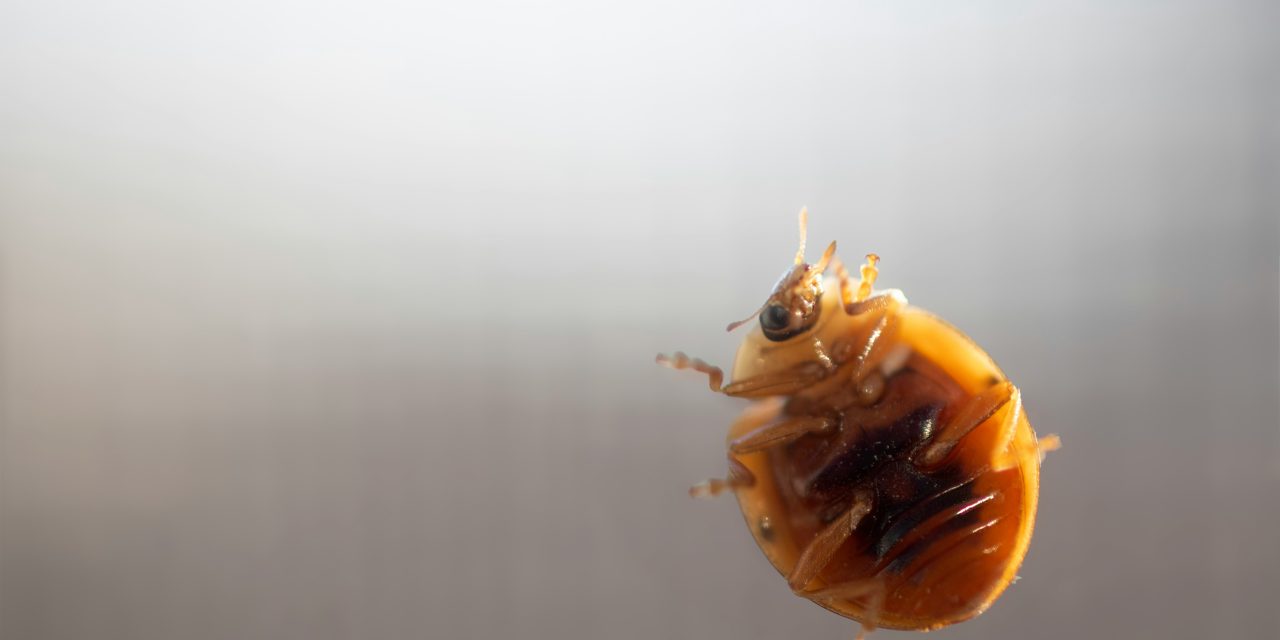
Adult bed bugs are easily recognizable due to their distinct shape and size. Measuring approximately 4-5 millimeters in length, they possess a flattened oval body that becomes engorged after feeding. Their coloration ranges from brownish-red to mahogany depending on whether they have recently fed; engorged adults appear darker due to the presence of blood within their bodies.
Adult bed bugs have well-defined features including short legs and antennae that aid in navigation and detection of hosts. Their flattened bodies allow them to hide effectively in narrow crevices during daylight hours while emerging at night to feed on unsuspecting hosts. Understanding the characteristics of adult bed bugs is essential for effective identification and control measures.
Differences Between Male and Female Adult Bed Bugs
Distinguishing between male and female adult bed bugs is crucial for understanding their reproductive behaviors and managing infestations effectively. Male bed bugs are generally smaller than females, measuring around 4 millimeters compared to females’ 5 millimeters in length. Males possess a more elongated body shape while females have a broader abdomen that swells with eggs after mating.
Additionally, male bed bugs have distinctive genitalia that can be observed under magnification; females have a more rounded shape at the rear end due to their reproductive organs. Understanding these differences can aid pest control professionals in assessing infestation levels and implementing targeted treatment strategies.
How to Spot Bed Bugs at Any Life Stage: Practical Tips and Tools
Identifying bed bugs at any life stage requires diligence and attention to detail. Homeowners should conduct regular inspections of sleeping areas, including mattresses, box springs, headboards, and furniture seams where bed bugs are likely to hide. Utilizing tools such as flashlights and magnifying glasses can enhance visibility during inspections.
In addition to visual inspections, homeowners should be aware of signs indicating an infestation such as small blood stains on bedding or dark fecal spots on surfaces where bed bugs have been present. Employing traps specifically designed for bed bugs can also assist in monitoring populations within a dwelling.
For effective management of bed bug infestations, it is essential to combine identification efforts with appropriate treatment strategies such as heat treatments or insecticide applications tailored for each life stage.
In summary, understanding the life cycle of bed bugs—from eggs through various nymph stages to adulthood—is crucial for effective identification and management strategies. By recognizing the unique characteristics associated with each life stage, homeowners can take proactive measures against infestations while employing targeted treatment options tailored for specific developmental stages.
FAQs
What do adult bed bugs look like?
Adult bed bugs are typically reddish-brown, oval-shaped, and about 4 to 5 mm long. They have a flat body, which allows them to hide easily in small crevices. After feeding, their bodies swell and become more elongated and darker in color.
How can you identify bed bug nymphs?
Bed bug nymphs are smaller than adults, measuring about 1 to 4 mm in length. They are pale yellow or light brown in color and have a similar oval shape. Nymphs go through several molts, becoming darker and larger with each stage, and they require a blood meal to progress to the next stage.
What do bed bug eggs look like?
Bed bug eggs are tiny, about 1 mm in size, and are white or translucent in color. They are often laid in clusters and have a sticky coating that helps them adhere to surfaces. Eggs are usually found in hidden areas where bed bugs are likely to hide, such as seams of mattresses or cracks in furniture.
How can you differentiate between male and female bed bugs?
Male and female bed bugs are similar in appearance, but females are generally larger and have a more rounded abdomen. Males have a narrower abdomen and are slightly smaller. Additionally, females have a more pronounced reproductive organ, which can be seen when viewed under magnification.
What changes occur in bed bugs after feeding?
After feeding, bed bugs undergo noticeable changes in appearance. Their bodies swell and become elongated, and their color shifts to a darker red or brown. This change can last for several hours as they digest the blood meal. The swelling makes them more visible and easier to identify during this time.