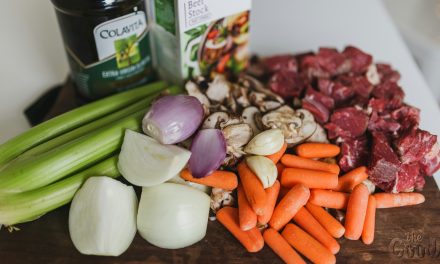
Selecting the appropriate cut of beef is paramount when utilizing an Instant Pot for culinary endeavors. The pressure cooker excels with tougher cuts that benefit from moist cooking methods, transforming them into tender, flavorful dishes. Cuts such as chuck roast, brisket, and short ribs are ideal candidates due to their higher collagen content, which breaks down during the cooking process, resulting in succulent meat. Conversely, lean cuts like sirloin or tenderloin may not yield the same results, as they can become dry and tough when subjected to prolonged cooking times.
When considering the cut of beef, it is also essential to factor in the intended dish. For instance, if preparing a hearty beef stew, chuck roast is a superior choice due to its rich marbling and flavor profile. On the other hand, if crafting shredded beef for tacos or sandwiches, brisket or flank steak may be more suitable. Understanding the characteristics of each cut will enhance the overall outcome of your dish and ensure a satisfying culinary experience.
If you’re looking to elevate your cooking game, you might find it interesting to explore how to prepare beef tips in an Instant Pot for a quick and delicious meal. For more culinary insights, check out this related article on how to differentiate between fruit flies and drain flies, which can be quite handy in maintaining a clean kitchen environment. You can read it here: Fruit Flies vs. Drain Flies: How to Tell the Difference.
Preparing the Beef: Trimming and Marinating Tips
Preparation is a critical step in achieving optimal flavor and texture in your Instant Pot beef dishes. Trimming excess fat from the meat is advisable, as it can lead to greasy results. However, leaving some fat intact can enhance flavor and moisture retention during cooking. Aim for a balance that allows for richness without overwhelming the dish with grease. Additionally, removing any silverskin or connective tissue will improve tenderness and ensure even cooking.
Marinating the beef prior to cooking can significantly elevate its flavor profile. A well-crafted marinade typically includes an acid component, such as vinegar or citrus juice, which helps to tenderize the meat while infusing it with flavor. Incorporating herbs, spices, and aromatics into the marinade can further enhance the taste. Allowing the beef to marinate for at least 30 minutes, or ideally overnight, will yield more pronounced flavors and a more enjoyable dining experience.
Searing Beef to Lock in Flavor and Moisture
Searing beef before pressure cooking is a technique that should not be overlooked. This process involves browning the meat on all sides in the Instant Pot using the sauté function. The Maillard reaction that occurs during searing creates a complex flavor profile and enhances the overall taste of the dish. Additionally, this step helps to lock in moisture, ensuring that the beef remains juicy throughout the cooking process.
To achieve optimal searing results, it is crucial to preheat the Instant Pot adequately before adding oil and the beef. Using a high smoke point oil, such as canola or avocado oil, will prevent burning and allow for even browning. Sear the beef in batches if necessary to avoid overcrowding, which can lead to steaming rather than browning. Once seared, deglazing the pot with broth or wine will lift any flavorful bits stuck to the bottom, further enriching your dish.
Using the Correct Liquid Amount for Tender Results
The amount of liquid used in an Instant Pot is vital for achieving tender results with beef. Pressure cooking relies on steam to cook food efficiently; therefore, an adequate amount of liquid is necessary to create this steam. Generally, a minimum of one cup of liquid is required for proper pressure cooking. However, depending on the cut of beef and recipe specifics, this amount may need to be adjusted.
Choosing the right type of liquid can also impact flavor and tenderness. Beef broth is an excellent choice as it complements the meat’s natural flavors while providing additional depth. Alternatively, incorporating wine or vinegar can introduce acidity that aids in tenderizing the beef. It is essential to consider both quantity and quality when selecting liquids for pressure cooking to ensure a successful outcome.
If you’re looking to elevate your cooking skills, you might find it helpful to explore some common mistakes people make when using kitchen appliances. For instance, understanding how to properly use an air fryer can significantly enhance your culinary creations, just like mastering the Instant Pot can lead to perfect beef tips every time. To learn more about avoiding pitfalls in air frying, check out this insightful article on common air fryer mistakes that can ruin your food.
Optimal Cooking Times for Different Beef Cuts
Understanding optimal cooking times for various cuts of beef is crucial for achieving desired tenderness and flavor profiles. Each cut has its unique characteristics that dictate how long it should be cooked under pressure. For example, a chuck roast typically requires approximately 60-70 minutes at high pressure, while brisket may take around 70-80 minutes due to its density.
Conversely, leaner cuts such as sirloin or flank steak require significantly less time—approximately 25-30 minutes—to avoid overcooking and drying out. Utilizing a reliable cooking time chart specific to your Instant Pot model can streamline this process and ensure consistent results across different recipes. Always remember that natural pressure release may add additional cooking time, so factor this into your overall timing strategy.
The method of releasing pressure after cooking can significantly affect the final texture of your beef dish. Natural pressure release (NPR) allows the pressure to decrease gradually over time, which can result in more tender meat as it continues to cook slightly during this phase. This method is particularly beneficial for tougher cuts that require longer cooking times.
On the other hand, quick release (QR) involves manually releasing steam immediately after cooking, which can be advantageous for leaner cuts that may become overcooked if left under pressure too long. Understanding when to use each method is essential; for instance, tougher cuts benefit from NPR while more delicate cuts may fare better with QR. Ultimately, experimenting with both methods will help you determine which yields your preferred results.
Adding Vegetables and Aromatics for Enhanced Taste
Incorporating vegetables and aromatics into your Instant Pot beef dishes can elevate flavors and create a well-rounded meal. Onions, garlic, carrots, and celery are classic choices that complement beef beautifully while adding nutritional value. These ingredients not only enhance taste but also contribute moisture during cooking.
When adding vegetables, consider their cooking times relative to the beef cut being used. Harder vegetables like carrots and potatoes can withstand longer cooking times without becoming mushy, while softer vegetables such as bell peppers should be added later in the cooking process or used as a garnish post-cooking to maintain their texture and flavor integrity.
Avoiding Overcrowding: Cooking in Batches if Needed
Overcrowding the Instant Pot can lead to uneven cooking and suboptimal results. When preparing larger cuts of beef or multiple pieces simultaneously, it is advisable to cook in batches rather than cramming everything into one pot. This approach ensures that each piece receives adequate exposure to heat and moisture, resulting in uniformly cooked meat.
If you find yourself needing to cook in batches, consider adjusting your liquid amounts accordingly to maintain proper steam levels during each cycle. Additionally, you can combine cooked batches later for serving or storage purposes without compromising flavor or texture.
Using Beef Broth and Seasonings to Boost Tenderness
Utilizing beef broth as a primary liquid not only enhances flavor but also contributes to tenderness during pressure cooking. The gelatin present in broth helps break down collagen in tougher cuts of meat, resulting in a melt-in-your-mouth texture. Opting for low-sodium broth allows for better control over seasoning levels while still providing depth of flavor.
Incorporating seasonings such as salt, pepper, paprika, or herbs like thyme and rosemary can further enhance tenderness and flavor profiles. A well-seasoned broth combined with quality cuts of beef creates a harmonious balance that elevates your dish from ordinary to extraordinary.
Resting the Beef After Cooking for Juicier Texture
Resting cooked beef is an essential step often overlooked by home cooks. Allowing the meat to rest for at least 10-15 minutes after pressure cooking enables juices to redistribute throughout the fibers, resulting in a juicier texture upon slicing or shredding. This simple yet effective technique can make a significant difference in overall satisfaction with your dish.
Covering the resting beef loosely with foil helps retain warmth while preventing moisture loss during this period. Avoid cutting into the meat immediately after cooking; patience will reward you with a more flavorful and enjoyable dining experience.
Tips for Reheating Instant Pot Beef Without Drying Out
Reheating leftover Instant Pot beef requires careful attention to prevent dryness and maintain flavor integrity. The best method involves using low heat combined with moisture—either by placing the beef in a covered pan with a splash of broth or water or by using a microwave with a damp paper towel covering the dish.
If reheating on the stovetop, consider adding additional broth or sauce to create steam while warming gently over low heat. This approach ensures that your leftover beef remains tender and flavorful rather than becoming tough or dry during reheating.
In summary, mastering Instant Pot beef dishes involves careful selection of cuts, proper preparation techniques including trimming and marinating, effective searing methods, appropriate liquid amounts, understanding optimal cooking times for various cuts, choosing between natural pressure release versus quick release methods, incorporating vegetables and aromatics for enhanced taste, avoiding overcrowding by cooking in batches if necessary, utilizing beef broth and seasonings for tenderness enhancement, allowing resting time post-cooking for juiciness retention, and employing effective reheating strategies to preserve moisture and flavor integrity. By following these guidelines diligently, you can create deliciously tender beef dishes that are sure to impress at any meal occasion.
FAQs
What are beef tips?
Beef tips are small, tender pieces of beef that are typically cut from various parts of the cow, such as the sirloin or tenderloin. They are often used in stews, stir-fries, or served over rice or noodles, making them a versatile ingredient in many dishes.
How do you prepare beef tips in an Instant Pot?
To prepare beef tips in an Instant Pot, start by seasoning the beef with salt and pepper. Sauté the beef in the Instant Pot using the sauté function until browned. Then, add your choice of vegetables, broth, and seasonings. Seal the lid and cook on high pressure for about 15-20 minutes, followed by a natural release for tender results.
What are the benefits of cooking beef tips in an Instant Pot?
Cooking beef tips in an Instant Pot offers several benefits, including faster cooking times compared to traditional methods, enhanced flavor retention due to pressure cooking, and the ability to easily incorporate various ingredients for a complete meal. The Instant Pot also helps to tenderize the meat, resulting in a juicy and flavorful dish.
Can you use frozen beef tips in an Instant Pot?
Yes, you can use frozen beef tips in an Instant Pot. However, you will need to increase the cooking time by about 5-10 minutes to ensure they are fully cooked and tender. It’s important to add extra liquid to help create steam for pressure cooking when using frozen meat.
What are some common side dishes to serve with beef tips?
Common side dishes to serve with beef tips include mashed potatoes, rice, egg noodles, or steamed vegetables. Additionally, a fresh salad or crusty bread can complement the meal well, providing a balanced and satisfying dining experience.