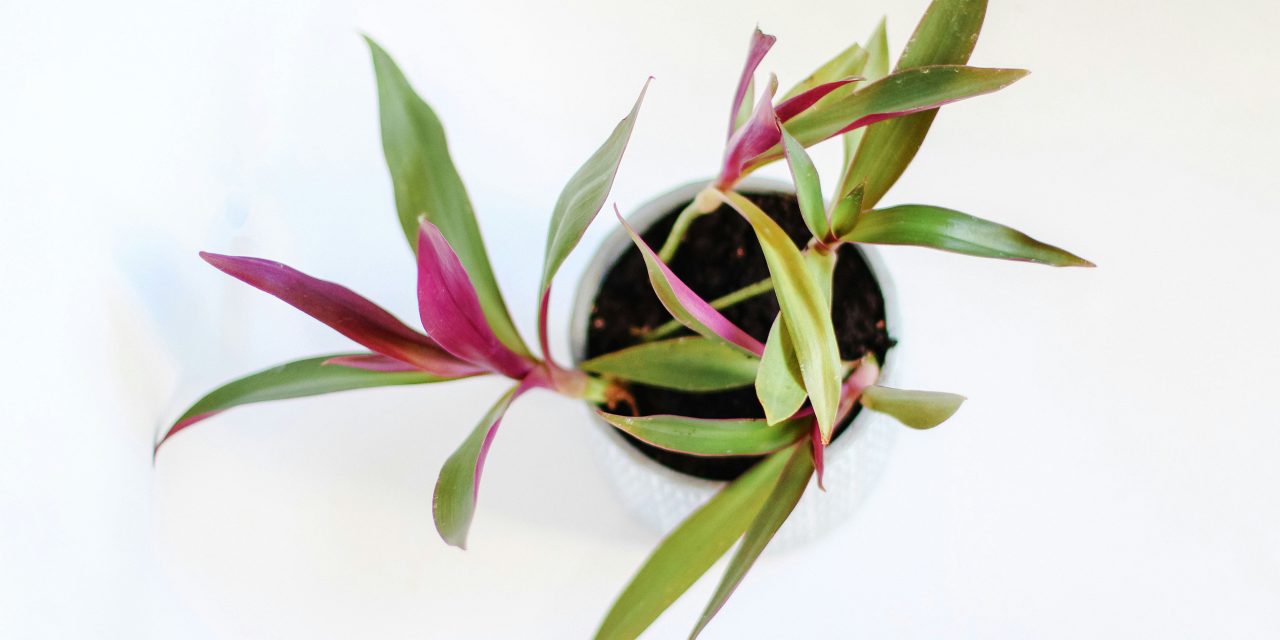
The Callisia Pink Panther is a captivating houseplant that has garnered attention for its striking foliage and unique aesthetic appeal. This perennial plant, belonging to the Commelinaceae family, is native to Central and South America. Its vibrant leaves, often adorned with shades of pink, green, and white, make it a popular choice among plant enthusiasts and interior decorators alike. The Pink Panther variety is not just a visual delight; it also serves as an air-purifying agent, contributing to a healthier indoor environment.
The allure of the Callisia Pink Panther lies in its versatility and adaptability. It thrives in various conditions, making it suitable for both novice and experienced gardeners. With proper care, this plant can flourish indoors or outdoors, adding a touch of elegance to any space. As we delve deeper into the unique features of the various Pink Panther varieties, we will uncover the distinct characteristics that set each one apart, as well as tips for their care and maintenance.
If you’re interested in the care and maintenance of your plants, you might find it helpful to read about common household issues that can affect your indoor environment. For instance, understanding the signs of a leaking water heater can help you prevent damage to your plants, including your Callisia Pink Panther. You can learn more about this topic in the article titled “Why Is My Water Heater Leaking? Warning Signs and Next Steps” available at this link.
Unique Features of Callisia Pink Panther Varieties
The Callisia Pink Panther encompasses a range of varieties, each showcasing its own unique features. These variations are characterized by differences in leaf color, size, and growth habits. The diversity within this species allows for a multitude of aesthetic possibilities, making it an exciting addition to any plant collection.
One of the most notable aspects of the Pink Panther varieties is their striking coloration. The leaves often exhibit a blend of pink, green, and white hues, creating a visually stunning contrast that can brighten any room. Additionally, the growth habits of these plants vary; some are compact and bushy, while others are trailing or cascading, providing options for different display styles. Understanding these unique features can help plant enthusiasts choose the right variety for their specific needs and preferences.
Classic Pink Panther: The Original Beauty

The Classic Pink Panther is the quintessential representation of this beloved plant species. Its leaves are characterized by a vibrant pink hue interspersed with green streaks, creating a harmonious blend that captivates the eye. This variety typically grows upright, reaching heights of approximately 12 to 18 inches, making it an ideal choice for tabletops or shelves where its beauty can be fully appreciated.
In terms of care, the Classic Pink Panther thrives in bright, indirect sunlight but can tolerate lower light conditions. It prefers well-draining soil and should be watered when the top inch of soil feels dry to the touch. Overwatering can lead to root rot, so it is essential to monitor moisture levels closely. With proper care, this variety can flourish for years, providing a stunning focal point in any indoor garden.
Variegated Pink Panther: A Splash of Color

The Variegated Pink Panther takes the classic beauty of its predecessor and elevates it with additional color variations. This variety features leaves that are predominantly green with striking pink margins and splashes throughout. The contrast between the vibrant pink and lush green creates a dynamic visual effect that adds depth to any plant arrangement.
Caring for the Variegated Pink Panther requires similar attention as its classic counterpart. It thrives in bright, indirect light but can adapt to lower light conditions if necessary. However, insufficient light may result in diminished coloration. Regular watering is crucial; allowing the soil to dry out completely can stress the plant. Fertilizing during the growing season with a balanced houseplant fertilizer can enhance its growth and vibrancy.
The Callisia Pink Panther is a stunning houseplant known for its vibrant pink and green foliage, making it a popular choice among plant enthusiasts. If you’re interested in enhancing your indoor garden, you might also want to explore the various costs associated with pet care, as maintaining a healthy environment for your pets can be just as important as nurturing your plants. For more information on this topic, check out this insightful article on dog boarding and training costs that you need to know in 2024.
Dwarf Pink Panther: Compact and Charming
The Dwarf Pink Panther is a delightful miniature version of the classic variety, making it perfect for small spaces or as part of a mixed plant arrangement. Typically reaching heights of only 6 to 10 inches, this compact beauty boasts vibrant pink and green leaves that maintain the signature aesthetic of the Pink Panther lineage.
Despite its smaller size, the Dwarf Pink Panther requires similar care to its larger relatives. It thrives in bright, indirect sunlight and prefers well-draining soil. Watering should be done when the top layer of soil feels dry, ensuring that excess moisture does not accumulate at the roots. This charming variety is an excellent choice for those looking to add a touch of elegance to limited spaces without sacrificing style.
Callisia Pink Panther, with its striking pink and green foliage, is a popular choice for indoor plant enthusiasts. If you’re looking to keep your plants healthy and vibrant, it’s essential to maintain a clean environment. An interesting article on how to use hydrogen peroxide for stain removal without damaging surfaces can provide useful tips for maintaining your living space. You can read more about it here. Keeping your home tidy will not only benefit your plants but also enhance your overall living experience.
Frosted Pink Panther: A Cool Twist
The Frosted Pink Panther introduces an intriguing twist to the traditional Pink Panther aesthetic. This variety features leaves that are dusted with a silvery sheen, giving it a frosted appearance that sets it apart from other variants. The combination of soft pinks and greens with this unique frosted effect creates an ethereal quality that captivates onlookers.
Caring for the Frosted Pink Panther involves providing bright, indirect light to maintain its vibrant coloration. It thrives in well-draining soil and should be watered when necessary to prevent over-saturation. Regular pruning can help maintain its shape and encourage bushier growth. This variety is perfect for those seeking a distinctive plant that adds an element of intrigue to their collection.
Silver Pink Panther: Shimmering Elegance
The Silver Pink Panther is another stunning variant that showcases shimmering silver tones alongside its characteristic pink and green hues. The leaves exhibit a metallic sheen that catches the light beautifully, creating an elegant display that enhances any indoor setting. This variety stands out not only for its color but also for its graceful growth habit.
To ensure optimal growth for the Silver Pink Panther, it is essential to provide bright, indirect sunlight while avoiding direct exposure that could scorch its delicate leaves. Well-draining soil is crucial for preventing root rot; thus, watering should be done judiciously based on soil moisture levels. Fertilizing during the growing season can promote healthy growth and enhance its shimmering appearance.
Pink Panther with Purple Hues: Bold and Vibrant
For those who appreciate bold colors in their plant collection, the Pink Panther with Purple Hues offers an eye-catching option. This variety features deep purple undertones intermingled with vibrant pinks and greens, creating a striking contrast that demands attention. Its unique coloration makes it an excellent choice for adding drama to any indoor garden.
Caring for this vibrant variety involves providing bright, indirect light to maintain its rich colors. It prefers well-draining soil and should be watered when the top inch feels dry. Regular fertilization during the growing season can support robust growth and enhance color vibrancy. This bold variant is perfect for those looking to make a statement with their plant choices.
Trailing Pink Panther: Perfect for Hanging Baskets
The Trailing Pink Panther is an ideal choice for those who love cascading plants that add dimension to their decor. This variety features long stems adorned with vibrant pink and green leaves that gracefully trail down from hanging baskets or shelves. Its trailing nature makes it perfect for creating lush displays that draw the eye downward.
To care for the Trailing Pink Panther effectively, provide bright, indirect sunlight while ensuring adequate drainage in its potting medium. Watering should be done when the top layer of soil feels dry; however, care must be taken not to let it dry out completely. Regular pruning can encourage bushier growth and prevent leggy stems from developing.
Pink Panther with Green Accents: Subtle Contrast
The Pink Panther with Green Accents offers a more subdued yet equally beautiful option within this diverse family of plants. This variety features soft pink leaves accented by deep green veins or margins, creating a subtle contrast that adds depth without overwhelming the senses. Its understated elegance makes it suitable for various decor styles.
Caring for this variety involves providing bright, indirect light while ensuring well-draining soil conditions are met. Watering should be done based on soil moisture levels; allowing it to dry out completely can lead to stress on the plant. Regular fertilization during active growth periods can support healthy development and enhance its delicate beauty.
Pink Panther ‘Blush’: Soft and Delicate Shades
The Pink Panther ‘Blush’ is characterized by its soft pastel hues that evoke feelings of tranquility and calmness. This variety features gentle shades of pink intermingled with subtle greens, creating an ethereal quality that makes it perfect for serene spaces such as bedrooms or meditation areas.
To care for the ‘Blush’ variety effectively, provide bright but filtered light while ensuring well-draining soil conditions are maintained. Watering should be done when necessary based on moisture levels; overwatering can lead to root rot issues. Regular fertilization during active growth periods can support healthy development while enhancing its delicate coloration.
Pink Panther Mini: Tiny but Stunning
The Pink Panther Mini is a delightful miniature version of its larger relatives, making it perfect for small spaces or as part of a mixed arrangement in terrariums or dish gardens. Despite its diminutive size—typically reaching only 4 to 6 inches in height—this tiny beauty boasts vibrant colors reminiscent of its larger counterparts.
Caring for the Mini requires similar attention as other varieties; bright indirect light is essential while ensuring well-draining soil conditions are met. Watering should be done based on moisture levels; allowing it to dry out completely can stress this petite plant significantly. Regular fertilization during active growth periods can support healthy development while enhancing its stunning appearance.
Caring Tips for Your Callisia Pink Panther Varieties
To ensure your Callisia Pink Panther varieties thrive, consider implementing several key care strategies tailored specifically to their needs:
1. **Light Requirements**: Most varieties prefer bright but indirect sunlight; however, some may tolerate lower light conditions if necessary.
2. **Soil Type**: Use well-draining potting mix to prevent root rot; consider adding perlite or sand for improved drainage.
3. **Watering Schedule**: Allow the top inch of soil to dry out before watering again; avoid overwatering as this can lead to root rot.
4. **Humidity Levels**: These plants thrive in moderate humidity; consider misting them occasionally or placing them near a humidifier.
5. **Fertilization**: During active growth periods (spring and summer), use a balanced houseplant fertilizer every 4-6 weeks to promote healthy growth.
6. **Pruning**: Regularly prune dead or yellowing leaves to encourage bushier growth and maintain overall health.
7. **Pest Management**: Monitor for common pests such as spider mites or aphids; treat infestations promptly using insecticidal soap or neem oil.
By following these care tips tailored specifically for your Callisia Pink Panther varieties, you can ensure they remain healthy and vibrant additions to your indoor garden collection.
In summary, the Callisia Pink Panther encompasses a diverse range of stunning varieties that cater to various aesthetic preferences and care capabilities. From classic beauties to bold colorations and compact forms, each variant offers unique characteristics that enhance any indoor space while promoting healthier air quality through their natural purifying abilities. With proper care tailored specifically for each type—ranging from light requirements to watering schedules—plant enthusiasts can enjoy these captivating plants for years to come.
FAQs
What is Callisia Pink Panther?
Callisia Pink Panther is a popular houseplant known for its striking foliage. It features vibrant pink and green leaves that create a visually appealing contrast, making it a favorite among plant enthusiasts.
How do you care for Callisia Pink Panther?
To care for Callisia Pink Panther, provide bright, indirect sunlight and keep the soil consistently moist but not soggy. It thrives in temperatures between 65°F to 80°F (18°C to 27°C) and benefits from high humidity levels.
Is Callisia Pink Panther toxic to pets?
No, Callisia Pink Panther is considered non-toxic to pets, making it a safe choice for households with cats and dogs. However, it’s always best to monitor pets around any houseplants to prevent any potential digestive issues.
How often should you water Callisia Pink Panther?
Water Callisia Pink Panther when the top inch of soil feels dry to the touch. Typically, this may be once a week, but the frequency can vary based on environmental conditions such as humidity and temperature.
Can Callisia Pink Panther be propagated?
Yes, Callisia Pink Panther can be propagated through stem cuttings. Simply cut a healthy stem just below a node, place it in water or soil, and keep it in a warm, humid environment until roots develop.