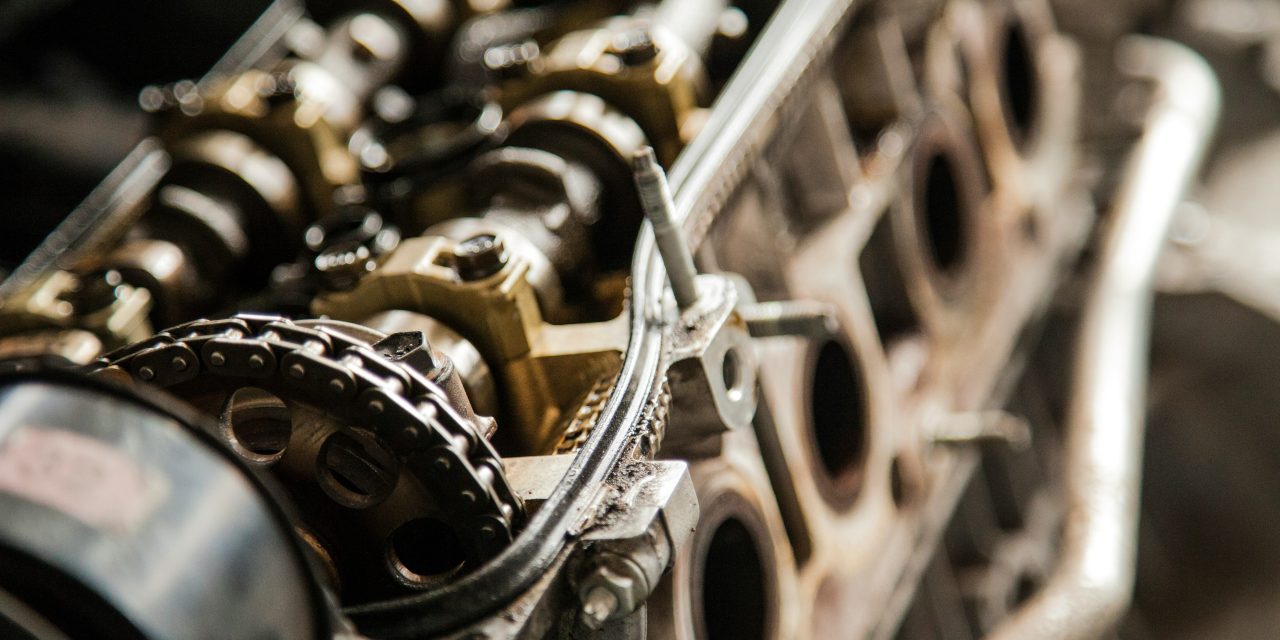
Before embarking on an engine inspection, it is crucial to grasp the fundamental principles of how an engine operates. An internal combustion engine converts fuel into mechanical energy through a series of controlled explosions within its cylinders. This process involves various components, including the crankshaft, camshaft, pistons, and valves, all working in harmony to produce power. Familiarity with these components allows for a more informed inspection, enabling one to identify potential issues effectively.
Understanding engine basics also involves recognizing the different types of engines, such as gasoline and diesel engines, each with unique characteristics and maintenance requirements. Gasoline engines typically operate at higher RPMs and are designed for lighter vehicles, while diesel engines are known for their torque and fuel efficiency, making them suitable for heavier applications. Knowledge of these distinctions can guide the inspection process, ensuring that specific checks are tailored to the engine type in question.
When considering the purchase of a used car, it’s essential to inspect the engine thoroughly to avoid potential issues down the line. A helpful resource for understanding the intricacies of engine inspection can be found in this article: How to Balance Salt, Acid, Fat, and Heat in Home Cooking. While the article primarily focuses on cooking techniques, the principles of careful evaluation and balance can also be applied to assessing a vehicle’s engine condition.
Check the Engine Oil Level and Quality
One of the first steps in engine inspection is assessing the oil level and its quality. Engine oil serves as a lubricant, reducing friction between moving parts and preventing overheating. To check the oil level, utilize the dipstick located in the engine bay. Remove it, wipe it clean, reinsert it, and then remove it again to observe the oil level against the marked indicators. An adequate oil level is essential for optimal engine performance; levels below the minimum mark can lead to severe damage.
In addition to checking the quantity, evaluating the oil’s quality is equally important. Fresh engine oil typically appears amber and translucent, while old or contaminated oil may appear dark and gritty. The presence of metal shavings or a milky appearance could indicate serious issues such as internal wear or coolant leaks. Regular oil changes are vital for maintaining engine health; thus, understanding the oil’s condition can provide insights into the overall maintenance history of the vehicle.
Inspect for Any Visible Leaks or Corrosion

Visible leaks and corrosion can be telltale signs of underlying problems within an engine. During an inspection, examine the engine block and surrounding components for any signs of fluid leakage. Common fluids include engine oil, coolant, transmission fluid, and power steering fluid. Each type of leak can indicate specific issues; for instance, oil leaks may suggest worn gaskets or seals, while coolant leaks could point to a failing radiator or water pump.
Corrosion is another critical factor to consider during an inspection. It often manifests as rust or oxidation on metal surfaces and can compromise structural integrity over time. Pay close attention to areas around battery terminals, hoses, and electrical connections, as these are prone to corrosion due to exposure to moisture and chemicals. Addressing leaks and corrosion promptly can prevent more extensive damage and costly repairs down the line.
Examine the Condition of Belts and Hoses

Belts and hoses play a vital role in an engine’s operation by facilitating the transfer of power and fluids throughout the system. Inspecting these components for wear and tear is essential for ensuring reliable performance. Look for signs of fraying, cracking, or glazing on serpentine belts and timing belts; any visible damage may indicate that replacement is necessary to avoid catastrophic failure.
Hoses should also be examined for signs of deterioration such as bulging, cracking, or leaks. Pay particular attention to coolant hoses, as they are crucial for maintaining optimal operating temperatures within the engine. A compromised hose can lead to overheating or coolant loss, resulting in severe engine damage. Regular inspections of belts and hoses can help identify potential issues before they escalate into more significant problems.
When considering the purchase of a used car, it’s essential to thoroughly inspect the engine to ensure you’re making a sound investment. A well-maintained engine can save you from costly repairs down the line. For a comprehensive guide on how to inspect a used car engine before buying, you can refer to this informative article that covers key aspects to look for. Additionally, if you’re interested in exploring other topics related to care and maintenance, you might find this article on dog boarding services quite engaging, as it highlights the importance of proper care in different contexts.
Look for Signs of Engine Overheating
Engine overheating is a critical concern that can lead to catastrophic failure if not addressed promptly. During an inspection, look for indicators that suggest overheating has occurred or is imminent. Common signs include a temperature gauge reading in the red zone, steam emanating from under the hood, or a burning smell associated with overheated components.
Additionally, check for coolant levels in the reservoir; low levels may indicate a leak or an issue with the cooling system. Inspecting the radiator for blockages or damage is also essential, as a compromised radiator can hinder proper cooling. If overheating is suspected, it is imperative to investigate further to prevent irreversible damage to engine components such as warped cylinder heads or blown gaskets.
When considering the purchase of a used car, it’s essential to thoroughly inspect the engine to ensure you’re making a wise investment. A well-maintained engine can save you from costly repairs down the line. For a comprehensive guide on how to inspect a used car engine before buying, you might find this article helpful. Additionally, if you’re looking to organize your space effectively, you can check out some budget-friendly tips for your home by visiting this helpful resource.
Listen for Unusual Noises When the Engine is Running
Auditory cues can provide valuable insights into an engine’s health during operation. Listening for unusual noises while the engine runs can help identify potential issues that may not be visible during a visual inspection. Common sounds to be aware of include knocking, ticking, or grinding noises, which may indicate problems such as worn bearings, valve issues, or timing chain problems.
A smooth-running engine should produce a consistent hum without any irregularities. If any unusual sounds are detected, it is advisable to investigate further or consult a professional mechanic for a thorough evaluation. Ignoring these auditory warnings can lead to more severe mechanical failures and costly repairs down the line.
Assess the Engine’s Smoke Emissions
Smoke emissions from an engine can provide critical information regarding its internal condition. Different colors of smoke indicate various issues: blue smoke typically signifies burning oil due to worn piston rings or valve seals; white smoke may indicate coolant entering the combustion chamber due to a blown head gasket; while black smoke suggests an overly rich fuel mixture resulting from fuel injector problems or a malfunctioning air intake system.
During an inspection, observe smoke emissions during startup and while idling. Excessive smoke can not only affect performance but also indicate underlying mechanical issues that require immediate attention. Addressing these problems early on can prevent further damage and ensure compliance with environmental regulations regarding emissions.
Review the Engine Bay Cleanliness and Maintenance Records
The cleanliness of the engine bay can reflect the overall care given to a vehicle over time. A well-maintained engine bay is typically free from excessive dirt, grime, and debris that can harbor moisture and promote corrosion. During an inspection, take note of any accumulated dirt or signs of neglect; this may indicate a lack of regular maintenance.
In addition to visual cleanliness, reviewing maintenance records is essential for understanding the vehicle’s service history. Documentation of regular oil changes, belt replacements, and other routine services can provide reassurance regarding the vehicle’s overall condition. A comprehensive maintenance history suggests that previous owners have taken care of the vehicle, which may translate into fewer issues down the road.
Test the Battery and Electrical Connections
The battery and electrical system are integral components of any vehicle’s operation. A thorough inspection should include testing the battery’s voltage output using a multimeter; a healthy battery typically registers between 12.4 to 12.7 volts when fully charged. Additionally, inspect battery terminals for corrosion or loose connections that could impede electrical flow.
Electrical connections throughout the engine bay should also be examined for signs of wear or damage. Frayed wires or corroded connectors can lead to intermittent electrical issues that affect performance and reliability. Ensuring that both the battery and electrical connections are in good condition is vital for preventing starting problems and ensuring smooth operation.
Conduct a Compression Test for Engine Health
A compression test is a valuable diagnostic tool used to assess an engine’s internal health by measuring the pressure generated within each cylinder during operation. This test provides insights into the condition of piston rings, valves, and cylinder walls. A healthy engine typically exhibits consistent compression readings across all cylinders; significant discrepancies may indicate underlying issues such as worn components or valve problems.
To conduct a compression test, remove spark plugs from each cylinder and use a compression gauge to measure pressure during cranking. Record readings for each cylinder; values below manufacturer specifications may warrant further investigation or repairs. Regular compression testing can help identify potential problems early on, allowing for timely intervention before more extensive damage occurs.
Consider a Professional Mechanic’s Inspection Before Purchase
While conducting a thorough inspection on your own is beneficial, enlisting the expertise of a professional mechanic can provide additional assurance before making a purchase decision. A qualified mechanic possesses specialized knowledge and tools that enable them to identify hidden issues that may not be apparent during a casual inspection.
Professional inspections often include comprehensive diagnostics using advanced equipment that can detect electronic faults or performance issues not visible to the naked eye. Investing in a pre-purchase inspection can save buyers from costly repairs down the line by uncovering potential problems early on.
In summary, understanding engine basics is crucial before conducting an inspection that encompasses checking oil levels and quality, inspecting for leaks or corrosion, examining belts and hoses, assessing overheating signs, listening for unusual noises, evaluating smoke emissions, reviewing cleanliness and maintenance records, testing battery connections, conducting compression tests, and considering professional evaluations before purchase decisions are made. Each step plays an integral role in ensuring optimal performance and longevity of any vehicle’s engine system while preventing costly repairs in the future.
FAQs
What are the key components to check when inspecting a used car engine?
When inspecting a used car engine, key components to check include the engine oil level and condition, coolant level, belts and hoses for wear or cracks, the battery condition, and any signs of leaks around the engine. Additionally, examining the air filter and spark plugs can provide insights into the engine’s overall health.
How can I identify signs of engine wear or damage?
Signs of engine wear or damage can include unusual noises such as knocking or ticking, excessive smoke from the exhaust, oil leaks, and a rough idle. You should also look for any warning lights on the dashboard and check for any unusual vibrations while the engine is running.
Is it important to check the engine’s service history?
Yes, checking the engine’s service history is crucial as it provides insights into how well the car has been maintained. Regular oil changes, timing belt replacements, and other scheduled maintenance can indicate that the previous owner took good care of the vehicle, potentially reducing the risk of future problems.
What tools do I need to inspect a used car engine?
To inspect a used car engine, you may need basic tools such as a flashlight to check for leaks and wear, an oil dipstick to check oil levels and condition, a coolant tester, and possibly a compression tester to assess engine health. A multimeter can also be useful for checking battery voltage and electrical connections.
Should I take the car to a mechanic for a professional inspection?
Yes, it is highly recommended to take the car to a mechanic for a professional inspection, especially if you are not experienced with engines. A qualified mechanic can provide a thorough assessment of the engine and identify any potential issues that may not be visible during a casual inspection.