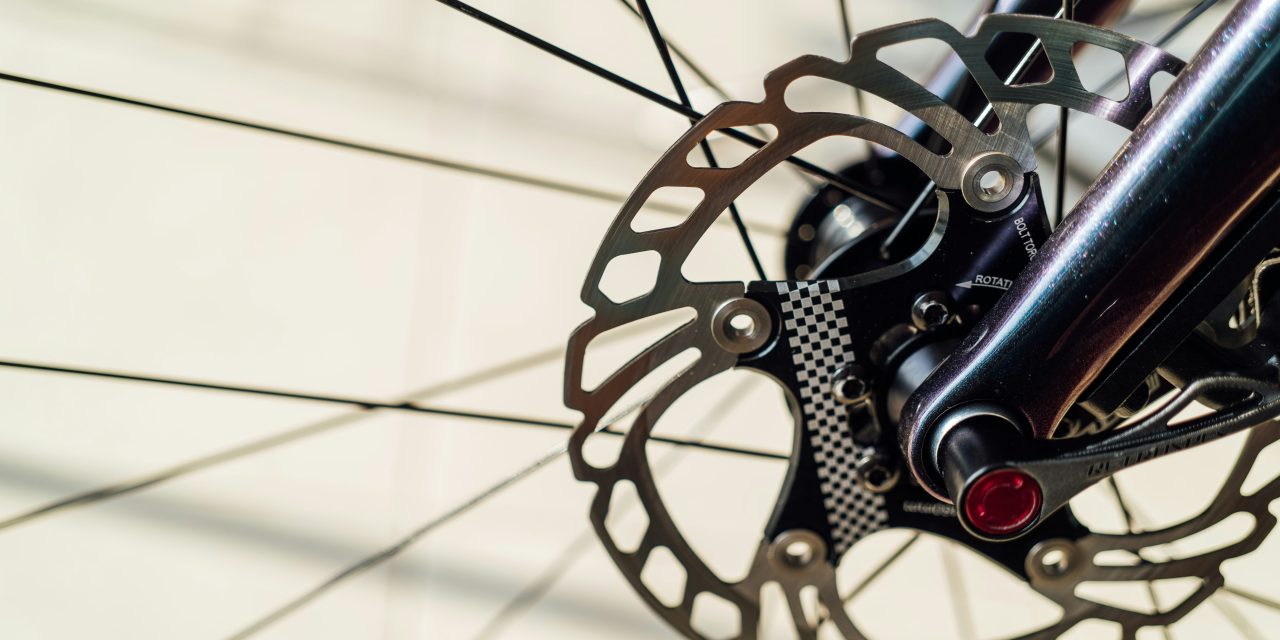
Brake pads are a critical component of a vehicle’s braking system, serving as the interface between the brake caliper and the brake rotor. Their primary function is to create friction, which slows down or stops the vehicle when the brake pedal is engaged. This friction is generated through the application of hydraulic pressure, which forces the brake pads against the rotors. The effectiveness of this process is paramount for ensuring vehicle safety, as compromised brake pads can lead to decreased stopping power and increased stopping distances, potentially resulting in accidents.
The materials used in brake pads can vary significantly, with options including organic, semi-metallic, and ceramic compounds. Each type has its own advantages and disadvantages in terms of performance, noise levels, and wear rates. For instance, ceramic brake pads are known for their quiet operation and longevity, while semi-metallic pads offer superior heat dissipation and performance under extreme conditions. Understanding these differences is essential for vehicle owners to make informed decisions regarding maintenance and replacements.
When considering the longevity of brake pads, it’s essential to understand the various factors that can influence their lifespan, such as driving habits, vehicle type, and road conditions. For a deeper dive into automotive maintenance, you might find this article on how to maintain your vehicle’s performance particularly useful. It provides insights that can help you extend the life of your brake pads and other critical components. You can read more about it here: How to Make Bread Dough Rise in a Cold Kitchen.
Common Causes of Brake Pad Wear and Tear
Brake pad wear is an inevitable aspect of vehicle maintenance, influenced by several factors. One of the primary causes is driving habits; aggressive driving, characterized by rapid acceleration and hard braking, can significantly accelerate wear. Frequent stop-and-go traffic conditions also contribute to increased friction and heat generation, leading to faster degradation of brake pads.
Environmental factors play a role as well. For instance, driving in hilly or mountainous terrain requires more frequent braking, which can lead to quicker wear. Additionally, exposure to moisture, road salt, and debris can cause corrosion and damage to both the brake pads and rotors. Regular inspections and timely replacements are crucial to mitigate these effects and ensure optimal braking performance.
Sign 1: Squeaking or Squealing Noises When Braking

One of the most common indicators of worn brake pads is the presence of squeaking or squealing noises during braking. This sound often arises from a wear indicator built into the brake pad material, designed to alert drivers that replacement is necessary. The noise occurs when the friction material has worn down to a certain level, allowing the metal backing plate to come into contact with the rotor.
Ignoring these auditory warnings can lead to more severe issues, including damage to the rotors themselves. If left unaddressed, the cost of repairs can escalate significantly. Therefore, it is advisable for drivers to take any unusual sounds seriously and seek professional inspection promptly.
Sign 2: Reduced Brake Responsiveness or Increased Stopping Distance

Another critical sign that brake pads may be nearing the end of their lifespan is a noticeable reduction in brake responsiveness. Drivers may experience a delay in braking action or an increase in stopping distance when attempting to halt the vehicle. This phenomenon can be attributed to several factors, including diminished friction material or air trapped within the hydraulic brake lines.
Such changes can compromise safety significantly, especially in emergency situations where immediate stopping power is essential. If drivers notice these symptoms, they should have their braking system evaluated by a qualified technician without delay to prevent potential accidents.
When considering the longevity of your vehicle’s brake pads, it’s important to understand the factors that can influence their lifespan. Typically, brake pads can last anywhere from 30,000 to 70,000 miles, depending on driving habits and the type of vehicle. For a deeper insight into vehicle maintenance, you might find this related article on brake pad longevity particularly helpful, as it discusses various aspects that can affect brake performance and safety. Regular inspections and understanding your driving style can significantly impact how long your brake pads will last.
Sign 3: Grinding Sounds Indicating Worn Brake Pads
Grinding noises when applying brakes are a clear indication that brake pads have worn down excessively. This sound occurs when the friction material has been completely depleted, causing the metal backing plate to grind against the rotor surface. This not only compromises braking efficiency but can also lead to severe rotor damage, necessitating costly repairs or replacements.
It is crucial for drivers to address grinding sounds immediately. Continuing to drive under these conditions can result in further damage to the braking system and increase repair costs significantly. Regular maintenance checks can help identify issues before they escalate into more serious problems.
Understanding how long brake pads last is essential for maintaining your vehicle’s safety and performance. Factors such as driving habits, vehicle type, and road conditions can significantly influence the lifespan of brake pads. For a deeper insight into vehicle maintenance, you might find it helpful to read a related article on grooming and maintaining your pet, which emphasizes the importance of regular care. You can check it out here. Just as with brake pads, staying proactive in maintenance can lead to better outcomes in the long run.
Sign 4: Brake Pedal Feels Soft or Spongy
A soft or spongy brake pedal can indicate several underlying issues within the braking system, including air trapped in the brake lines or a failing master cylinder. However, it can also be a sign that brake pads are worn out and need replacement. When brake pads wear down excessively, they may not provide adequate pressure against the rotor, leading to a less responsive pedal feel.
Drivers should be vigilant about this symptom as it directly affects their ability to stop safely. If the brake pedal feels unusual, it is imperative to have the vehicle inspected by a professional mechanic who can diagnose and rectify any issues promptly.
Sign 5: Vibration or Pulsation When Applying Brakes
Experiencing vibrations or pulsations through the brake pedal when applying brakes can indicate uneven wear on the brake pads or warped rotors. This condition often arises from excessive heat buildup during braking, which can distort rotor surfaces over time. When brake pads make contact with these uneven surfaces, it results in a pulsating sensation felt through the pedal.
This symptom should not be ignored as it can lead to further complications within the braking system if left unaddressed. Regular inspections can help identify issues early on and ensure that both brake pads and rotors are functioning optimally.
Sign 6: Warning Light on the Dashboard
Modern vehicles are equipped with advanced diagnostic systems that monitor various components of the braking system, including brake pad wear. A warning light on the dashboard may illuminate when sensors detect that brake pads have reached a critical level of wear. This proactive feature serves as an essential reminder for drivers to check their braking system.
Ignoring this warning light can lead to severe consequences, including complete brake failure. Therefore, it is crucial for drivers to respond promptly by scheduling an inspection with a qualified technician who can assess the condition of the brake pads and recommend necessary actions.
Sign 7: Visible Thickness of Brake Pads Below Recommended Level
One of the most straightforward ways to assess brake pad condition is through visual inspection. If drivers notice that the thickness of their brake pads is below the manufacturer’s recommended level—typically around 3mm—it is time for replacement. Many vehicles come equipped with visual indicators that allow for easy assessment without requiring specialized tools.
Regularly checking brake pad thickness can prevent unexpected failures and ensure that vehicles maintain optimal stopping power. If there are any doubts about their condition, consulting with a professional mechanic is advisable.
How Long Do Brake Pads Typically Last?
The lifespan of brake pads varies widely based on several factors, including driving habits, vehicle type, and environmental conditions. On average, most brake pads last between 30,000 to 70,000 miles; however, some high-performance or heavy-duty applications may require more frequent replacements due to increased wear rates.
Regular maintenance checks are essential for determining when replacements are necessary. Factors such as driving style—frequent hard braking versus gentle deceleration—can significantly influence how long brake pads will last.
Tips for Maintaining Brake Pads and Extending Their Lifespan
To maximize the lifespan of brake pads and ensure optimal performance, several maintenance tips should be followed:
1. **Regular Inspections**: Schedule routine inspections with a qualified mechanic who can assess both brake pads and rotors for wear.
2. **Gentle Driving Habits**: Adopt smoother driving techniques that minimize hard braking and rapid acceleration.
3. **Avoid Overloading**: Excess weight can put additional strain on brakes; ensure your vehicle is not overloaded.
4. **Use Quality Parts**: When replacing brake pads, opt for high-quality materials that suit your driving conditions.
5. **Flush Brake Fluid**: Regularly replace old brake fluid to prevent moisture buildup that can lead to corrosion within the braking system.
By adhering to these guidelines, drivers can enhance their vehicle’s braking performance while extending the lifespan of their brake pads.
In summary, understanding the role of brake pads in vehicle safety is crucial for all drivers. Recognizing signs of wear such as unusual noises, reduced responsiveness, grinding sounds, soft pedals, vibrations, warning lights, and visible thickness below recommended levels can prevent accidents and costly repairs. Regular maintenance checks and adopting good driving habits will ensure optimal performance and longevity of brake components.
FAQs
How long do brake pads typically last?
Brake pads typically last between 30,000 to 70,000 miles, depending on various factors such as driving habits, vehicle type, and the quality of the brake pads used.
What factors affect the lifespan of brake pads?
Several factors can affect the lifespan of brake pads, including driving style (aggressive vs. smooth driving), the type of brake pads (organic, semi-metallic, or ceramic), vehicle weight, and the conditions in which you drive (city vs. highway).
How can I tell if my brake pads need to be replaced?
Signs that your brake pads may need to be replaced include a squeaking or squealing noise when braking, a grinding sound, reduced braking performance, or a warning light on your dashboard.
Is it safe to drive with worn brake pads?
Driving with worn brake pads is not safe, as it can lead to decreased braking efficiency and potentially cause damage to the brake rotors, leading to more costly repairs.
Can I extend the life of my brake pads?
Yes, you can extend the life of your brake pads by practicing smooth driving habits, avoiding sudden stops, regularly maintaining your braking system, and ensuring proper wheel alignment and tire pressure.