Frozen green beans are a convenient and nutritious option for many households, but they often suffer from a common issue: sogginess. This phenomenon occurs primarily due to the freezing process, which causes the water within the beans to expand and form ice crystals. When these beans are thawed, the ice crystals melt, releasing moisture that can lead to a mushy texture. Additionally, the cellular structure of green beans is compromised during freezing, making them more susceptible to becoming limp when cooked.
The sogginess can also be exacerbated by improper cooking techniques. When green beans are boiled or steamed for too long, they absorb excess water, further contributing to their undesirable texture. Understanding these fundamental principles is crucial for anyone looking to enjoy crisp, flavorful green beans. By addressing the factors that lead to sogginess, one can transform frozen green beans into a delightful side dish or ingredient.
If you’re looking to enhance your cooking skills, especially when it comes to preparing frozen green beans without making them soggy, you might find it helpful to explore meal prep techniques. A related article that can assist you in organizing your cooking process is titled “Top 10 Meal Prep Containers for Easy and Organized Cooking.” You can read it by following this link: Top 10 Meal Prep Containers for Easy and Organized Cooking. This resource will not only help you with storage solutions but also provide tips on how to efficiently prepare your meals, including vegetables like green beans.
Choosing the Right Frozen Green Beans for Crispiness
Selecting the appropriate frozen green beans is essential for achieving that desired crispiness. Not all frozen green beans are created equal; some brands may use different freezing methods or additives that can affect texture and flavor. When shopping for frozen green beans, look for products labeled as “flash-frozen.” This method preserves the beans’ cellular integrity and minimizes moisture loss during thawing.
Additionally, consider the cut of the green beans. Whole or French-cut varieties tend to retain their texture better than diced or chopped options. The thickness of the beans can also play a role; thicker beans may hold up better during cooking. Always check the ingredient list to ensure there are no added preservatives or sauces that could contribute to sogginess. By making informed choices at the grocery store, you can set yourself up for success in achieving crispy green beans.
Thawing Techniques: To Thaw or Not to Thaw?

The decision to thaw frozen green beans before cooking is a topic of debate among culinary enthusiasts. Some argue that thawing allows for more even cooking, while others believe that cooking them directly from frozen yields better results. If you choose to thaw, there are several effective methods to consider. The most common approach is to place the beans in the refrigerator overnight, allowing them to defrost gradually while minimizing moisture loss.
Alternatively, you can use a microwave for a quicker thawing process. Place the beans in a microwave-safe dish with a small amount of water and cover them loosely. Microwave on low power in short intervals, stirring occasionally until they are just thawed but not cooked. However, if you prefer to cook them straight from the freezer, ensure that your cooking method accommodates this choice. Cooking frozen green beans directly can help retain their crispness by reducing the time they spend in moisture.
Prepping Your Green Beans: Removing Excess Moisture

Regardless of whether you thaw your green beans or cook them from frozen, removing excess moisture is crucial for achieving a crispy texture. After thawing, pat the beans dry with paper towels or a clean kitchen cloth to absorb any residual water. This step is vital because excess moisture can create steam during cooking, leading to sogginess.
If you opt to cook them directly from frozen, consider using a colander to drain any ice crystals before cooking. This simple technique can significantly improve the final texture of your dish. Additionally, avoid rinsing the beans under water after thawing, as this can introduce more moisture and dilute their flavor. Proper preparation sets the stage for a successful cooking experience.
If you’re looking to enhance your culinary skills, you might find it helpful to explore techniques for cooking frozen vegetables without compromising their texture. For instance, you can learn how to cook frozen green beans without getting soggy by using specific methods that preserve their crunch. Additionally, if you’re interested in creating a harmonious environment for your pets while you cook, consider reading this insightful article on introducing a new cat to your home. Balancing your kitchen activities with a smooth transition for your furry friends can make for a more enjoyable cooking experience.
The Best Cooking Methods for Crisp Frozen Green Beans
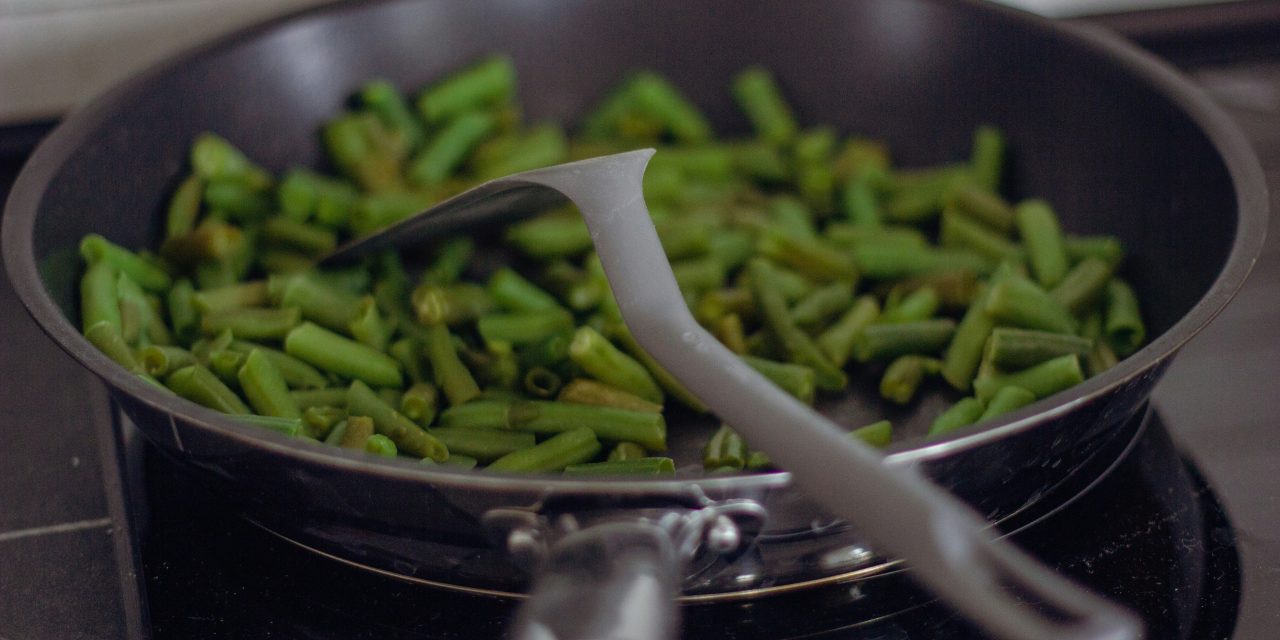
When it comes to cooking frozen green beans, certain methods are more conducive to achieving that coveted crispness. Sautéing and roasting are two of the most effective techniques for enhancing texture while preserving flavor. Sautéing allows for quick cooking over high heat, which helps to evaporate moisture rapidly while caramelizing the natural sugars in the beans.
Roasting is another excellent option that promotes crispness through dry heat. Preheat your oven to a high temperature—around 425°F (220°C)—and spread the green beans in a single layer on a baking sheet. This method encourages browning and enhances flavor while ensuring that excess moisture evaporates quickly. Both sautéing and roasting provide opportunities for creative seasoning and flavor enhancement.
Using High Heat: How to Sear for Maximum Crispness
High heat is your ally when it comes to achieving maximum crispness in frozen green beans. Whether you choose to sauté or roast, maintaining a high temperature is essential for evaporating moisture quickly and creating a desirable texture. When sautéing, preheat your skillet over medium-high heat before adding oil and then the green beans. This ensures that they sear rather than steam.
For roasting, ensure your oven is fully preheated before placing the baking sheet inside. The intense heat will help create a crispy exterior while keeping the interior tender yet firm. Consider using a cast-iron skillet or a heavy-duty baking sheet, as these materials retain heat well and promote even cooking. By harnessing high heat effectively, you can elevate your frozen green beans from soggy to sensational.
Seasoning Tips to Enhance Flavor Without Adding Sogginess
Seasoning plays a pivotal role in enhancing the flavor of frozen green beans without compromising their texture. Opt for dry seasonings such as garlic powder, onion powder, or smoked paprika, which can be sprinkled directly onto the beans before cooking. These seasonings adhere well and infuse flavor without introducing additional moisture.
Fresh herbs like thyme or rosemary can also be added towards the end of cooking for an aromatic finish without risking sogginess. If you prefer using liquid seasonings such as soy sauce or balsamic vinegar, be cautious with the quantity; too much liquid can lead to excess moisture and compromise crispness. A light drizzle of olive oil before roasting can enhance flavor while promoting browning without making the beans soggy.
Avoiding Overcrowding: Give Your Beans Room to Crisp
One common mistake when cooking frozen green beans is overcrowding the pan or baking sheet. When too many beans are packed together, they create steam rather than allowing for proper browning and crisping. To achieve optimal results, ensure that there is ample space between each bean during cooking.
If you’re sautéing, work in batches if necessary; this allows each batch to sear properly without steaming. For roasting, use multiple baking sheets if needed to maintain even spacing among the beans. By giving your green beans room to breathe during cooking, you significantly increase your chances of achieving that perfect crispy texture.
Incorporating Oil and Fats for a Perfectly Crispy Texture
Incorporating oil or fats into your cooking process is essential for achieving a perfectly crispy texture in frozen green beans. Oils such as olive oil or avocado oil not only enhance flavor but also facilitate browning through their high smoke points. When sautéing, add enough oil to coat the bottom of your skillet evenly; this will help prevent sticking while promoting even cooking.
For roasting, toss your green beans in oil before spreading them on a baking sheet; this ensures that every bean is coated and ready for crisping action in the oven. Additionally, consider using flavored oils like garlic-infused olive oil for an extra layer of taste without compromising texture. The right amount of fat can make all the difference in achieving that satisfying crunch.
Finishing Touches: Adding Crunch with Toppings and Garnishes
Once your frozen green beans are cooked to perfection, consider adding finishing touches that enhance both flavor and texture. Toppings such as toasted nuts—like almonds or pine nuts—can provide an appealing crunch while complementing the natural flavors of the beans. Simply toast them lightly in a dry skillet before sprinkling them over your finished dish.
Grated Parmesan cheese is another excellent option; it adds richness and umami without introducing excess moisture when used sparingly. Fresh herbs like parsley or chives can also brighten up your dish visually and flavor-wise without compromising crispness. These finishing touches elevate your green bean dish from simple to sophisticated while maintaining that desired crunch.
Troubleshooting Common Issues: What to Do If Beans Turn Soggy
Despite best efforts, there may be times when frozen green beans turn out soggy despite following all recommended techniques. If this occurs, there are several troubleshooting steps you can take to salvage your dish. First, consider returning them to high heat briefly; this may help evaporate some excess moisture and restore some firmness.
Another option is to incorporate them into a stir-fry or casserole where they can absorb flavors from other ingredients without being the main focus of texture. If all else fails, blending them into a soup or puree can transform their texture entirely while still allowing you to enjoy their nutritional benefits.
FAQ Section:
1. **Can I cook frozen green beans without thawing?**
Yes! Cooking them directly from frozen is often recommended as it helps retain their crispness.
2. **What’s the best way to store leftover cooked green beans?**
Store them in an airtight container in the refrigerator for up to three days.
3. **How do I know when my green beans are done cooking?**
They should be bright green and tender-crisp; avoid overcooking them until they become limp.
4. **Can I use frozen green beans in salads?**
Yes! Just ensure they are cooked properly and cooled before adding them to salads.
5. **What types of oils are best for cooking green beans?**
Olive oil and avocado oil are excellent choices due to their high smoke points and flavor profiles.
6. **How do I prevent my green beans from turning brown?**
Avoid prolonged exposure to air after cutting; use lemon juice or vinegar as an acid if necessary.
7. **Is it safe to eat frozen vegetables past their expiration date?**
While they may still be safe if stored properly, quality may decline over time.
8. **Can I freeze cooked green beans?**
Yes! Cooked green beans can be frozen but should be blanched first for best results.
9. **What seasonings pair well with green beans?**
Garlic powder, onion powder, lemon zest, and fresh herbs like thyme or dill work wonderfully.
10. **How do I make my green beans more flavorful?**
Experiment with different spices and toppings like nuts or cheese for added depth of flavor.
In summary, achieving crispy frozen green beans involves understanding their properties and employing effective techniques throughout preparation and cooking processes. From selecting quality products and utilizing high heat methods to incorporating oils and avoiding overcrowding, each step contributes significantly toward enhancing texture and flavor while preventing sogginess. With these strategies in mind, you can elevate your culinary creations featuring frozen green beans into delightful dishes that satisfy both taste buds and visual appeal.
FAQs
What is the best method to cook frozen green beans without making them soggy?
The best method to cook frozen green beans without making them soggy is to sauté them in a hot skillet with a little oil. This allows the beans to cook quickly while retaining their crispness. Avoid boiling or steaming for too long, as this can lead to a mushy texture.
Should I thaw frozen green beans before cooking?
No, it is not necessary to thaw frozen green beans before cooking. Cooking them directly from frozen helps to maintain their texture and prevents them from becoming soggy. Just add them to the pan or pot while they are still frozen.
How long should I cook frozen green beans?
Frozen green beans typically require about 5 to 7 minutes of cooking time when sautéed over medium-high heat. If you are using other cooking methods, such as roasting or microwaving, the time may vary, but it is generally best to keep an eye on them to avoid overcooking.
What seasonings work well with frozen green beans?
Seasonings that work well with frozen green beans include garlic, onion powder, salt, pepper, lemon juice, and herbs like thyme or rosemary. Adding these seasonings during the cooking process can enhance the flavor without compromising the texture.
Can I add other ingredients to frozen green beans while cooking?
Yes, you can add other ingredients such as diced onions, bell peppers, or bacon to frozen green beans while cooking. Just be sure to adjust the cooking time accordingly to ensure that all ingredients are cooked properly without overcooking the green beans.