Indoor plants have surged in popularity, transforming living spaces into vibrant sanctuaries of greenery. The allure of easy-care indoor plants lies in their ability to thrive with minimal attention, making them ideal for busy lifestyles or novice gardeners. These resilient species not only enhance aesthetic appeal but also contribute to improved air quality and overall well-being. With the right selection, anyone can cultivate a lush indoor garden without the burden of extensive maintenance.
Choosing easy-care plants can significantly reduce stress associated with plant care. Many individuals find solace in nurturing greenery, yet the fear of plant mortality often deters them from embarking on this journey. By opting for low-maintenance varieties, one can enjoy the therapeutic benefits of gardening without the anxiety of constant upkeep. Furthermore, these plants are often forgiving, allowing for occasional neglect while still flourishing.
Snake Plant (Sansevieria): The Ultimate Low-Maintenance Wonder
The Snake Plant, scientifically known as Sansevieria, is a quintessential choice for those seeking an effortless indoor plant. Renowned for its striking upright leaves that resemble swords, this hardy species can tolerate a wide range of environmental conditions. Snake Plants thrive in low light and require infrequent watering, making them perfect for beginners or those with busy schedules. Their ability to purify indoor air by removing toxins such as formaldehyde and benzene further enhances their appeal.
In terms of care, the Snake Plant is remarkably forgiving. It prefers well-draining soil and can survive in various potting mediums. Overwatering is a common mistake; thus, allowing the soil to dry out between waterings is crucial. This plant can also withstand neglect, making it an ideal companion for individuals who travel frequently or have unpredictable routines. With minimal effort, the Snake Plant can grow up to 4 feet tall, adding a dramatic touch to any room.
ZZ Plant (Zamioculcas zamiifolia): Tough and Tolerant

The ZZ Plant is another exceptional choice for indoor gardening enthusiasts. Known scientifically as Zamioculcas zamiifolia, this plant is characterized by its glossy, dark green leaves that grow from thick stems. Its resilience is legendary; it can thrive in low light conditions and requires very little water, making it an excellent option for those who may forget to water their plants regularly.
The ZZ Plant’s unique ability to store water in its rhizomes allows it to endure periods of drought without suffering damage. This feature makes it particularly suitable for environments with fluctuating humidity levels or inconsistent watering schedules. Additionally, the ZZ Plant is non-toxic to pets, making it a safe choice for households with furry companions. With proper placement and minimal care, this plant can grow up to 3 feet tall and spread outwards, creating a lush focal point in any indoor setting.
Pothos (Epipremnum aureum): The Versatile Vine

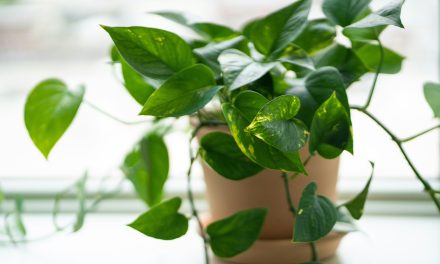
Pothos, or Epipremnum aureum, is celebrated for its versatility and adaptability. This trailing vine can be trained to climb or allowed to cascade from shelves and hanging baskets, making it a dynamic addition to any indoor space. Pothos thrives in various lighting conditions, from low light to bright indirect sunlight, and its growth rate is impressive, often reaching several feet in length within a single growing season.
Caring for Pothos is straightforward; it prefers well-draining soil and should be watered when the top inch of soil feels dry. This plant is also known for its air-purifying qualities, effectively removing pollutants such as xylene and formaldehyde from the air. Pothos can be propagated easily through cuttings, allowing enthusiasts to expand their collection or share with friends. With its heart-shaped leaves and vibrant green hues, Pothos adds a touch of nature to any environment while requiring minimal effort.
Spider Plant (Chlorophytum comosum): Air-Purifying and Hardy
The Spider Plant, scientifically known as Chlorophytum comosum, is a beloved choice among indoor gardeners due to its hardiness and air-purifying capabilities. Characterized by its arching green leaves adorned with white stripes, this plant produces “pups” or offshoots that can be propagated easily. Spider Plants thrive in bright indirect light but can also adapt to lower light conditions.
Caring for a Spider Plant involves simple practices: it prefers well-draining soil and should be watered when the top layer feels dry. This species is particularly effective at removing indoor air pollutants such as carbon monoxide and formaldehyde, contributing to a healthier living environment. Additionally, Spider Plants are non-toxic to pets, making them an excellent choice for families with animals. With minimal care requirements and a charming appearance, Spider Plants are perfect for both novice and experienced gardeners alike.
Peace Lily (Spathiphyllum): Elegant and Resilient
The Peace Lily, or Spathiphyllum, is renowned for its elegant white blooms and lush green foliage. This plant thrives in low-light conditions and requires moderate watering, making it an ideal choice for indoor spaces with limited sunlight. Peace Lilies are not only aesthetically pleasing but also serve as effective air purifiers by removing harmful toxins such as ammonia and benzene from the air.
Caring for a Peace Lily involves ensuring that the soil remains consistently moist but not soggy. These plants will exhibit drooping leaves when they need water, providing a visual cue for care. While Peace Lilies are relatively low-maintenance, they do benefit from occasional fertilization during the growing season to promote healthy growth and flowering. With their graceful appearance and air-purifying properties, Peace Lilies add a touch of sophistication to any indoor environment.
Aloe Vera: The Healing Succulent
Aloe Vera is not only a popular succulent but also a powerhouse of healing properties. Known scientifically as Aloe barbadensis miller, this plant thrives in bright light and requires minimal watering due to its succulent nature. Aloe Vera’s fleshy leaves store moisture, allowing it to withstand periods of drought while providing an easy-care option for indoor gardening enthusiasts.
Beyond its aesthetic appeal, Aloe Vera is celebrated for its medicinal benefits. The gel extracted from its leaves has been used for centuries to soothe burns, cuts, and skin irritations due to its anti-inflammatory properties. Caring for Aloe Vera involves placing it in well-draining soil and allowing it to dry out between waterings. With proper care, this resilient succulent can grow up to 2 feet tall and produce offsets that can be propagated easily.
Rubber Plant (Ficus elastica): Bold and Easy to Grow
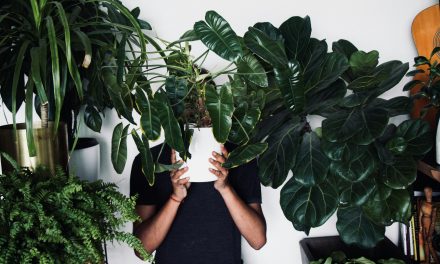
The Rubber Plant, scientifically known as Ficus elastica, is a striking addition to any indoor space with its large, glossy leaves that can reach impressive sizes. This plant thrives in bright indirect light but can adapt to lower light conditions as well. Rubber Plants are known for their air-purifying qualities and ability to improve indoor air quality by filtering out toxins.
Caring for a Rubber Plant involves ensuring that the soil remains slightly moist but not overly saturated. These plants prefer well-draining soil and benefit from occasional fertilization during the growing season to promote healthy growth. With proper care, Rubber Plants can grow up to 8 feet tall indoors, making them an eye-catching focal point in any room.
Philodendron: Stylish and Adaptable
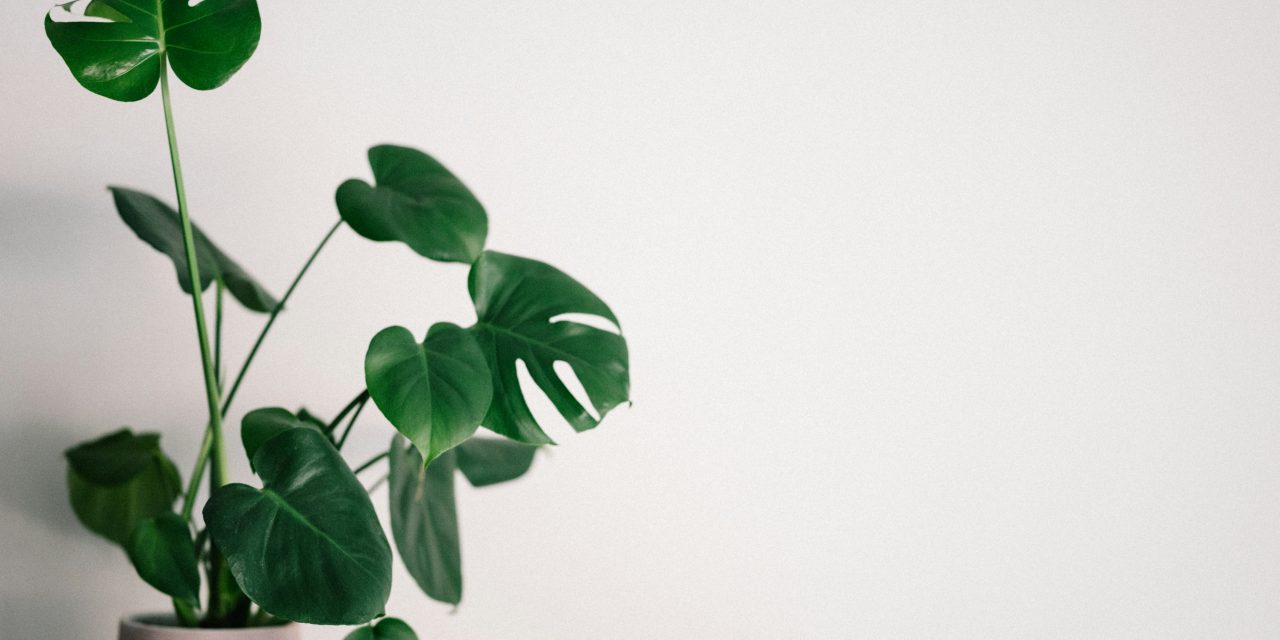
Philodendrons are celebrated for their stylish appearance and adaptability to various indoor environments. With numerous species available, these plants feature heart-shaped leaves that can vary in size and color depending on the variety chosen. Philodendrons thrive in bright indirect light but can also tolerate lower light conditions.
Caring for Philodendrons involves watering when the top inch of soil feels dry and providing well-draining soil to prevent root rot. These plants are known for their ability to purify indoor air by removing harmful toxins such as formaldehyde and xylene. With their lush foliage and minimal care requirements, Philodendrons are perfect for both novice gardeners and seasoned plant enthusiasts alike.
Jade Plant (Crassula ovata): The Lucky Money Plant
The Jade Plant, scientifically known as Crassula ovata, is often referred to as the “money plant” due to its association with prosperity and good fortune in various cultures. This succulent features thick, fleshy leaves that store water, allowing it to thrive with minimal care requirements. Jade Plants prefer bright light but can adapt to lower light conditions as well.
Caring for a Jade Plant involves watering when the soil feels dry and ensuring proper drainage to prevent root rot. These plants are slow-growing but can live for decades with proper care. Jade Plants are also known for their air-purifying properties, making them an excellent addition to any indoor space seeking both beauty and health benefits.
Cast Iron Plant (Aspidistra elatior): The Indestructible Greenery
The Cast Iron Plant, scientifically known as Aspidistra elatior, lives up to its name by being one of the most resilient indoor plants available. This hardy species can tolerate neglect, low light conditions, and varying humidity levels without suffering damage. Its broad green leaves create a lush appearance that enhances any indoor environment.
Caring for a Cast Iron Plant involves minimal effort; it prefers well-draining soil and should be watered when the top layer feels dry. This plant is particularly suitable for individuals who may not have a green thumb or those who travel frequently due to its forgiving nature. With proper placement and care, the Cast Iron Plant can thrive for years while adding greenery to any space.
Tips for Caring for Your Easy-Care Indoor Plants
To ensure your easy-care indoor plants thrive, consider implementing these essential tips:
1. **Lighting**: Understand the light requirements of each plant species; some prefer bright indirect light while others thrive in low-light conditions.
2. **Watering**: Avoid overwatering by allowing the top inch of soil to dry out before watering again; this prevents root rot.
3. **Soil**: Use well-draining potting mix tailored to each plant’s needs; succulents require different soil than tropical plants.
4. **Humidity**: Monitor humidity levels; some plants thrive in higher humidity while others prefer drier conditions.
5. **Fertilization**: Fertilize during the growing season with a balanced fertilizer to promote healthy growth.
6. **Pruning**: Regularly prune dead or yellowing leaves to encourage new growth and maintain aesthetics.
7. **Pest Control**: Keep an eye out for pests such as spider mites or aphids; treat infestations promptly with insecticidal soap or neem oil.
In summary, easy-care indoor plants offer an accessible way for individuals to enhance their living spaces while enjoying the numerous benefits of greenery without extensive maintenance requirements. From the resilient Snake Plant to the elegant Peace Lily, each species provides unique characteristics that cater to various preferences and lifestyles. By following simple care guidelines and selecting suitable varieties, anyone can cultivate a thriving indoor garden that contributes positively to their environment and well-being.
FAQs
What are the benefits of having indoor house plants?
Indoor house plants offer numerous benefits, including improving air quality by filtering toxins, increasing humidity, and enhancing mood and productivity. They can also reduce stress and promote relaxation, making them a great addition to any living space.
How do I choose the right indoor plants for my home?
When selecting indoor plants, consider factors such as light availability, humidity levels, and your ability to care for them. Low-light plants like snake plants and pothos are ideal for dim areas, while succulents thrive in bright, direct sunlight. Additionally, assess your watering habits to choose plants that match your maintenance style.
How often should I water my indoor plants?
The frequency of watering indoor plants varies based on the type of plant, pot size, and environmental conditions. Generally, it’s best to check the soil moisture before watering; if the top inch of soil is dry, it’s time to water. Overwatering is a common mistake, so ensure pots have drainage holes to prevent root rot.
What are some common indoor plants that are easy to care for?
Some popular and easy-to-care-for indoor plants include pothos, snake plants, ZZ plants, peace lilies, and spider plants. These plants are known for their resilience and ability to thrive in various indoor conditions, making them perfect for beginners.
Can indoor plants help with allergies?
Yes, certain indoor plants can help reduce allergens in the air by filtering out pollutants and increasing humidity. Plants like peace lilies and spider plants are known for their air-purifying qualities, which can contribute to a healthier indoor environment for allergy sufferers.