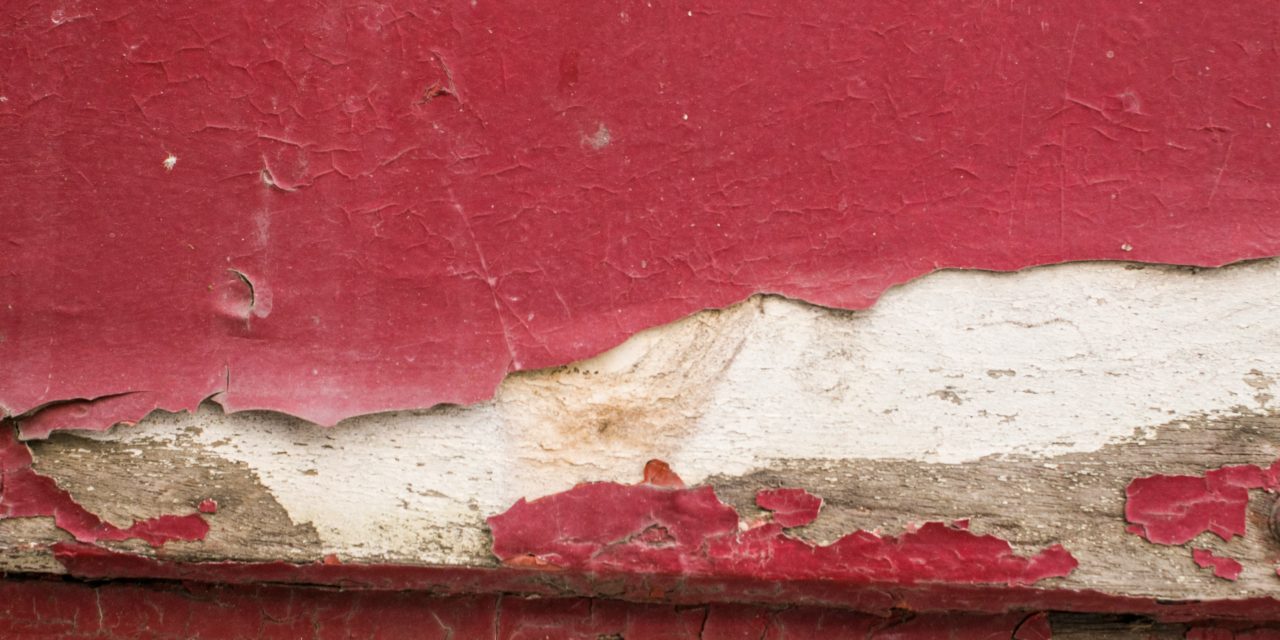
Paint peeling is a common issue that homeowners encounter, often leading to unsightly walls and the need for costly repairs. The phenomenon occurs when the bond between the paint and the underlying surface weakens, causing the paint to lift away from the substrate. This detachment can manifest in various forms, including bubbling, cracking, and flaking. Understanding the fundamental reasons behind paint peeling is crucial for effective prevention and remediation.
The adhesion of paint relies on several factors, including surface preparation, environmental conditions, and the quality of materials used. When these elements are compromised, the integrity of the paint film is jeopardized. Consequently, peeling not only detracts from the aesthetic appeal of a space but can also expose underlying materials to moisture and damage, leading to more severe structural issues over time.
Common Causes of Paint Peeling on Walls
Several factors contribute to the peeling of paint on walls, each requiring careful consideration. One prevalent cause is moisture intrusion, which can stem from leaks, high humidity levels, or inadequate ventilation. When moisture penetrates the paint layer, it disrupts the bond between the paint and the wall surface, leading to peeling.
Another significant factor is improper surface preparation prior to painting. Surfaces that are dirty, greasy, or inadequately primed can prevent paint from adhering effectively. Additionally, applying paint over old, peeling layers without proper removal can exacerbate the problem. Understanding these common causes is essential for homeowners seeking to maintain their interiors and avoid costly repainting projects.
The Role of Moisture in Paint Peeling

Moisture plays a pivotal role in the deterioration of paint adhesion. When water infiltrates walls—whether through leaks, condensation, or high humidity—it creates an environment conducive to peeling. The presence of moisture can lead to mold growth and structural damage if left unaddressed.
In environments with high humidity levels, such as bathrooms or kitchens, it is crucial to ensure proper ventilation to mitigate moisture buildup. Utilizing dehumidifiers can also help control indoor humidity levels. Homeowners should regularly inspect areas prone to moisture accumulation and address any leaks promptly to prevent paint peeling and maintain a healthy living environment.
How Poor Surface Preparation Leads to Peeling

Surface preparation is a critical step in any painting project that significantly influences the longevity of the finish. Failing to adequately clean and prepare surfaces can result in poor adhesion and subsequent peeling. Dust, dirt, grease, and old paint residues can create barriers that prevent new paint from bonding effectively.
Before painting, it is essential to thoroughly clean surfaces using appropriate cleaning agents and techniques. Sanding rough areas and filling in cracks or holes with spackle or caulk can create a smooth foundation for paint application. Additionally, applying a suitable primer can enhance adhesion and improve the overall durability of the paint finish.
Impact of Using Low-Quality Paint
The quality of paint used in a project directly affects its performance and longevity. Low-quality paints often contain inferior binders and pigments that compromise adhesion and durability. These paints may be more susceptible to fading, chipping, and peeling over time.
Investing in high-quality paints formulated for specific applications can yield significant long-term benefits. Premium paints typically offer better coverage, enhanced durability, and improved resistance to environmental factors such as moisture and temperature fluctuations. Homeowners should prioritize quality over cost when selecting paint to ensure lasting results.
Effects of Temperature and Humidity on Paint Adhesion
Temperature and humidity levels significantly influence paint adhesion during application and drying processes. Extreme temperatures—whether too hot or too cold—can hinder proper drying and curing of paint films. High humidity levels can also lead to moisture entrapment within the paint layer, resulting in peeling.
To achieve optimal results, it is advisable to paint during moderate weather conditions. Ideally, temperatures should range between 50°F and 85°F (10°C to 29°C) with relative humidity levels below 70%. Monitoring weather conditions before embarking on a painting project can help ensure that the paint adheres properly and maintains its integrity over time.
Identifying Signs of Paint Peeling Early
Early detection of paint peeling can save homeowners from extensive repairs and costs associated with repainting. Signs of impending peeling may include bubbling or blistering on the surface, discoloration, or visible cracks in the paint film. Regular inspections of walls—especially in high-moisture areas—can help identify these issues before they escalate.
Homeowners should also be vigilant about monitoring changes in their living environment that may contribute to peeling, such as leaks or increased humidity levels. Addressing these concerns promptly can mitigate further damage and prolong the life of painted surfaces.
How to Properly Remove Peeling Paint
Removing peeling paint requires careful attention to detail to ensure a smooth surface for repainting. The first step involves scraping away loose or flaking paint using a putty knife or scraper. It is essential to work gently to avoid damaging the underlying surface.
After scraping, sanding the area with fine-grit sandpaper can help create a smooth transition between intact paint and bare substrate. Following this, it is advisable to clean the surface thoroughly to remove dust and debris before applying primer or new paint. Proper removal techniques are crucial for achieving a professional finish that resists future peeling.
Steps to Prepare Walls for Repainting
Preparing walls for repainting involves several critical steps that ensure optimal adhesion and durability of the new paint layer. First, homeowners should inspect surfaces for any signs of damage or deterioration that may require repair before painting begins.
Next, cleaning surfaces with soap and water or a suitable cleaning solution will remove dirt and grease that could hinder adhesion. Once cleaned, sanding rough areas will create a smooth surface for painting. Applying a high-quality primer tailored for the specific wall type will enhance adhesion and improve overall results.
Choosing the Right Paint and Primer for Lasting Results
Selecting appropriate paint and primer is vital for achieving lasting results in any painting project. Homeowners should consider factors such as surface type (drywall, wood, metal), desired finish (matte, satin, gloss), and environmental conditions when making their choices.
High-quality primers designed for specific applications can significantly enhance adhesion and durability. Similarly, selecting premium paints formulated for interior or exterior use will provide better coverage and resistance to environmental factors such as moisture and UV exposure.
Preventative Measures to Avoid Future Paint Peeling
Preventing future paint peeling involves implementing several proactive measures that address underlying issues contributing to deterioration. Regular maintenance checks for leaks or signs of moisture intrusion are essential in preserving painted surfaces.
Additionally, ensuring proper ventilation in high-moisture areas can help mitigate humidity-related problems. Homeowners should also consider using high-quality paints and primers specifically designed for their environment to enhance durability and resistance against peeling.
In summary, understanding the causes of paint peeling is crucial for effective prevention and remediation strategies. Moisture intrusion, poor surface preparation, low-quality materials, temperature fluctuations, and humidity levels all play significant roles in this issue. By identifying early signs of peeling, employing proper removal techniques, preparing surfaces adequately for repainting, selecting high-quality products, and implementing preventative measures, homeowners can maintain their interiors effectively while avoiding costly repairs in the future.
FAQs
What are the common causes of paint peeling off walls?
Common causes of paint peeling include moisture buildup, poor surface preparation, using low-quality paint, and applying paint in unsuitable weather conditions. Additionally, temperature fluctuations and inadequate ventilation can contribute to the problem.
How can moisture lead to paint peeling?
Moisture can seep into walls from leaks, high humidity, or condensation, causing the paint to lose adhesion. When water gets trapped behind the paint, it can create bubbles and eventually lead to peeling as the paint separates from the surface.
What steps can I take to fix peeling paint?
To fix peeling paint, start by scraping off the loose paint, then clean the surface to remove dust and debris. Repair any underlying issues, such as leaks or moisture problems, and ensure the surface is dry. Finally, apply a primer before repainting with high-quality paint suitable for the environment.
Is it necessary to use a primer before repainting?
Yes, using a primer is essential, especially if the surface has been previously painted or if you’re painting over a different color. Primer helps improve paint adhesion, seals the surface, and can prevent future peeling by providing a stable base for the topcoat.
Can I prevent paint peeling in the future?
To prevent future paint peeling, ensure proper surface preparation before painting, use high-quality paint, and address any moisture issues in your home. Additionally, maintain good ventilation and control humidity levels to create a stable environment for your walls.