Rodent extermination is a critical aspect of pest management, particularly in urban and suburban environments where these mammals can thrive. Rodents, including species such as rats and mice, are notorious for their ability to reproduce rapidly and adapt to various living conditions. Their presence poses significant health risks, as they can transmit diseases through direct contact or contamination of food and surfaces. Effective rodent control involves a comprehensive approach that includes identification, prevention, and eradication strategies tailored to the specific environment.
The process of rodent extermination typically begins with a thorough inspection of the premises to identify signs of infestation, such as droppings, gnaw marks, and nesting materials. Once the extent of the problem is assessed, exterminators can implement targeted strategies that may include traps, bait stations, and exclusion techniques to prevent future incursions. Understanding the biology and behavior of rodents is essential for developing effective extermination plans that minimize risks to human health and property.
Common Types of Rodents and Their Impact
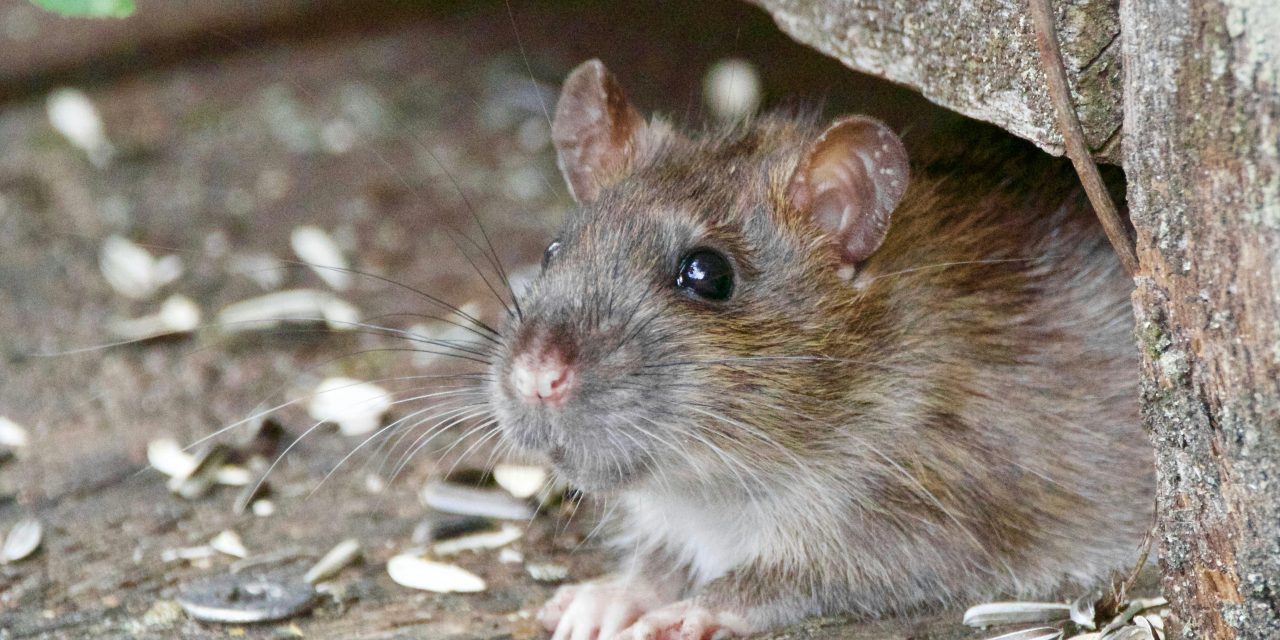
The most common rodent species encountered in residential and commercial settings include the Norway rat (Rattus norvegicus), roof rat (Rattus rattus), and house mouse (Mus musculus). Each species exhibits distinct behaviors and habitats, influencing their impact on human environments. Norway rats are typically found in basements and sewers, while roof rats prefer higher elevations such as attics and trees. House mice are highly adaptable and can thrive in various environments, often nesting in walls or furniture.
The impact of rodent infestations extends beyond mere nuisance; these pests can cause extensive property damage through gnawing on electrical wires, insulation, and structural components. Furthermore, rodents are vectors for numerous diseases, including hantavirus, leptospirosis, and salmonella. Their droppings and urine can contaminate food supplies and surfaces, posing serious health risks to humans and pets alike. Understanding the specific types of rodents present in an area is crucial for implementing effective control measures.
Factors Influencing Rodent Extermination Costs

Several factors contribute to the overall cost of rodent extermination services. The severity of the infestation is a primary determinant; larger infestations typically require more extensive treatment plans and resources. The type of rodent involved also plays a role; for instance, controlling a rat infestation may necessitate different strategies compared to a mouse problem. Additionally, the size and layout of the property can influence costs, as larger spaces may require more time and materials for effective treatment.
Geographical location is another significant factor affecting extermination costs. Urban areas with higher living costs may see elevated service fees compared to rural regions. Seasonal variations can also impact pricing; for example, demand for pest control services often increases during warmer months when rodents are more active. Understanding these factors can help property owners anticipate potential expenses associated with rodent extermination.
Average Price Range for Rodent Extermination Services

The average price range for rodent extermination services varies widely based on several factors previously discussed. On average, homeowners can expect to pay between $200 to $600 for initial treatments. This cost typically includes inspection, treatment application, and follow-up visits if necessary. For larger properties or severe infestations, costs can escalate to $1,000 or more.
It is essential to note that some companies may offer package deals that include ongoing monitoring and preventive measures at a discounted rate. These packages can provide long-term savings by addressing potential issues before they escalate into full-blown infestations. Property owners should obtain multiple quotes from reputable pest control companies to ensure they receive competitive pricing while maintaining high service standards.
DIY Rodent Extermination: Costs and Considerations
Many homeowners consider DIY rodent extermination as a cost-effective alternative to hiring professionals. The initial investment for DIY methods can be significantly lower, with basic traps costing as little as $5 to $20 each. Bait stations and repellents are also available at various price points, allowing homeowners to tailor their approach based on their budget.
However, while DIY methods may seem economical, they often come with limitations. Homeowners may lack the expertise to accurately identify the extent of an infestation or the specific species involved. Additionally, improper use of traps or poisons can pose risks to pets and children. Furthermore, without a comprehensive understanding of rodent behavior, DIY efforts may only provide temporary relief rather than a long-term solution. Therefore, it is crucial for homeowners to weigh the potential savings against the risks associated with inadequate pest control measures.
When comparing professional extermination services to DIY methods, it is essential to consider both immediate costs and long-term effectiveness. While DIY approaches may initially appear less expensive, they often lack the thoroughness and expertise provided by professional exterminators. Professionals typically conduct detailed inspections, utilize advanced techniques, and offer warranties on their services—benefits that DIY methods cannot match.
For instance, hiring a professional service may cost between $200 to $600 for initial treatments but can lead to more effective eradication of rodents due to their specialized knowledge and tools. In contrast, a homeowner attempting DIY methods may spend similar amounts on traps and baits without achieving satisfactory results. Ultimately, investing in professional extermination services can lead to greater peace of mind and long-term savings by preventing future infestations.
Additional Costs: Inspection, Prevention, and Follow-Up
In addition to the primary costs associated with rodent extermination, property owners should be aware of additional expenses related to inspection, prevention measures, and follow-up visits. A thorough inspection is crucial for identifying entry points and nesting sites; this service typically ranges from $50 to $150 depending on the property’s size and complexity.
Preventive measures are essential for ensuring long-term success in rodent control. Sealing entry points, installing screens on vents, and maintaining cleanliness can help deter future infestations. These preventive strategies may incur additional costs but are vital investments in safeguarding properties against recurring issues.
Follow-up visits are often necessary after initial treatments to monitor progress and address any remaining concerns. Many pest control companies include follow-up visits in their service packages; however, additional charges may apply if further treatments are required.
How Location Affects Rodent Extermination Pricing
Geographical location significantly influences rodent extermination pricing due to variations in demand for services and local living costs. Urban areas with higher population densities often experience increased rodent activity, leading to greater demand for pest control services. Consequently, extermination prices in cities may be higher than those in rural regions where infestations are less common.
Additionally, regional differences in labor costs and regulations can affect pricing structures. For example, states with stringent environmental regulations may require pest control companies to use specific methods or products that could increase operational costs—ultimately impacting consumer pricing.
Tips for Choosing a Cost-Effective Extermination Service
Selecting a cost-effective extermination service requires careful consideration of several factors beyond just price. Homeowners should prioritize companies with proven track records in rodent control; checking online reviews and testimonials can provide valuable insights into service quality.
It is also advisable to seek out companies that offer free inspections or estimates before committing to services. This allows homeowners to gauge the extent of the infestation without incurring upfront costs. Additionally, inquire about warranties or guarantees on services provided; reputable companies often stand behind their work with assurances that address potential re-infestations.
Lastly, consider companies that provide integrated pest management (IPM) approaches that focus on long-term prevention rather than solely reactive measures. These comprehensive strategies can lead to more sustainable solutions while potentially reducing overall costs over time.
Insurance and Warranty: What to Expect
When engaging pest control services for rodent extermination, understanding insurance coverage and warranty options is crucial for protecting your investment. Many reputable pest control companies carry liability insurance that protects homeowners from potential damages incurred during treatment processes.
Warranties offered by pest control companies vary widely; some may guarantee their services for a specified period while others provide ongoing monitoring as part of their packages. Homeowners should carefully review warranty terms to ensure they align with their expectations regarding follow-up treatments or re-infestation coverage.
It is also advisable to check whether homeowners’ insurance policies cover pest control expenses related to rodent infestations; some policies may include provisions for pest management under specific circumstances.
Long-Term Savings: Investing in Proper Rodent Control
Investing in proper rodent control measures yields significant long-term savings by preventing costly damages associated with infestations. Rodents can cause extensive destruction through gnawing on electrical wiring or structural components—potentially leading to fire hazards or costly repairs.
Moreover, effective rodent management reduces health risks associated with disease transmission through droppings or urine contamination. By prioritizing preventive measures such as sealing entry points and maintaining cleanliness around properties, homeowners can mitigate future infestations while safeguarding their health.
In conclusion, understanding the complexities surrounding rodent extermination is essential for making informed decisions regarding pest management strategies. By weighing the costs associated with professional services against DIY methods while considering factors such as location and additional expenses, property owners can develop effective plans tailored to their unique situations. Investing in comprehensive rodent control not only addresses immediate concerns but also fosters long-term savings through prevention and protection against future infestations.
FAQs
What factors influence the cost of rodent extermination?
The cost of rodent extermination can be influenced by several factors, including the severity of the infestation, the type of rodent being targeted, the size of the property, and the methods used for extermination. Additional costs may arise from necessary repairs to entry points or ongoing prevention measures.
How much does rodent extermination typically cost?
The average cost for rodent extermination ranges from $200 to $600, depending on the factors mentioned above. Initial inspections may cost between $100 and $300, while follow-up treatments can add to the overall expense.
Are there any additional costs associated with rodent extermination?
Yes, additional costs may include repairs to entry points, cleanup of droppings and nests, and preventive measures such as sealing cracks or installing traps. Some exterminators may also offer ongoing maintenance plans that can incur additional fees.
Is it possible to handle rodent extermination on my own?
While DIY methods for rodent control are available, they may not be as effective as professional extermination services. Homeowners can use traps and baits, but severe infestations often require the expertise of a licensed pest control professional to ensure complete eradication.
Does insurance cover the cost of rodent extermination?
Coverage for rodent extermination varies by insurance policy. Some homeowners’ insurance policies may cover pest control services if the infestation leads to property damage, while others may not. It’s advisable to check with your insurance provider for specific coverage details.