Mosquitoes are fascinating yet formidable insects that belong to the family Culicidae. They are primarily known for their role as vectors of various diseases, including malaria, dengue fever, Zika virus, and West Nile virus. Understanding their behavior and habitat is crucial for effective control and prevention strategies. Mosquitoes thrive in warm, humid environments, which facilitate their breeding and survival. They are most active during dawn and dusk, exhibiting crepuscular behavior, although some species may also be active during the day.
The habitat of mosquitoes is diverse, ranging from urban areas to rural landscapes. They prefer environments that provide ample opportunities for breeding, resting, and feeding. Female mosquitoes require blood meals for egg development, while males primarily feed on nectar. Their life cycle consists of four stages: egg, larva, pupa, and adult. Each stage has specific habitat requirements, making it essential to understand these dynamics for effective mosquito management.
Common Breeding Grounds in Your Yard
In residential areas, common breeding grounds for mosquitoes often include stagnant water sources. These can be as small as a discarded bottle cap or as large as a birdbath. Mosquitoes lay their eggs in standing water, where larvae can develop into pupae and eventually emerge as adults. Areas such as clogged gutters, flower pots with saucers, and poorly drained lawns can serve as ideal breeding sites.
To mitigate mosquito populations in your yard, it is vital to regularly inspect and eliminate potential breeding sites. This includes emptying containers that collect water, ensuring proper drainage in landscaping features, and maintaining clean gutters. By proactively managing these areas, homeowners can significantly reduce the likelihood of mosquito infestations.
The Role of Standing Water in Mosquito Proliferation

Standing water is the primary catalyst for mosquito proliferation. Female mosquitoes seek out stagnant water to deposit their eggs, which can hatch within 24 to 48 hours under optimal conditions. Even small amounts of water can support mosquito larvae, making it imperative to eliminate any standing water sources around your property.
To combat this issue effectively, homeowners should adopt a comprehensive approach that includes regular inspections of their property for standing water. This may involve checking for leaks in outdoor plumbing fixtures, ensuring that birdbaths are cleaned and refilled frequently, and maintaining proper drainage in landscaping features. Additionally, utilizing larvicides in larger bodies of water can help control mosquito populations before they reach adulthood.
How Weather Conditions Affect Mosquito Populations

Weather conditions play a significant role in influencing mosquito populations. Warm temperatures and high humidity levels create an ideal environment for mosquito activity and reproduction. Mosquitoes thrive in temperatures ranging from 70°F to 90°F (21°C to 32°C), with increased activity observed during warm summer months.
Rainfall patterns also impact mosquito populations; heavy rains can create new breeding sites by pooling water, while prolonged dry spells can reduce their numbers. Understanding local weather patterns can help homeowners anticipate mosquito activity and take preventive measures accordingly. For instance, after heavy rainfall, it is crucial to inspect your yard for new standing water sources that may have formed.
Impact of Yard Landscaping on Mosquito Presence
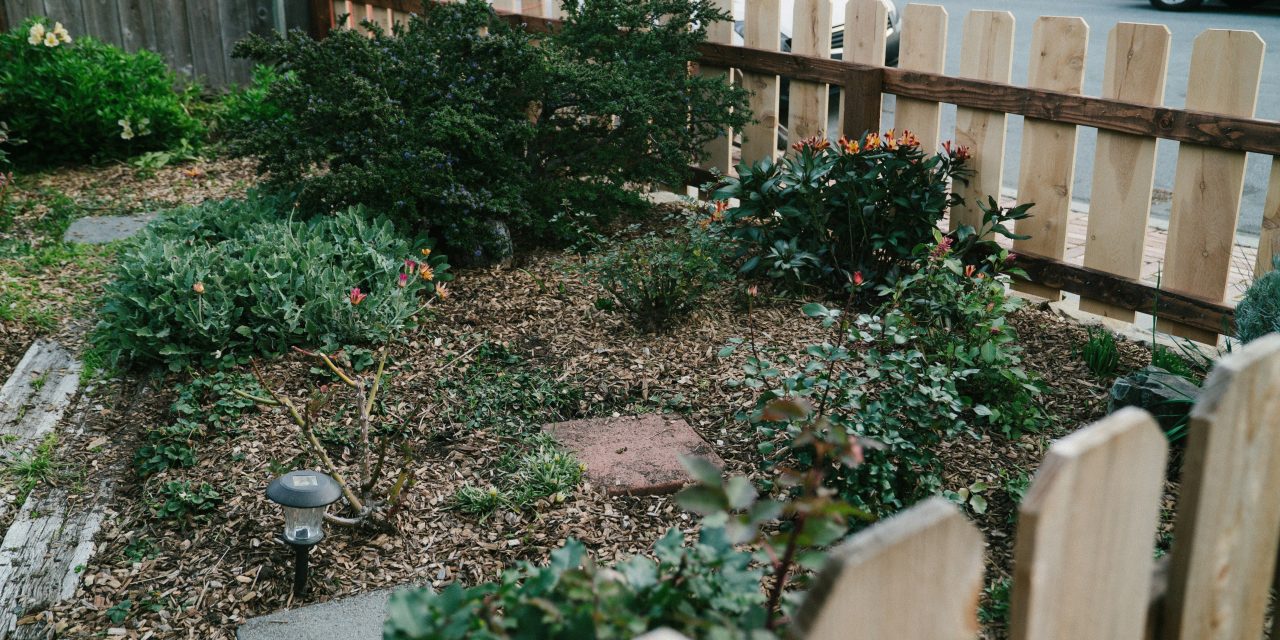
Yard landscaping can significantly influence mosquito presence. Dense vegetation provides shelter and resting sites for adult mosquitoes, while poorly maintained gardens can create microhabitats conducive to breeding. Overgrown shrubs and tall grasses can trap moisture and create shaded areas where mosquitoes thrive.
To minimize mosquito presence through landscaping, homeowners should consider implementing strategic design choices. This includes maintaining a well-trimmed lawn, selecting plants that do not retain excessive moisture, and incorporating hardscaping elements such as gravel or stone pathways that promote drainage. Additionally, planting mosquito-repellent flora such as citronella or marigolds can further deter these pests.
The Influence of Nearby Vegetation and Shade
Nearby vegetation plays a dual role in mosquito ecology; it can provide both breeding habitats and resting sites. Dense foliage offers shade and protection from predators, allowing adult mosquitoes to remain active during the day. Areas with abundant vegetation are often more susceptible to mosquito infestations due to the microclimates they create.
To mitigate the influence of nearby vegetation on mosquito populations, homeowners should consider strategic landscaping practices that promote airflow and sunlight penetration. Thinning out dense shrubbery and maintaining a diverse plant palette can help reduce humidity levels in the yard. Additionally, creating open spaces with sunlight exposure can discourage mosquitoes from establishing themselves in your outdoor environment.
How Human Activity Can Attract Mosquitoes
Human activity significantly influences mosquito attraction and proliferation. Factors such as outdoor gatherings, improperly disposed waste, and even personal scents can draw mosquitoes into residential areas. Activities like barbecues or pool parties often lead to increased mosquito encounters due to the presence of standing water from coolers or containers left unattended.
To minimize human-related attractions for mosquitoes, individuals should adopt preventive measures such as using insect repellents containing DEET or picaridin when spending time outdoors. Additionally, ensuring that food waste is properly disposed of and that standing water is eliminated can help reduce the likelihood of attracting these pests.
The Effect of Pets and Wildlife on Mosquito Numbers
Pets and wildlife can also influence mosquito populations in residential areas. Animals such as dogs and cats may inadvertently create breeding sites by leaving standing water in their bowls or through their activities in the yard. Additionally, wildlife such as birds or raccoons may contribute to the presence of stagnant water through their nesting habits.
To manage the impact of pets and wildlife on mosquito numbers, pet owners should regularly clean pet bowls and ensure they do not leave standing water outside for extended periods. Installing barriers or fencing can also help deter wildlife from accessing certain areas of the yard where standing water may accumulate.
Seasonal Patterns and Mosquito Life Cycles
Mosquito populations exhibit distinct seasonal patterns influenced by temperature and precipitation levels. In temperate regions, adult mosquitoes typically emerge in late spring or early summer when conditions become favorable for breeding. Their life cycle progresses rapidly during warm months but slows down significantly during colder seasons when temperatures drop below freezing.
Understanding these seasonal patterns allows homeowners to implement targeted control measures at critical times throughout the year. For instance, early spring is an ideal time to inspect yards for potential breeding sites before populations peak during summer months.
Identifying Mosquito Species Common in Your Area
Identifying common mosquito species in your area is essential for effective management strategies. Different species exhibit varying behaviors and preferences for breeding habitats. For example, Aedes aegypti is known for its association with urban environments and preference for artificial containers, while Culex pipiens thrives in natural wetlands.
Local health departments often provide resources for identifying prevalent species in specific regions. Homeowners can benefit from understanding the characteristics of these species to tailor their control efforts effectively.
Effective Strategies to Reduce Mosquitoes in Your Yard
Implementing effective strategies to reduce mosquito populations requires a multifaceted approach that combines habitat management with personal protection measures. Key strategies include:
1. **Eliminating Standing Water**: Regularly inspect your yard for stagnant water sources and eliminate them promptly.
2. **Using Larvicides**: Apply larvicides to larger bodies of water that cannot be drained to prevent larvae from maturing into adults.
3. **Maintaining Landscaping**: Keep your yard well-maintained by trimming vegetation and promoting airflow.
4. **Incorporating Repellent Plants**: Plant mosquito-repellent flora such as citronella grass or lavender.
5. **Utilizing Insect Repellents**: Use EPA-approved insect repellents containing DEET or picaridin when outdoors.
6. **Installing Screens**: Ensure windows and doors are fitted with screens to prevent mosquitoes from entering your home.
7. **Professional Pest Control**: Consider hiring pest control professionals for comprehensive assessments and treatments tailored to your specific needs.
In conclusion, understanding mosquito behavior and habitat is crucial for effective management strategies aimed at reducing their populations around residential areas. By addressing common breeding grounds, eliminating standing water sources, considering landscaping impacts, and implementing preventive measures based on seasonal patterns, homeowners can significantly mitigate the risks associated with these pests while enjoying their outdoor spaces safely.
FAQs
What attracts mosquitoes to my yard?
Mosquitoes are attracted to areas with standing water, as they require it for breeding. They are also drawn to carbon dioxide, body heat, and certain scents, including sweat and floral fragrances. Dense vegetation and shade can provide ideal resting spots for mosquitoes during the day.
How can I reduce mosquito populations in my yard?
To reduce mosquito populations, eliminate standing water by regularly emptying containers, cleaning gutters, and ensuring proper drainage. You can also use mosquito repellents, install screens on windows and doors, and consider planting mosquito-repelling plants like citronella, lavender, and marigolds.
What time of day are mosquitoes most active?
Mosquitoes are typically most active during dawn and dusk. This is when temperatures are cooler, and humidity levels are higher, making it an ideal time for them to feed. However, some species may also be active during the day, especially in shaded areas.
Do certain plants help repel mosquitoes?
Yes, certain plants can help repel mosquitoes. Examples include citronella grass, lavender, marigolds, basil, and peppermint. Planting these around your yard can create a natural barrier against mosquitoes and reduce their presence.
Can weather conditions influence mosquito populations?
Yes, weather conditions significantly influence mosquito populations. Warm, humid weather creates ideal breeding conditions, while heavy rainfall can lead to increased standing water. Conversely, cold temperatures can reduce mosquito activity and populations, as they become dormant or die off in winter.