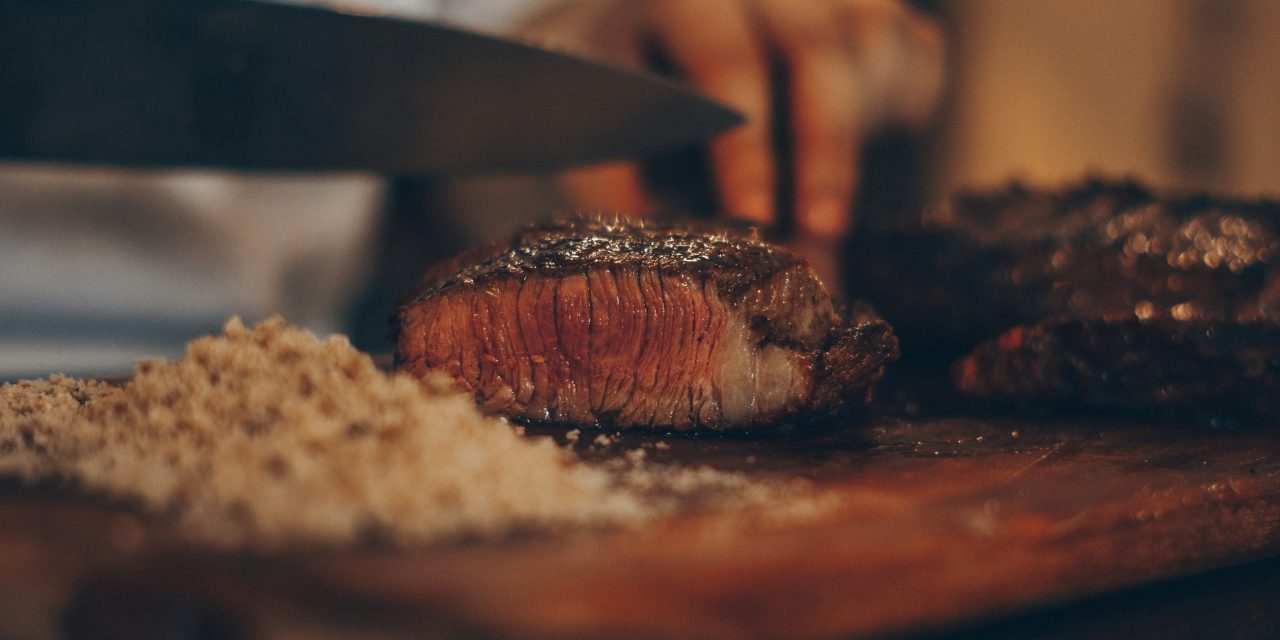
The term “against the grain” refers to the orientation of muscle fibers in meat. Each cut of meat contains long strands of muscle fibers, which can significantly influence the texture and tenderness of the final product. When slicing meat, cutting against the grain means positioning your knife perpendicular to these fibers. This technique is crucial for achieving a more tender bite, as it shortens the muscle fibers, making them easier to chew. Conversely, slicing with the grain can result in longer strands that are tougher and more challenging to consume.
Understanding the grain is essential for both culinary professionals and home cooks alike. The grain can vary significantly between different types of meat and even within a single cut. For instance, beef brisket has a distinct grain that runs in one direction, while pork tenderloin may have a different orientation. Recognizing these patterns allows cooks to maximize the tenderness of their dishes, enhancing the overall dining experience.
Why Slicing Against the Grain Makes Meat More Tender
Slicing against the grain is a fundamental technique that enhances the tenderness of meat. When meat is cooked, the muscle fibers contract and become firmer. By cutting against the grain, you effectively shorten these fibers, making them less chewy and easier to break down during chewing. This is particularly important for tougher cuts of meat, such as flank steak or brisket, where the muscle fibers are more pronounced.
Moreover, slicing against the grain can also improve the overall flavor perception of the meat. When fibers are cut short, they release juices more readily during chewing, allowing for a more flavorful experience. This technique not only enhances tenderness but also contributes to a more enjoyable mouthfeel, making each bite more satisfying.
Identifying the Grain Direction in Different Cuts of Meat

Identifying the grain direction is crucial for successful slicing. Different cuts of meat exhibit varying grain patterns, which can be discerned by examining the surface of the meat. For example, in beef cuts like ribeye or sirloin, the grain typically runs in a consistent direction along the length of the cut. In contrast, cuts like pork shoulder may have a more complex grain structure due to the intermingling of muscle fibers.
To identify the grain direction effectively, look for the lines or striations on the surface of the meat. These lines indicate the orientation of the muscle fibers. Once you have determined the direction, you can confidently slice against it to achieve optimal tenderness. Additionally, using a magnifying glass or bright lighting can help reveal subtle grain patterns that may not be immediately visible.
Tools You Need for Perfect Slices

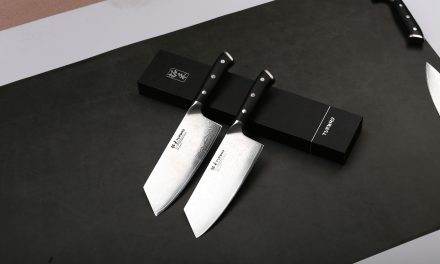
Achieving perfect slices requires specific tools that enhance precision and control during cutting. A sharp chef’s knife is essential for clean cuts; dull blades can tear rather than slice through muscle fibers, compromising tenderness. A carving knife or slicer can also be beneficial for larger cuts of meat, providing longer blades that facilitate smooth slicing.
In addition to knives, a sturdy cutting board is vital for stability while slicing. Opt for a board made from wood or plastic that provides a non-slip surface. A meat fork or tongs can help stabilize larger cuts during slicing, ensuring safety and accuracy. Finally, a honing steel or knife sharpener should be part of your toolkit to maintain blade sharpness over time.
Preparing the Meat Before Slicing
Preparation is key to achieving optimal results when slicing meat. Before cutting, allow the meat to rest after cooking; this step is crucial as it enables juices to redistribute throughout the fibers. Resting typically takes about 10-15 minutes for smaller cuts and up to 30 minutes for larger roasts. This process prevents juices from spilling out when sliced, resulting in a juicier final product.
Additionally, consider trimming excess fat or silverskin before cooking. While some fat adds flavor and moisture during cooking, excessive amounts can lead to an unappealing texture when sliced. Removing silverskin—a tough connective tissue—will also enhance tenderness and improve overall mouthfeel.
Techniques for Holding and Stabilizing the Meat
Proper techniques for holding and stabilizing meat during slicing are essential for safety and precision. Use a clean kitchen towel or paper towel to grip the meat firmly without slipping. Alternatively, employ a meat fork or tongs to hold larger cuts securely in place while you slice.
When stabilizing meat, ensure that your cutting board is on a flat surface to prevent any movement during slicing. If necessary, place a damp cloth underneath your cutting board to create friction and prevent slipping. This stability allows for controlled movements and reduces the risk of accidents while handling sharp knives.
Step-by-Step Guide to Slicing Against the Grain
To slice against the grain effectively, follow these steps:
1. **Identify the Grain**: Examine your cut of meat closely to determine the direction of muscle fibers.
2. **Rest the Meat**: Allow cooked meat to rest for 10-30 minutes before slicing.
3. **Prepare Your Tools**: Gather your sharp knife, cutting board, and any stabilizing tools.
4. **Position the Meat**: Place the meat on your cutting board with the grain facing you.
5. **Angle Your Knife**: Hold your knife at a slight angle (about 45 degrees) to create wider slices.
6. **Slice with Confidence**: Begin slicing at one end of the cut, applying even pressure as you move through the meat.
7. **Maintain Consistency**: Aim for uniform thickness in each slice (typically 1/4 inch) for even cooking and presentation.
8. **Serve Immediately**: Arrange slices on a platter or plate for serving.
Common Mistakes to Avoid When Slicing Meat
Several common mistakes can hinder your ability to slice meat effectively and achieve optimal tenderness. One frequent error is neglecting to rest cooked meat before slicing; this can lead to dry slices as juices escape prematurely. Additionally, using a dull knife can result in tearing rather than clean cuts, compromising texture.
Another mistake is failing to identify the grain direction accurately; slicing with the grain will yield tougher pieces that are less enjoyable to eat. Lastly, cutting slices that are too thick can make chewing difficult; aim for uniform thickness to enhance tenderness and flavor.
How Thickness of Slices Affects Tenderness and Flavor
The thickness of your slices plays a significant role in both tenderness and flavor perception. Thinner slices (approximately 1/4 inch) allow for easier chewing and greater surface area exposure to marinades or sauces, enhancing flavor absorption. This is particularly important for tougher cuts of meat that benefit from marinating before cooking.
Conversely, thicker slices may retain more moisture but can be challenging to chew if not cooked properly. For optimal results, consider adjusting slice thickness based on the cut of meat and cooking method employed; this ensures that each bite delivers maximum tenderness and flavor.
Using Sliced Meat in Recipes for Maximum Tenderness
Sliced meat can be utilized in various recipes that highlight its tenderness and flavor profile. For instance, incorporating sliced beef into stir-fries allows for quick cooking while maintaining juiciness; pairing with vegetables and sauces enhances overall taste. Similarly, using sliced pork in tacos or sandwiches provides versatility while showcasing its tender texture.
Additionally, consider using sliced meats in salads or grain bowls; this not only adds protein but also elevates dish complexity through contrasting textures and flavors. Experimenting with marinades or sauces can further enhance tenderness while introducing new flavor dimensions.
Tips for Storing and Reheating Sliced Meat Without Losing Texture
Proper storage and reheating techniques are essential for maintaining texture in sliced meat. To store leftovers, place them in an airtight container in the refrigerator; this prevents moisture loss and preserves flavor integrity. For longer storage periods, consider freezing sliced meat in vacuum-sealed bags to prevent freezer burn.
When reheating sliced meat, opt for gentle methods such as steaming or using a microwave with low power settings; this minimizes moisture loss while ensuring even heating throughout. Avoid high temperatures that can lead to toughening; instead, aim for gradual warming until just heated through.
In summary, understanding how to slice against the grain is crucial for achieving tender and flavorful meat dishes. By recognizing grain direction, utilizing proper tools, preparing meat adequately, and employing effective slicing techniques, cooks can enhance their culinary creations significantly. Avoiding common mistakes and considering slice thickness further contributes to an enjoyable dining experience while maximizing tenderness and flavor in every bite.
FAQs
What does it mean to slice meat against the grain?
Slicing meat against the grain means cutting perpendicular to the direction of the muscle fibers. This technique shortens the fibers, making the meat more tender and easier to chew.
Why is slicing against the grain important for tenderness?
Slicing against the grain is important because it reduces the length of the muscle fibers in the meat. Longer fibers can make the meat chewy and tough, while shorter fibers result in a more tender bite.
How can I identify the grain of the meat?
The grain of the meat can be identified by looking for the lines or striations in the muscle. These lines indicate the direction of the fibers. You can also feel the texture of the meat to determine the grain direction.
What types of meat benefit most from being sliced against the grain?
Meats that are typically tougher, such as flank steak, brisket, and certain cuts of pork, benefit the most from being sliced against the grain. These cuts have longer muscle fibers that can be made more tender through proper slicing.
Can I use this technique on cooked meat as well?
Yes, slicing against the grain can be applied to both raw and cooked meat. In fact, it is especially important to slice cooked meat against the grain to ensure maximum tenderness and enhance the eating experience.