Before embarking on the journey of creating a sustainable garden, it is imperative to conduct a thorough assessment of your front yard space and soil composition. Begin by evaluating the dimensions of your yard, noting the amount of sunlight it receives throughout the day. This information is crucial as it will dictate the types of plants that can thrive in your garden. For instance, areas that receive full sun (6-8 hours of sunlight) are ideal for sun-loving species, while shaded spots may require shade-tolerant varieties.
Next, analyze the soil quality. Conducting a soil test can provide valuable insights into pH levels, nutrient content, and organic matter. A balanced pH (between 6.0 and 7.0) is generally conducive for most plants. If your soil is too acidic or alkaline, amendments such as lime or sulfur can be added to adjust the pH. Additionally, understanding the soil texture—whether sandy, clayey, or loamy—will help determine its drainage capabilities and nutrient retention. This foundational knowledge will guide your plant selection and garden design.
Choosing Drought-Tolerant and Native Plants
Selecting the right plants is a pivotal step in establishing a resilient garden. Drought-tolerant and native plants are particularly advantageous as they are adapted to local climate conditions and require less water once established. Native species often have deeper root systems, allowing them to access moisture from deeper soil layers, making them more resilient during dry spells.
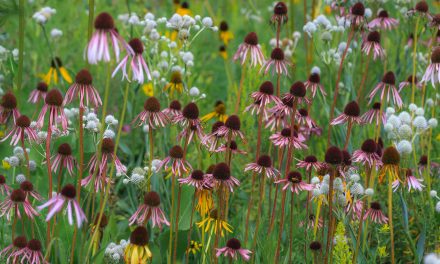
When choosing plants, consider incorporating a variety of species that bloom at different times throughout the growing season. This not only enhances visual appeal but also supports local pollinators such as bees and butterflies. Examples of drought-tolerant native plants include lavender, sage, and coneflower. These species not only thrive in arid conditions but also contribute to biodiversity, creating a harmonious ecosystem in your front yard.
Planning a Simple and Functional Garden Layout

A well-thought-out garden layout is essential for maximizing both aesthetics and functionality. Begin by sketching a rough design of your garden space, taking into account existing features such as walkways, trees, and structures. Consider creating distinct zones within your garden for various purposes—such as a seating area for relaxation or a small vegetable patch for homegrown produce.
Incorporate pathways to facilitate movement through the garden while ensuring accessibility for maintenance tasks. Curved paths can create a more inviting atmosphere compared to straight lines, guiding visitors through the landscape. Additionally, layering plants by height can create visual interest; taller plants should be placed at the back or center of beds, with shorter varieties in front. This strategic arrangement not only enhances aesthetics but also ensures that all plants receive adequate sunlight.
Preparing the Soil for Optimal Plant Growth

Once you have assessed your yard and planned your layout, it is time to prepare the soil for planting. Start by clearing the area of any debris, weeds, or unwanted vegetation that may compete with your new plants for nutrients and water. Following this, amend the soil with organic matter such as compost or well-rotted manure to improve its structure and fertility.
Tilling the soil to a depth of at least 12 inches will help aerate it and promote healthy root development. This process also allows for better drainage and nutrient absorption. If your soil is particularly compacted or clay-heavy, consider incorporating sand or perlite to enhance drainage capabilities. After preparing the soil, allow it to rest for a few days before planting to let any disturbances settle.
Installing Efficient Irrigation Systems
Efficient irrigation systems are crucial for maintaining a sustainable garden, especially in regions prone to drought. Traditional sprinkler systems can be wasteful; therefore, consider installing drip irrigation or soaker hoses that deliver water directly to the plant roots. This method minimizes evaporation and runoff while ensuring that water reaches where it is needed most.
When designing your irrigation system, take into account the specific water requirements of each plant species. Grouping plants with similar watering needs together can optimize water usage and reduce maintenance efforts. Additionally, incorporating rain barrels to collect runoff from gutters can provide an eco-friendly water source for your garden during dry spells.
Using Mulch to Retain Moisture and Suppress Weeds
Mulching is an effective technique for conserving soil moisture and suppressing weed growth in your garden. Organic mulches such as wood chips, straw, or shredded leaves not only retain moisture but also break down over time, enriching the soil with nutrients. A layer of mulch approximately 2-4 inches thick is generally recommended to achieve optimal results.
In addition to moisture retention, mulch acts as a barrier against weeds by blocking sunlight from reaching their seeds. This reduces competition for resources between your desired plants and unwanted vegetation. Regularly replenishing mulch as it decomposes will ensure continued effectiveness throughout the growing season.
Selecting Low-Maintenance Ground Covers
Ground covers are an excellent solution for filling in bare spots in your garden while minimizing maintenance requirements. These low-growing plants spread quickly and can effectively suppress weeds while providing aesthetic appeal. When selecting ground covers, opt for varieties that are well-suited to your climate and soil conditions.
Some popular low-maintenance ground covers include creeping thyme, sedum, and ajuga. These species not only thrive in various conditions but also require minimal watering once established. Additionally, ground covers can help prevent soil erosion on slopes or areas with heavy foot traffic, making them a practical choice for enhancing garden functionality.
Incorporating Hardscaping Elements for Structure
Hardscaping elements such as patios, walkways, and retaining walls add structure and functionality to your garden design. These features can create defined spaces for seating or entertaining while enhancing the overall aesthetic appeal of your front yard. Materials such as stone, brick, or concrete can be used to construct durable hardscaping elements that complement your plant selections.
Incorporating raised beds is another effective hardscaping technique that can improve drainage and make gardening more accessible. Raised beds can be constructed from various materials including wood or stone and can be filled with high-quality soil for optimal plant growth. Additionally, integrating decorative elements such as trellises or arbors can provide vertical interest while supporting climbing plants.
Implementing Smart Plant Grouping Techniques
Smart plant grouping techniques involve arranging plants based on their specific needs and characteristics to create a harmonious garden environment. Grouping plants with similar water requirements together not only conserves water but also simplifies maintenance tasks such as watering and fertilizing.
Consider incorporating companion planting strategies where certain plants benefit each other when grown in proximity. For example, planting marigolds alongside vegetables can deter pests while enhancing overall plant health. Additionally, varying plant heights and textures within groups can create visual interest while promoting biodiversity within your garden ecosystem.
Regular but Minimal Pruning and Maintenance Tips
Maintaining a thriving garden requires regular attention; however, this does not mean extensive labor is necessary. Implementing minimal pruning techniques can help keep plants healthy without overwhelming maintenance demands. Focus on removing dead or diseased branches to promote airflow and prevent pest infestations.
Timing is crucial when it comes to pruning; late winter or early spring is often ideal for many deciduous plants before new growth begins. Additionally, deadheading spent flowers encourages further blooming while maintaining a tidy appearance in your garden. Regularly monitoring plant health will allow you to address any issues promptly before they escalate into larger problems.
Seasonal Care to Keep Your Garden Thriving Year-Round
To ensure your garden remains vibrant throughout the year, seasonal care is essential. In spring, focus on planting new species and applying mulch to retain moisture as temperatures rise. Summer care may involve more frequent watering and monitoring for pests due to increased activity during warmer months.
As autumn approaches, consider planting fall-blooming perennials and preparing your garden for winter by cutting back dead foliage and protecting sensitive plants with frost cloths or mulch layers. Winter care may involve periodic checks on hardscaping elements and ensuring proper drainage to prevent water accumulation that could damage structures.
In summary, creating a sustainable front yard garden involves careful planning and consideration of various factors including space assessment, plant selection, soil preparation, irrigation systems, mulching techniques, ground cover choices, hardscaping elements, smart grouping strategies, minimal maintenance practices, and seasonal care routines. By implementing these strategies thoughtfully, you can cultivate a thriving garden that enhances both the beauty of your home and the local ecosystem while minimizing resource consumption and maintenance efforts over time.
FAQs
What are some low maintenance plants suitable for a front yard garden?
Some low maintenance plants ideal for a front yard garden include succulents, ornamental grasses, native perennials, and shrubs like lavender and juniper. These plants typically require less water and care, making them perfect for a low maintenance landscape.
How can I reduce the need for watering in my front yard garden?
To reduce watering needs, consider using mulch to retain soil moisture, planting drought-resistant plants, and incorporating drip irrigation systems. Additionally, grouping plants with similar water needs can help optimize water usage.
What landscaping techniques can help minimize maintenance?
Techniques such as using ground covers, creating raised beds, and implementing hardscaping elements like pathways and patios can significantly reduce maintenance. These methods limit the area that needs regular care and can enhance the overall aesthetic of your garden.
How often should I prune or trim plants in a low maintenance garden?
In a low maintenance garden, pruning should be done minimally, typically once or twice a year, depending on the plant species. Focus on removing dead or damaged branches and shaping plants to maintain their natural form without excessive intervention.
What are some tips for maintaining soil health in a low maintenance garden?
To maintain soil health, consider adding organic matter like compost, using cover crops, and practicing crop rotation if applicable. Regularly testing soil pH and nutrient levels can also help ensure that your plants thrive with minimal effort.