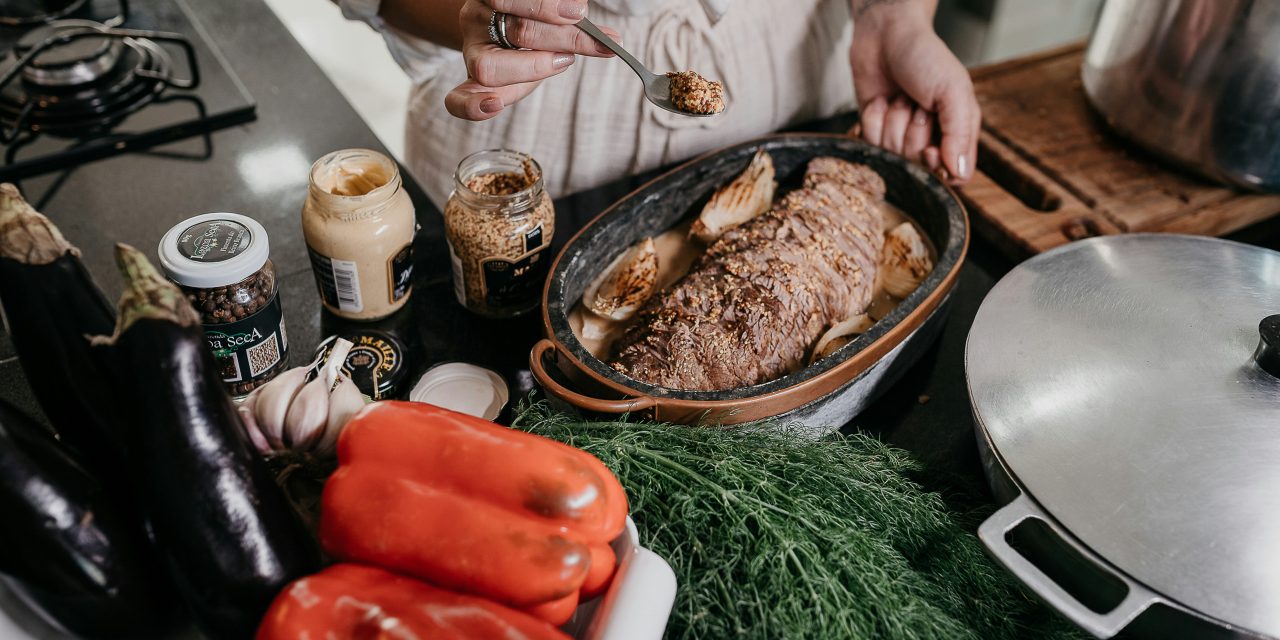
Slow cooking is a culinary technique that has gained immense popularity due to its convenience and ability to enhance flavors. This method involves cooking food at low temperatures over an extended period, typically ranging from four to ten hours. The slow cooker, also known as a crockpot, is designed to maintain a consistent low heat, allowing for the gradual breakdown of tough cuts of meat and the melding of flavors in stews and soups. The process not only tenderizes ingredients but also preserves their nutritional value, making it an ideal cooking method for health-conscious individuals.
The science behind slow cooking lies in the Maillard reaction, which occurs when proteins and sugars in food react under heat, creating complex flavors and aromas. This reaction is particularly beneficial for meats, as it enhances their taste and texture. Additionally, slow cooking allows for the infusion of spices and herbs, resulting in a rich and savory dish. Understanding these fundamentals can help home cooks appreciate the art of slow cooking and utilize it effectively in their culinary endeavors.
Choosing the Right Slow Cooker for Your Needs
Selecting an appropriate slow cooker is crucial for achieving optimal results in your slow-cooked dishes. Slow cookers come in various sizes, typically ranging from 1.5 quarts to 8 quarts, catering to different household sizes and cooking needs. For individuals or small families, a 3 to 4-quart model may suffice, while larger families or meal preppers may benefit from a 6 to 8-quart capacity. It is essential to consider the volume of food you plan to prepare regularly to ensure you choose a model that meets your requirements.
In addition to size, slow cookers vary in features such as programmable settings, temperature controls, and built-in timers. Some models offer multiple heat settings, allowing for greater flexibility in cooking times. Advanced options may include digital displays and automatic shut-off functions for added safety. When selecting a slow cooker, consider your cooking habits and preferences; a model with a removable stoneware insert can simplify cleaning, while one with a locking lid may be ideal for transporting meals.
Selecting Appropriate Ingredients for Slow Cooking

The choice of ingredients plays a pivotal role in the success of slow-cooked meals. Tough cuts of meat, such as chuck roast, brisket, or pork shoulder, are ideal for this method due to their higher collagen content. As these cuts cook slowly, the collagen breaks down into gelatin, resulting in tender and flavorful meat. Additionally, incorporating a variety of vegetables such as carrots, potatoes, and onions can enhance the dish’s nutritional profile while adding depth to the flavor.
When selecting ingredients, it is essential to consider their cooking times. Denser vegetables like root vegetables should be placed at the bottom of the slow cooker, as they require longer cooking times compared to more delicate ingredients like bell peppers or zucchini. Herbs and spices should also be chosen wisely; dried herbs are preferable for long cooking times, while fresh herbs should be added towards the end of the cooking process to preserve their vibrant flavors.
Preparing Ingredients to Prevent Overcooking

Proper preparation of ingredients is vital to prevent overcooking and ensure even cooking throughout the dish. For meats, trimming excess fat can help reduce greasiness while allowing flavors to penetrate more effectively. Additionally, browning meats before adding them to the slow cooker can enhance flavor through caramelization and create a more appealing appearance.
Vegetables should be cut into uniform sizes to promote even cooking. Larger pieces will take longer to cook than smaller ones; therefore, it is advisable to chop them into bite-sized portions. Furthermore, soaking beans overnight before adding them to the slow cooker can help reduce cooking time and improve texture. By taking these preparatory steps, cooks can significantly enhance the quality of their slow-cooked meals.
Setting the Correct Temperature and Time
Achieving the right temperature and cooking time is crucial for successful slow cooking. Most slow cookers offer two primary heat settings: low and high. Cooking on low typically takes 6 to 8 hours, while high settings can reduce this time to 3 to 4 hours. Understanding your specific slow cooker’s performance is essential; some models may cook hotter or cooler than others.
It is advisable to follow recipes closely when starting with slow cooking, especially if you are new to this method. Over time, you will develop an intuition for how long different ingredients take to cook and how they respond to varying temperatures. Using a meat thermometer can also help ensure that meats reach safe internal temperatures without overcooking.
Avoiding Common Mistakes That Lead to Overcooking
Overcooking is one of the most common pitfalls in slow cooking that can lead to dry or mushy dishes. One prevalent mistake is lifting the lid too frequently during cooking; each time the lid is removed, heat escapes, prolonging cooking time and potentially leading to overcooked food. It is best to resist the temptation to check on your meal until it is close to being done.
Another common error is not accounting for ingredient variability. Different cuts of meat or types of vegetables may require adjustments in cooking time or temperature settings. Additionally, adding too much liquid can result in soupy dishes; it is essential to follow recipes closely and adjust based on personal preferences or ingredient characteristics.
Using the Right Amount of Liquid in Your Recipes
Liquid plays a crucial role in slow cooking by creating steam that helps cook food evenly while preventing it from drying out. However, determining the right amount of liquid can be challenging. Generally, recipes will specify how much liquid is needed; however, it is important to remember that ingredients like vegetables release moisture during cooking.
A good rule of thumb is to use less liquid than you would for traditional stovetop cooking since slow cookers retain moisture more effectively. If you are adapting a recipe from another cooking method, consider reducing the liquid by one-third or half. Monitoring the consistency of your dish towards the end of the cooking process allows you to make adjustments if necessary.
When and How to Add Delicate Ingredients
Delicate ingredients such as dairy products, fresh herbs, or seafood require special attention when using a slow cooker. These components can easily become overcooked or lose their flavor if added too early in the cooking process. For instance, dairy products like cream or cheese should be added during the last 30 minutes of cooking to prevent curdling.
Fresh herbs should also be added towards the end of cooking; this preserves their vibrant flavors and aromatic qualities. Seafood should be added during the final hour of cooking at most; otherwise, it may become rubbery and unpalatable. By timing the addition of delicate ingredients correctly, cooks can elevate their dishes with fresh flavors and textures.
Monitoring Your Slow Cooker Without Losing Heat
Monitoring your slow cooker while maintaining its heat can be challenging but is essential for achieving optimal results. One effective strategy is to use a programmable slow cooker with built-in timers that automatically switch from high or low settings to warm once cooking is complete. This feature allows you to set it and forget it without worrying about overcooking.
If your model lacks this feature, consider using a digital thermometer with an external probe that allows you to monitor internal temperatures without lifting the lid frequently. Additionally, placing your slow cooker in a location where it is easily visible can help you keep an eye on it without needing constant checks.
Tips for Adjusting Recipes to Slow Cooker Use
Adapting traditional recipes for slow cooker use requires some adjustments in both timing and ingredient preparation. When converting recipes that typically require stovetop or oven methods, consider increasing liquid amounts slightly due to evaporation differences in slow cookers. Additionally, reduce cooking times by approximately one-third when using high settings.
It’s also beneficial to layer ingredients strategically; place denser items at the bottom and lighter ones on top for even cooking. If a recipe calls for browning meat beforehand, this step should not be skipped as it adds depth of flavor that enhances the final dish significantly.
Cleaning and Maintaining Your Slow Cooker for Best Results
Proper cleaning and maintenance are essential for ensuring your slow cooker remains in optimal condition for years of delicious meals. After each use, allow the appliance to cool completely before cleaning; remove any removable parts such as stoneware inserts and lids for thorough washing either by hand or in a dishwasher if they are dishwasher-safe.
Regularly inspect the power cord and heating element for any signs of wear or damage; if any issues arise, consult the manufacturer’s guidelines for repairs or replacements. Storing your slow cooker in a dry place away from moisture will help prevent mold growth or electrical issues over time.
In summary, mastering slow cooking involves understanding its principles, selecting appropriate equipment and ingredients, preparing them correctly, monitoring temperatures carefully, avoiding common pitfalls, adjusting recipes as needed, and maintaining your appliance properly. By following these guidelines, home cooks can create flavorful and nutritious meals with ease while enjoying the many benefits that slow cooking has to offer.
FAQs
What is the ideal cooking time for a slow cooker?
The ideal cooking time for a slow cooker typically ranges from 4 to 10 hours, depending on the recipe and the setting used. Most recipes will specify whether to use the low or high setting, with low settings generally requiring longer cooking times.
How can I prevent my food from overcooking in a slow cooker?
To prevent overcooking, it is essential to follow the recommended cooking times and avoid opening the lid frequently, as this can release heat and extend cooking time. Additionally, using the right amount of liquid and cutting ingredients into uniform sizes can help ensure even cooking.
What types of foods are best suited for slow cooking?
Foods that benefit from slow cooking include tougher cuts of meat, root vegetables, and legumes. These ingredients become tender and flavorful over long cooking periods, making them ideal for slow cooker recipes.
Can I adjust the cooking time if I’m using frozen ingredients?
Yes, you can adjust the cooking time when using frozen ingredients, but it is generally recommended to thaw them first for more even cooking. If you must use frozen ingredients, increase the cooking time by 1 to 2 hours, depending on the recipe.
Is it safe to leave a slow cooker on while I’m away from home?
Yes, it is generally safe to leave a slow cooker on while you are away, as they are designed for long cooking times. However, it is important to follow the manufacturer’s guidelines and ensure that the cooker is placed on a stable, heat-resistant surface to prevent any accidents.