Pollinator gardens play a crucial role in sustaining biodiversity and supporting the ecosystem. These gardens are specifically designed to attract and nurture pollinators such as bees, butterflies, hummingbirds, and other beneficial insects. The significance of these gardens cannot be overstated, as they contribute to the pollination of approximately 75% of flowering plants and nearly 35% of global food crops. This symbiotic relationship between plants and pollinators is essential for food production, ecological balance, and the overall health of our environment.
The decline of pollinator populations due to habitat loss, pesticide use, and climate change has raised alarm among ecologists and conservationists. Establishing pollinator gardens can mitigate these challenges by providing essential habitats that support the life cycles of these vital creatures. By creating a sanctuary for pollinators, individuals can contribute to the restoration of natural ecosystems while enjoying the aesthetic and ecological benefits that come with a vibrant garden.
Choosing the Right Location for Your Garden
Selecting an appropriate location for your pollinator garden is fundamental to its success. Ideally, the site should receive at least six hours of sunlight daily, as most flowering plants thrive in bright conditions. Areas that are sheltered from strong winds and have good air circulation will also enhance the growth of plants and attract more pollinators. Additionally, proximity to existing natural habitats, such as woodlands or meadows, can increase the likelihood of attracting diverse pollinator species.
When assessing potential sites, consider the soil type and drainage capabilities. Pollinators prefer well-drained soils that do not retain excessive moisture, which can lead to root rot and other plant diseases. Conducting a soil test can provide valuable insights into pH levels and nutrient content, allowing for informed decisions regarding soil amendments. Furthermore, accessibility for maintenance and observation should be factored into the location choice, ensuring that you can easily tend to your garden while enjoying its beauty.
Selecting Native Plants That Attract Pollinators

Choosing native plants is paramount when establishing a pollinator garden. Native flora has evolved alongside local pollinators, making them more attractive and beneficial to these species. They provide essential nectar and pollen resources that sustain pollinator populations throughout their life cycles. Moreover, native plants are typically more resilient to local pests and diseases, requiring less maintenance and fewer chemical interventions.
When selecting plants, consider a diverse array of species that bloom at different times throughout the growing season. This ensures a continuous food source for pollinators from early spring through late fall. Some excellent native options include coneflowers (Echinacea), milkweed (Asclepias), black-eyed Susans (Rudbeckia), and bee balm (Monarda). Incorporating a mix of flowering shapes, sizes, and colors will not only attract various pollinators but also create a visually appealing landscape.
Preparing the Soil for Planting

Soil preparation is a critical step in establishing a thriving pollinator garden. Healthy soil provides the foundation for robust plant growth and supports the intricate web of life within the ecosystem. Begin by clearing the area of weeds, debris, and any invasive species that may compete with your chosen plants. This initial step helps reduce competition for nutrients and water.
Next, amend the soil based on the results of your soil test. Adding organic matter such as compost or well-rotted manure can improve soil structure, enhance nutrient availability, and promote beneficial microbial activity. Tilling the soil to a depth of at least 12 inches will aerate it and facilitate root penetration. Additionally, consider incorporating mulch around your plants after planting to retain moisture, suppress weeds, and regulate soil temperature.
Designing Your Garden Layout for Maximum Impact
A well-thought-out garden layout can significantly enhance the effectiveness of your pollinator garden. Consider creating distinct zones within your garden that cater to different types of pollinators. For instance, grouping plants with similar water and sunlight requirements can simplify maintenance while ensuring optimal growth conditions. Additionally, planting in clusters rather than single specimens can create more visually striking displays that attract pollinators more effectively.
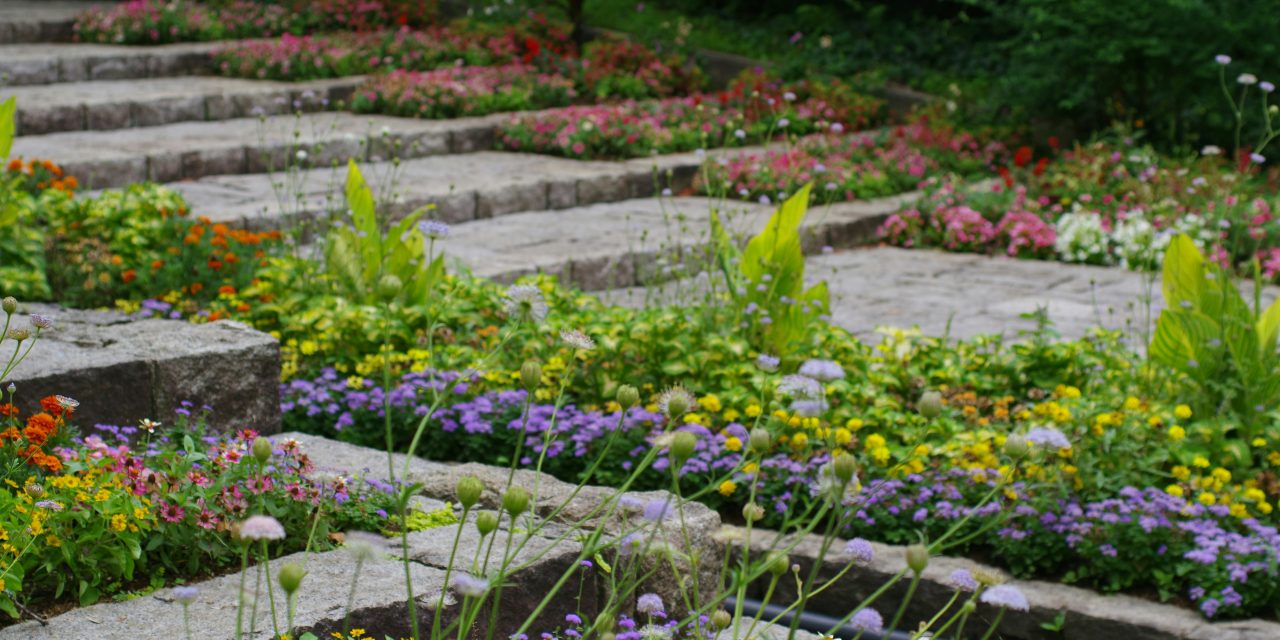
Incorporating pathways or borders made from natural materials can add structure to your garden while providing easy access for maintenance and observation. Consider using rocks or logs to create visual interest and provide additional habitats for beneficial insects. Furthermore, varying plant heights within your design will create layers that not only enhance aesthetics but also provide shelter for different pollinator species.
Planting Flowers in Layers for Continuous Bloom
To maximize the impact of your pollinator garden, consider implementing a layered planting strategy that promotes continuous blooming throughout the growing season. This approach involves selecting plants that flower at different times, ensuring that there is always something in bloom to attract pollinators. Early bloomers such as crocus and snowdrops can provide essential resources in spring when food sources are scarce.
Mid-summer flowers like sunflowers and asters can sustain pollinators during peak activity periods, while late bloomers such as goldenrod and sedum can extend the blooming season into fall. By staggering plant heights as well—placing taller plants at the back or center of beds and shorter ones at the front—you create an engaging visual display while catering to various pollinator preferences.
Providing Water Sources for Pollinators
Water is an essential resource for all living organisms, including pollinators. Providing accessible water sources within your garden can significantly enhance its attractiveness to these vital creatures. Shallow dishes filled with fresh water or small birdbaths can serve as effective hydration stations for bees, butterflies, and hummingbirds alike. To prevent drowning, consider adding pebbles or marbles to these containers, allowing pollinators to perch safely while drinking.
Regularly changing the water in these sources is crucial to prevent stagnation and mosquito breeding. Additionally, incorporating native wetland plants around water features can create a natural habitat that further supports local wildlife while enhancing the overall aesthetic appeal of your garden.
Avoiding Pesticides and Using Organic Methods
The use of pesticides poses significant risks to pollinator populations and should be avoided whenever possible. Chemical treatments can harm beneficial insects and disrupt the delicate balance within your garden ecosystem. Instead, consider adopting organic gardening practices that promote natural pest control methods. Encouraging beneficial insects such as ladybugs and lacewings can help manage pest populations without resorting to harmful chemicals.
Implementing companion planting strategies can also deter pests naturally while enhancing plant health. For example, planting marigolds alongside vegetables can repel aphids and nematodes while attracting beneficial insects. Regular monitoring of plant health allows for early detection of pest issues, enabling you to address them promptly using organic solutions such as neem oil or insecticidal soap.
Adding Shelter and Nesting Sites
Creating shelter and nesting sites within your pollinator garden is essential for supporting various species throughout their life cycles. Different pollinators have unique nesting requirements; for instance, solitary bees often nest in hollow stems or underground burrows, while butterflies may seek out sheltered areas with dense foliage for protection during their pupal stage.
Incorporating features such as brush piles, rock piles, or bee hotels can provide essential habitats for these creatures. Bee hotels consist of small tubes or holes where solitary bees can lay their eggs safely away from predators. Additionally, leaving some areas of bare soil undisturbed allows ground-nesting bees to thrive while promoting biodiversity within your garden.
Maintaining Your Pollinator Garden Throughout the Seasons
Ongoing maintenance is vital to ensure the long-term success of your pollinator garden. Regularly monitoring plant health allows you to identify any issues early on, whether they be pest infestations or disease outbreaks. Pruning dead or diseased plant material not only enhances aesthetics but also promotes healthy growth by improving air circulation.
Seasonal tasks such as mulching in spring to retain moisture or cutting back perennials in fall can help maintain optimal growing conditions throughout the year. Additionally, allowing some plants to go to seed provides food sources for birds during winter months while supporting pollinator populations in subsequent growing seasons.
Monitoring and Enjoying the Benefits of Your Garden
Monitoring your pollinator garden allows you to appreciate its evolution over time while assessing its impact on local wildlife populations. Keeping a journal or taking photographs can help document changes in plant growth and pollinator activity throughout the seasons. Observing which species frequent your garden can provide valuable insights into its effectiveness as a habitat.
The benefits of establishing a pollinator garden extend beyond ecological contributions; they also offer personal rewards such as stress relief and enhanced well-being through interaction with nature. Engaging with local community initiatives focused on conservation can further amplify these benefits while fostering connections with like-minded individuals who share a passion for protecting our environment.
In summary, creating a successful pollinator garden involves understanding its importance in supporting biodiversity, selecting suitable locations and native plants, preparing soil effectively, designing impactful layouts, providing water sources, avoiding pesticides through organic methods, adding shelter for nesting sites, maintaining gardens throughout seasons, and monitoring their benefits over time. By following these guidelines, individuals can contribute significantly to restoring vital ecosystems while enjoying the beauty and tranquility that comes with nurturing nature’s essential partners—pollinators.
FAQs
What is a pollinator garden?
A pollinator garden is a specially designed garden that provides habitat and food sources for pollinators such as bees, butterflies, and hummingbirds. These gardens typically include a variety of flowering plants that bloom at different times throughout the growing season, ensuring a continuous supply of nectar and pollen for these essential creatures.
How do I choose the right plants for my pollinator garden?
When selecting plants for your pollinator garden, opt for native species that are well-adapted to your local climate and soil conditions. Look for plants that produce abundant nectar and pollen, and choose a mix of flowers that bloom at different times to provide food throughout the season. Additionally, consider including plants with varied shapes and colors to attract a diverse range of pollinators.
What are some tips for creating a pollinator-friendly environment?
To create a pollinator-friendly environment, avoid using pesticides and herbicides, as these chemicals can harm pollinators. Incorporate a variety of plant heights and structures to provide shelter and nesting sites. Additionally, include water sources, such as shallow dishes with pebbles, to help pollinators stay hydrated. Lastly, consider leaving some areas of your garden a bit wild to provide natural habitats.
How much space do I need for a pollinator garden?
A pollinator garden can be created in any size space, from a small balcony or patio to a larger backyard. Even a few pots with flowering plants can attract pollinators. However, larger gardens allow for a greater diversity of plants and habitats, which can support a wider variety of pollinators. Aim for at least a few square feet to create a meaningful impact.
When is the best time to plant a pollinator garden?
The best time to plant a pollinator garden depends on your local climate, but generally, spring is an ideal time to start planting. This allows plants to establish their roots before the heat of summer. In some regions, fall planting can also be effective, as it gives plants a head start in the spring. Always check your local planting zone for specific timing recommendations.