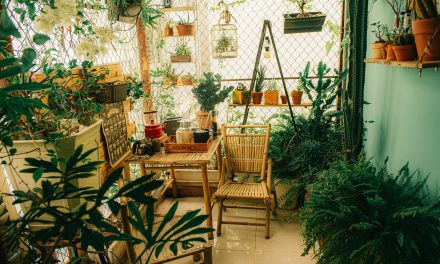
Partial shade gardens are a unique and enchanting aspect of horticulture that cater to the specific needs of plants that thrive in less-than-full sunlight. These gardens typically receive between three to six hours of direct sunlight daily, making them ideal for a variety of flowering plants that prefer cooler, shadier environments. The interplay of light and shadow creates a serene atmosphere, allowing gardeners to cultivate a diverse array of flora that might otherwise struggle in full sun conditions.
Creating a partial shade garden not only enhances the aesthetic appeal of outdoor spaces but also promotes biodiversity. By selecting the right plants, gardeners can create a vibrant tapestry of colors, textures, and fragrances that attract pollinators such as bees and butterflies. Furthermore, these gardens can serve as a refuge for wildlife, providing essential habitats for various species. Understanding the nuances of partial shade gardening is crucial for achieving a flourishing landscape that thrives in these unique conditions.
Benefits of Choosing Flowering Plants for Partial Shade
Opting for flowering plants in partial shade gardens offers numerous advantages that extend beyond mere aesthetics. Firstly, these plants often exhibit remarkable adaptability, allowing them to flourish in environments where sunlight is limited. This resilience can lead to lower maintenance requirements, as shade-loving species are generally more tolerant of drought and fluctuating temperatures.
Moreover, flowering plants in shaded areas can contribute significantly to the overall biodiversity of a garden. They provide essential resources for pollinators and other beneficial insects, fostering a balanced ecosystem. The vibrant blooms not only enhance visual appeal but also create a sensory experience through their fragrances, attracting various wildlife. Additionally, flowering plants can help mitigate soil erosion by stabilizing the ground with their root systems, promoting healthier soil structure and nutrient retention.
Criteria for Selecting the Best Flowering Plants

When selecting flowering plants for a partial shade garden, several criteria should be considered to ensure optimal growth and visual impact. Firstly, understanding the specific light conditions of the garden is paramount. Different plants have varying tolerances to shade; thus, assessing the amount of sunlight received throughout the day will guide appropriate choices.
Soil quality is another critical factor. Many flowering plants thrive in well-drained, nutrient-rich soil. Conducting a soil test can provide insights into pH levels and nutrient content, allowing for necessary amendments to create an ideal growing environment. Additionally, considering the mature size and growth habits of plants is essential for ensuring they do not overcrowd one another or compete for resources.
Lastly, seasonal interest should be taken into account. Selecting a mix of plants that bloom at different times throughout the growing season will ensure continuous color and interest in the garden. This approach not only enhances visual appeal but also supports local wildlife by providing food sources throughout the year.
Astilbe: Elegant Feathery Plumes

Astilbe is a perennial favorite among gardeners seeking to add elegance and texture to their partial shade gardens. Known for its feathery plumes that rise above lush foliage, Astilbe produces stunning flower spikes in shades ranging from white to deep red and pink. These blooms typically appear in late spring to early summer, creating a striking contrast against the green backdrop of leaves.
Astilbe thrives in moist, well-drained soil enriched with organic matter. It prefers consistently damp conditions, making it an excellent choice for areas with higher humidity or near water features. Regular watering is essential during dry spells to maintain its vibrant appearance. Additionally, Astilbe benefits from mulching, which helps retain soil moisture and suppress weeds.
Hellebore: Early Blooming Perennials
Hellebores are renowned for their ability to bloom early in the season, often pushing through the snow as one of the first flowers to emerge in spring. These perennials are characterized by their unique cup-shaped flowers that come in various colors, including white, pink, purple, and even greenish hues. Their evergreen foliage provides year-round interest, making them a valuable addition to any partial shade garden.
These resilient plants prefer well-drained soil rich in organic matter and thrive in slightly acidic conditions. Hellebores are relatively low-maintenance; however, they benefit from occasional division every few years to promote healthy growth and flowering. Additionally, removing spent blooms can encourage further flowering and maintain the plant’s aesthetic appeal.
Bleeding Heart: Unique Heart-Shaped Flowers
Bleeding Heart (Dicentra spectabilis) is an iconic perennial known for its distinctive heart-shaped flowers that dangle gracefully from arching stems. These enchanting blooms typically appear in late spring and early summer, creating a whimsical display that captivates gardeners and visitors alike. The flowers come in shades of pink and white, adding a romantic touch to shaded areas.
Bleeding Hearts thrive in rich, well-drained soil with consistent moisture levels. They prefer slightly acidic conditions and benefit from regular watering during dry spells. After blooming, it is advisable to allow the foliage to die back naturally, as this process helps replenish nutrients in the soil for future growth. Additionally, planting Bleeding Hearts alongside ferns or hostas can create a lush and inviting atmosphere.
Foxglove: Tall Spires of Color
Foxglove (Digitalis purpurea) is a striking biennial or short-lived perennial known for its tall spires adorned with tubular flowers that attract hummingbirds and bees. These plants can reach heights of up to five feet and produce blooms in various colors, including purple, pink, white, and yellow. Foxgloves typically flower in late spring to early summer, adding vertical interest to partial shade gardens.
Foxgloves prefer well-drained soil enriched with organic matter and thrive in slightly acidic conditions. They require consistent moisture but should not be waterlogged. To promote healthy growth and flowering, it is essential to deadhead spent blooms regularly. Additionally, planting Foxgloves in clusters can create a dramatic visual impact while attracting pollinators.
Columbine: Delicate, Nodding Blooms
Columbine (Aquilegia) is a charming perennial known for its delicate nodding flowers that come in various colors and shapes. These unique blooms typically appear in late spring to early summer and are often characterized by their spurred petals that attract hummingbirds and butterflies. Columbines thrive in partial shade gardens where they can bask in dappled sunlight.
These plants prefer well-drained soil with moderate moisture levels and benefit from regular watering during dry spells. Columbines are relatively low-maintenance; however, they may require occasional division every few years to prevent overcrowding. Additionally, planting different varieties together can create a stunning display of colors and forms throughout the blooming season.
Hydrangea: Lush and Vibrant Clusters
Hydrangeas are beloved shrubs known for their large, showy flower clusters that provide stunning visual interest in partial shade gardens. These versatile plants come in various species and cultivars, offering blooms in shades of blue, pink, white, and purple depending on soil pH levels. Hydrangeas typically bloom from mid-summer to fall, creating a lush backdrop for other shade-loving plants.
To thrive, hydrangeas require well-drained soil rich in organic matter and consistent moisture levels. They benefit from regular pruning after flowering to maintain shape and encourage new growth. Additionally, incorporating mulch around the base can help retain soil moisture while suppressing weeds.
Japanese Anemone: Late Season Blooms
Japanese Anemone (Anemone hupehensis) is a perennial that adds late-season color to partial shade gardens with its elegant blooms that appear from late summer into fall. These plants produce delicate flowers in shades of white or pink on tall stems that sway gracefully in the breeze. Their ability to bloom when many other plants have finished makes them an invaluable addition to any garden.
Japanese Anemones prefer well-drained soil with moderate moisture levels and thrive in slightly acidic conditions. They benefit from regular watering during dry spells but should not be overwatered as this can lead to root rot. Additionally, these plants may spread over time; thus, it is advisable to monitor their growth and divide them as needed.
Impatiens: Bright and Reliable Annuals
Impatiens are popular annuals known for their vibrant blooms that add instant color to shaded areas of the garden. Available in an array of colors including red, pink, white, and purple, these flowers are perfect for creating eye-catching displays in containers or borders. Impatiens bloom continuously throughout the growing season until frost arrives.
These plants thrive in well-drained soil enriched with organic matter and require consistent moisture levels to maintain their lush appearance. Regular deadheading encourages continuous blooming while preventing seed formation. Impatiens are relatively low-maintenance; however, they may be susceptible to fungal diseases if air circulation is poor or if they are overwatered.
Toad Lily: Exotic Speckled Flowers
Toad Lily (Tricyrtis) is an exotic perennial known for its unique speckled flowers that resemble orchids. These intriguing blooms typically appear in late summer to fall when many other plants have finished blooming, providing valuable color during this transitional period. Toad Lilies thrive in shaded areas where they can showcase their intricate patterns.
Toad Lilies prefer well-drained soil rich in organic matter and require consistent moisture levels for optimal growth. They benefit from regular watering during dry spells but should not be overwatered as this can lead to root rot. Additionally, incorporating mulch around the base can help retain soil moisture while suppressing weeds.
Lungwort: Attractive Foliage and Flowers
Lungwort (Pulmonaria) is a perennial known for its attractive foliage and early spring blooms that provide valuable color in shaded areas of the garden. The leaves often feature striking silver spots or mottling patterns that add visual interest even when not in bloom. Lungwort produces clusters of small flowers in shades of blue or pink that attract pollinators.
These plants thrive in well-drained soil enriched with organic matter and prefer consistent moisture levels without becoming waterlogged. Lungwort benefits from regular watering during dry spells but should be monitored closely to prevent overwatering issues. Additionally, dividing Lungwort every few years can promote healthy growth while preventing overcrowding.
Tips for Caring for Partial Shade Flowering Plants
Caring for flowering plants in partial shade requires attention to several key factors to ensure optimal growth and blooming potential. Firstly, regular watering is essential; however, it is crucial to avoid overwatering as this can lead to root rot or fungal diseases. Implementing a consistent watering schedule based on weather conditions will help maintain healthy moisture levels.
Fertilization plays an important role as well; using a balanced fertilizer during the growing season can promote vigorous growth and abundant blooms. Organic options such as compost or well-rotted manure can enrich the soil while providing essential nutrients without risking chemical buildup.
Additionally, mulching around the base of plants helps retain moisture while suppressing weeds that compete for nutrients and resources. Regular deadheading spent blooms encourages continuous flowering while maintaining aesthetic appeal throughout the growing season.
Enhancing Your Garden’s Beauty with Shade-Loving Flowers
In conclusion, cultivating a partial shade garden filled with flowering plants offers an opportunity to create a vibrant oasis that thrives under unique light conditions. By selecting appropriate species such as Astilbe, Hellebore, Bleeding Heart, Foxglove, Columbine, Hydrangea, Japanese Anemone, Impatiens, Toad Lily, and Lungwort, gardeners can enjoy an array of colors and textures throughout the growing season.
With proper care—including adequate watering, fertilization, mulching, and deadheading—these shade-loving flowers will flourish while attracting beneficial wildlife to your garden space. Embracing the beauty of partial shade gardens not only enhances outdoor aesthetics but also contributes positively to local ecosystems by promoting biodiversity and providing habitats for various species.
FAQs
What are some examples of flowering plants that thrive in partial shade?
Some excellent examples of flowering plants that thrive in partial shade include Astilbe, Bleeding Heart (Dicentra), Hellebores, and Japanese Anemone. These plants not only tolerate lower light conditions but also add vibrant colors to shaded areas.
How much sunlight do partial shade plants need?
Partial shade typically refers to areas that receive about 3 to 6 hours of direct sunlight each day, often with some protection from the harsh afternoon sun. Plants that thrive in partial shade can adapt to these conditions and still flourish.
Can flowering plants in partial shade still attract pollinators?
Yes, many flowering plants that grow well in partial shade can attract pollinators such as bees, butterflies, and hummingbirds. Plants like Hellebores and Astilbe are known to be particularly appealing to these beneficial insects.
What soil conditions are best for flowering plants in partial shade?
Flowering plants that thrive in partial shade generally prefer well-draining soil that retains some moisture. A rich, organic soil with good drainage will help these plants establish strong root systems and promote healthy growth.
How do I care for flowering plants in partial shade?
Caring for flowering plants in partial shade involves regular watering, especially during dry spells, and applying mulch to retain moisture and suppress weeds. Additionally, it’s important to fertilize them appropriately and prune dead or damaged foliage to encourage new growth.