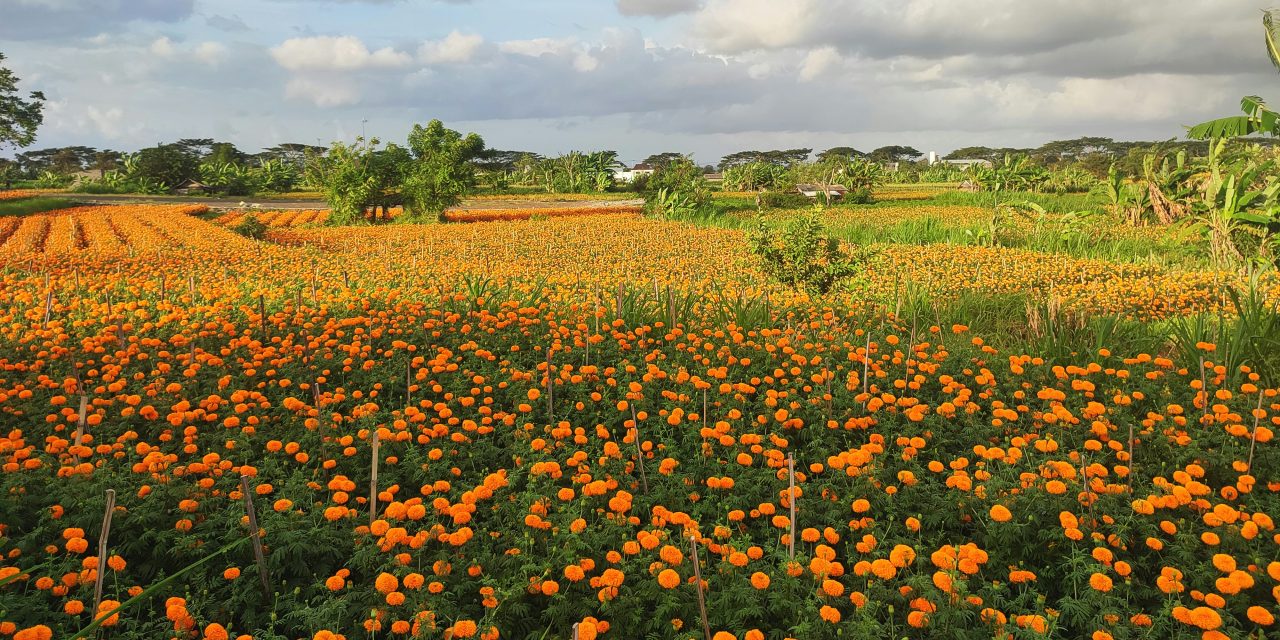
Marigolds, belonging to the genus Tagetes, are celebrated for their vibrant colors and resilience in various garden settings. There are several distinct varieties of marigolds, each with unique characteristics that cater to different gardening preferences. The most common types include French marigolds (Tagetes patula), African marigolds (Tagetes erecta), and signet marigolds (Tagetes tenuifolia). French marigolds are compact and bushy, making them ideal for borders and containers, while African marigolds are taller and produce larger blooms, perfect for creating a striking focal point in garden beds. Signet marigolds, on the other hand, are known for their delicate foliage and edible flowers, adding both beauty and culinary value to your garden.
When selecting marigold seeds, consider the specific growing conditions of your garden. French marigolds thrive in cooler climates, while African varieties prefer warmer temperatures. Additionally, the color palette ranges from bright yellows and oranges to deep reds, allowing gardeners to create stunning visual displays. Understanding these differences will enable you to choose the right seeds that align with your gardening goals and environmental conditions.
Selecting Quality Seeds for Best Germination
The foundation of a successful marigold garden lies in the quality of the seeds you select. High-quality seeds ensure robust germination rates and healthy plants. When purchasing seeds, look for reputable suppliers who provide information on germination rates and seed viability. Opt for seeds that are labeled as “non-GMO” and “open-pollinated,” as these varieties tend to be more resilient and adaptable to various growing conditions.
To further enhance germination success, consider conducting a germination test before planting. This involves placing a few seeds on a damp paper towel and monitoring their sprouting over a week. A high germination rate indicates that the seeds are viable and ready for planting. Additionally, storing seeds in a cool, dry place can prolong their shelf life and maintain their viability for future planting seasons.
Preparing the Soil: Ideal Conditions for Marigold Growth

Soil preparation is a critical step in ensuring optimal growth for marigolds. These flowers thrive in well-draining soil enriched with organic matter. A pH level between 6.0 and 7.0 is ideal for marigold cultivation. To achieve this, amend your garden soil with compost or well-rotted manure, which not only improves soil structure but also provides essential nutrients.
Before planting, it is advisable to conduct a soil test to determine nutrient levels and pH balance. Based on the results, you can adjust the soil composition accordingly. Incorporating perlite or sand can enhance drainage, preventing root rot caused by overly saturated soil. Additionally, tilling the soil to a depth of at least 12 inches allows for better root penetration and aeration, promoting healthy growth.
When and How to Sow Marigold Seeds Indoors

Timing is crucial when sowing marigold seeds indoors. Generally, it is recommended to start seeds 6 to 8 weeks before the last expected frost date in your area. This allows seedlings ample time to develop strong root systems before being transplanted outdoors. Begin by filling seed trays or pots with a sterile seed-starting mix that retains moisture while providing adequate drainage.
Sow the seeds at a depth of approximately 1/4 inch, ensuring they are spaced adequately to prevent overcrowding. Lightly cover the seeds with soil and mist them gently with water to avoid displacing them. Covering the trays with plastic wrap or a humidity dome can help maintain moisture levels until germination occurs, which typically takes 7 to 14 days depending on temperature and humidity conditions.
Providing Optimal Light and Temperature for Seedlings
Once marigold seeds have germinated, providing optimal light and temperature is essential for healthy seedling development. Marigolds require full sun exposure, ideally receiving at least 6 to 8 hours of direct sunlight daily. If natural light is insufficient, consider using grow lights positioned about 2-4 inches above the seedlings to ensure they receive adequate illumination.
Temperature plays a significant role in seedling growth as well. Marigolds thrive in temperatures ranging from 70°F to 75°F (21°C to 24°C). Maintaining consistent warmth will promote vigorous growth and prevent leggy seedlings. If indoor temperatures fluctuate significantly, using heat mats can help stabilize conditions and encourage uniform germination.
Watering Techniques to Encourage Healthy Growth
Proper watering techniques are vital for nurturing marigold seedlings into robust plants. Overwatering can lead to root rot, while underwatering can stunt growth and cause wilting. It is essential to strike a balance by allowing the top inch of soil to dry out between watering sessions. This encourages deep root development while preventing excess moisture accumulation.
When watering marigolds, aim for a thorough soak rather than light sprinkling. This ensures that moisture penetrates deeply into the soil, reaching the roots effectively. Utilizing a watering can with a fine spout or a drip irrigation system can help deliver water directly to the base of the plants without disturbing the soil surface.
Thinning Seedlings: Ensuring Strong and Vibrant Plants
Thinning seedlings is an important practice that promotes healthy growth by reducing competition for nutrients and space. Once seedlings have developed their first set of true leaves, assess their spacing and determine which ones should be removed. Ideally, seedlings should be spaced about 6 to 12 inches apart, depending on the variety.
To thin seedlings effectively, use scissors to snip off the weaker plants at soil level rather than pulling them out by hand, which can disturb neighboring roots. This method minimizes stress on remaining seedlings and encourages them to flourish without overcrowding. Thinning not only enhances air circulation but also allows each plant to access sufficient light and nutrients.
Transplanting Seedlings to the Garden or Containers
Transplanting marigold seedlings requires careful timing and preparation to ensure successful establishment in their new environment. Wait until all danger of frost has passed and nighttime temperatures consistently remain above 50°F (10°C) before moving seedlings outdoors. Harden off seedlings gradually by exposing them to outdoor conditions for several hours each day over a week.
When transplanting, choose a cloudy day or late afternoon to minimize transplant shock caused by direct sunlight exposure. Dig holes that are slightly larger than the root ball of each seedling and gently place them into the ground or containers at the same depth they were growing indoors. Water thoroughly after transplanting to help settle the soil around the roots.
Fertilizing Marigolds for Maximum Blooming
To achieve maximum blooming potential in marigolds, proper fertilization is essential throughout their growing season. Begin by applying a balanced fertilizer with an N-P-K ratio of 10-10-10 or similar when planting seedlings in the garden or containers. This initial application provides essential nutrients that support vigorous growth.
As marigolds mature, consider switching to a fertilizer higher in phosphorus (the middle number in N-P-K ratios) to encourage abundant flowering. A fertilizer with an N-P-K ratio of 5-10-5 can be beneficial during this stage. Apply fertilizer every four to six weeks during the growing season according to package instructions, ensuring that you do not over-fertilize as this can lead to excessive foliage growth at the expense of blooms.
Managing Pests and Diseases Naturally
Marigolds are known for their pest-repelling properties; however, they can still fall victim to various pests such as aphids, spider mites, and whiteflies. Implementing natural pest management strategies can help protect your marigold plants without resorting to harmful chemicals. Introducing beneficial insects like ladybugs or lacewings can effectively control aphid populations.
Additionally, maintaining healthy soil through composting and crop rotation can bolster plant immunity against diseases such as powdery mildew or root rot. Regularly inspecting plants for signs of distress allows for early intervention; removing affected leaves or applying neem oil can mitigate pest infestations naturally.
Deadheading and Maintenance for Continuous Flowering
To encourage continuous blooming throughout the growing season, regular deadheading is crucial for marigolds. Deadheading involves removing spent flowers before they set seed, redirecting energy back into producing new blooms rather than seed production. This practice not only enhances aesthetics but also prolongs flowering periods significantly.
In addition to deadheading, routine maintenance such as pruning leggy growth or removing yellowing leaves helps maintain plant vigor and appearance. Regularly checking for pests or diseases ensures that any issues are addressed promptly, allowing your marigold garden to thrive beautifully.
In summary, cultivating marigolds requires careful attention from seed selection through maintenance practices such as deadheading and pest management. By understanding various marigold varieties, preparing optimal soil conditions, providing adequate light and water, and implementing effective fertilization strategies, gardeners can enjoy vibrant blooms throughout the growing season while minimizing potential challenges associated with pests or diseases. With proper care and attention, marigolds can become a stunning centerpiece in any garden landscape.
FAQs
What is the best time to plant marigold seeds?
The best time to plant marigold seeds is in the spring after the last frost date in your area. Marigolds thrive in warm temperatures, so it’s ideal to wait until the soil has warmed up to at least 70°F (21°C) before sowing the seeds outdoors.
How deep should I plant marigold seeds?
Marigold seeds should be planted about 1/4 to 1/2 inch deep in the soil. This depth allows the seeds to receive adequate moisture while still being close enough to the surface for germination.
How often should I water marigold seeds?
After planting marigold seeds, it’s important to keep the soil consistently moist but not waterlogged. Water the seeds lightly every few days, especially if the weather is dry, until they germinate. Once established, marigolds are relatively drought-tolerant.
How long does it take for marigold seeds to germinate?
Marigold seeds typically take about 5 to 10 days to germinate, depending on the temperature and moisture levels. Warmer conditions can speed up the germination process, while cooler temperatures may slow it down.
What type of soil is best for growing marigolds?
Marigolds prefer well-draining soil that is rich in organic matter. A loamy soil with a pH level between 6.0 and 7.0 is ideal. Adding compost or well-rotted manure can improve soil fertility and drainage, promoting healthy growth.