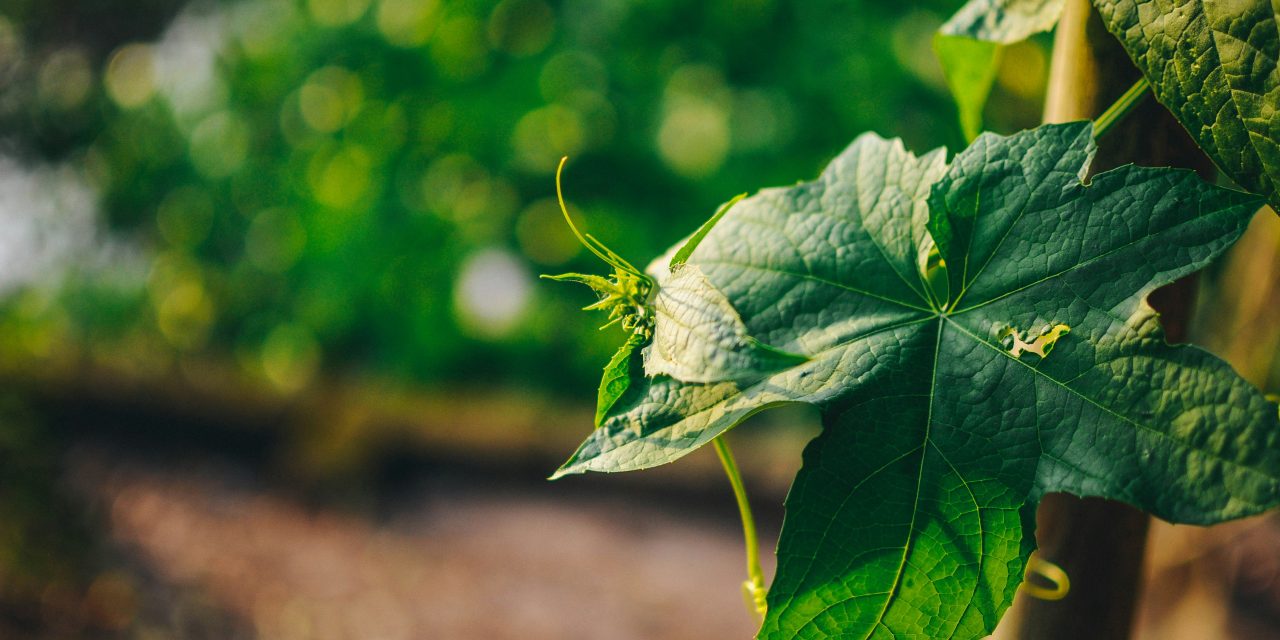
Yellowing cucumber leaves can be a distressing sight for gardeners and farmers alike. This phenomenon, known scientifically as chlorosis, occurs when leaves lose their green pigment due to various underlying issues. The vibrant green color of cucumber foliage is primarily due to chlorophyll, which is essential for photosynthesis. When leaves begin to yellow, it indicates that the plant is experiencing stress, which can stem from multiple factors including environmental conditions, nutrient availability, and pest infestations.
The causes of yellowing leaves can be multifaceted and often interrelated. Understanding these causes is crucial for effective management and prevention strategies. Factors such as insufficient watering, nutrient deficiencies, overwatering, pest infestations, and environmental stressors can all contribute to this condition. By identifying the root cause of yellowing leaves, growers can implement targeted interventions to restore plant health and ensure a bountiful harvest.
Insufficient Watering: The Root of Leaf Discoloration
One of the primary reasons for yellowing cucumber leaves is insufficient watering. Cucumber plants require consistent moisture to thrive, as they are composed of approximately 95% water. When plants do not receive adequate hydration, they may exhibit signs of stress, including wilting and yellowing foliage. Insufficient watering can lead to a decrease in turgor pressure within the plant cells, resulting in chlorosis.
To prevent yellowing due to inadequate watering, it is essential to establish a regular irrigation schedule. Cucumber plants typically require about 1-2 inches of water per week, depending on environmental conditions such as temperature and humidity. Utilizing drip irrigation systems or soaker hoses can help deliver moisture directly to the root zone while minimizing evaporation. Additionally, monitoring soil moisture levels with a moisture meter can provide valuable insights into when to water, ensuring that plants receive the hydration they need without becoming waterlogged.
Nutrient Deficiencies Leading to Yellow Leaves

Nutrient deficiencies are another significant contributor to yellowing cucumber leaves. Essential nutrients such as nitrogen, magnesium, and iron play critical roles in plant health and development. Nitrogen deficiency often manifests as uniform yellowing of older leaves, while magnesium deficiency typically results in interveinal chlorosis—yellowing between the leaf veins. Iron deficiency, on the other hand, usually affects younger leaves first, causing them to turn yellow while the veins remain green.
To address nutrient deficiencies, soil testing is recommended to determine the specific nutrient levels present in the growing medium. Based on the results, targeted fertilization can be implemented. For instance, applying a balanced fertilizer rich in nitrogen can help alleviate nitrogen deficiency, while magnesium sulfate (Epsom salt) can be used to correct magnesium shortages. Additionally, foliar sprays containing chelated iron can provide a quick remedy for iron deficiency, promoting healthier foliage and improved overall plant vigor.
Overwatering and Poor Drainage Issues

While insufficient watering can lead to yellowing leaves, overwatering presents an equally detrimental risk. Excessive moisture in the soil can create anaerobic conditions that hinder root respiration and lead to root rot—a condition that severely impacts nutrient uptake and overall plant health. Symptoms of overwatering include yellowing leaves that may also appear wilted or mushy.
To mitigate the risks associated with overwatering, it is crucial to ensure proper drainage in the planting area. Raised beds or containers with drainage holes can facilitate excess water runoff and prevent waterlogging. Additionally, incorporating organic matter such as compost into the soil can improve its structure and drainage capabilities. Monitoring soil moisture levels regularly will help maintain an optimal balance between hydration and aeration, promoting robust cucumber growth.
Pests and Diseases Affecting Cucumber Foliage
Pests and diseases pose significant threats to cucumber plants and can lead to yellowing leaves as a symptom of infestation or infection. Common pests such as aphids, spider mites, and cucumber beetles feed on plant sap, weakening the plant and causing chlorosis. Diseases like powdery mildew and downy mildew can also manifest as yellowing leaves accompanied by other symptoms such as spots or fungal growth.
Implementing integrated pest management (IPM) strategies is essential for controlling pests and diseases effectively. Regularly inspecting plants for signs of infestation allows for early intervention. Natural predators such as ladybugs can help control aphid populations, while neem oil or insecticidal soap can be used to manage various pests without harming beneficial insects. Additionally, practicing crop rotation and maintaining good sanitation practices can reduce disease incidence and promote healthier cucumber plants.
Environmental Stress: Temperature and Sunlight Factors
Environmental stressors such as extreme temperatures and inadequate sunlight exposure can significantly impact cucumber foliage health. Cucumber plants thrive in warm temperatures ranging from 70°F to 95°F (21°C to 35°C). Prolonged exposure to temperatures outside this range can lead to stress responses, including leaf yellowing. Similarly, insufficient sunlight can hinder photosynthesis, resulting in chlorosis.
To mitigate environmental stressors, it is essential to monitor local weather conditions and provide appropriate protection during extreme heat or cold spells. Utilizing shade cloths during excessively hot days can help regulate temperature and prevent leaf scorch. Conversely, ensuring that cucumber plants receive adequate sunlight—ideally 6-8 hours per day—will promote healthy growth and vibrant foliage.
Soil pH Imbalance and Its Impact on Leaf Health
Soil pH plays a crucial role in nutrient availability and overall plant health. Cucumber plants prefer slightly acidic to neutral soil conditions with a pH range of 6.0 to 7.0. When soil pH deviates from this optimal range, certain nutrients may become less available to the plant, leading to deficiencies that manifest as yellowing leaves.
Conducting regular soil tests is vital for assessing pH levels and determining necessary amendments. If soil pH is too low (acidic), lime can be added to raise it; conversely, sulfur can be used to lower pH if it is too high (alkaline). Adjusting soil pH not only enhances nutrient availability but also promotes beneficial microbial activity within the soil ecosystem.
Identifying Early Signs of Yellowing Leaves
Early detection of yellowing leaves is critical for effective intervention and prevention of further damage. Gardeners should regularly inspect their cucumber plants for subtle changes in leaf color or texture. Initial signs may include slight yellowing at the leaf margins or between veins before progressing to more widespread discoloration.
Monitoring leaf health closely allows for timely identification of underlying issues such as nutrient deficiencies or pest infestations. Implementing a routine inspection schedule—ideally every few days—can help catch problems early on before they escalate into more severe conditions that threaten plant vitality.
Effective Watering Techniques to Prevent Yellowing
Implementing effective watering techniques is essential for preventing yellowing cucumber leaves due to insufficient hydration or overwatering. One recommended approach is deep watering—applying water slowly and thoroughly to encourage deep root growth while minimizing surface runoff. This technique promotes healthy root systems capable of accessing moisture deeper in the soil profile.
Additionally, utilizing mulch around cucumber plants can help retain soil moisture while regulating temperature fluctuations. Organic mulches such as straw or wood chips not only conserve water but also suppress weed growth that competes for nutrients and moisture. Regularly checking soil moisture levels with a moisture meter will further enhance watering practices by ensuring that plants receive adequate hydration without becoming waterlogged.
Nutrient Management: Fertilizers and Soil Amendments
Effective nutrient management is crucial for maintaining healthy cucumber plants and preventing yellowing leaves due to deficiencies. A balanced fertilization program should include macronutrients such as nitrogen (N), phosphorus (P), and potassium (K), along with essential micronutrients like magnesium (Mg) and iron (Fe).
Incorporating organic fertilizers such as compost or well-rotted manure into the soil prior to planting can enhance nutrient availability while improving soil structure. Additionally, applying slow-release fertilizers throughout the growing season ensures that plants receive a steady supply of nutrients without the risk of over-fertilization. Foliar feeding with liquid fertilizers can also provide immediate relief for nutrient deficiencies by delivering essential elements directly to the leaves.
Pest Control and Disease Prevention Strategies for Healthy Cucumbers
Implementing effective pest control measures and disease prevention strategies is vital for maintaining healthy cucumber plants free from yellowing leaves caused by infestations or infections. Integrated pest management (IPM) practices should be prioritized, including regular monitoring for pests and diseases, promoting beneficial insects, and employing cultural controls such as crop rotation.
Utilizing resistant cucumber varieties can also significantly reduce susceptibility to common pests and diseases. Additionally, maintaining good garden hygiene—removing debris and infected plant material—can minimize disease spread while promoting overall plant health. Employing organic fungicides or insecticides when necessary will further support healthy cucumber growth while minimizing environmental impact.
In summary, understanding the causes of yellowing cucumber leaves is essential for effective management strategies aimed at restoring plant health. By addressing factors such as insufficient watering, nutrient deficiencies, overwatering issues, pest infestations, environmental stressors, soil pH imbalances, early detection of symptoms, effective watering techniques, nutrient management practices, and pest control measures, gardeners can cultivate robust cucumber plants that yield abundant harvests while minimizing leaf discoloration issues.
FAQs
What causes cucumber leaves to turn yellow?
Cucumber leaves can turn yellow due to various factors, including nutrient deficiencies (especially nitrogen), overwatering or underwatering, pest infestations, and diseases such as powdery mildew or bacterial wilt. Each of these issues can stress the plant, leading to yellowing leaves.
How can I fix nutrient deficiencies in my cucumber plants?
To address nutrient deficiencies, you can apply a balanced fertilizer that contains nitrogen, phosphorus, and potassium. Additionally, incorporating organic matter like compost into the soil can improve nutrient availability and overall soil health, helping to prevent yellowing leaves.
Is overwatering a common reason for yellowing cucumber leaves?
Yes, overwatering is a common cause of yellowing cucumber leaves. Excess water can lead to root rot, which prevents the plant from absorbing nutrients effectively. It’s important to ensure that the soil has good drainage and to water only when the top inch of soil feels dry.
What pests should I look for if my cucumber leaves are yellowing?
Common pests that can cause yellowing leaves in cucumbers include aphids, spider mites, and cucumber beetles. These pests can damage the leaves and sap the plant’s nutrients. Regularly inspecting your plants and using insecticidal soap or neem oil can help manage these pests.
Can diseases affect the color of cucumber leaves?
Yes, diseases such as powdery mildew, downy mildew, and bacterial wilt can lead to yellowing leaves. These diseases often require specific treatments, such as fungicides for fungal infections or removing infected plants to prevent spread. Proper spacing and air circulation can also help reduce disease incidence.