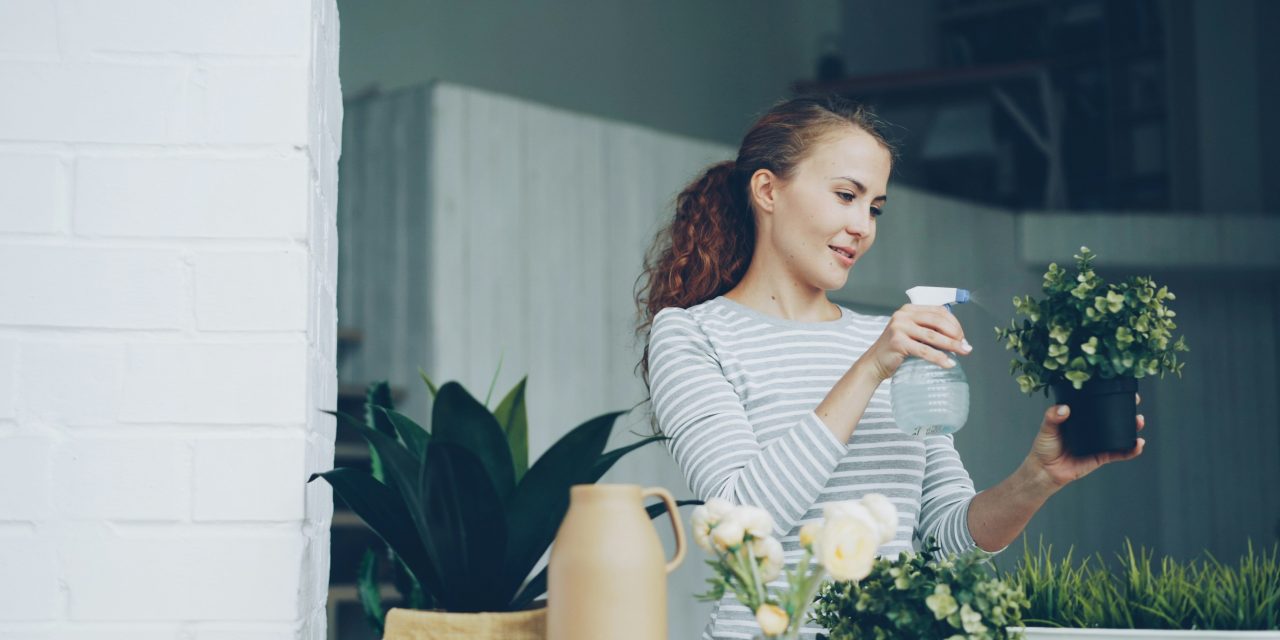
Potting soil serves as the foundation for healthy indoor plants, playing a crucial role in their growth and overall vitality. Unlike garden soil, which can be heavy and compacted, potting soil is specifically formulated to provide an optimal environment for potted plants. It is designed to retain moisture while allowing for adequate drainage, ensuring that roots receive the necessary oxygen and nutrients. The composition of potting soil typically includes a blend of organic materials such as peat moss, compost, and perlite or vermiculite, which contribute to its lightweight and aerated structure.
The significance of quality potting soil cannot be overstated. Poor soil can lead to a myriad of problems, including root rot, nutrient deficiencies, and stunted growth. When plants are placed in subpar soil, they may struggle to absorb water and nutrients effectively, resulting in poor health and diminished aesthetic appeal. Furthermore, quality potting soil can enhance the microbial activity within the substrate, promoting beneficial interactions between plants and microorganisms that can improve nutrient uptake and disease resistance.
Key Features to Look for in Potting Soil for Indoor Plants
When selecting potting soil for indoor plants, several key features should be considered to ensure optimal growth conditions. First and foremost, drainage capability is essential. A well-draining potting mix prevents water from pooling at the bottom of the pot, which can lead to root rot. Look for soil that contains components like perlite or coarse sand that facilitate drainage while still retaining some moisture.
Another critical feature is nutrient content. Quality potting soils often come pre-fortified with essential nutrients such as nitrogen, phosphorus, and potassium, which are vital for plant growth. Additionally, organic matter is crucial as it improves soil structure and provides a slow-release source of nutrients over time. The pH level of the potting mix should also be considered; most indoor plants thrive in slightly acidic to neutral pH levels (around 6.0 to 7.0).
Lastly, consider the specific needs of your plants. Some species may require specialized mixes tailored to their unique requirements, such as cacti or orchids that thrive in drier conditions. Understanding these factors will help you choose the most suitable potting soil for your indoor garden.
Top 7 Potting Soils for Thriving Indoor Houseplants: An Overview

Selecting the right potting soil can significantly impact the health and growth of indoor plants. Here’s an overview of seven top-rated potting soils that cater to various needs and preferences:
1. **Miracle-Gro Indoor Potting Mix**: This versatile mix is ideal for a wide range of indoor plants, providing excellent moisture retention and nutrient availability.
2. **Espoma Organic Potting Mix**: Perfect for organic gardening enthusiasts, this mix is made from natural ingredients and is free from synthetic chemicals.
3. **FoxFarm Ocean Forest Potting Soil**: Known for its rich nutrient profile, this soil is ideal for heavy feeders and promotes vigorous growth.
4. **Black Gold All Purpose Potting Soil**: This blend offers versatility and is suitable for various plant types, making it a favorite among gardeners.
5. **Burpee Organic Premium Potting Mix**: Specifically designed for seed starting, this mix provides a fine texture that encourages germination.
6. **Happy Frog Potting Soil**: This mix enhances microbial activity, promoting healthy root systems and overall plant vigor.
7. **Hoffman Organic Potting Soil**: Renowned for its moisture retention capabilities, this soil is perfect for plants that require consistent hydration.
Miracle-Gro Indoor Potting Mix: Best for General Use

Miracle-Gro Indoor Potting Mix stands out as a top choice for general use among indoor gardeners. This potting mix is formulated with a blend of peat moss, perlite, and other organic materials that create an ideal environment for plant roots. One of its key features is its ability to retain moisture while allowing excess water to drain away efficiently. This balance helps prevent overwatering—a common issue that can lead to root rot.
Additionally, Miracle-Gro Indoor Potting Mix is enriched with a slow-release fertilizer that provides essential nutrients for up to six months. This feature ensures that plants receive a steady supply of nutrients during their growth cycle without the need for frequent fertilization. The mix is also lightweight and easy to handle, making it suitable for both novice and experienced gardeners alike.
Espoma Organic Potting Mix: Best for Organic Gardening
For those committed to organic gardening practices, Espoma Organic Potting Mix is an exceptional choice. This potting soil is crafted from natural ingredients such as sphagnum peat moss, composted bark, and perlite, ensuring that it is free from synthetic chemicals and additives. The organic composition not only supports healthy plant growth but also contributes to environmental sustainability.
Espoma’s mix is designed to provide excellent aeration and drainage while retaining moisture effectively. It contains beneficial microbes that enhance soil health and promote nutrient availability to plants. This makes it particularly suitable for a variety of indoor plants, including herbs and vegetables grown indoors. By choosing Espoma Organic Potting Mix, gardeners can cultivate their indoor gardens with confidence in their commitment to organic practices.
FoxFarm Ocean Forest Potting Soil: Best Nutrient-Rich Option
FoxFarm Ocean Forest Potting Soil is renowned for its rich nutrient profile, making it an excellent choice for heavy-feeding indoor plants. This premium mix combines high-quality ingredients such as earthworm castings, fish emulsion, and bat guano, providing a diverse range of nutrients essential for robust plant growth. The inclusion of these organic materials not only nourishes plants but also enhances microbial activity within the soil.
One of the standout features of FoxFarm Ocean Forest is its ability to retain moisture while promoting excellent drainage. This balance ensures that roots remain hydrated without becoming waterlogged—a critical factor in preventing root rot. Additionally, this potting soil has a slightly acidic pH level that caters to many indoor plant species’ preferences. For gardeners seeking vigorous growth and lush foliage in their indoor plants, FoxFarm Ocean Forest Potting Soil is an outstanding option.
Black Gold All Purpose Potting Soil: Best for Versatility
Black Gold All Purpose Potting Soil is celebrated for its versatility and adaptability across various plant types. This potting mix contains a blend of peat moss, composted bark, perlite, and other organic materials that create an ideal growing medium for both flowering plants and foliage varieties. Its balanced composition allows it to retain moisture while providing adequate drainage—an essential feature for maintaining healthy root systems.
This potting soil is also enriched with fertilizers that support plant growth during their initial stages after repotting or planting. Black Gold’s all-purpose nature makes it suitable for a wide range of indoor plants, from succulents to tropical varieties. Gardeners appreciate its ease of use and consistent performance across different plant species.
Burpee Organic Premium Potting Mix: Best for Seed Starting
Burpee Organic Premium Potting Mix is specifically formulated for seed starting, making it an ideal choice for gardeners looking to propagate new plants indoors. This mix features a fine texture that promotes optimal seed germination by providing excellent aeration and moisture retention. The lightweight composition allows young seedlings to establish strong root systems without being weighed down by heavy soil.
Additionally, Burpee’s mix contains organic ingredients such as peat moss and composted materials that provide essential nutrients during the early growth stages of seedlings. The absence of synthetic fertilizers ensures that young plants receive a gentle introduction to nutrient availability without the risk of fertilizer burn. For those embarking on seed starting endeavors indoors, Burpee Organic Premium Potting Mix offers an effective solution.
Happy Frog Potting Soil: Best for Enhanced Microbial Activity
Happy Frog Potting Soil is designed with an emphasis on enhancing microbial activity within the growing medium. This unique formulation includes beneficial microbes that promote healthy root systems and improve nutrient uptake by plants. The presence of these microorganisms creates a thriving ecosystem within the soil that supports overall plant health.
In addition to its microbial benefits, Happy Frog Potting Soil features a blend of organic materials such as composted forest products and peat moss that provide excellent aeration and moisture retention capabilities. This makes it suitable for a variety of indoor plants, including flowering species and leafy greens. Gardeners who prioritize microbial health in their growing practices will find Happy Frog Potting Soil to be an invaluable asset in their indoor gardening endeavors.
Hoffman Organic Potting Soil: Best for Moisture Retention
Hoffman Organic Potting Soil excels in moisture retention capabilities, making it an ideal choice for indoor plants that require consistent hydration. This potting mix contains a blend of organic materials such as sphagnum peat moss and composted bark that work together to retain moisture while allowing excess water to drain away effectively.
The formulation also includes beneficial nutrients that support healthy plant growth without the risk of over-fertilization commonly associated with synthetic mixes. Hoffman Organic Potting Soil is particularly well-suited for tropical plants or those requiring higher humidity levels since it helps maintain adequate moisture levels in the growing medium. For gardeners seeking reliable moisture retention in their indoor gardening practices, Hoffman Organic Potting Soil offers an effective solution.
Tips for Choosing and Using Potting Soil to Maximize Plant Health
To maximize plant health when choosing and using potting soil, consider several practical tips:
1. **Assess Plant Needs**: Understand the specific requirements of your indoor plants regarding moisture levels, nutrient needs, and pH preferences before selecting a potting mix.
2. **Check Drainage**: Ensure that the chosen potting soil has good drainage properties by examining its composition—look for ingredients like perlite or vermiculite that facilitate airflow.
3. **Avoid Overwatering**: Monitor watering habits closely; overwatering can lead to root rot regardless of the quality of potting soil used.
4. **Fertilize Wisely**: If using a potting mix without added fertilizers, consider supplementing with organic fertilizers during the growing season to provide essential nutrients.
5. **Repot When Necessary**: Regularly check your plants’ root systems; if roots are growing out of drainage holes or circling the pot’s interior, it’s time to repot into fresh soil.
6. **Store Properly**: If you have leftover potting soil after planting, store it in a cool, dry place away from direct sunlight to maintain its quality until future use.
By following these tips and selecting high-quality potting soils tailored to your indoor plants’ needs, you can create an optimal growing environment that fosters healthy growth and vibrant foliage.
In summary, quality potting soil plays an indispensable role in nurturing indoor plants by providing essential nutrients, moisture retention capabilities, and proper drainage conditions necessary for healthy growth. By understanding key features to look for in potting mixes and exploring top-rated options available on the market today—such as Miracle-Gro Indoor Potting Mix or Espoma Organic Potting Mix—gardeners can make informed choices tailored to their specific needs while maximizing plant health through effective usage practices.
FAQs
What is potting soil and why is it important for indoor houseplants?
Potting soil is a specially formulated growing medium designed for potted plants. It typically contains a mix of organic materials such as peat moss, compost, and perlite or vermiculite. This blend provides essential nutrients, improves drainage, and promotes aeration, which are crucial for the healthy growth of indoor houseplants.
What should I look for in the best potting soil for indoor plants?
When selecting potting soil for indoor plants, look for a mix that offers good drainage, aeration, and moisture retention. It should contain organic matter, such as peat or coconut coir, and additives like perlite or vermiculite to enhance drainage. Additionally, consider whether the soil is pH-balanced and enriched with nutrients suitable for the specific types of plants you are growing.
Can I use garden soil for indoor houseplants?
Using garden soil for indoor houseplants is generally not recommended. Garden soil can be too dense, leading to poor drainage and aeration, which can harm plant roots. It may also contain pests, diseases, or weed seeds that can affect indoor plants. Instead, opt for a high-quality potting mix specifically designed for container gardening.
How often should I replace potting soil for indoor plants?
Potting soil should be replaced every 1 to 2 years, depending on the plant’s growth and health. Over time, potting soil can become compacted and depleted of nutrients. Signs that it may need replacing include poor drainage, a buildup of salts on the surface, or stunted plant growth. When repotting, it’s also a good opportunity to refresh the soil and provide your plants with new nutrients.
Are there specific potting soils for different types of indoor plants?
Yes, there are specific potting soils formulated for different types of indoor plants. For example, cacti and succulents require a well-draining mix with sand or grit, while tropical plants may thrive in a moisture-retentive mix with organic matter. Always choose a potting soil that matches the specific needs of your plants to ensure optimal growth and health.