In the fast-paced world we inhabit, the allure of low maintenance houseplants has gained significant traction among urban dwellers and busy professionals alike. These resilient flora not only enhance the aesthetic appeal of living spaces but also contribute to improved air quality and overall well-being. The selection of low maintenance plants is particularly advantageous for individuals who may lack a green thumb or the time to dedicate to intricate gardening routines. By opting for these hardy species, one can enjoy the benefits of indoor greenery without the stress of constant care.
Low maintenance houseplants are characterized by their ability to thrive in various conditions, requiring minimal watering, infrequent fertilization, and resilience to pests and diseases. This makes them ideal for beginners or those with hectic lifestyles. Furthermore, many of these plants possess air-purifying qualities, which can significantly enhance indoor air quality by filtering out toxins and releasing oxygen. As such, choosing low maintenance houseplants is not merely a matter of convenience; it is also a step towards creating a healthier living environment.
Criteria for Selecting the Best Beginner-Friendly Plants
When embarking on the journey of selecting beginner-friendly houseplants, several criteria should be considered to ensure a successful experience. First and foremost, assess the light conditions of your living space. Different plants have varying light requirements, ranging from low light to bright indirect sunlight. Understanding the natural light available in your home will help you choose plants that will thrive in those conditions.
Another critical factor is the plant’s watering needs. Opt for species that can tolerate periods of drought or infrequent watering, as this will reduce the risk of overwatering—a common mistake among novice plant owners. Additionally, consider the plant’s growth rate and size; smaller plants or those with slower growth rates are often easier to manage in confined spaces. Lastly, evaluate the plant’s resilience to pests and diseases, as hardier species are less likely to succumb to common issues that can deter new gardeners.
Snake Plant (Sansevieria) – The Resilient Air Purifier

The Snake Plant, scientifically known as Sansevieria, is a quintessential choice for those seeking a low maintenance houseplant. Renowned for its striking upright leaves that can reach heights of up to 4 feet, this plant is not only visually appealing but also exceptionally resilient. Snake Plants are capable of thriving in low light conditions and can tolerate neglect, making them ideal for busy individuals or those new to plant care.
One of the most remarkable features of the Snake Plant is its air-purifying capabilities. According to NASA’s Clean Air Study, this plant effectively removes toxins such as formaldehyde, benzene, and xylene from indoor air. Furthermore, it performs photosynthesis at night, converting carbon dioxide into oxygen, which can enhance indoor air quality while you sleep. To care for a Snake Plant, simply allow the soil to dry out between waterings and place it in indirect sunlight for optimal growth.
ZZ Plant (Zamioculcas zamiifolia) – The Drought-Tolerant Beauty

The ZZ Plant, or Zamioculcas zamiifolia, is another excellent option for beginners seeking a low maintenance houseplant. This striking plant features glossy, dark green leaves that grow from thick stems, creating an elegant appearance that complements any interior design. One of its most appealing attributes is its remarkable drought tolerance; ZZ Plants can survive extended periods without water due to their ability to store moisture in their rhizomes.
In terms of care, the ZZ Plant thrives in low to bright indirect light but should be protected from direct sunlight, which can scorch its leaves. Watering should be infrequent; allowing the soil to dry out completely between waterings is crucial to prevent root rot. Additionally, ZZ Plants are resistant to pests and diseases, making them an ideal choice for novice gardeners who may be concerned about maintaining plant health.
Pothos (Epipremnum aureum) – The Versatile Vine
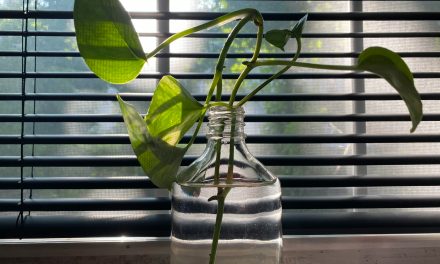
Pothos, scientifically known as Epipremnum aureum, is a versatile vine that has become a staple in many households due to its adaptability and ease of care. This trailing plant features heart-shaped leaves that come in various shades of green and variegated patterns, adding visual interest to any space. Pothos can thrive in a range of lighting conditions, from low light to bright indirect sunlight, making it suitable for various environments.
One of the standout characteristics of Pothos is its ability to purify indoor air by removing harmful pollutants such as formaldehyde and carbon monoxide. This makes it not only an attractive addition to your home but also a functional one. Caring for Pothos involves allowing the top inch of soil to dry out before watering and occasionally trimming back long vines to encourage bushier growth. With minimal effort, this plant can flourish and even propagate easily through cuttings.
Spider Plant (Chlorophytum comosum) – The Easy Propagator
The Spider Plant (Chlorophytum comosum) is celebrated for its unique appearance and ease of propagation. Characterized by long arching leaves that resemble spider legs and small offshoots known as “pups,” this plant is perfect for beginners looking to expand their indoor garden effortlessly. Spider Plants thrive in bright indirect light but can also adapt to lower light conditions, making them versatile companions.
One of the most appealing aspects of Spider Plants is their ability to produce numerous pups that can be easily propagated in water or soil. This not only allows for cost-effective gardening but also provides an opportunity for novice gardeners to learn about plant care through hands-on experience. Regular watering is essential; however, it’s important to avoid overwatering as this can lead to root rot. With minimal attention and care, Spider Plants can flourish and contribute positively to indoor air quality.
Peace Lily (Spathiphyllum) – The Elegant Bloomer
The Peace Lily (Spathiphyllum) is renowned for its elegant white blooms and lush green foliage, making it a popular choice among houseplant enthusiasts. This plant thrives in low light conditions and requires minimal care, making it an excellent option for beginners seeking beauty without extensive maintenance. Peace Lilies are also known for their air-purifying properties; they effectively filter out harmful toxins such as ammonia and benzene from indoor air.
To care for a Peace Lily, it is essential to keep the soil consistently moist but not soggy; allowing it to dry out slightly between waterings will promote healthy growth. Additionally, Peace Lilies prefer high humidity levels; misting the leaves or placing the pot on a tray filled with water and pebbles can help maintain adequate moisture levels. With proper care, this stunning plant will reward you with beautiful blooms throughout the year.
Aloe Vera – The Medicinal Succulent
Aloe Vera is not only a popular succulent but also a well-known medicinal plant with numerous health benefits. This hardy species features thick, fleshy leaves that store water, allowing it to thrive in arid conditions while requiring minimal care. Aloe Vera prefers bright indirect sunlight but can tolerate some direct sun exposure; however, excessive sunlight may cause leaf burn.
In addition to its aesthetic appeal, Aloe Vera is prized for its soothing gel found within its leaves, which has been used for centuries to treat burns, cuts, and skin irritations. To care for Aloe Vera, allow the soil to dry out completely between waterings and ensure proper drainage to prevent root rot. With its medicinal properties and low maintenance requirements, Aloe Vera is an excellent addition to any indoor garden.
Rubber Plant (Ficus elastica) – The Sturdy Foliage
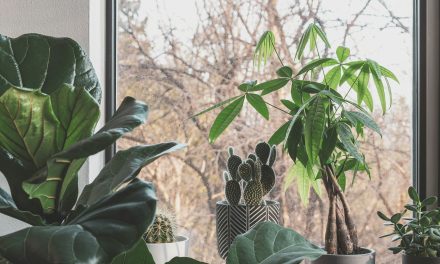
The Rubber Plant (Ficus elastica) is a robust houseplant known for its large, glossy leaves that can add a touch of elegance to any space. This species thrives in bright indirect light but can adapt to lower light conditions as well. Rubber Plants are relatively easy to care for; they prefer well-draining soil and should be watered when the top inch of soil feels dry.
One of the key benefits of Rubber Plants is their ability to purify indoor air by removing toxins such as formaldehyde and xylene. Additionally, they are relatively resistant to pests and diseases when provided with proper care. Regularly dusting the leaves will help maintain their glossy appearance while promoting healthy growth. With minimal effort, Rubber Plants can thrive and become a stunning focal point in your home.
Cast Iron Plant (Aspidistra elatior) – The Tough Survivor
The Cast Iron Plant (Aspidistra elatior) lives up to its name by being one of the toughest houseplants available today. Known for its ability to withstand neglect and adverse conditions, this hardy species features broad green leaves that can tolerate low light levels and fluctuating temperatures. Cast Iron Plants are ideal for beginners who may not have consistent care routines.
This resilient plant requires minimal watering; allowing the soil to dry out between waterings is essential for preventing root rot. Additionally, Cast Iron Plants are resistant to pests and diseases, making them an excellent choice for those concerned about maintaining plant health in challenging environments. With their durability and low maintenance needs, Cast Iron Plants are perfect companions for novice gardeners looking for reliable greenery.
Jade Plant (Crassula ovata) – The Lucky Succulent
The Jade Plant (Crassula ovata), often referred to as the “money tree,” is a popular succulent known for its thick oval-shaped leaves that symbolize prosperity and good fortune in many cultures. This hardy plant thrives in bright light but can adapt to lower light conditions as well; however, insufficient light may hinder its growth.
Jade Plants require minimal watering; allowing the soil to dry out completely between waterings is crucial for preventing root rot—a common issue with succulents. They prefer well-draining soil and should be placed in pots with drainage holes to facilitate proper moisture control. With their attractive appearance and symbolism of luck, Jade Plants make excellent additions to any indoor garden.
Philodendron – The Adaptable Climber
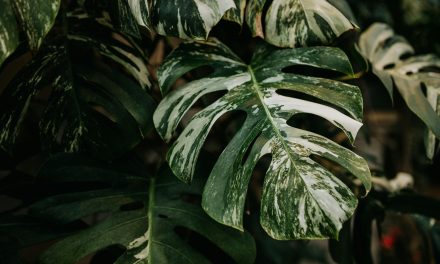
Philodendrons are renowned for their adaptability and diverse range of species that cater to various preferences among plant enthusiasts. These climbing plants feature heart-shaped leaves that can vary in size depending on the species; they thrive in bright indirect light but can also tolerate lower light conditions with ease.
Caring for Philodendrons involves allowing the top inch of soil to dry out before watering; they prefer slightly moist soil but are forgiving if neglected occasionally. Regular pruning will encourage bushier growth while preventing leggy stems from developing over time. With their versatility and ease of care, Philodendrons are perfect choices for beginners looking to cultivate their indoor gardens.
Tips for Caring for Low Maintenance Houseplants
To ensure success with low maintenance houseplants, several tips can enhance your gardening experience while minimizing potential challenges. First and foremost, familiarize yourself with each plant’s specific needs regarding light exposure and watering frequency; understanding these requirements will help you create an optimal environment for growth.
Additionally, consider using self-watering pots or moisture meters that provide visual indicators when it’s time to water your plants—this can alleviate concerns about overwatering or underwatering them inadvertently. Regularly dusting leaves will not only keep them looking pristine but also promote healthy photosynthesis by allowing more sunlight absorption.
Lastly, don’t hesitate to rotate your plants periodically; this encourages even growth by ensuring all sides receive adequate light exposure while preventing them from leaning toward a single light source.
Start Your Green Journey with Confidence
Embarking on your journey into the world of houseplants doesn’t have to be daunting—especially when you choose low maintenance varieties that offer beauty without excessive demands on your time or attention. From resilient Snake Plants and elegant Peace Lilies to adaptable Philodendrons and hardy Cast Iron Plants, there are numerous options available that cater perfectly to beginners.
By selecting plants suited for your environment and following simple care guidelines tailored specifically for each species’ needs, you can cultivate a thriving indoor garden that enhances both your living space’s aesthetics and overall well-being—so start your green journey with confidence today!
FAQs
What are low maintenance houseplants?
Low maintenance houseplants are varieties that require minimal care, making them ideal for beginners or those with busy lifestyles. These plants typically need less frequent watering, can thrive in a range of lighting conditions, and are generally more resilient to neglect.
Which houseplants are considered the best for beginners?
Some of the best low maintenance houseplants for beginners include the Snake Plant, Pothos, ZZ Plant, Spider Plant, and Peace Lily. These plants are known for their hardiness and ability to adapt to various indoor environments.
How often should I water low maintenance houseplants?
Low maintenance houseplants typically require watering every 1-3 weeks, depending on the specific plant and environmental conditions. It’s important to check the soil moisture before watering; many of these plants prefer to dry out between waterings.
Do low maintenance houseplants need special soil or pots?
Most low maintenance houseplants do well in standard potting soil and do not require special soil mixes. However, ensuring that pots have drainage holes is crucial to prevent overwatering and root rot.
Can low maintenance houseplants thrive in low light conditions?
Yes, many low maintenance houseplants can thrive in low light conditions. Plants like the Snake Plant and ZZ Plant are particularly well-suited for areas with limited sunlight, making them perfect for beginners who may not have bright indoor spaces.