Soup is a beloved culinary staple, cherished for its comforting warmth and versatility. Whether it’s a hearty minestrone or a delicate bisque, homemade soup can be a nourishing meal option. However, understanding the shelf life of soup is crucial for both food safety and quality preservation. The longevity of soup depends on various factors, including ingredients, storage methods, and environmental conditions. This article delves into the intricacies of soup shelf life, providing insights into how to maximize freshness and safety.
The shelf life of homemade soup can vary significantly based on its composition and how it is stored. While some soups may remain palatable for several days in the refrigerator, others may spoil more quickly. Understanding these nuances not only helps in meal planning but also minimizes food waste. By adhering to proper storage techniques and recognizing signs of spoilage, you can enjoy your homemade creations without compromising health or flavor.
Factors Affecting Homemade Soup Freshness
Several factors play a pivotal role in determining how long homemade soup remains fresh. One primary consideration is the ingredients used in the soup. Fresh vegetables, meats, and dairy products can introduce varying levels of moisture and bacteria, which can accelerate spoilage. For instance, soups containing dairy or seafood typically have a shorter shelf life compared to those made primarily with vegetables or legumes.
Another critical factor is the cooking method employed. Soups that are simmered for extended periods may have a different microbial profile than those that are quickly prepared. Additionally, the initial cooling process after cooking can significantly impact freshness. Rapid cooling methods can help inhibit bacterial growth, while slow cooling may allow pathogens to thrive.
Typical Refrigerator Storage Time for Homemade Soup

When stored correctly in the refrigerator, homemade soup generally lasts between three to five days. However, this timeframe can fluctuate based on the aforementioned factors. For example, soups rich in protein, such as chicken noodle or beef stew, may begin to show signs of spoilage sooner than vegetable-based varieties. It is essential to monitor the soup closely and adhere to the “first in, first out” principle to ensure older batches are consumed first.
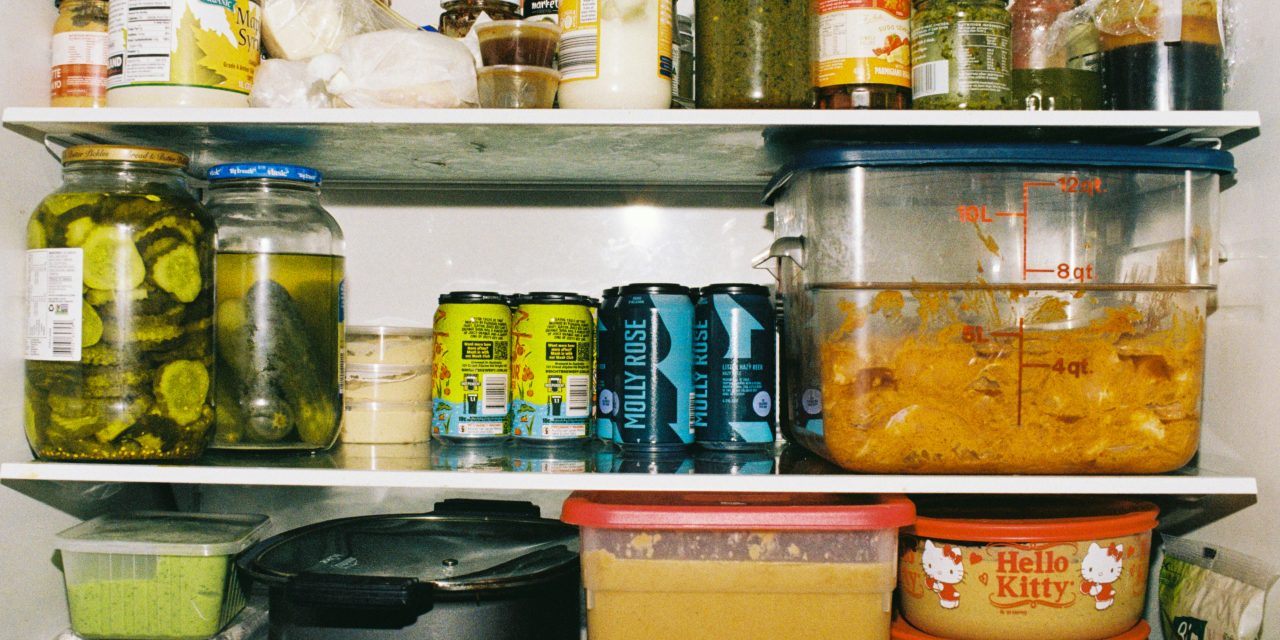
To maximize freshness during refrigeration, it is advisable to store soup in airtight containers. This practice not only prevents cross-contamination but also minimizes exposure to air, which can lead to oxidation and flavor degradation. Always label containers with the date of preparation to keep track of their freshness.
How Ingredients Influence Soup Longevity

The ingredients used in soup significantly influence its longevity and overall quality. For instance, acidic components like tomatoes or vinegar can act as natural preservatives, extending the shelf life of soups that contain them. Conversely, dairy products such as cream or milk can shorten the lifespan due to their susceptibility to bacterial growth.
Proteins also play a crucial role in determining how long soup remains safe to consume. Soups containing meat should be consumed within three days if stored in the refrigerator, while vegetarian soups may last slightly longer. Additionally, the presence of herbs and spices can impact flavor over time; some may intensify while others may diminish, altering the overall taste profile of the dish.
Signs Your Soup Has Gone Bad
Recognizing signs of spoilage is essential for ensuring food safety when consuming homemade soup. One of the most apparent indicators is an off-putting odor; if the soup emits a sour or rancid smell, it is best to discard it immediately. Visual cues are also critical; any discoloration or mold growth on the surface indicates that the soup has spoiled.
Texture changes can also signal spoilage; if the soup appears slimy or has developed an unusual consistency, it should not be consumed. Additionally, if there are any bubbles forming on the surface when stored in the refrigerator, this could indicate fermentation or bacterial activity, warranting disposal.
Proper Storage Tips to Extend Soup Freshness
To extend the freshness of homemade soup, proper storage techniques are paramount. First and foremost, allow the soup to cool completely before transferring it to storage containers. This practice helps prevent condensation from forming inside the container, which can lead to moisture buildup and spoilage.
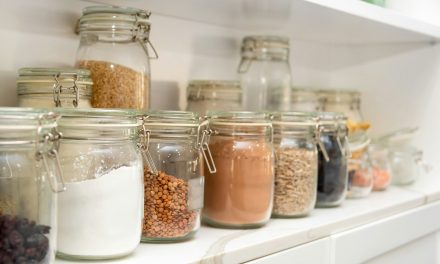
Utilizing airtight containers is crucial for maintaining freshness. Glass jars or BPA-free plastic containers with tight-fitting lids are ideal choices. When filling containers, leave some space at the top to allow for expansion during freezing if applicable. Additionally, consider portioning out soup into smaller containers; this allows for easier reheating and minimizes exposure to air each time you open a larger container.
Best Containers for Storing Homemade Soup
Selecting appropriate containers for storing homemade soup is vital for preserving quality and safety. Glass containers are often preferred due to their non-reactive nature and ability to withstand temperature changes without leaching chemicals into food. They are also microwave-safe and easy to clean.
BPA-free plastic containers are another excellent option; they are lightweight and less prone to breakage compared to glass. When choosing plastic containers, ensure they are labeled as microwave-safe and suitable for freezing if you plan on storing soup long-term. Regardless of the material chosen, ensure that all containers have airtight seals to prevent contamination and moisture loss.
How to Cool Soup Safely Before Refrigeration
Cooling soup safely before refrigeration is essential for preventing bacterial growth. The USDA recommends cooling hot foods from 140°F (60°C) to 70°F (21°C) within two hours and then from 70°F (21°C) to 40°F (4°C) within an additional four hours. To achieve this efficiently, consider dividing large batches into smaller portions.
Another effective method is to place the pot of soup in an ice bath; fill a larger bowl with ice and water and nestle the pot inside it while stirring occasionally. This technique accelerates cooling and helps maintain food safety standards. Once cooled adequately, transfer the soup into storage containers for refrigeration or freezing.
Reheating Soup: Guidelines and Safety Tips
Reheating soup requires careful attention to ensure it reaches safe temperatures while maintaining quality. The USDA recommends reheating leftovers to an internal temperature of 165°F (74°C) before consumption. Use a food thermometer to verify that the entire batch has reached this temperature.
When reheating on the stovetop, heat over medium-low heat while stirring frequently to promote even warming. If using a microwave, cover the container loosely with a microwave-safe lid or wrap to allow steam to escape while preventing splatters. Stir halfway through reheating to ensure uniform temperature distribution.
Freezing Homemade Soup for Longer Storage
Freezing is an excellent method for extending the shelf life of homemade soup beyond refrigeration limits. Most soups freeze well; however, those containing dairy may separate upon thawing. To mitigate this issue, consider freezing soups without dairy and adding cream or milk during reheating.
When freezing soup, allow it to cool completely before transferring it into freezer-safe containers or heavy-duty freezer bags. Remove as much air as possible from bags before sealing to prevent freezer burn. Label each container with the date and type of soup for easy identification later on.
Maximizing the Shelf Life of Your Homemade Soup
In conclusion, understanding the factors that influence homemade soup’s shelf life is essential for both safety and enjoyment. By adhering to proper storage techniques, recognizing signs of spoilage, and utilizing appropriate containers, you can significantly extend the freshness of your culinary creations. Cooling soup safely before refrigeration and reheating it correctly further ensures that you can savor your delicious soups without compromising health.
By implementing these strategies and being mindful of ingredient choices, you can maximize your homemade soup’s longevity while minimizing waste and enhancing your dining experience. Enjoy your culinary endeavors with confidence knowing that you have taken steps to preserve both flavor and safety in every bowl!
FAQs
How long can homemade soup be stored in the fridge?
Homemade soup can typically be stored in the fridge for about 3 to 4 days. It’s important to ensure that the soup is cooled down to room temperature before refrigerating it to maintain its quality and safety.
What is the best way to store homemade soup in the fridge?
The best way to store homemade soup is to place it in an airtight container. This helps prevent contamination and keeps the soup fresh. Make sure to leave some space at the top of the container, as the soup may expand when frozen.
Can I freeze homemade soup for longer storage?
Yes, you can freeze homemade soup for longer storage. Most soups can be frozen for up to 2 to 3 months. To freeze, allow the soup to cool completely, then transfer it to freezer-safe containers or bags, leaving some space for expansion.
How can I tell if homemade soup has gone bad?
Signs that homemade soup has gone bad include an off smell, changes in color, or the presence of mold. If the soup has a sour taste or any unusual texture, it is best to discard it to avoid foodborne illness.
Is it safe to reheat homemade soup multiple times?
While it is generally safe to reheat homemade soup, it is recommended to only reheat it once. Repeated heating and cooling can increase the risk of bacterial growth. Always reheat the soup to a temperature of at least 165°F (74°C) before consuming.