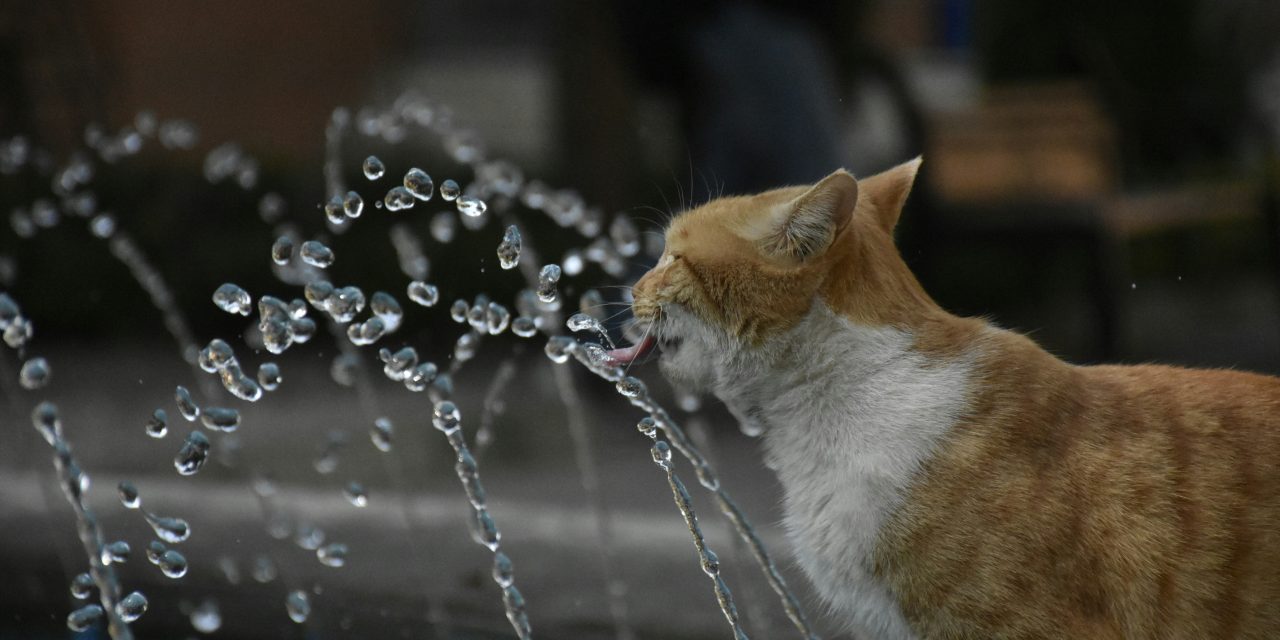
Cats are fascinating creatures, often characterized by their independent nature and unique behaviors. One of the most perplexing traits observed in felines is their aversion to water. This dislike can be attributed to several factors rooted in their evolutionary history, physiology, and sensory perception. Unlike dogs, which have been domesticated for thousands of years and often enjoy water-related activities, cats have retained many of their wild instincts. In the wild, cats are not typically exposed to large bodies of water; instead, they thrive in arid environments where they rely on their grooming habits to maintain cleanliness.
From a physiological standpoint, cats possess a unique coat structure that is designed to repel moisture. Their fur is composed of a top layer of guard hairs that protect the undercoat, which is dense and insulating. When wet, this coat can become heavy and uncomfortable, making it difficult for them to move and regulate their body temperature. Additionally, cats have highly sensitive skin and whiskers that can become overstimulated by water, leading to feelings of anxiety and discomfort. Understanding these factors can help cat owners approach bathing with empathy and care.
Preparing the Bathing Area for a Calm Experience
Creating a serene bathing environment is crucial for ensuring a positive experience for both the cat and the owner. The bathing area should be quiet, free from distractions, and equipped with non-slip surfaces to prevent accidents. A bathtub or sink can serve as an ideal location, but it’s essential to ensure that the area is warm and inviting. Consider placing a towel or mat at the bottom to provide traction and comfort for your feline friend.
Before introducing your cat to the bathing area, it’s advisable to eliminate any potential stressors. Close windows to minimize outside noise, and turn off any loud appliances that may startle your pet. Dim lighting can also create a calming atmosphere. Additionally, having a helper can be beneficial; one person can gently hold the cat while the other manages the bathing process. This teamwork can help reduce anxiety for both parties involved.
Gathering All Necessary Supplies Beforehand

Preparation is key when it comes to bathing a cat. Before beginning the process, gather all necessary supplies to avoid leaving your cat unattended during the bath. Essential items include a gentle cat shampoo specifically formulated for felines, a cup or pitcher for rinsing, towels for drying, and possibly a brush for grooming before and after the bath. It’s also wise to have treats on hand to reward your cat for good behavior throughout the process.
Choosing the right shampoo is critical; human shampoos can disrupt a cat’s natural pH balance and lead to skin irritation. Look for products that are hypoallergenic and free from harsh chemicals or fragrances. Additionally, consider having a waterless shampoo or wipes available as an alternative for cats who are particularly resistant to water. Having everything organized and within reach will help streamline the bathing process and minimize stress for both you and your pet.
Choosing the Right Time to Bathe Your Cat

Timing plays a significant role in the success of bathing your cat. It’s essential to choose a moment when your feline companion is calm and relaxed, ideally after they have had some playtime or exercise. Cats are more likely to be cooperative when they are tired rather than hyperactive or anxious. Observing your cat’s behavior can provide insight into their mood; look for signs of relaxation such as purring or lounging comfortably.
Additionally, consider the time of day when your cat is typically more docile. Many cats are more relaxed during early mornings or late evenings when they are less stimulated by external factors. Avoid bathing during stressful periods, such as after a visit to the veterinarian or during significant changes in their environment. By selecting an optimal time, you increase the likelihood of a smoother bathing experience.
Using Calm and Gentle Handling Techniques
Handling techniques are paramount when bathing a cat. Approach your feline friend with calmness and confidence to instill a sense of security. Speak softly and reassuringly as you gently pick them up and place them in the bathing area. It’s important to avoid sudden movements or loud noises that could startle them further. Using a soothing tone can help create an atmosphere of trust.
While bathing, maintain gentle restraint without causing discomfort. If your cat becomes agitated, take a moment to pause and allow them to acclimate to the situation. Rushing through the process can lead to negative associations with bathing. Instead, focus on providing comfort through gentle strokes and soft words, reinforcing positive behavior with treats or praise whenever possible.
Introducing Water Slowly and Gradually
When it comes to introducing water, patience is key. Start by allowing your cat to explore the bathing area without any water present. Once they seem comfortable, gradually introduce small amounts of lukewarm water using a cup or pitcher. Avoid pouring water directly onto their head or face; instead, focus on wetting their body gently from behind.
As you introduce water, observe your cat’s reactions closely. If they show signs of distress, such as hissing or attempting to escape, take a step back and allow them time to adjust. Gradually increase the amount of water used while ensuring that it remains at a comfortable temperature. This slow approach helps build trust and reduces anxiety associated with water exposure.
Opting for a No-Rinse or Waterless Shampoo Alternative
For many cats, traditional bathing may not be necessary or feasible due to their strong aversion to water. In such cases, no-rinse or waterless shampoos can serve as effective alternatives for maintaining cleanliness without the stress of a full bath. These products are designed specifically for felines and often come in spray or foam forms that can be easily applied.
To use a waterless shampoo, simply apply it according to the manufacturer’s instructions, massaging it into your cat’s fur while avoiding contact with their eyes and mouth. After application, use a towel to wipe away any excess product along with dirt and debris. This method not only saves time but also minimizes discomfort for your pet while still achieving cleanliness.
Keeping the Bath Short and Efficient
When bathing your cat, brevity is essential. Cats generally do not tolerate prolonged exposure to water; therefore, aim to keep the entire process as short as possible—ideally under 10 minutes. Focus on washing only the areas that require attention while avoiding unnecessary soaking of their entire body.
To enhance efficiency, consider pre-brushing your cat before the bath to remove loose fur and tangles. This step not only reduces shedding but also makes rinsing easier during the bath itself. By keeping the bathing session brief and focused on essential areas, you can minimize stress while ensuring your cat remains clean.
Drying Your Cat Comfortably and Thoroughly
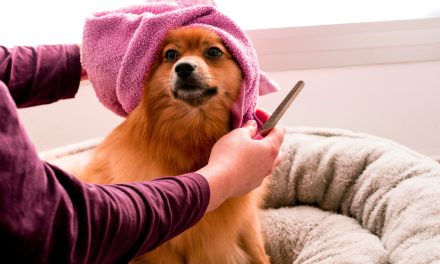
After completing the bath, drying your cat properly is crucial for their comfort and health. Cats are prone to becoming chilled if left damp for too long; therefore, use absorbent towels to gently pat them dry immediately after rinsing off any shampoo. Avoid vigorous rubbing as this may cause discomfort or agitation.
If your cat tolerates it, consider using a low-heat setting on a hairdryer from a safe distance—keeping it at least 12 inches away from their fur—to help speed up the drying process. Always monitor your cat’s reactions closely; if they appear distressed by the noise or sensation, discontinue use immediately. The goal is to ensure they feel comfortable and secure throughout this final stage.
Rewarding Your Cat to Create Positive Associations
Positive reinforcement plays an integral role in shaping your cat’s perception of bathing experiences. After successfully completing the bath, reward your feline companion with treats or engaging playtime as a form of praise for their cooperation. This practice helps create positive associations with bathing sessions over time.
Consider incorporating treats that your cat particularly enjoys; this could include small pieces of cooked chicken or commercial cat treats designed for training purposes. By consistently rewarding good behavior during baths, you reinforce the idea that these experiences can lead to enjoyable outcomes—ultimately reducing anxiety in future sessions.
Knowing When to Seek Professional Help or Alternatives
While many cats can be bathed at home with patience and care, there are instances where seeking professional assistance may be necessary. If your cat exhibits extreme anxiety or aggression during baths despite gradual acclimatization efforts, it may be best to consult with a veterinarian or professional groomer experienced in handling felines.
Additionally, certain medical conditions may warrant professional intervention when it comes to grooming or bathing needs—such as skin infections or allergies requiring specialized treatment protocols. In such cases, veterinarians can provide tailored recommendations based on individual circumstances while ensuring your pet receives appropriate care.
In summary, understanding why cats dislike water is essential for creating a positive bathing experience that minimizes stress for both pet and owner alike. By preparing adequately—gathering supplies beforehand—choosing optimal times for baths, employing gentle handling techniques, introducing water gradually, considering alternatives like no-rinse shampoos, keeping baths short yet efficient, drying thoroughly while rewarding good behavior, and knowing when professional help is needed—cat owners can navigate this challenging task successfully while fostering trust between themselves and their feline companions.
FAQs
Why do some cats hate water?
Many cats dislike water due to their evolutionary background as desert-dwelling animals. They are not naturally inclined to swim or get wet, and their fur is designed to repel moisture. Additionally, the sensation of being wet can be uncomfortable for them, leading to stress and anxiety during bathing.
What are some alternatives to bathing a cat?
If your cat hates water, consider alternatives such as dry shampoos specifically formulated for cats, grooming wipes, or simply brushing them regularly to remove dirt and loose fur. These methods can help maintain your cat’s hygiene without the stress of a bath.
How can I prepare my cat for a bath?
To prepare your cat for a bath, create a calm environment by using treats and positive reinforcement. Allow your cat to explore the bathing area beforehand, and consider using a non-slip mat to help them feel secure. Gradually introduce them to water by using a damp cloth or sponge before attempting a full bath.
What steps should I follow when bathing a cat?
When bathing a cat, start by filling a sink or tub with a few inches of lukewarm water. Gently wet your cat’s fur using a cup or sprayer, avoiding their face. Apply a cat-safe shampoo, lather, and rinse thoroughly. After the bath, wrap your cat in a towel to dry them off and provide comfort.
How can I reduce my cat’s stress during a bath?
To reduce stress during a bath, keep the experience short and calm. Use soothing voices and gentle handling. Offer treats before, during, and after the bath to create positive associations. Additionally, consider bathing your cat when they are tired or after playtime to minimize their energy and anxiety levels.