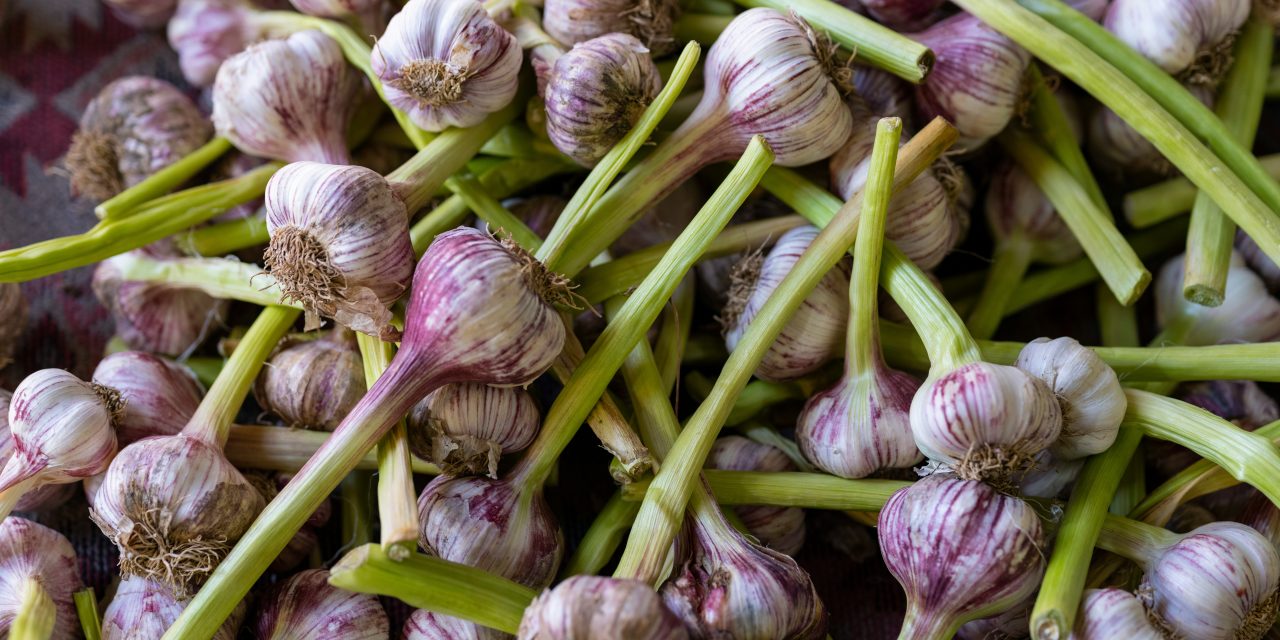
Garlic (Allium sativum) is a versatile and essential ingredient in culinary practices worldwide, known for its robust flavor and numerous health benefits. There are several varieties of garlic, each with unique characteristics and storage requirements. The two primary categories are hardneck and softneck garlic. Hardneck garlic, characterized by its stiff central stalk, typically produces fewer but larger cloves and is known for its complex flavors. Softneck garlic, on the other hand, has a pliable stalk and is often found in grocery stores due to its longer shelf life and adaptability to various climates.
Understanding the specific storage needs of each variety is crucial for maintaining their quality over time. Hardneck garlic tends to have a shorter shelf life, usually lasting around 4 to 6 months when stored properly, while softneck varieties can last up to a year or more. Factors such as moisture content, temperature, and exposure to light significantly influence the longevity of garlic. Therefore, recognizing the type of garlic you possess will aid in determining the best storage practices to ensure optimal freshness and flavor.
Selecting Fresh Garlic Bulbs for Long-Term Storage
When it comes to selecting garlic bulbs for long-term storage, freshness is paramount. Look for bulbs that are firm to the touch, with no soft spots or signs of sprouting. The outer skin should be papery and intact, indicating that the bulb has not been damaged or compromised. Avoid bulbs that exhibit any signs of mold or discoloration, as these can indicate spoilage or disease.
Additionally, consider the size of the cloves when selecting garlic for storage. Larger cloves tend to have a higher oil content, which can enhance flavor and prolong shelf life. It is also advisable to purchase garlic from reputable sources, such as local farmers’ markets or organic suppliers, as these bulbs are often harvested at peak maturity and handled with care. By choosing high-quality garlic bulbs, you set the foundation for successful long-term storage.
Preparing Garlic for Storage: Cleaning and Trimming

Before storing garlic, proper preparation is essential to maximize its shelf life. Begin by gently brushing off any dirt or debris from the bulbs using a soft brush or cloth. Avoid washing garlic with water, as excess moisture can promote mold growth and spoilage during storage. If necessary, trim away any excess roots at the base of the bulb, but be careful not to cut into the cloves themselves.
Once cleaned, inspect each bulb for any signs of damage or decay. Discard any bulbs that show signs of rot or disease, as these can compromise the quality of healthy bulbs during storage. Properly prepared garlic will not only last longer but will also retain its flavor and nutritional benefits, making it a valuable addition to your pantry.
Ideal Temperature and Humidity Conditions for Garlic Storage

Garlic thrives in specific environmental conditions that promote its longevity. The ideal temperature range for storing garlic is between 60°F to 65°F (15°C to 18°C). Temperatures that are too high can cause sprouting, while excessively low temperatures may lead to freezing and damage to the cloves. Maintaining a consistent temperature is crucial; fluctuations can negatively impact the quality of stored garlic.
Humidity levels also play a significant role in garlic storage. The optimal humidity range is around 60% to 70%. High humidity can lead to mold growth, while low humidity can cause the bulbs to dry out prematurely. Utilizing a hygrometer can help monitor humidity levels in your storage area, ensuring that conditions remain favorable for garlic preservation.
Best Containers and Materials for Storing Garlic
Selecting appropriate containers for garlic storage is vital for maintaining its quality over time. Breathable materials such as mesh bags, paper bags, or wooden crates are ideal choices, as they allow for adequate air circulation while preventing moisture buildup. Avoid using plastic bags or airtight containers, as these can trap moisture and lead to spoilage.
When using mesh bags or paper bags, ensure they are clean and dry before placing the garlic inside. If using wooden crates or baskets, line them with breathable fabric to prevent direct contact with moisture-absorbing surfaces. Proper container selection not only aids in preserving garlic but also helps prevent the transfer of odors from other foods in your pantry.
Storing Garlic in a Cool, Dark, and Well-Ventilated Place
The location where garlic is stored significantly impacts its longevity and quality. A cool, dark environment is essential for preventing sprouting and decay. Ideal storage locations include pantries, cellars, or cupboards away from direct sunlight and heat sources such as stoves or ovens.
Ventilation is equally important; stagnant air can lead to moisture accumulation and mold growth. Ensure that the chosen storage area has good airflow to keep garlic dry and fresh. Regularly check on stored garlic to ensure that conditions remain optimal and that no bulbs are showing signs of spoilage.
How to Use Mesh Bags and Paper Bags for Garlic Storage
Mesh bags are an excellent option for storing garlic due to their breathable nature. When using mesh bags, place whole bulbs inside without overcrowding them; this allows air circulation around each bulb, reducing the risk of moisture buildup. Hang the bags in a cool, dark place or place them on a shelf where they won’t be exposed to direct light.
Paper bags can also be effective for garlic storage; however, they should be used with caution. Ensure that the paper bags are not too tightly sealed; allowing some airflow is crucial to prevent moisture retention. Store these bags in a similar environment as mesh bags—cool and dark—to maintain optimal conditions for your garlic.
Freezing Garlic: Methods and Tips for Long-Term Preservation
Freezing garlic is an effective method for long-term preservation while retaining its flavor and nutritional benefits. There are several methods for freezing garlic: whole cloves, minced garlic, or roasted garlic. For whole cloves, peel them and place them in an airtight freezer bag or container; remove as much air as possible before sealing.
Minced garlic can be frozen by placing it in ice cube trays filled with olive oil or water; once frozen solid, transfer the cubes into a freezer bag for easy portioning later on. Roasted garlic can also be frozen; simply roast the cloves until soft, allow them to cool, then mash them into a paste before freezing in small portions.
Dehydrating Garlic for Extended Shelf Life
Dehydrating garlic is another excellent method for extending its shelf life while concentrating its flavor profile. To dehydrate garlic effectively, start by peeling the cloves and slicing them thinly; uniform thickness ensures even drying. Use a food dehydrator set at 125°F (52°C) or an oven on low heat with the door slightly ajar to allow moisture to escape.
Once dried, store dehydrated garlic in airtight containers away from light and moisture. Properly dehydrated garlic can last up to a year when stored correctly and can be rehydrated easily by soaking in water before use in recipes.
Avoiding Common Storage Mistakes That Cause Garlic to Spoil
Several common mistakes can lead to premature spoilage of stored garlic. One major error is washing garlic before storage; excess moisture encourages mold growth and decay. Another mistake is storing garlic near potatoes; both foods release gases that can accelerate spoilage when kept together.
Additionally, failing to monitor temperature and humidity levels can compromise stored garlic’s quality. Regularly checking on your stored bulbs ensures that they remain in optimal conditions. Lastly, neglecting to inspect stored garlic periodically can result in unnoticed spoilage spreading to healthy bulbs.
Signs of Spoilage and When to Discard Stored Garlic
Recognizing signs of spoilage is crucial for maintaining the quality of stored garlic. Common indicators include soft spots on the bulbs, sprouting green shoots from the cloves, or an off-putting odor emanating from the bulbs. If any of these signs are present, it’s best to discard affected bulbs immediately to prevent further spoilage.
Additionally, if you notice any mold growth on the surface of the bulbs or if they feel excessively dry or shriveled, it’s time to dispose of them. Regularly inspecting your stored garlic will help ensure that you only use fresh bulbs in your cooking endeavors.
In summary, understanding various garlic varieties and their specific storage needs is essential for maintaining their quality over time. Selecting fresh bulbs, preparing them properly through cleaning and trimming, and ensuring ideal temperature and humidity conditions are critical steps in successful storage practices. Utilizing appropriate containers like mesh or paper bags while storing in a cool, dark place enhances longevity significantly. Freezing and dehydrating offer excellent preservation methods as well while avoiding common mistakes ensures optimal freshness throughout their shelf life. Regular inspections will help identify spoilage early on so that only the best quality garlic makes it into your culinary creations.
FAQs
What is the best way to store whole garlic bulbs for long-term freshness?
The best way to store whole garlic bulbs is to keep them in a cool, dry place with good air circulation. A mesh bag or a basket works well, as it allows air to flow around the bulbs. Avoid storing garlic in plastic bags, as this can trap moisture and lead to mold growth.
Can garlic be stored in the refrigerator?
Storing garlic in the refrigerator is not recommended for long-term freshness, as the cold and humidity can cause it to sprout. However, if you have peeled or chopped garlic, it can be stored in an airtight container in the fridge for a short period, typically up to a week.
How should peeled or chopped garlic be stored for maximum shelf life?
Peeled or chopped garlic should be stored in an airtight container in the refrigerator. For longer storage, you can freeze it in small portions, either in ice cube trays or freezer bags, which can last for several months without losing flavor.
Is it possible to store garlic in oil, and what precautions should be taken?
Yes, garlic can be stored in oil, but it is important to take precautions to prevent botulism. Always refrigerate garlic-infused oil and use it within a week. For longer storage, consider freezing the oil or using commercially prepared garlic oil, which is made with preservatives to ensure safety.
What are the signs that garlic has gone bad?
Signs that garlic has gone bad include sprouting green shoots, soft or mushy texture, dark spots, or an off smell. If you notice any of these signs, it is best to discard the garlic to avoid consuming spoiled produce.