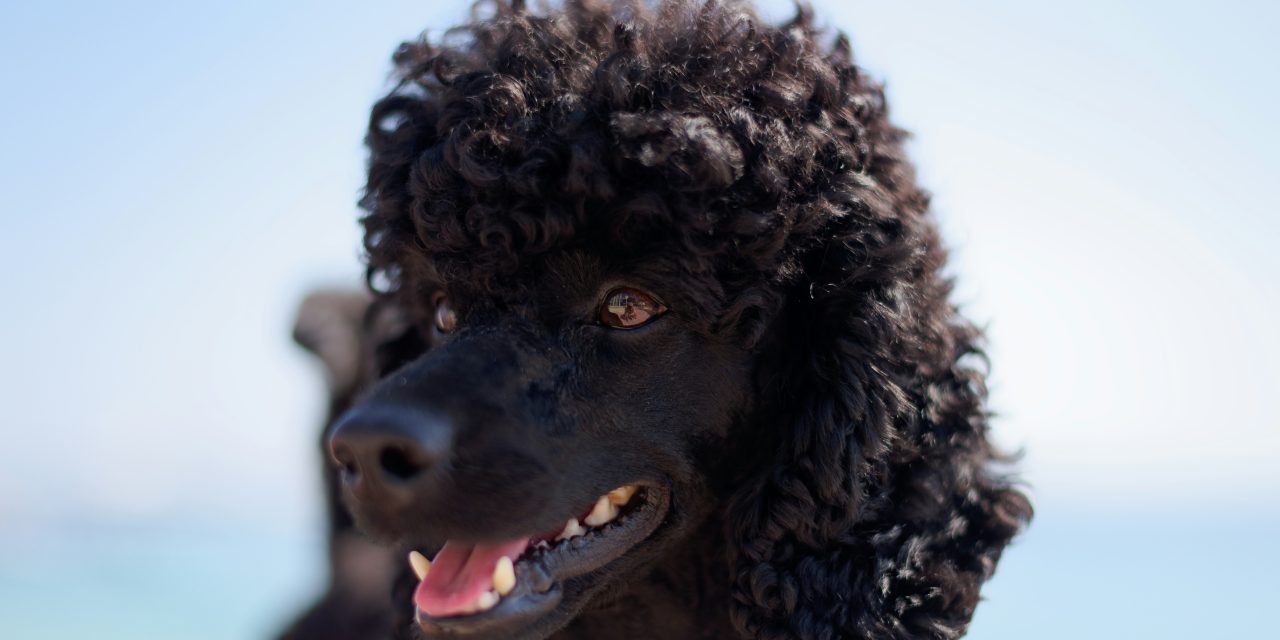
Curly-coated dogs possess a distinctive fur texture that sets them apart from their straight-haired counterparts. This unique coat type is characterized by tight, spiral curls that not only provide aesthetic appeal but also serve functional purposes. The curls create a protective barrier against environmental elements, such as rain and cold weather, while also minimizing shedding. Breeds like the Curly-Coated Retriever, Poodle, and Irish Water Spaniel exemplify this fascinating fur structure.
The structure of curly fur is composed of a complex arrangement of hair follicles that produce hair strands with varying degrees of curliness. This variation can be attributed to genetic factors, which influence the shape of the hair shaft. The curls trap air, providing insulation and buoyancy for water-loving breeds. However, this unique texture also presents challenges, such as a propensity for matting and tangling, necessitating a dedicated grooming routine to maintain coat health and appearance.
Choosing the Right Tools for Brushing Curly Fur
Selecting appropriate grooming tools is crucial for effectively managing curly-coated dog fur. The right tools not only facilitate the grooming process but also minimize discomfort for your pet. Essential tools include a slicker brush, which features fine, bent wires designed to penetrate the dense curls and remove loose hair and debris. Additionally, a wide-toothed comb is invaluable for detangling knots without causing breakage or pain.
Another useful tool is the pin brush, which can help fluff the curls while distributing natural oils throughout the coat. For dogs with particularly thick or long curly fur, a dematting tool may be necessary to address stubborn tangles. It is essential to invest in high-quality grooming tools that are specifically designed for curly coats to ensure optimal results and comfort during grooming sessions.
Preparing Your Curly-Coated Dog for Brushing

Before embarking on a grooming session, it is vital to prepare your curly-coated dog adequately. Start by creating a calm environment free from distractions, as this will help your pet feel more at ease during the process. Consider using treats or toys to create positive associations with grooming. Additionally, ensure that your dog is clean and dry before brushing; bathing your dog prior to grooming can help loosen dirt and debris trapped within the curls.
Once your dog is ready, gently inspect the coat for any visible tangles or mats. This preliminary examination allows you to identify problem areas that may require extra attention during brushing. It is also advisable to brush your dog in a well-lit area to ensure you can see any knots or tangles clearly.
Detangling Tips: How to Gently Remove Knots

Detangling curly fur requires patience and a gentle touch to avoid causing pain or discomfort to your dog. Begin by applying a detangling spray or conditioner specifically formulated for dogs; these products can help soften the hair and make it easier to work through knots. Always start at the ends of the hair and gradually work your way up toward the roots, using your fingers to gently separate tangled strands.
If you encounter a particularly stubborn knot, consider using a dematting tool designed for this purpose. These tools feature sharp blades that can cut through mats without damaging the surrounding fur. However, it is crucial to use them cautiously and sparingly to avoid injuring your dog’s skin. If a knot proves too difficult to manage, it may be best to consult a professional groomer for assistance.
Step-by-Step Guide to Brushing Curly Fur Safely
Brushing curly fur requires a systematic approach to ensure thorough grooming while minimizing discomfort for your dog. Begin by sectioning the coat into manageable parts; this allows you to focus on one area at a time without overwhelming your pet. Start with the underbelly and legs, as these areas are often more sensitive.
Using a slicker brush, gently work through each section of fur in small strokes, being careful not to pull too hard on any tangles. Follow up with a wide-toothed comb to further detangle and fluff the curls. Pay special attention to areas prone to matting, such as behind the ears and under the legs. Regularly check for any signs of discomfort in your dog; if they seem agitated or in pain, take a break and offer reassurance.
Frequency: How Often Should You Brush Your Curly-Coated Dog?
The frequency of brushing curly-coated dogs largely depends on their specific breed and coat type. Generally, it is recommended to brush these dogs at least once a week; however, some breeds may require more frequent grooming sessions due to their dense coats. For instance, Poodles often benefit from bi-weekly grooming sessions to prevent matting and maintain their signature look.
In addition to regular brushing, it is essential to monitor your dog’s coat condition between grooming sessions. If you notice increased shedding or matting, consider increasing the frequency of brushing to maintain coat health and prevent discomfort for your pet.
Avoiding Common Mistakes That Damage Curly Fur
When grooming curly-coated dogs, certain common mistakes can lead to damage or discomfort. One prevalent error is using inappropriate tools; brushes designed for straight hair can cause breakage and irritation in curly fur. Always opt for tools specifically designed for curly coats to ensure effective grooming without harm.
Another mistake is neglecting regular grooming sessions; infrequent brushing can lead to severe matting that may require professional intervention. Additionally, rushing through the grooming process can cause anxiety for your dog and result in negative associations with brushing. Take your time and approach each session with patience and care.
The Importance of Regular Grooming for Skin Health
Regular grooming is not only essential for maintaining the appearance of curly-coated dogs but also plays a critical role in their overall skin health. Grooming helps remove dead skin cells, dirt, and debris that can accumulate within the curls, reducing the risk of skin infections or irritations. Furthermore, regular brushing stimulates blood circulation in the skin, promoting healthy hair growth.
In addition to brushing, it is vital to monitor your dog’s skin condition during grooming sessions. Look for signs of redness, irritation, or unusual odors that may indicate underlying skin issues requiring veterinary attention.
Using Conditioners and Detangling Sprays Safely
Conditioners and detangling sprays can significantly enhance the grooming experience for curly-coated dogs when used correctly. Opt for products specifically formulated for dogs, as human products may contain ingredients that can irritate their skin or coat. Look for conditioners that contain natural ingredients such as aloe vera or oatmeal, which can soothe and hydrate the skin.
When applying detangling sprays, ensure that you follow the manufacturer’s instructions carefully. Spray lightly onto the coat before brushing; this will help soften tangles without making the fur overly greasy or heavy. Always test new products on a small area of your dog’s skin before full application to check for any adverse reactions.
When to Seek Professional Grooming Help
While many dog owners can manage basic grooming tasks at home, there are instances when seeking professional help becomes necessary. If you encounter severe matting that cannot be resolved through regular brushing techniques or if your dog exhibits signs of distress during grooming sessions, it may be time to consult a professional groomer.
Additionally, certain breeds may require specialized grooming techniques that are best handled by experienced professionals. Regular visits to a groomer can also provide valuable insights into maintaining your dog’s coat health and overall well-being.
Maintaining Your Dog’s Coat Between Brushings
Maintaining your dog’s coat between grooming sessions is essential for preventing matting and ensuring overall coat health. Regularly check your dog’s fur for any signs of tangling or debris accumulation; addressing these issues promptly can save time and effort during scheduled grooming sessions.
Incorporating regular baths into your dog’s routine can also help maintain coat cleanliness and health. Use high-quality dog shampoos designed for curly coats; these products will cleanse without stripping natural oils essential for maintaining healthy curls. After bathing, ensure thorough drying before brushing; damp fur can lead to increased tangling.
In summary, understanding how to care for curly-coated dogs involves recognizing their unique fur texture and employing appropriate grooming techniques tailored specifically for their needs. By selecting suitable tools, preparing adequately for brushing sessions, and maintaining regular grooming routines, pet owners can ensure their furry companions remain comfortable and healthy while showcasing their beautiful coats.
FAQs
What type of brush is best for curly-coated dogs?
The best type of brush for curly-coated dogs is a slicker brush or a pin brush. These brushes help to detangle the curls without pulling on the hair, which can cause damage. Additionally, a wide-toothed comb can be useful for removing any mats or tangles gently.
How often should I brush my curly-coated dog?
Curly-coated dogs should be brushed at least once a week to prevent matting and to keep their coat healthy. However, if your dog has a particularly thick or long coat, you may need to brush them more frequently, such as every few days.
What technique should I use when brushing a curly-coated dog?
When brushing a curly-coated dog, start by sectioning the coat and working from the roots to the tips. Use gentle, slow strokes to avoid pulling on the hair. It’s important to be patient and to take your time, especially when encountering tangles or mats.
Can I use human hair products on my curly-coated dog?
No, it is not recommended to use human hair products on dogs, as they can contain ingredients that are harmful to pets. Instead, use grooming products specifically formulated for dogs, which are designed to be safe and effective for their unique coat types.
What should I do if my curly-coated dog has mats?
If your curly-coated dog has mats, it’s best to use a dematting tool or a slicker brush to carefully work through the tangles. Start at the edges of the mat and gently pull it apart, being cautious not to tug too hard. If the mat is severe, consider seeking help from a professional groomer.