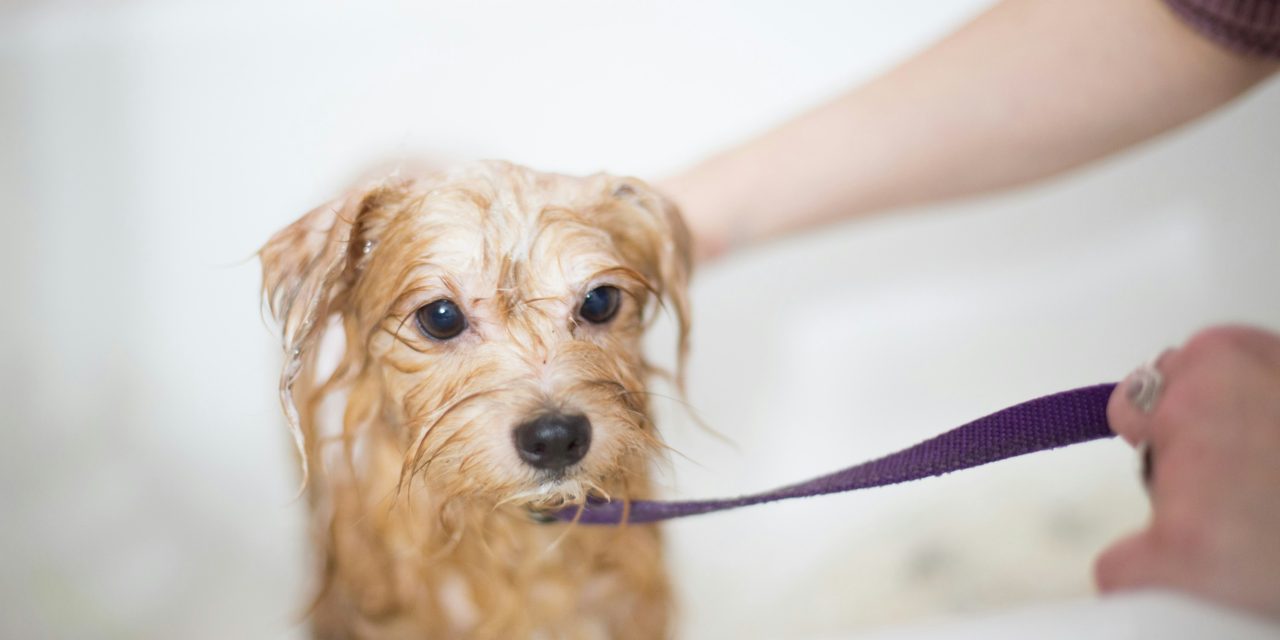
Early grooming is a fundamental aspect of responsible pet ownership that significantly contributes to a puppy’s overall well-being. Establishing a grooming routine from a young age not only promotes hygiene but also fosters a strong bond between the pet and owner. Regular grooming helps to prevent matting, reduces shedding, and allows for early detection of skin issues or parasites. Furthermore, it acclimatizes puppies to handling, which is crucial for their future veterinary visits and overall socialization.
The psychological benefits of early grooming cannot be overstated. Puppies that are groomed regularly tend to exhibit lower levels of anxiety and stress when faced with handling or unfamiliar situations. This early exposure helps them develop resilience and adaptability, traits that are essential for their development into well-adjusted adult dogs. By prioritizing grooming in the early stages of a puppy’s life, owners can set the foundation for a lifetime of positive experiences related to personal care.
Preparing a Calm Environment for Grooming
Creating a serene atmosphere is vital for successful grooming sessions. A calm environment minimizes distractions and helps the puppy feel secure, which is essential for reducing anxiety. Choose a quiet space in your home where your puppy feels comfortable, away from loud noises or sudden movements. This could be a designated grooming area or simply a cozy corner with familiar scents and textures.
In addition to selecting an appropriate location, consider the time of day when your puppy is most relaxed. After playtime or a long walk can be ideal, as they are likely to be more subdued and receptive to grooming. Utilizing calming music or white noise can further enhance the tranquility of the environment, making it easier for your puppy to acclimate to the grooming process.
Choosing the Right Grooming Tools for Your Puppy

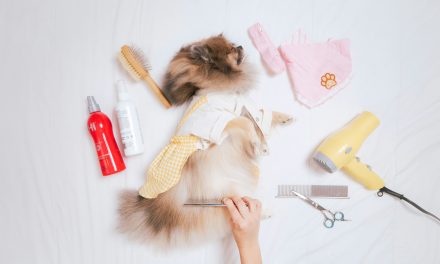
Selecting appropriate grooming tools is crucial for ensuring a positive experience for both the puppy and the owner. The right tools can make grooming more efficient and comfortable, reducing the likelihood of stress or discomfort. Begin by assessing your puppy’s coat type—whether it is short, long, curly, or wiry—as this will dictate the specific tools needed.
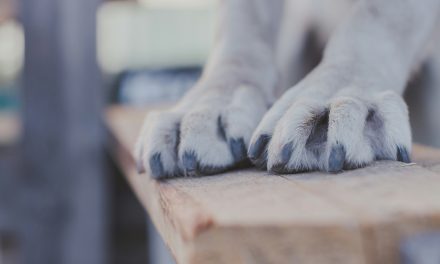
For short-haired breeds, a rubber curry brush or a bristle brush may suffice, while long-haired breeds often require a slicker brush or comb to prevent tangles. Nail clippers or grinders are essential for maintaining paw health, and ear cleaning solutions can help prevent infections. Investing in high-quality tools designed specifically for pets will not only enhance the grooming experience but also ensure that your puppy remains comfortable throughout the process.
Introducing Your Puppy to Handling and Touch

Before diving into grooming, it is essential to familiarize your puppy with being handled and touched in various areas of their body. Start by gently petting your puppy in different locations, such as their paws, ears, and tail. This gradual introduction helps them associate touch with positive experiences rather than fear or discomfort.
Incorporate handling exercises into playtime by gently lifting their paws or examining their ears while offering praise and treats. This practice not only builds trust but also prepares them for future grooming sessions where they will need to be comfortable with being touched in sensitive areas. The goal is to create an environment where your puppy feels safe and secure during handling.
Starting with Short and Positive Grooming Sessions
When initiating grooming sessions, it is crucial to keep them short and enjoyable. Begin with just a few minutes of brushing or combing, gradually increasing the duration as your puppy becomes more accustomed to the process. Short sessions help prevent overwhelming your puppy and allow them to build positive associations with grooming.
During these initial sessions, focus on areas that your puppy enjoys being touched. This could include gentle brushing along their back or behind their ears. Always monitor their body language for signs of discomfort or stress, and be prepared to stop if they become anxious. Ending on a positive note will reinforce the idea that grooming is a pleasant experience.
Using Treats and Praise to Encourage Cooperation
Incorporating treats and verbal praise into grooming sessions can significantly enhance your puppy’s willingness to cooperate. Positive reinforcement is a powerful tool in training and behavior modification; it encourages desired behaviors while building trust between you and your pet. Use small, high-value treats that your puppy loves to reward them during grooming.
As you groom, offer treats intermittently for calm behavior or when they allow you to handle sensitive areas like their paws or ears. Verbal praise should accompany treats to reinforce positive behavior further. This combination creates a positive feedback loop that encourages your puppy to remain calm and cooperative during grooming sessions.
Gradually Introducing Different Grooming Activities
Once your puppy has become accustomed to basic brushing, it is time to introduce additional grooming activities gradually. This may include nail trimming, ear cleaning, or bathing. Each new activity should be introduced slowly and with care, ensuring that your puppy remains comfortable throughout the process.
Start with one new activity at a time, allowing your puppy to acclimate before moving on to another task. For instance, after successfully brushing your puppy for several sessions, you might introduce nail trimming by simply allowing them to sniff the clippers before attempting to trim a single nail. This gradual approach helps prevent overwhelming your puppy and fosters a sense of security during each new experience.
Recognizing and Responding to Your Puppy’s Stress Signals
Understanding your puppy’s body language is essential for recognizing signs of stress or discomfort during grooming sessions. Common stress signals include panting, whining, attempting to escape, or tucking their tail between their legs. Being attuned to these signals allows you to respond appropriately and adjust your approach as needed.
If you notice signs of distress, take a step back and give your puppy some space. Allow them time to relax before resuming grooming activities. It may also be beneficial to shorten the session duration or take breaks between tasks to help alleviate anxiety. By being responsive to your puppy’s needs, you can create a more positive grooming experience that fosters trust and cooperation.
Establishing a Consistent Grooming Routine
Consistency is key when it comes to establishing a successful grooming routine for your puppy. Regular grooming not only promotes hygiene but also reinforces positive associations with the process over time. Aim for a schedule that works for both you and your puppy—this could be weekly or bi-weekly sessions depending on their coat type and individual needs.
Incorporating grooming into your routine helps normalize the experience for your puppy, making it less intimidating as they grow older. Consistency also allows you to monitor any changes in their coat or skin condition over time, enabling early detection of potential health issues.
Seeking Professional Help When Necessary
While many aspects of grooming can be managed at home, there may be times when seeking professional assistance is necessary. If you encounter challenges such as severe matting, aggressive behavior during grooming, or if you are unsure about specific techniques, consulting a professional groomer can provide valuable guidance.
Professional groomers possess specialized knowledge and experience that can help address specific concerns while ensuring the safety and comfort of your puppy. They can also provide tips on maintaining your puppy’s coat between visits and recommend appropriate products tailored to your dog’s needs.
Maintaining Patience and Building Trust Over Time
Building trust with your puppy during grooming takes time and patience. Each dog is unique; some may adapt quickly while others require more time to feel comfortable with handling and grooming activities. It is essential to remain patient throughout this process and avoid forcing any actions that may cause fear or anxiety.
Celebrate small victories along the way—whether it’s successfully trimming one nail or completing a full brushing session without stress—these moments contribute to building trust over time. By fostering a positive environment where your puppy feels safe and secure during grooming, you lay the groundwork for a lifelong bond based on mutual respect and understanding.
In summary, early grooming plays an integral role in promoting hygiene, reducing anxiety, and fostering trust between puppies and their owners. By preparing a calm environment, choosing appropriate tools, introducing handling gradually, utilizing positive reinforcement techniques, recognizing stress signals, establishing consistency in routines, seeking professional help when necessary, and maintaining patience throughout the process, owners can ensure that their puppies develop into well-groomed adults who enjoy the grooming experience as part of their overall care regimen.
FAQs
What age should I start grooming my puppy?
It is recommended to start grooming your puppy as early as 8 weeks old. Early exposure helps them become accustomed to the grooming process and reduces fear or anxiety later on.
How can I make grooming a positive experience for my puppy?
To make grooming a positive experience, use treats and praise to reward your puppy during and after grooming sessions. Start with short sessions and gradually increase the duration as your puppy becomes more comfortable.
What tools do I need for grooming my puppy?
Essential grooming tools for puppies include a soft brush, a comb, nail clippers, and possibly a grooming mitt. The specific tools may vary depending on your puppy’s coat type.
How often should I groom my puppy?
The frequency of grooming depends on the breed and coat type of your puppy. Generally, puppies with longer or thicker coats may require grooming every few days, while short-haired breeds may only need grooming once a week.
What should I do if my puppy shows signs of fear during grooming?
If your puppy shows signs of fear, stop the grooming session and give them a break. Gradually reintroduce grooming in a calm environment, using treats and positive reinforcement to build their confidence.