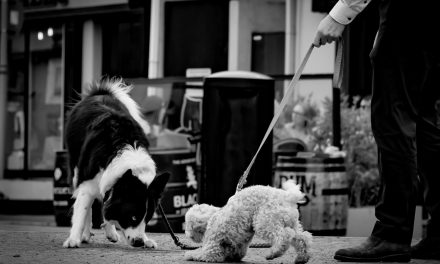
Canine communication is a complex interplay of vocalizations, body language, and facial expressions that dogs utilize to convey their feelings and intentions. Understanding these signals is crucial for dog owners and trainers alike, as it fosters a deeper bond between humans and their canine companions. Dogs communicate primarily through non-verbal cues, which can be categorized into several key components: posture, movement, facial expressions, and vocalizations. Each of these elements plays a significant role in conveying a dog’s emotional state.
For instance, a dog’s posture can indicate confidence or submission. A relaxed stance with a wagging tail often signifies happiness, while a crouched body may suggest fear or submission. Similarly, the position of a dog’s ears can provide insight into their emotional state; ears held back may indicate anxiety, while perked ears often signal curiosity or excitement. By observing these subtle cues, owners can better understand their dogs’ needs and emotions, leading to improved interactions and training outcomes.
Common Signs of Stress in Dogs: What to Look For
Recognizing stress in dogs is essential for ensuring their well-being. Stress can manifest in various ways, and being able to identify these signs allows owners to intervene before the situation escalates. Common indicators of stress include excessive panting, pacing, drooling, and changes in appetite. Additionally, dogs may exhibit destructive behaviors or withdrawal from social interactions when they are feeling overwhelmed.
Another critical sign of stress is the presence of repetitive behaviors, such as excessive licking or chewing on themselves. These actions can be coping mechanisms for anxiety and may lead to further health issues if not addressed. Observing your dog’s behavior in different environments can help pinpoint specific triggers that contribute to their stress levels. By being vigilant and proactive, owners can create a more supportive environment for their pets.
Identifying Fear Responses: How Dogs Show They’re Afraid

Fear responses in dogs can vary widely depending on the individual dog’s temperament and past experiences. Common signs of fear include trembling, cowering, hiding, or attempting to escape from a perceived threat. Some dogs may also exhibit aggressive behaviors when frightened, such as growling or snapping, as a means of self-defense. Understanding these fear responses is crucial for preventing escalation and ensuring the safety of both the dog and those around them.
In addition to physical signs, dogs may also vocalize their fear through whimpering or barking. These vocalizations serve as a means of expressing distress and seeking comfort from their owners. It is essential for dog owners to recognize these signals and respond appropriately to help alleviate their pet’s fear. Providing a safe space and using calming techniques can significantly reduce a dog’s anxiety levels during stressful situations.
The Role of Tail Position and Movement in Stress and Fear

The tail is one of the most expressive parts of a dog’s body and plays a vital role in canine communication. Tail position and movement can provide valuable insights into a dog’s emotional state. A wagging tail does not always indicate happiness; the speed and height of the wag can convey different messages. For example, a high, fast wag may signify excitement or happiness, while a low wagging tail could indicate insecurity or submission.
When a dog is stressed or fearful, its tail may be tucked between its legs or held low against its body. This position indicates discomfort and a desire to retreat from the situation. Conversely, an upright tail with stiff movements may signal aggression or heightened alertness. Understanding these nuances in tail communication can help owners better interpret their dog’s feelings and respond appropriately to their needs.
Ear and Eye Signals: Decoding Subtle Stress Indicators
Ears are another critical component of canine body language that can reveal much about a dog’s emotional state. The position of a dog’s ears can indicate curiosity, fear, or aggression. Ears that are perked up and facing forward typically suggest interest or excitement, while ears that are flattened against the head often indicate fear or submission.
Eye contact also plays a significant role in canine communication. A relaxed dog will have soft eyes with a gentle gaze, while a fearful dog may exhibit wide eyes with dilated pupils. Avoiding eye contact can also be a sign of submission or discomfort. Understanding these subtle signals allows owners to gauge their dog’s emotional state more accurately and respond with empathy and care.
Mouth and Facial Expressions: When Your Dog Is Uncomfortable
A dog’s mouth and facial expressions can provide critical insights into their emotional well-being. A relaxed mouth with slightly open lips often indicates comfort and contentment. In contrast, a tightly closed mouth or one that is curled back in a grimace may signal discomfort or fear. Additionally, showing teeth can be an aggressive display or an indication of stress when combined with other body language signals.
Facial expressions are also essential for understanding canine emotions. A dog that is panting excessively with its mouth open may be experiencing stress or anxiety rather than simply being hot. Observing these facial cues in conjunction with other body language signals can help owners identify when their dog is uncomfortable and take appropriate action to alleviate their distress.
Posture and Movement: Recognizing Defensive and Avoidance Behaviors
Posture plays a crucial role in canine communication, particularly when it comes to defensive or avoidance behaviors. A dog that stands tall with its head held high may be displaying confidence or assertiveness, while a dog that crouches low to the ground is likely feeling threatened or submissive. Understanding these postural cues is vital for interpreting your dog’s emotional state accurately.
Movement patterns also provide insight into how a dog is feeling. A dog that is constantly moving away from a situation or person may be exhibiting avoidance behavior due to fear or discomfort. Conversely, a dog that approaches with confidence may feel secure in its environment. Recognizing these patterns allows owners to create a more supportive atmosphere for their pets by minimizing exposure to stressors.
Vocalizations as Stress and Fear Signals: Whining, Growling, and Barking
Vocalizations are an essential aspect of canine communication that can indicate stress or fear. Whining is often associated with anxiety or discomfort; dogs may whine when they are seeking attention or expressing distress about a situation. Growling can serve as both a warning signal and an expression of discomfort; it is crucial for owners to pay attention to the context in which growling occurs.
Barking is another vocalization that can signify various emotions depending on the tone and frequency. High-pitched barks may indicate excitement or playfulness, while deep barks can signal aggression or fear. Understanding the nuances of these vocalizations allows owners to respond appropriately to their dogs’ needs and emotions.
Environmental Triggers: What Causes Stress and Fear in Dogs
Various environmental factors can contribute to stress and fear in dogs. Common triggers include loud noises such as thunderstorms or fireworks, unfamiliar people or animals, changes in routine, and even certain scents or visual stimuli. Identifying these triggers is essential for managing your dog’s stress levels effectively.
Additionally, socialization plays a significant role in shaping a dog’s response to different environments. Dogs that have not been adequately socialized may be more prone to fear responses when encountering new situations or stimuli. By gradually exposing your dog to various environments and experiences in a controlled manner, you can help them build confidence and reduce their overall stress levels.
How to Respond When Your Dog Shows Signs of Stress or Fear
When your dog exhibits signs of stress or fear, it is crucial to respond appropriately to help alleviate their discomfort. First and foremost, remain calm yourself; dogs are highly attuned to their owner’s emotions and may become more anxious if they sense panic or distress from you. Providing reassurance through gentle petting or soothing words can help your dog feel more secure.
Creating a safe space for your dog is also essential during stressful situations. This could be a designated area in your home where they feel comfortable and secure, equipped with their favorite toys and bedding. Additionally, employing calming techniques such as desensitization training or using anxiety-reducing products like pheromone diffusers can significantly improve your dog’s emotional well-being.
Preventing Stress and Fear: Creating a Calm and Safe Environment for Your Dog
Preventing stress and fear in dogs begins with creating a calm and safe environment tailored to their needs. Establishing consistent routines helps dogs feel secure by providing predictability in their daily lives. Regular exercise is also vital for reducing anxiety; physical activity releases endorphins that promote relaxation.
Socialization should be prioritized from an early age; exposing puppies to various people, animals, and environments helps them develop confidence and adaptability as they grow older. Additionally, providing mental stimulation through interactive toys or training exercises can keep your dog engaged and reduce boredom-related stress.
In conclusion, understanding canine communication through body language is essential for fostering healthy relationships between dogs and their owners. By recognizing signs of stress and fear, identifying environmental triggers, and responding appropriately, owners can create supportive environments that promote emotional well-being for their pets. Through proactive measures such as socialization, routine establishment, and mental stimulation, we can significantly reduce stress levels in our canine companions while enhancing their overall quality of life.
### FAQ Section
1. **What are the most common signs of stress in dogs?**
– Common signs include excessive panting, pacing, drooling, changes in appetite, destructive behaviors, withdrawal from social interactions, repetitive behaviors like licking or chewing.
2. **How can I tell if my dog is afraid?**
– Signs of fear include trembling, cowering, hiding, attempting to escape, growling or snapping when threatened, whimpering or barking for attention.
3. **What does tail position indicate?**
– A high wagging tail indicates happiness; a low wagging tail suggests insecurity; a tucked tail signifies fear; an upright stiff tail may indicate aggression.
4. **How do I respond when my dog shows signs of stress?**
– Remain calm yourself; provide reassurance through gentle petting; create a safe space; use calming techniques like desensitization training.
5. **What environmental factors cause stress in dogs?**
– Loud noises (thunderstorms/fireworks), unfamiliar people/animals, changes in routine, certain scents/visual stimuli can all trigger stress.
6. **How important is socialization for my dog?**
– Socialization is crucial for helping dogs develop confidence; it reduces fear responses when encountering new situations later in life.
7. **What calming techniques can I use?**
– Techniques include creating safe spaces at home, using pheromone diffusers, engaging in regular exercise routines, providing mental stimulation through toys.
8. **Can medication help with my dog’s anxiety?**
– Yes, medications such as SSRIs (Selective Serotonin Reuptake Inhibitors) may be prescribed by veterinarians for severe anxiety cases alongside behavioral therapy.
9. **How often should I exercise my dog?**
– Exercise needs vary by breed but generally aim for at least 30 minutes to 2 hours daily depending on energy levels.
10. **What should I do if my dog shows aggression?**
– Consult with a professional trainer or behaviorist; avoid punishment; focus on positive reinforcement techniques to modify behavior safely.
In summary, understanding canine communication through body language enhances our ability to care for our pets effectively while fostering strong bonds built on trust and empathy.
FAQs
What are common signs of stress in dogs?
Common signs of stress in dogs include excessive barking, panting, pacing, drooling, and changes in body posture such as cowering or tucking their tail between their legs. Additionally, a stressed dog may avoid eye contact or display destructive behaviors.
How can I tell if my dog is afraid?
Signs of fear in dogs can include trembling, hiding, excessive yawning, and a lowered body posture. A fearful dog may also try to escape or show aggression as a defense mechanism. Recognizing these signs early can help you address your dog’s fear effectively.
What body language indicates a relaxed dog?
A relaxed dog typically exhibits a loose body posture, wagging tail, and soft facial expressions. Their ears may be in a neutral position, and they may approach you with a calm demeanor. A relaxed dog is also likely to engage in play or seek affection.
How can I help my dog feel less stressed?
To help your dog feel less stressed, create a safe and comfortable environment, establish a consistent routine, and provide plenty of physical and mental stimulation. Positive reinforcement training and gradual desensitization to stressors can also be effective in reducing anxiety.
When should I consult a veterinarian about my dog’s behavior?
If your dog’s signs of stress or fear persist, worsen, or lead to aggressive behavior, it is important to consult a veterinarian. They can help rule out any underlying medical issues and may recommend behavioral therapy or medication to assist in managing your dog’s anxiety.