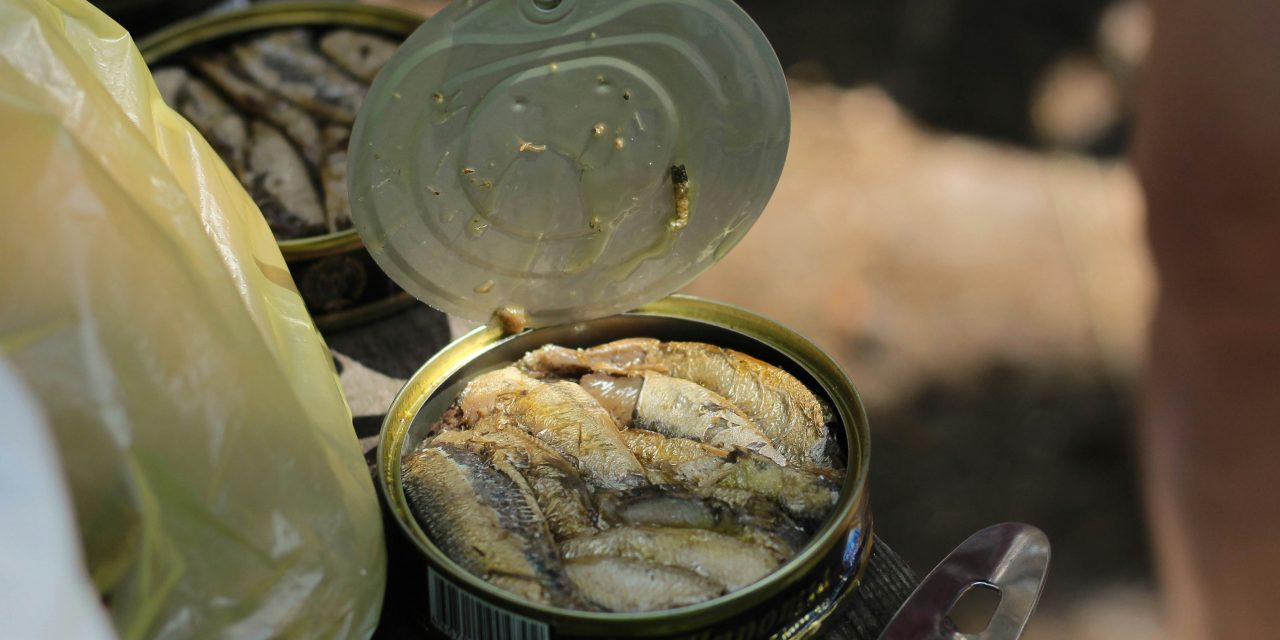
Canned fish is a staple in many households due to its convenience, nutritional value, and long shelf life. The preservation process involves sealing fish in airtight containers, which prevents spoilage and extends its usability. Typically, canned fish can last anywhere from two to five years, depending on the type of fish and the canning process used. This longevity is attributed to the high temperatures used during canning, which eliminate bacteria and enzymes that cause food to spoil. However, understanding the nuances of canned fish shelf life is crucial for ensuring safety and quality.
The shelf life of canned fish is influenced by several factors, including the type of fish, the canning method, and storage conditions. For instance, oily fish like sardines and mackerel may have a shorter shelf life compared to leaner varieties such as tuna or salmon. Additionally, the integrity of the can itself plays a significant role; any compromise in the seal can lead to contamination and spoilage. Therefore, consumers must be vigilant about both the expiration dates and the physical condition of the cans they purchase.
When considering the shelf life of canned fish, it’s important to understand how proper storage can impact its longevity and safety. For more insights on maintaining the health and activity of your pets, you might find this article on dog exercise ideas helpful. Check it out here: 10 Fun Dog Exercise Ideas to Keep Your Pup Active and Healthy.
Importance of Proper Storage Conditions
Proper storage conditions are paramount for maintaining the quality and safety of canned fish. Ideally, canned fish should be stored in a cool, dry place away from direct sunlight. High temperatures can accelerate the degradation of the food inside the can, leading to a shorter shelf life. Humidity can also pose a risk; excessive moisture can lead to rusting on the can’s exterior, which may compromise its seal and allow bacteria to enter.
Moreover, storing canned fish in a stable environment helps preserve its flavor and nutritional content. Fluctuations in temperature can cause expansion and contraction of the contents, potentially leading to leaks or ruptures in the can. Therefore, maintaining consistent storage conditions is essential for ensuring that canned fish remains safe for consumption over time.
Checking Expiration and Best-By Dates

When purchasing canned fish, it is crucial to check both expiration and best-by dates. The expiration date indicates the last day that the product is guaranteed to be safe for consumption, while the best-by date suggests when the product will maintain its optimal flavor and texture. While canned fish may still be safe to eat after these dates if stored properly, quality may diminish over time.
Consumers should prioritize purchasing cans with later expiration dates to ensure maximum freshness. Additionally, it is advisable to rotate stock by placing newer cans at the back of the pantry and older cans at the front. This practice not only helps maintain freshness but also minimizes waste by encouraging consumption of older products first.
Optimal Temperature for Storing Canned Fish

The optimal temperature for storing canned fish is typically between 50°F (10°C) and 70°F (21°C). Temperatures outside this range can adversely affect the quality of the fish inside the can. For instance, storing canned fish in a refrigerator is not recommended as it can lead to condensation inside the can, promoting bacterial growth.
Conversely, extreme heat can cause the contents to spoil more rapidly. Therefore, it is essential to choose a storage location that maintains a consistent temperature within this ideal range. A pantry or cupboard away from heat sources such as ovens or stoves is often suitable for storing canned fish.
When considering the shelf life of canned fish, it’s essential to understand how to store it properly to maximize its longevity. A related article offers valuable insights on preventing pests in your pantry, which can significantly affect the quality of your food items. By following tips to keep your storage area pest-free, you can ensure that your canned fish remains safe and delicious for an extended period. For more information, check out this helpful guide on preventing pests before they move in.
Inspecting Cans for Damage and Swelling
Before consuming canned fish, it is vital to inspect each can for any signs of damage or swelling. A bulging can may indicate gas production from bacterial growth inside, which poses a serious health risk if consumed. Similarly, dents or rust on the can’s surface can compromise its integrity and seal.
If a can appears damaged or swollen, it is best to err on the side of caution and discard it. Additionally, consumers should avoid purchasing cans that show signs of damage at the store. Ensuring that cans are intact before purchase is an essential step in preventing foodborne illnesses associated with spoiled products.
When considering the shelf life of canned fish, it’s important to understand how various factors can influence its longevity and safety for consumption. For a deeper insight into food preservation techniques and the importance of understanding expiration dates, you might find this article on pests and their impact on food storage particularly enlightening. It highlights how proper storage can prevent contamination and spoilage, which is crucial for maintaining the quality of canned goods. You can read more about it in this informative article.
Avoiding Exposure to Light and Humidity
Exposure to light and humidity can significantly impact the quality of canned fish over time. Ultraviolet (UV) light can degrade certain nutrients and alter flavors, while high humidity levels can lead to rusting on cans and potential contamination. Therefore, it is advisable to store canned fish in a dark environment, such as a pantry or cupboard.
To mitigate humidity exposure, consumers should avoid storing canned goods in areas prone to moisture, such as near sinks or dishwashers. Using airtight containers for opened cans can also help protect against humidity and light exposure, preserving the quality of any remaining contents.
Tips for Rotating Stock to Maintain Freshness
Rotating stock is an effective strategy for maintaining freshness in canned fish products. A simple method involves implementing a “first in, first out” (FIFO) system where older cans are placed at the front of storage areas while newer cans are placed at the back. This practice encourages consumers to use older products first, reducing waste and ensuring that food remains within its optimal consumption period.
Additionally, labeling cans with purchase dates can help track freshness more effectively. By keeping an organized inventory of canned goods, consumers can easily identify which items need to be consumed sooner rather than later.
Recognizing Signs of Spoiled Canned Fish
Recognizing signs of spoiled canned fish is crucial for preventing foodborne illnesses. Common indicators include an off-putting odor upon opening the can, discoloration of the contents, or an unusual texture. If any of these signs are present, it is advisable to discard the product immediately.
Furthermore, if there are any visible signs of mold or unusual bubbles in the liquid surrounding the fish, these are also red flags indicating spoilage. Consuming spoiled canned fish can lead to serious health issues such as food poisoning or gastrointestinal distress.
How Long Different Types of Canned Fish Last
The shelf life of various types of canned fish varies significantly based on their composition and preservation methods. For example:
– **Canned Tuna**: Typically lasts 3-5 years when stored properly.
– **Canned Salmon**: Can last up to 5 years if unopened.
– **Canned Sardines**: Generally has a shelf life of 3-4 years.
– **Canned Anchovies**: Usually lasts around 2-3 years.
– **Canned Mackerel**: Can last up to 5 years when stored correctly.
These timeframes are contingent upon proper storage conditions and intact packaging. It is essential for consumers to be aware of these differences when stocking their pantries.
Safe Practices for Opening and Using Canned Fish
When opening canned fish, it is important to follow safe practices to minimize contamination risks. Begin by washing hands thoroughly with soap and water before handling any food products. Use a clean can opener to avoid introducing bacteria into the contents.
Once opened, any unused portions should be transferred into an airtight container if not consumed immediately. This practice helps preserve freshness and prevents exposure to air that could lead to spoilage. Additionally, any leftovers should be refrigerated promptly and consumed within 3-4 days for optimal safety.
Disposing of Expired or Compromised Canned Fish Safely
Disposing of expired or compromised canned fish requires careful consideration to prevent environmental contamination or health hazards. It is advisable to check local regulations regarding food disposal; some areas may have specific guidelines for disposing of expired food products.
If a can is compromised or expired, it should be sealed in a plastic bag before being placed in regular trash bins to prevent leakage or exposure during disposal. For those concerned about environmental impact, consider contacting local food banks or community organizations that may accept non-expired canned goods for redistribution.
In summary, understanding the intricacies of canned fish shelf life is essential for ensuring safety and quality in consumption. Proper storage conditions, regular inspection for damage, and awareness of expiration dates are critical components in maintaining freshness. By following safe practices when opening and using canned fish and recognizing signs of spoilage, consumers can enjoy this convenient food source while minimizing health risks associated with improper handling or storage.
FAQs
What is the typical shelf life of canned fish?
The typical shelf life of canned fish can range from 3 to 5 years when stored properly. However, some varieties, like canned tuna or salmon, may last even longer if kept in a cool, dry place and the can remains unopened.
How can I tell if canned fish has gone bad?
Signs that canned fish has gone bad include a bulging can, rust, leaks, or a foul odor upon opening. If the fish appears discolored or has an unusual texture, it is best to discard it.
Does the shelf life of canned fish change after opening?
Yes, once opened, canned fish should be consumed within 3 to 4 days if stored in the refrigerator. It is important to transfer any leftovers to an airtight container to maintain freshness.
Are there any specific storage conditions for canned fish?
Canned fish should be stored in a cool, dry place away from direct sunlight. Ideal storage temperatures are between 50°F and 70°F (10°C to 21°C) to maximize shelf life.
Can I eat canned fish after the expiration date?
While canned fish may still be safe to eat after the expiration date if the can is intact and has been stored properly, it is advisable to check for any signs of spoilage before consumption. Always prioritize safety and quality.