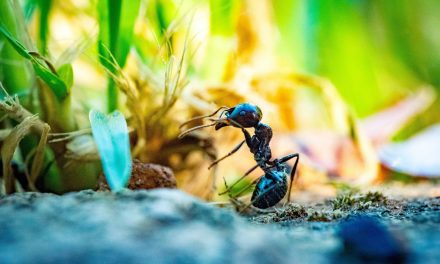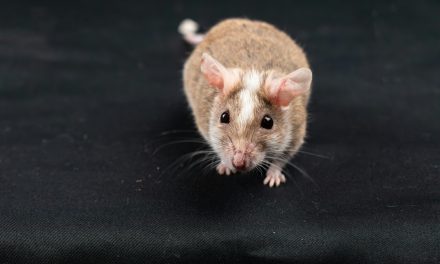
Household pests are a significant concern for homeowners, as they can cause damage to property, contaminate food, and pose health risks. Common pests include rodents such as mice and rats, insects like cockroaches, ants, and termites, as well as arachnids such as spiders. Each of these pests has unique behaviors and habitats that make them particularly troublesome. For instance, rodents are known for their ability to reproduce rapidly, with a single pair of mice capable of producing up to 200 offspring in a year under optimal conditions. Cockroaches, on the other hand, can survive without food for a month and are notorious for spreading diseases like salmonella and gastroenteritis.
Understanding the biology and behavior of these pests is crucial for effective management. For example, termites can cause extensive structural damage to homes, costing homeowners thousands of dollars in repairs. They feed on cellulose found in wood and can go undetected for years. Similarly, ants can invade homes in search of food and water, forming colonies that can number in the thousands. Recognizing the signs of an infestation early—such as droppings, nests, or damage—can help mitigate the impact of these pests.
Regular Cleaning and Decluttering
One of the most effective strategies for pest prevention is maintaining a clean and clutter-free environment. Regular cleaning routines should include vacuuming carpets, mopping floors, and wiping down surfaces to eliminate food particles and debris that attract pests. Special attention should be paid to areas that are often overlooked, such as behind appliances, under sinks, and in storage spaces. Clutter provides hiding spots for pests, making it easier for them to establish a presence in your home.
Decluttering not only reduces potential nesting sites but also makes it easier to identify signs of pest activity. By minimizing clutter, homeowners can create an environment that is less hospitable to pests. Additionally, organizing storage areas can help ensure that items are stored in sealed containers rather than cardboard boxes, which can be easily damaged by pests. Implementing a regular cleaning schedule can significantly decrease the likelihood of infestations.
Sealing Entry Points and Cracks

Pests often enter homes through small openings and cracks in walls, windows, and doors. Identifying and sealing these entry points is essential for preventing infestations. Homeowners should conduct a thorough inspection of their property, looking for gaps around windows and doors, cracks in the foundation, and holes in walls. Using caulk or weather stripping can effectively seal these openings, making it more difficult for pests to gain access.
In addition to sealing visible cracks, it is important to address potential entry points in less obvious areas. For example, utility lines and vents can serve as pathways for pests if not properly sealed. Installing screens on windows and vents can provide an additional layer of protection against insects while allowing for ventilation. By proactively sealing entry points, homeowners can significantly reduce the risk of pest invasions.
Proper Food Storage Techniques

Improper food storage is a primary attractant for many household pests. To minimize the risk of infestations, it is essential to store food items in airtight containers made of glass or plastic rather than leaving them in their original packaging. This practice not only keeps food fresh but also prevents pests from accessing it. Additionally, perishable items should be stored in the refrigerator or freezer to deter pests like fruit flies and pantry moths.
Regularly checking pantry items for signs of pest activity is also crucial. Expired or damaged food should be discarded promptly to prevent attracting unwanted visitors. Furthermore, keeping countertops clean and free from crumbs will help eliminate potential food sources for pests. By implementing proper food storage techniques, homeowners can create an environment that is less appealing to pests.
Managing Moisture and Leaks
Moisture is a significant factor that attracts various household pests, particularly rodents and insects like cockroaches and termites. Managing moisture levels within the home is essential for pest prevention. Homeowners should regularly inspect plumbing fixtures for leaks and repair any issues promptly to prevent water accumulation. Additionally, ensuring proper drainage around the foundation of the home can help divert water away from the structure.
Using dehumidifiers in damp areas such as basements or crawl spaces can also help reduce humidity levels that attract pests. Proper ventilation in bathrooms and kitchens is crucial to prevent moisture buildup from cooking or bathing activities. By managing moisture effectively, homeowners can create an environment that is less conducive to pest infestations.
Using Natural Pest Repellents
Natural pest repellents offer an eco-friendly alternative to chemical pesticides while effectively deterring common household pests. Essential oils such as peppermint, tea tree oil, and eucalyptus have been shown to repel insects like ants and spiders when used in sprays or diffusers. Additionally, diatomaceous earth—a natural powder made from fossilized algae—can be sprinkled in areas where pests are likely to enter or nest.
Another effective natural repellent is vinegar, which can be used to clean surfaces while deterring ants and other insects due to its strong odor. Citrus peels are also known to repel certain pests; placing them around entry points can help keep insects at bay. By incorporating natural pest repellents into regular cleaning routines, homeowners can reduce reliance on chemical treatments while maintaining a pest-free environment.
Setting Up Traps and Baits
When dealing with existing pest infestations, setting up traps and baits can be an effective method for controlling populations. For rodents, snap traps or glue traps can be strategically placed along walls or near entry points where signs of activity have been observed. Bait stations containing rodenticides may also be used; however, caution must be exercised to prevent accidental poisoning of pets or children.
For insects such as cockroaches or ants, bait traps containing attractants mixed with insecticides can effectively reduce populations over time. These baits lure pests into the trap where they consume the poison and subsequently die or carry it back to their nests, affecting other members of the colony. Regular monitoring of traps is essential to assess their effectiveness and determine if further action is needed.
Maintaining Your Yard and Garden
Outdoor spaces play a significant role in pest management as many household pests originate from gardens or yards. Maintaining these areas through regular landscaping practices can help deter pests from entering your home. Keeping grass trimmed and shrubs pruned reduces hiding spots for rodents while also improving airflow around plants.
Additionally, removing debris such as fallen leaves or wood piles eliminates potential nesting sites for pests like termites or ants. Properly composting organic waste can also minimize attraction by ensuring that food scraps are not left exposed. Implementing barriers such as mulch or gravel around the foundation of your home can further deter pests from approaching your property.
Employing Professional Pest Control Services
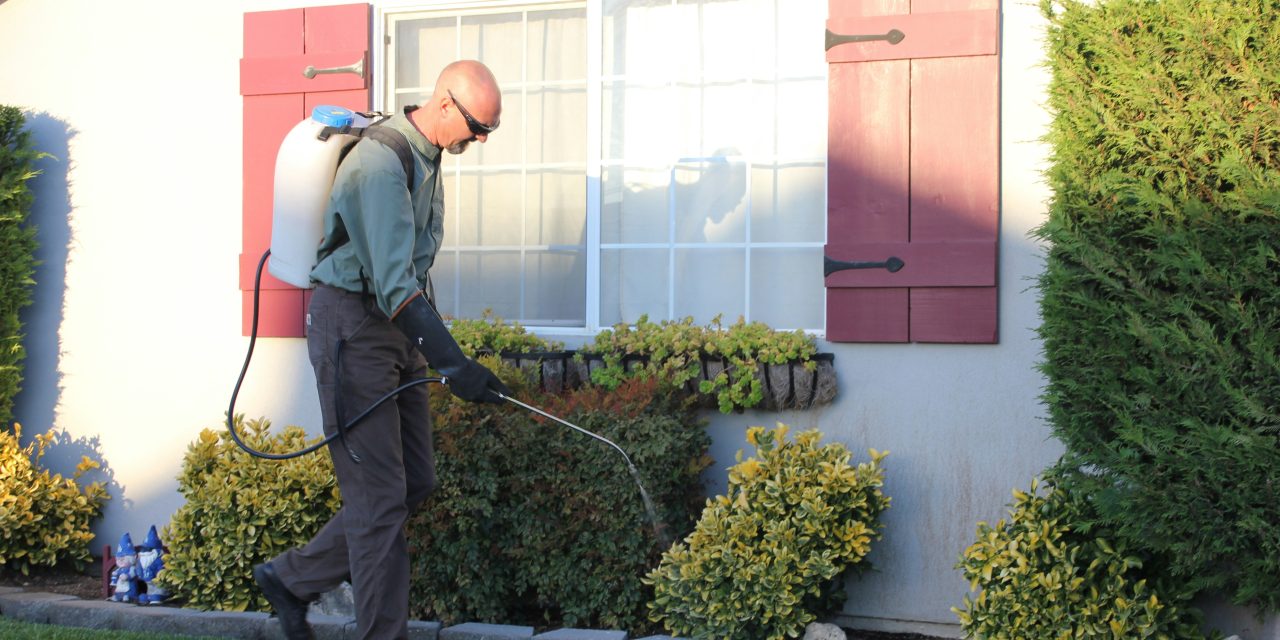
In cases where infestations become overwhelming or difficult to manage independently, seeking professional pest control services may be necessary. Pest control experts possess specialized knowledge about various pest species and effective treatment methods tailored to specific situations. They utilize advanced techniques such as integrated pest management (IPM), which combines multiple strategies for long-term control.
Professional services often include thorough inspections to identify problem areas within the home or yard before implementing targeted treatments using safe products approved by regulatory agencies. Regular follow-up visits may also be part of their service package to ensure ongoing monitoring and prevention measures are in place.
Monitoring and Early Detection
Early detection is key to effective pest management; therefore, homeowners should remain vigilant about monitoring their properties for signs of infestations. Regular inspections should include checking for droppings, nests, or damage caused by pests in both indoor and outdoor spaces. Utilizing monitoring devices such as sticky traps can help capture insects before they become a larger problem.
Establishing a routine inspection schedule allows homeowners to identify potential issues early on when they are easier—and often less costly—to address. Keeping records of any pest sightings or treatments performed can also aid in tracking patterns over time and inform future prevention strategies.
Creating a Long-Term Pest Prevention Plan
Developing a comprehensive long-term pest prevention plan involves integrating multiple strategies discussed throughout this article into a cohesive approach tailored to individual needs. This plan should include regular cleaning schedules, proactive sealing of entry points, proper food storage techniques, moisture management practices, and ongoing monitoring efforts.
Homeowners may also consider seasonal adjustments based on local pest activity patterns; for example, increasing vigilance during warmer months when many insects become more active. Collaborating with professional pest control services can enhance this plan by providing expert insights into local pest trends and effective treatment options when necessary.
In summary, understanding common household pests is crucial for effective management strategies that include regular cleaning routines, sealing entry points, proper food storage techniques, moisture management practices, natural repellents usage, setting traps/baits when needed, maintaining outdoor spaces effectively while employing professional services when necessary—all contributing towards creating a long-term prevention plan tailored specifically towards individual needs ensuring peace-of-mind within one’s living environment free from unwanted visitors!
FAQs
What is pest control?
Pest control refers to the management and regulation of species defined as pests, which can include insects, rodents, and other animals that threaten human health, property, or agriculture. It involves various techniques and strategies to eliminate or reduce pest populations effectively.
What are common methods of pest control?
Common methods of pest control include chemical treatments (pesticides), biological control (using natural predators), cultural practices (modifying farming practices), and physical barriers (traps and nets). Integrated Pest Management (IPM) combines these methods for more sustainable pest control.
Are pest control chemicals safe for humans and pets?
Many pest control chemicals are designed to be safe when used according to label instructions. However, some can pose risks to humans and pets if misapplied or if individuals are exposed to high concentrations. It is essential to follow safety guidelines and consider using less toxic alternatives when possible.
How often should pest control be performed?
The frequency of pest control depends on various factors, including the type of pests, the severity of the infestation, and the environment. Generally, regular inspections and preventive treatments are recommended, with more frequent interventions during peak pest seasons or after significant infestations.
Can I perform pest control myself, or should I hire a professional?
While some pest control measures can be performed by homeowners, such as using traps or natural repellents, hiring a professional is often advisable for severe infestations or when dealing with hazardous pests. Professionals have access to more effective treatments and can ensure safety and compliance with regulations.