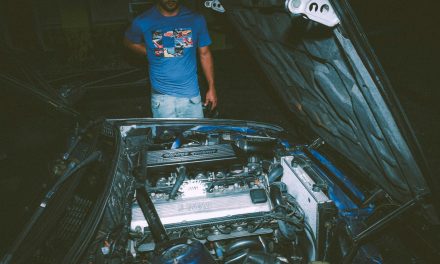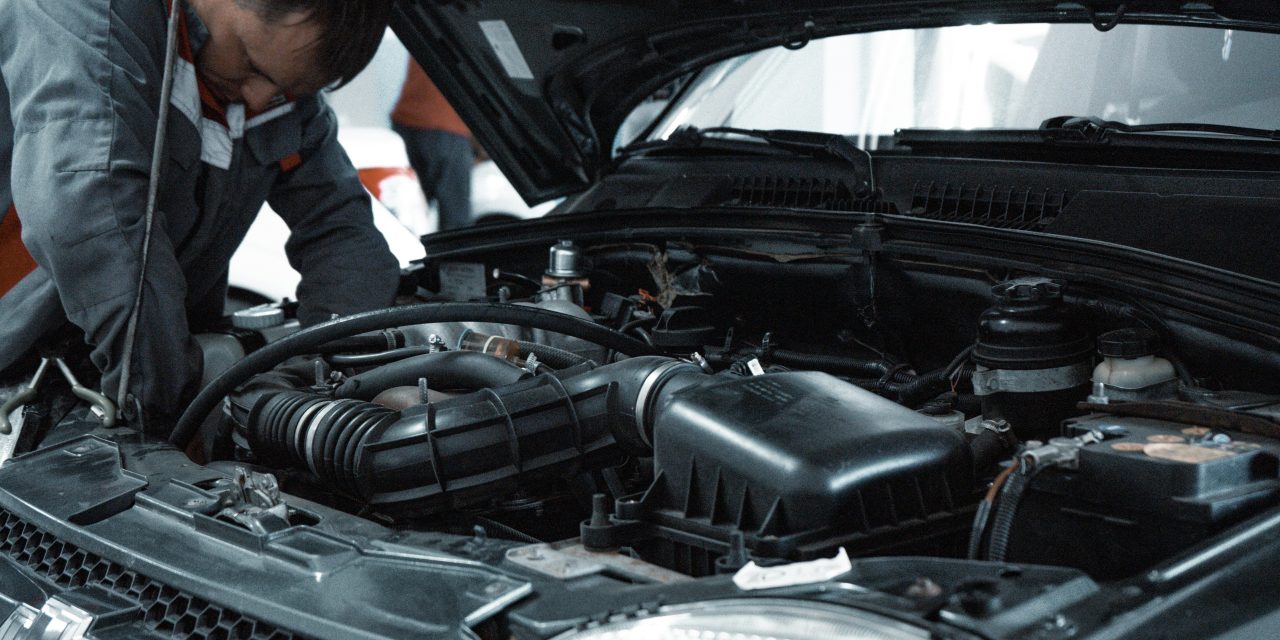
The engine oil and filter inspection is a critical component of vehicle maintenance that ensures optimal engine performance and longevity. Engine oil serves as the lifeblood of the vehicle, lubricating moving parts, reducing friction, and dissipating heat. Over time, oil can become contaminated with dirt, debris, and combustion byproducts, leading to decreased efficiency and potential engine damage. Regular inspection of oil levels and quality is essential to prevent these issues.
During an oil inspection, mechanics assess the oil’s viscosity and color. Fresh oil typically appears amber and has a smooth consistency, while degraded oil may appear dark and gritty. The oil filter, which traps contaminants, should also be examined for signs of clogging or wear. If the filter is compromised, it can lead to inadequate filtration and reduced oil flow, ultimately harming engine components. It is advisable to change the oil and filter according to the manufacturer’s recommendations, typically every 3,000 to 7,500 miles, depending on the vehicle type and driving conditions.
A full car service is essential for maintaining the longevity and performance of your vehicle, as it typically includes a comprehensive inspection, oil change, brake checks, and fluid top-ups. Regular servicing can help identify potential issues before they become major problems, ensuring your car runs smoothly and safely. For more insights into maintaining your home and addressing unexpected issues, you might find this article on what to do if you hear scratching in the walls at night particularly interesting: What to Do If You Hear Scratching in the Walls at Night.
Brake System Evaluation
The brake system evaluation is paramount for ensuring vehicle safety. This system comprises various components, including brake pads, rotors, calipers, and brake fluid. A thorough inspection involves checking the thickness of brake pads, assessing rotor condition for warping or scoring, and ensuring calipers are functioning correctly. Any signs of wear or damage can significantly impact braking performance.
Brake fluid quality is another critical aspect of this evaluation. Brake fluid absorbs moisture over time, which can lead to decreased boiling points and potential brake failure. Mechanics often perform a brake fluid flush to remove contaminated fluid and replace it with fresh fluid that meets the manufacturer’s specifications. Regular brake inspections are essential for maintaining stopping power and preventing accidents.
Tire Condition and Pressure Check

Tires are the only contact point between a vehicle and the road; thus, their condition directly affects safety and performance. A comprehensive tire inspection includes checking tread depth, sidewall integrity, and overall wear patterns. Tread depth is crucial for traction; tires should have at least 2/32 of an inch of tread remaining for safe operation in wet conditions.
In addition to tread assessment, tire pressure must be evaluated regularly. Under-inflated tires can lead to increased rolling resistance, reduced fuel efficiency, and heightened risk of blowouts. Conversely, over-inflated tires can cause uneven wear and compromised handling. Maintaining proper tire pressure not only enhances safety but also extends tire life. It is recommended to check tire pressure monthly and before long trips.
Battery Health Assessment

A battery health assessment is vital for ensuring reliable vehicle operation. The battery provides the necessary electrical energy to start the engine and power various electrical components. Over time, batteries can lose their ability to hold a charge due to sulfation or corrosion on terminals. A thorough inspection involves checking the battery’s voltage using a multimeter and examining terminals for corrosion or loose connections.
If the battery shows signs of weakness or is more than three years old, it may be prudent to conduct a load test to determine its capacity under stress. Replacing a failing battery before it completely dies can prevent unexpected breakdowns. Additionally, regular cleaning of terminals and ensuring tight connections can prolong battery life.
A full car service is essential for maintaining your vehicle’s performance and safety, as it typically includes checks on the engine, brakes, tires, and fluid levels. To better understand the importance of regular maintenance, you might find it helpful to read a related article that discusses how to prepare your home for extreme conditions, which can also apply to ensuring your vehicle is ready for any situation. For more insights, check out this informative piece on preparing your home for extreme heat and power outages.
Fluid Levels and Quality Review
Fluid levels and quality review encompasses several essential fluids that contribute to vehicle functionality. Key fluids include coolant, transmission fluid, power steering fluid, brake fluid, and windshield washer fluid. Each fluid plays a specific role in maintaining optimal performance; for instance, coolant regulates engine temperature while transmission fluid ensures smooth gear shifts.
Mechanics should inspect each fluid for proper levels and contamination. For example, coolant should be free from debris and have a proper mix of antifreeze to prevent freezing or overheating. Transmission fluid should be checked for color and odor; burnt-smelling fluid indicates overheating or contamination. Regularly topping off fluids and replacing them according to service intervals can prevent costly repairs down the line.
A full car service is essential for maintaining the longevity and performance of your vehicle, as it typically includes a comprehensive inspection, oil change, brake checks, and fluid top-ups. For those interested in understanding the importance of regular maintenance, you might find this article on why regular upkeep is crucial particularly insightful, as it draws parallels between maintaining a clean environment and ensuring your car runs smoothly. Regular servicing not only helps prevent unexpected breakdowns but also enhances safety on the road.
Lights and Electrical Components Test
The lights and electrical components test is crucial for ensuring visibility and safety on the road. This evaluation includes checking headlights, taillights, turn signals, brake lights, and interior lights for functionality. Burnt-out bulbs not only compromise visibility but can also lead to traffic violations.
In addition to lights, other electrical components such as fuses, wiring harnesses, and connectors should be inspected for signs of wear or damage. A malfunctioning electrical system can lead to various issues ranging from minor inconveniences to significant safety hazards. Regular testing of lights and electrical systems ensures that all components are operational and compliant with safety regulations.
Suspension and Steering Examination
The suspension and steering examination is essential for maintaining vehicle handling and ride comfort. The suspension system absorbs shocks from the road while keeping tires in contact with the surface for optimal traction. Key components include shocks or struts, springs, control arms, and bushings.
During an inspection, mechanics assess these components for signs of wear or damage such as leaks in shock absorbers or worn bushings that can lead to poor handling or uneven tire wear. Steering components like tie rods and rack-and-pinion systems should also be evaluated for play or stiffness that could affect steering response. Addressing suspension or steering issues promptly can enhance driving safety and comfort.
Air Filter Inspection and Replacement
The air filter plays a crucial role in maintaining engine efficiency by preventing dirt and debris from entering the combustion chamber. A clogged air filter can restrict airflow, leading to reduced engine performance and increased fuel consumption. Regular inspection of the air filter is essential for optimal engine function.
Mechanics typically recommend replacing the air filter every 15,000 to 30,000 miles or as specified by the manufacturer. Signs that an air filter needs replacement include visible dirt accumulation or a decrease in engine performance such as rough idling or sluggish acceleration. Keeping the air filter clean ensures that the engine receives adequate airflow for combustion efficiency.
Exhaust System Check
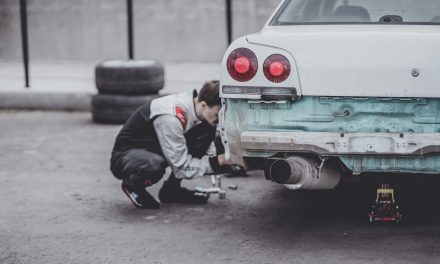
The exhaust system check is vital for ensuring proper emissions control and engine performance. This system includes components such as the exhaust manifold, catalytic converter, muffler, and exhaust pipes. A thorough inspection involves checking for leaks, rust, or damage that could lead to increased emissions or noise.
Mechanics should also assess the catalytic converter’s efficiency since it plays a crucial role in reducing harmful emissions from the engine’s exhaust gases. If there are signs of blockage or failure in this component, it may require replacement to ensure compliance with environmental regulations. Regular exhaust system checks help maintain vehicle performance while minimizing environmental impact.
Belts and Hoses Inspection
Belts and hoses are integral components that facilitate various functions within a vehicle’s engine system. The serpentine belt drives multiple accessories such as the alternator, power steering pump, and air conditioning compressor. Hoses transport fluids such as coolant and fuel throughout the engine.
During an inspection, mechanics look for signs of wear such as cracks in belts or bulges in hoses that could indicate impending failure. A worn belt can lead to accessory failure while a ruptured hose can cause coolant leaks or fuel delivery issues. Regularly replacing belts every 60,000 miles or as recommended by manufacturers can prevent breakdowns caused by these critical components.
Wiper Blades and Windshield Washer Functionality
Wiper blades are essential for maintaining visibility during inclement weather conditions; thus, their functionality must be regularly assessed. Worn wiper blades can leave streaks on the windshield or fail to clear water effectively, posing safety risks while driving.
Mechanics should inspect wiper blades for signs of wear such as fraying rubber or loss of flexibility. It is generally recommended to replace wiper blades every six months to ensure optimal performance. Additionally, checking windshield washer fluid levels ensures that drivers have adequate cleaning capability during adverse weather conditions.
In summary, regular vehicle maintenance is crucial for ensuring safety, performance, and longevity. Key areas of focus include engine oil inspections, brake evaluations, tire checks, battery assessments, fluid reviews, electrical tests, suspension examinations, air filter replacements, exhaust checks, belts and hoses inspections, as well as wiper blade functionality assessments. By adhering to these maintenance practices and addressing issues promptly, vehicle owners can enhance their driving experience while minimizing repair costs over time.
### FAQ Section
1. **How often should I change my engine oil?**
– It is generally recommended to change your engine oil every 3,000 to 7,500 miles depending on your vehicle type and driving conditions.
2. **What are the signs that my brakes need servicing?**
– Signs include squeaking noises when braking, a spongy brake pedal feel, or vibrations when applying brakes.
3. **How do I know if my tires need replacing?**
– Check tread depth; if it’s less than 2/32 of an inch or if you notice uneven wear patterns or sidewall damage.
4. **What should I do if my battery is weak?**
– Consider conducting a load test; if it fails or is older than three years, replacement may be necessary.
5. **How often should I check my fluid levels?**
– It’s advisable to check fluid levels monthly or before long trips to ensure optimal vehicle performance.
6. **What are common causes of electrical issues in vehicles?**
– Common causes include blown fuses, corroded terminals, or damaged wiring harnesses.
7. **How often should I replace my air filter?**
– Air filters should typically be replaced every 15,000 to 30,000 miles depending on driving conditions.
8. **What are symptoms of a failing catalytic converter?**
– Symptoms include decreased engine performance, poor fuel economy, or a check engine light indicating emissions issues.
9. **How do I know if my belts need replacing?**
– Look for cracks or fraying on belts; if you notice any signs of wear or hear squeaking noises from the engine compartment.
10. **When should I replace my wiper blades?**
– Wiper blades should be replaced every six months or sooner if they show signs of wear such as streaking on the windshield.
In conclusion, maintaining your vehicle through regular inspections across various systems not only enhances safety but also prolongs its lifespan while optimizing performance efficiency.
FAQs
What is a full car service?
A full car service is a comprehensive maintenance check performed on a vehicle, typically recommended every 12 months or 12,000 miles, whichever comes first. It includes a thorough inspection of various components, fluid changes, and adjustments to ensure the vehicle operates efficiently and safely.
What are the key components checked during a full car service?
During a full car service, key components checked include the engine oil and filter, air filter, fuel filter, brake fluid, coolant, transmission fluid, and power steering fluid. Additionally, the brakes, tires, lights, battery, and suspension system are inspected for wear and functionality.
How long does a full car service typically take?
A full car service usually takes between 2 to 4 hours, depending on the make and model of the vehicle, as well as the specific services required. Some garages may offer a while-you-wait service, while others may require you to leave the vehicle for the day.
Are there any additional services included in a full car service?
In addition to the standard checks and fluid changes, a full car service may include additional services such as tire rotation, wheel alignment, and a thorough cleaning of the vehicle’s interior and exterior. Some service providers may also offer a diagnostic check to identify any underlying issues.
How much does a full car service cost?
The cost of a full car service can vary widely based on factors such as the vehicle’s make and model, the service provider, and the region. On average, prices can range from $100 to $300, but it’s advisable to check with local garages for specific pricing and any ongoing promotions.