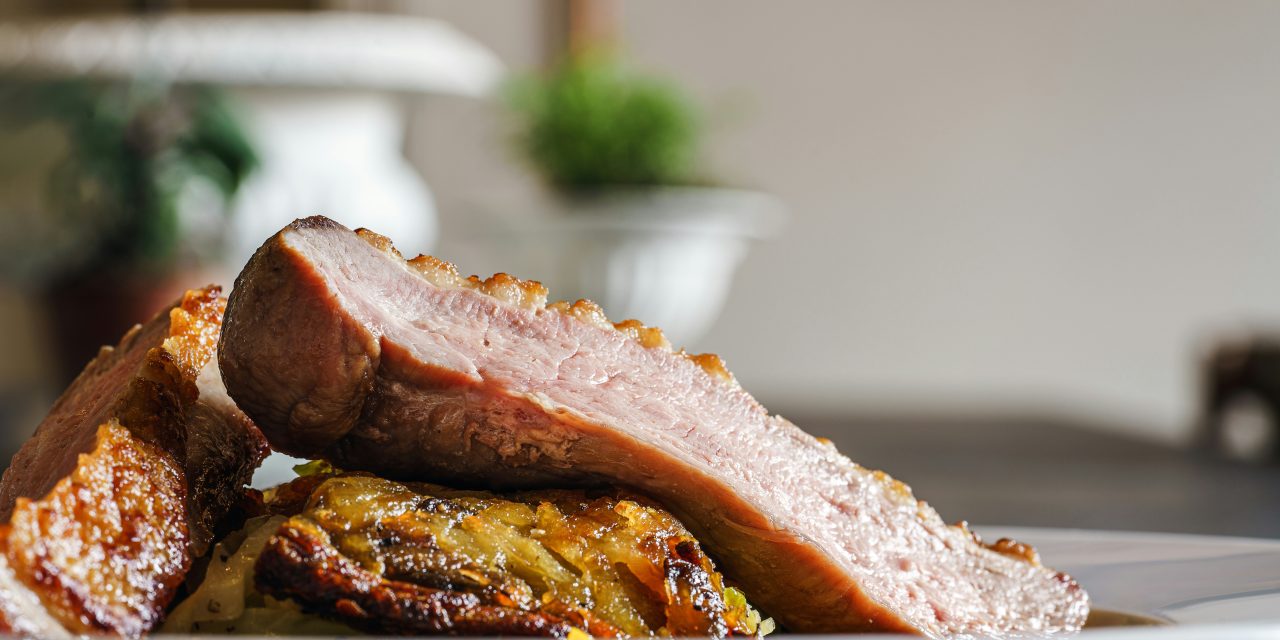
When embarking on the culinary journey of preparing pork tenderloin, the initial step is selecting the finest cut available. Pork tenderloin is a lean, succulent cut that is prized for its tenderness and mild flavor. When shopping, look for a tenderloin that is pinkish-red in color, with minimal marbling of fat. The ideal weight for a pork tenderloin typically ranges from 1 to 1.5 pounds, ensuring that it cooks evenly and remains juicy throughout the process.
Additionally, consider sourcing your pork from reputable suppliers who prioritize humane farming practices and high-quality feed. Organic or pasture-raised options often yield superior flavor profiles and texture. Inspect the packaging for freshness dates and avoid any cuts that appear discolored or have an off-putting odor. Selecting the right pork tenderloin sets the foundation for a successful dish, ensuring that the final product is both delicious and satisfying.
If you’re looking to expand your culinary repertoire, you might also enjoy exploring how to make high-protein cottage cheese pancakes, which can be a delightful side dish to accompany your perfectly cooked pork tenderloin. For a delicious recipe that combines nutrition and taste, check out this article on high-protein cottage cheese pancakes. It’s a great way to add variety to your meals while keeping them healthy!
Preparing the Pork Tenderloin: Trimming and Seasoning
Once you have procured your pork tenderloin, the next step involves meticulous preparation. Begin by trimming any excess silver skin—a tough connective tissue that can hinder flavor absorption and texture. Using a sharp boning knife, carefully slide the blade beneath the silver skin and gently pull it away from the meat, ensuring minimal loss of tenderloin flesh. This step is crucial as it allows seasonings to penetrate more effectively, enhancing the overall taste.
Seasoning is equally important in elevating the dish’s flavor profile. A simple yet effective blend can include kosher salt, freshly cracked black pepper, garlic powder, and dried herbs such as rosemary or thyme. For those seeking a more adventurous palate, consider marinating the tenderloin in a mixture of olive oil, balsamic vinegar, Dijon mustard, and fresh herbs for several hours or overnight. This not only infuses the meat with flavor but also helps to tenderize it further, resulting in a succulent final product.
Preheating Your Oven to the Ideal Temperature

Preheating your oven is a critical step that should not be overlooked. The ideal temperature for cooking pork tenderloin is typically set between 400°F to 425°F (204°C to 218°C). This range allows for a perfect balance between achieving a beautifully browned exterior while ensuring that the interior cooks evenly without drying out.
To preheat effectively, allow your oven to reach the desired temperature before placing the pork inside. This ensures that the meat begins cooking immediately upon entry, promoting even heat distribution and optimal caramelization of the exterior. Utilizing an oven thermometer can provide additional assurance that your appliance is calibrated correctly, as many home ovens can be off by several degrees.
Choosing the Right Cooking Vessel for Even Heat

Selecting an appropriate cooking vessel is paramount for achieving consistent results when roasting pork tenderloin. A heavy-duty roasting pan or cast-iron skillet is ideal due to their ability to retain heat and distribute it evenly across the surface of the meat. Avoid using lightweight pans that may warp or fail to conduct heat properly, as this can lead to uneven cooking.
For added flavor, consider placing aromatics such as sliced onions, garlic cloves, or root vegetables in the bottom of the pan. These ingredients will not only enhance the dish’s overall flavor but also create a natural base for a delicious pan sauce after cooking. Ensure that your chosen vessel has enough space to allow for air circulation around the tenderloin, which is essential for achieving that coveted golden-brown crust.
If you’re looking to elevate your dinner game, mastering how to cook pork tenderloin in the oven can be a delightful experience. This versatile cut of meat is not only tender and flavorful but also pairs beautifully with a variety of sides. For those who enjoy a sweet finish to their meal, you might want to check out this article on irresistible dessert recipes that can perfectly complement your pork dish. With the right preparation and a delicious dessert, your dinner will surely impress!
Searing the Pork Tenderloin for Maximum Flavor
Searing is an essential technique that enhances flavor through the Maillard reaction—a chemical process that occurs when proteins and sugars are exposed to high heat. Begin by heating a tablespoon of oil in your skillet over medium-high heat until shimmering. Carefully place the pork tenderloin in the pan and allow it to sear undisturbed for approximately 3-4 minutes on each side until a rich brown crust forms.
This step not only adds depth of flavor but also helps to lock in moisture, resulting in a juicier final product. After searing, transfer the pork tenderloin to your preheated oven to finish cooking. The combination of stovetop searing followed by oven roasting creates a harmonious balance of textures and flavors that will elevate your dish to new heights.
If you’re looking to elevate your culinary skills, mastering how to cook pork tenderloin in the oven can be a delightful addition to your repertoire. This versatile cut of meat can be seasoned in various ways and cooked to perfection for a tender and juicy result. For more tips on enhancing your cooking techniques, you might find this article on DIY pest control interesting, as it highlights the importance of precision and care in any task, whether in the kitchen or at home.
Oven Cooking: Timing and Temperature Tips
When it comes to oven cooking pork tenderloin, timing is crucial for achieving optimal results. As a general guideline, roast the tenderloin for approximately 20-25 minutes per pound at 400°F (204°C). However, factors such as oven calibration and meat thickness can influence cooking times; therefore, monitoring progress is essential.
To ensure even cooking, consider rotating the pan halfway through the roasting process. This allows for uniform exposure to heat and prevents any potential hot spots within your oven from affecting the outcome. Additionally, baste the pork with its own juices every 10 minutes to enhance moisture retention and flavor development.
Using a Meat Thermometer for Perfect Doneness
A meat thermometer is an indispensable tool when it comes to achieving perfect doneness in pork tenderloin. The USDA recommends cooking pork to an internal temperature of 145°F (63°C) followed by a three-minute rest period before slicing. This temperature ensures that harmful bacteria are eliminated while preserving juiciness and tenderness.
Insert the thermometer into the thickest part of the tenderloin without touching bone or fat for an accurate reading. Once it reaches the desired temperature, promptly remove it from the oven to prevent overcooking. Remember that residual heat will continue to cook the meat slightly after removal, so it’s wise to take it out just before reaching 145°F (63°C) if you prefer a perfectly cooked result.
Resting the Pork Tenderloin Before Slicing
Resting is a critical step often overlooked by home cooks but essential for achieving juicy results. After removing the pork tenderloin from the oven, allow it to rest on a cutting board covered loosely with aluminum foil for at least 10 minutes. This resting period enables juices to redistribute throughout the meat fibers, preventing them from spilling out upon slicing.
During this time, carryover cooking will occur, allowing the internal temperature to rise slightly while ensuring that every bite remains moist and flavorful. Skipping this step can lead to dry slices that lack tenderness and succulence—qualities that are hallmarks of well-cooked pork tenderloin.
Slicing Techniques for Juicy, Tender Portions
Slicing pork tenderloin requires precision and technique to ensure each portion remains juicy and visually appealing. Begin by using a sharp chef’s knife or carving knife to make clean cuts against the grain of the meat. Slicing against the grain shortens muscle fibers, resulting in more tender bites.
Aim for slices approximately ½ inch thick; this thickness allows for easy chewing while maintaining structural integrity on each plate. Arrange slices artfully on serving platters or individual plates, showcasing their beautiful pink interior—a hallmark of perfectly cooked pork tenderloin.
Serving Suggestions and Complementary Side Dishes
Pork tenderloin pairs beautifully with a variety of side dishes that enhance its flavor profile while providing balance to your meal. Consider serving it alongside roasted seasonal vegetables such as Brussels sprouts or carrots drizzled with balsamic glaze for added sweetness. Alternatively, creamy mashed potatoes or garlic-infused polenta can provide a comforting base that complements the dish’s richness.
For those seeking a fresh contrast, consider incorporating a vibrant salad featuring mixed greens, sliced apples, walnuts, and crumbled feta cheese dressed in a light vinaigrette. This combination not only adds color but also introduces textural variety that elevates your dining experience.
Storing Leftovers and Reheating Tips for Best Results
Proper storage of leftover pork tenderloin is essential for maintaining its quality and flavor over time. Allow any remaining portions to cool completely before transferring them to an airtight container; this prevents moisture loss and preserves tenderness during storage. Refrigerated leftovers can last up to three days while frozen portions can remain viable for up to three months.
When reheating leftover pork tenderloin, aim for gentle methods such as using an oven set at low temperatures (around 250°F or 121°C) or utilizing a microwave with reduced power settings to avoid drying out the meat. Adding a splash of broth or water can help retain moisture during reheating processes.
In summary, mastering pork tenderloin involves careful selection, preparation, cooking techniques, and serving strategies that culminate in an exquisite dining experience. By following these guidelines—from choosing quality cuts to employing precise cooking methods—you can create a dish that delights both family and guests alike while ensuring optimal flavor and tenderness throughout every bite.
FAQs
What temperature should I set my oven to for cooking pork tenderloin?
The ideal oven temperature for cooking pork tenderloin is 400°F (204°C). This temperature allows the meat to cook evenly while developing a nice crust on the outside.
How long should I cook pork tenderloin in the oven?
Pork tenderloin typically takes about 20 to 25 minutes to cook in the oven at 400°F (204°C). However, the exact cooking time may vary depending on the size of the tenderloin, so it’s important to use a meat thermometer to ensure it reaches an internal temperature of 145°F (63°C).
Should I marinate pork tenderloin before cooking it?
Marinating pork tenderloin is optional but highly recommended. A marinade can enhance the flavor and tenderness of the meat. If you choose to marinate, aim for at least 30 minutes to a few hours for the best results.
How can I tell when pork tenderloin is done cooking?
The best way to determine if pork tenderloin is done cooking is to use a meat thermometer. The internal temperature should reach 145°F (63°C). After removing it from the oven, let it rest for about 5 to 10 minutes before slicing to allow the juices to redistribute.
What are some good side dishes to serve with pork tenderloin?
Pork tenderloin pairs well with a variety of side dishes. Some popular options include roasted vegetables, mashed potatoes, rice pilaf, or a fresh salad. You can also serve it with applesauce or a fruit chutney for a complementary flavor.