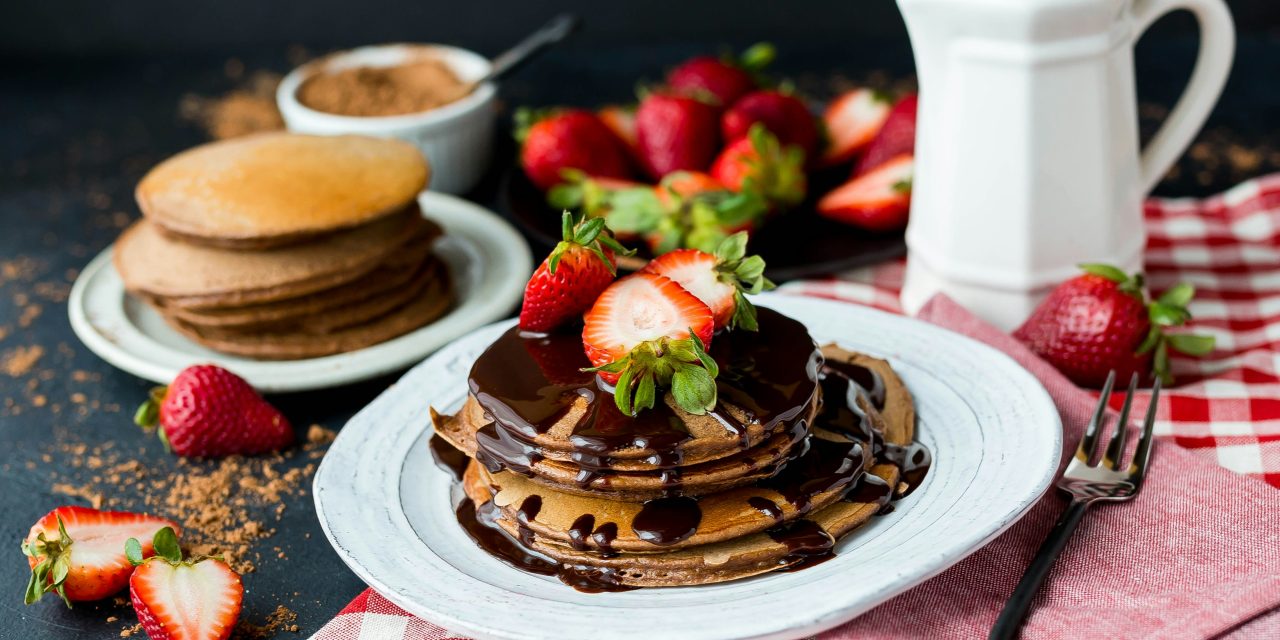
In recent years, the culinary landscape has witnessed a significant shift towards plant-based diets, prompting many to explore milk alternatives for various recipes, including pancakes. The choice to utilize milk substitutes stems from a variety of reasons, including dietary restrictions, lactose intolerance, vegan lifestyles, and a desire for healthier options. Milk alternatives not only cater to those with specific dietary needs but also introduce unique flavors and textures that can elevate traditional pancake recipes.
The incorporation of milk substitutes into pancake batter can enhance the nutritional profile of the dish. Many alternatives are fortified with vitamins and minerals, providing essential nutrients that may be lacking in conventional dairy. Additionally, these substitutes often contain lower levels of saturated fats and cholesterol, making them a heart-healthy option. As we delve into the various milk alternatives available, we will explore their distinct characteristics and how they can transform your pancake experience.
If you’re looking for alternatives to milk in your pancake recipe, you might find it helpful to explore various substitutes such as almond milk, soy milk, or even yogurt. These options can provide different flavors and textures, enhancing your pancake experience. For more culinary tips, you can check out this related article on how to safely store your Thanksgiving leftovers, which offers valuable insights into food preservation: How Long Are Thanksgiving Leftovers Safe to Eat?.
Almond Milk: A Nutty Twist for Fluffy Pancakes
Almond milk is a popular choice among those seeking a dairy-free option due to its light texture and subtle nutty flavor. Made from ground almonds and water, this alternative is low in calories and rich in vitamin E, an antioxidant that supports skin health and immune function. When used in pancake recipes, almond milk contributes to a fluffy texture while imparting a delicate nuttiness that complements sweet toppings such as maple syrup or fresh fruit.
To achieve the best results with almond milk, it is essential to select the unsweetened variety to avoid overpowering the natural flavors of the pancakes. Additionally, almond milk can be easily combined with other ingredients such as vanilla extract or cinnamon to enhance the overall taste profile. The key to perfecting almond milk pancakes lies in achieving the right balance of wet and dry ingredients, ensuring that the batter remains light and airy.
Oat Milk: Creamy and Mild for Perfect Batter

Oat milk has surged in popularity due to its creamy consistency and mild flavor, making it an excellent choice for pancake batter. Derived from whole oats and water, this alternative is naturally sweet and provides a smooth texture that mimics traditional dairy milk. Oat milk is also rich in beta-glucans, a type of soluble fiber known for its cholesterol-lowering properties and potential benefits for heart health.
When incorporating oat milk into pancake recipes, it is advisable to use the barista blend variety, which is specifically formulated to froth well and maintain its creaminess during cooking. This ensures that your pancakes remain moist and tender while achieving a golden-brown exterior. Oat milk pancakes can be paired with various toppings, from fresh berries to nut butters, creating a delightful breakfast experience.
Soy Milk: Protein-Packed and Versatile

Soy milk stands out as one of the most nutritionally robust milk alternatives available on the market. Rich in protein—approximately 7 grams per cup—soy milk provides a comparable protein content to cow’s milk, making it an ideal choice for those seeking to maintain muscle mass or support overall health. Additionally, soy milk is fortified with essential vitamins such as calcium and vitamin D, contributing to bone health.
The versatility of soy milk allows it to be seamlessly integrated into pancake recipes without compromising flavor or texture. Its slightly thicker consistency helps create a rich batter that yields fluffy pancakes with a satisfying bite. When using soy milk, consider opting for the unsweetened version to maintain control over the sweetness of your pancakes. Furthermore, soy milk can be enhanced with flavorings such as vanilla or almond extract to create a more complex taste profile.
If you’re looking for alternatives to milk in pancakes, you might find it helpful to explore various substitutes that can enhance the flavor and texture of your breakfast. For instance, almond milk, soy milk, or even yogurt can be great options. To learn more about creative cooking substitutions, check out this informative article on cooking alternatives that can elevate your culinary experience.
Coconut Milk: Rich Flavor and Moist Texture
Coconut milk is renowned for its rich flavor and creamy texture, making it an enticing option for pancake enthusiasts. Extracted from the flesh of mature coconuts, this alternative is high in healthy fats, particularly medium-chain triglycerides (MCTs), which are known for their potential benefits in weight management and energy production. The tropical essence of coconut milk adds an exotic twist to traditional pancake recipes.
When using coconut milk in pancake batter, it is essential to choose full-fat coconut milk for optimal creaminess. This will result in pancakes that are not only moist but also imbued with a delightful coconut flavor. To balance the richness of coconut milk, consider incorporating ingredients such as lime zest or shredded coconut into the batter for added texture and taste. Coconut milk pancakes pair beautifully with tropical fruits like pineapple or mango for a refreshing breakfast option.
If you’re looking for alternatives to milk in your pancake recipe, you might find it helpful to explore various substitutes that can enhance the flavor and texture of your pancakes. For instance, almond milk, soy milk, or even yogurt can serve as excellent replacements. To discover a delicious recipe that pairs well with your pancakes, check out this article on easy air fryer chicken tenders, which can make for a delightful breakfast or brunch option.
Rice Milk: Light and Subtle Sweetness
Rice milk is one of the most hypoallergenic milk alternatives available, making it suitable for individuals with allergies or sensitivities to nuts or soy. Made from milled rice and water, this alternative has a light consistency and a naturally sweet flavor profile. While rice milk contains fewer nutrients compared to other substitutes, it remains a popular choice due to its mild taste that does not overpower other ingredients.
When preparing pancakes with rice milk, it is crucial to account for its thinner consistency by adjusting the amount of flour used in the recipe. This will help achieve the desired thickness of the batter while maintaining the lightness characteristic of rice milk pancakes. Rice milk pancakes can be enhanced with spices such as nutmeg or cinnamon to elevate their flavor profile without adding excessive sweetness.
Cashew Milk: Smooth and Buttery Consistency
Cashew milk offers a smooth and buttery consistency that makes it an excellent choice for pancake batter. Made from blended cashews and water, this alternative is rich in healthy fats and provides a creamy texture that enhances the overall mouthfeel of pancakes. Cashew milk is also lower in calories compared to other nut-based milks, making it an appealing option for those watching their caloric intake.
To achieve optimal results when using cashew milk in pancake recipes, consider blending it with other ingredients such as vanilla extract or maple syrup for added flavor depth. The creamy nature of cashew milk allows for easy incorporation into dry ingredients without clumping, resulting in a silky batter that yields perfectly fluffy pancakes. Cashew milk pancakes can be topped with various accompaniments such as whipped cream or fruit compote for an indulgent breakfast treat.
Hemp Milk: Earthy Taste with Nutritional Benefits
Hemp milk is derived from hemp seeds and water, offering a unique earthy flavor profile that sets it apart from other milk alternatives. Rich in omega-3 fatty acids and protein, hemp milk provides numerous health benefits, including support for heart health and anti-inflammatory properties. Its nutritional density makes it an excellent choice for those seeking to enhance their diet with plant-based options.
When incorporating hemp milk into pancake recipes, it is essential to consider its distinct flavor when pairing with other ingredients. The nutty undertones of hemp milk can complement spices such as cinnamon or ginger, creating a harmonious blend of flavors in your pancakes. Additionally, hemp seeds can be sprinkled on top of cooked pancakes for added crunch and nutritional value.
Tips for Using Milk Alternatives in Pancake Recipes
When experimenting with various milk alternatives in pancake recipes, there are several tips to ensure success:
1. **Choose Unsweetened Varieties**: Opting for unsweetened versions of plant-based milks allows you to control the sweetness level of your pancakes effectively.
2. **Adjust Liquid Ratios**: Different milk alternatives have varying consistencies; therefore, adjusting the liquid-to-dry ingredient ratio may be necessary to achieve the desired batter thickness.
3. **Incorporate Flavor Enhancers**: Adding extracts such as vanilla or almond can elevate the flavor profile of your pancakes while complementing the chosen milk alternative.
4. **Experiment with Toppings**: Pairing pancakes made with different milk alternatives with diverse toppings can enhance their overall appeal—consider fruits, syrups, or nut butters.
How to Adjust Pancake Batter for Different Milk Substitutes
Adjusting pancake batter based on the chosen milk substitute involves understanding each alternative’s unique properties:
– **Almond Milk**: Use slightly less flour than traditional recipes call for due to its lighter consistency.
– **Oat Milk**: Incorporate additional flour if using regular oat milk; barista blends typically require no adjustments.
– **Soy Milk**: Maintain standard ratios; soy’s thickness mimics dairy well.
– **Coconut Milk**: Use full-fat coconut milk; reduce flour slightly if using light versions.
– **Rice Milk**: Increase flour content due to its thinner nature.
– **Cashew Milk**: Similar to almond; adjust flour based on desired thickness.
– **Hemp Milk**: Use standard ratios but consider adding spices to enhance flavor.
Finding Your Favorite Milk Alternative for Fluffy Pancakes
In conclusion, exploring various milk alternatives opens up a world of possibilities for creating deliciously fluffy pancakes tailored to individual preferences and dietary needs. Each substitute offers unique flavors and textures that can transform traditional recipes into exciting new dishes. Whether you opt for almond’s nuttiness, oat’s creaminess, or coconut’s richness, there is no shortage of options to suit your palate.
As you experiment with these alternatives, remember that adjusting ratios and incorporating complementary flavors will yield the best results. Ultimately, finding your favorite milk substitute will not only enhance your pancake experience but also contribute positively to your overall health and well-being. Embrace the versatility of plant-based milks and enjoy crafting delightful breakfast creations that cater to your lifestyle!
FAQs
What are some common dairy-free alternatives to milk for pancakes?
Common dairy-free alternatives to milk for pancakes include almond milk, soy milk, oat milk, coconut milk, and cashew milk. These plant-based milks can provide similar textures and flavors to traditional milk in pancake recipes.
Can I use water instead of milk in pancake recipes?
Yes, you can use water as a substitute for milk in pancake recipes. However, using water may result in pancakes that are less rich and flavorful. To enhance the taste, consider adding a bit of vanilla extract or a pinch of salt.
Is it possible to use yogurt or sour cream instead of milk in pancakes?
Yes, yogurt or sour cream can be used as a substitute for milk in pancakes. They will add a tangy flavor and create a thicker batter. If using yogurt, you may want to thin it out with a little water or additional liquid to achieve the desired consistency.
Can I use fruit juice as a milk substitute in pancakes?
Fruit juice can be used as a milk substitute in pancakes, but it will alter the flavor significantly. Orange juice or apple juice can add a fruity taste, but be mindful that the acidity may affect the texture and rise of the pancakes.
What about using nut butters as a milk alternative in pancakes?
Nut butters, such as almond or peanut butter, can be used in place of milk in pancake recipes. They will add creaminess and flavor, but you may need to adjust the liquid content in the recipe to maintain the right batter consistency.