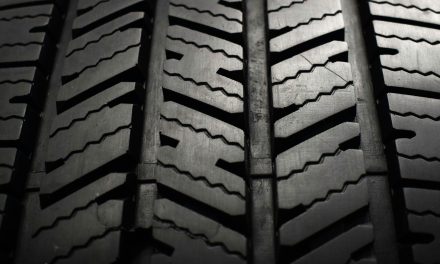
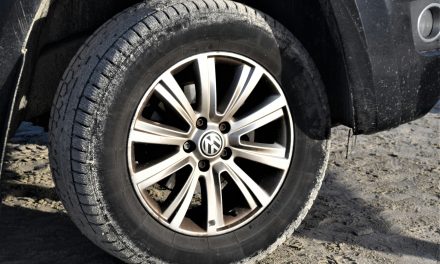
Tire rotation is a crucial maintenance practice that involves periodically changing the position of each tire on a vehicle. This process is essential for ensuring even wear across all tires, which can significantly extend their lifespan and enhance overall vehicle performance. Tires are subjected to varying forces depending on their position on the vehicle; for instance, front tires often experience more wear due to steering and braking forces, while rear tires may wear differently based on weight distribution. Regular rotation helps mitigate these discrepancies, promoting balanced handling and improved traction.
The recommended frequency for tire rotation typically ranges from every 5,000 to 8,000 miles, although this can vary based on driving habits and tire types. By adhering to a consistent rotation schedule, drivers can prevent premature tire wear, which not only saves money in the long run but also contributes to safer driving conditions. Uneven tire wear can lead to compromised handling, reduced fuel efficiency, and increased risk of blowouts, making tire rotation an indispensable aspect of vehicle maintenance.
When considering the implications of rotating tires with different sizes, it’s essential to understand how tire dimensions can affect vehicle performance and safety. For a deeper insight into related automotive topics, you might find this article on making tender meatballs that don’t fall apart surprisingly relevant, as it emphasizes the importance of proper preparation and technique—much like ensuring your tires are correctly sized and maintained. You can read more about it here: How to Make Tender Meatballs That Don’t Fall Apart.
The Importance of Matching Tire Sizes
Matching tire sizes is paramount for optimal vehicle performance and safety. Tires are engineered with specific dimensions, tread patterns, and load ratings that are designed to work harmoniously with a vehicle’s suspension and drivetrain. When tires of different sizes are used, it can lead to a host of issues, including compromised handling, increased wear on suspension components, and potential damage to the drivetrain.
In addition to performance concerns, mismatched tire sizes can also affect the accuracy of speedometers and odometers. When tires differ in circumference, the vehicle’s onboard systems may miscalculate speed and distance traveled, leading to potential legal issues or misjudgments in fuel consumption. Therefore, ensuring that all tires are of the same size is not just a matter of preference; it is a critical safety consideration that should not be overlooked.
Can You Rotate Tires of Different Sizes?

Rotating tires of different sizes is generally not recommended due to the potential complications it can introduce. While some vehicles may allow for minor size variations—such as using a temporary spare tire—most manufacturers advise against mixing tire sizes during regular operation. The primary concern is that differing diameters can lead to uneven wear patterns and affect the vehicle’s handling characteristics.
In certain scenarios, such as off-road vehicles or those equipped with larger tires for specific purposes, it may be possible to rotate tires of different sizes within certain limits. However, this should only be done under the guidance of a qualified technician who understands the implications of such a decision. Ultimately, maintaining uniformity in tire size is essential for preserving the integrity of the vehicle’s performance and safety.
Risks of Rotating Tires with Different Dimensions

The risks associated with rotating tires of different dimensions are multifaceted and can have serious implications for vehicle safety and performance. One significant concern is the potential for differential wear patterns that can lead to instability during driving. When tires have varying circumferences, they may rotate at different speeds, causing undue stress on the vehicle’s drivetrain components such as the differential and transmission.
Additionally, mismatched tire sizes can adversely affect braking performance. Tires with different grip levels may respond differently under braking conditions, leading to unpredictable handling and increased stopping distances. This inconsistency can be particularly dangerous in emergency situations where precise control is paramount. Furthermore, uneven tire wear can result in increased fuel consumption due to higher rolling resistance, ultimately leading to higher operating costs for the driver.
If you’re considering the implications of rotating tires with different sizes, you might also find it helpful to explore related topics, such as the importance of proper tire maintenance for vehicle safety. For instance, understanding how to maintain a healthy garden can be surprisingly similar to caring for your vehicle, as both require attention to detail and regular upkeep. You can read more about starting your own small vegetable garden in this informative article here, which emphasizes the significance of nurturing your plants just as you would your tires.
How Vehicle Type Influences Tire Rotation Options
The type of vehicle plays a significant role in determining appropriate tire rotation options. For instance, front-wheel-drive vehicles typically experience more wear on the front tires due to their role in steering and power delivery. Consequently, a common rotation pattern involves moving the front tires to the rear while switching the rear tires from side to side. Conversely, rear-wheel-drive vehicles may exhibit more wear on rear tires, necessitating a different rotation strategy.
All-wheel-drive (AWD) and four-wheel-drive (4WD) vehicles present unique challenges when it comes to tire rotation. These systems rely on all four tires working in unison for optimal performance; thus, maintaining uniformity in tire size and tread depth becomes even more critical. In such cases, consulting the manufacturer’s guidelines is essential to ensure that the correct rotation pattern is followed and that all tires remain compatible with the vehicle’s drivetrain.
Recognizing When Different Sized Tires Are Acceptable
While it is generally advisable to use tires of the same size for optimal performance and safety, there are specific scenarios where different sized tires may be acceptable. For example, some vehicles are designed with staggered setups—where wider tires are used on the rear axle compared to the front—to enhance traction during acceleration or cornering. In these cases, it is crucial to adhere strictly to manufacturer specifications regarding tire dimensions.
Another instance where different sized tires may be permissible is when using a temporary spare tire. These spares are often smaller than standard tires and are intended for short-term use only. Drivers should be aware that using a temporary spare for extended periods can lead to handling issues and should be replaced with a full-sized tire as soon as possible.
Recommended Rotation Patterns for Mixed Tire Sizes
When dealing with mixed tire sizes, it is essential to follow specific rotation patterns that minimize risks while maximizing performance. One common approach is the “cross” pattern for vehicles with staggered setups; this involves moving front tires diagonally to the rear while switching rear tires from side to side. This method helps maintain balance while accommodating different sizes.
For vehicles equipped with all four tires of varying sizes but still within acceptable limits, a simple front-to-back rotation may suffice. However, it is crucial to monitor tread depth and wear patterns closely during these rotations to ensure that no significant discrepancies develop over time. Regular inspections will help identify any issues early on and allow for timely interventions.
The Role of Tire Pressure and Tread Depth in Rotation
Tire pressure and tread depth are critical factors that influence the effectiveness of tire rotation practices. Maintaining proper tire pressure is essential for ensuring even wear across all tires; under-inflated or over-inflated tires can lead to uneven tread wear patterns that compromise performance and safety. Regularly checking tire pressure—ideally once a month or before long trips—can help mitigate these issues.
Tread depth is another vital consideration when rotating tires. Tires with uneven tread depths can lead to compromised handling and increased stopping distances. It is advisable to measure tread depth using a gauge or the penny test regularly; if any tire shows significant wear compared to others, it may be time for replacement rather than rotation. Ensuring that all tires have adequate tread depth not only enhances safety but also contributes to better fuel efficiency.
Consulting Your Vehicle Manufacturer’s Guidelines
Consulting your vehicle manufacturer’s guidelines is paramount when determining appropriate tire rotation practices and options for mixed sizes. Manufacturers provide specific recommendations based on extensive testing and engineering analysis tailored to each vehicle model’s unique characteristics. These guidelines often include suggested rotation patterns, recommended tire sizes, and maintenance schedules that should be adhered to for optimal performance.
Failure to follow these guidelines can result in voiding warranties or compromising vehicle safety features designed by the manufacturer. Therefore, drivers should familiarize themselves with their owner’s manual or consult with a certified technician who can provide expert advice tailored to their specific vehicle needs.
When to Replace Tires Instead of Rotating
There are instances when replacing tires becomes necessary rather than simply rotating them. If any tire exhibits significant tread wear—typically below 2/32 of an inch—or shows signs of damage such as bulges or punctures, replacement is warranted for safety reasons. Additionally, if there are discrepancies in tread depth between tires that cannot be resolved through rotation alone, replacing one or more tires may be necessary.
Another scenario where replacement is preferable involves age-related deterioration; even if tread depth appears adequate, tires older than six years may exhibit rubber degradation that compromises performance and safety. Regular inspections by a qualified technician can help identify these issues early on and guide drivers toward making informed decisions regarding tire replacement versus rotation.
Expert Tips to Maintain Safety and Performance with Mixed Tires
To maintain safety and performance when dealing with mixed tires, several expert tips should be considered:
1. **Regular Inspections**: Conduct routine checks on tire pressure, tread depth, and overall condition at least once a month.
2. **Adhere to Manufacturer Guidelines**: Always follow your vehicle manufacturer’s recommendations regarding tire size and rotation patterns.
3. **Monitor Wear Patterns**: Keep an eye on how each tire wears over time; if discrepancies arise, consult a professional.
4. **Use Quality Tires**: Invest in high-quality tires from reputable manufacturers that meet your vehicle’s specifications.
5. **Professional Assistance**: Seek advice from certified technicians when uncertain about mixing tire sizes or when experiencing handling issues.
By implementing these strategies, drivers can enhance their vehicle’s safety and performance while navigating the complexities associated with mixed tire sizes.
In summary, understanding tire rotation practices is essential for maintaining optimal vehicle performance and safety. Matching tire sizes plays a critical role in ensuring even wear and proper handling characteristics. While rotating tires of different sizes may sometimes be necessary or acceptable under specific conditions, it generally poses risks that should be carefully considered. Regular inspections, adherence to manufacturer guidelines, and timely replacements are vital components of effective tire maintenance strategies that contribute significantly to overall driving safety and efficiency.
FAQs
Can you rotate tires with different sizes?
No, it is not recommended to rotate tires that are of different sizes. Tire rotation is typically done to ensure even wear across all tires, and using tires of different sizes can lead to uneven wear and handling issues.
What are the consequences of rotating tires with different sizes?
Rotating tires of different sizes can cause several issues, including poor handling, increased wear on the drivetrain, and potential damage to the vehicle’s suspension system. It can also lead to inaccurate speedometer readings and affect traction control systems.
How can I tell if my tires are different sizes?
You can determine if your tires are different sizes by checking the sidewall markings on each tire. The size is usually indicated in a format such as P215/65R15, where the numbers represent the tire’s width, aspect ratio, and diameter. If any of these numbers differ, the tires are not the same size.
Is it safe to mix different tire sizes on the same vehicle?
Mixing different tire sizes on the same vehicle is generally not safe. It can lead to handling problems, increased risk of blowouts, and can negatively impact the vehicle’s stability and braking performance.
What should I do if I have different sized tires?
If you have different sized tires, it is advisable to replace them with a matching set that meets the manufacturer’s specifications for your vehicle. Consult your vehicle’s owner manual or a tire professional for guidance on the appropriate tire sizes for your specific make and model.