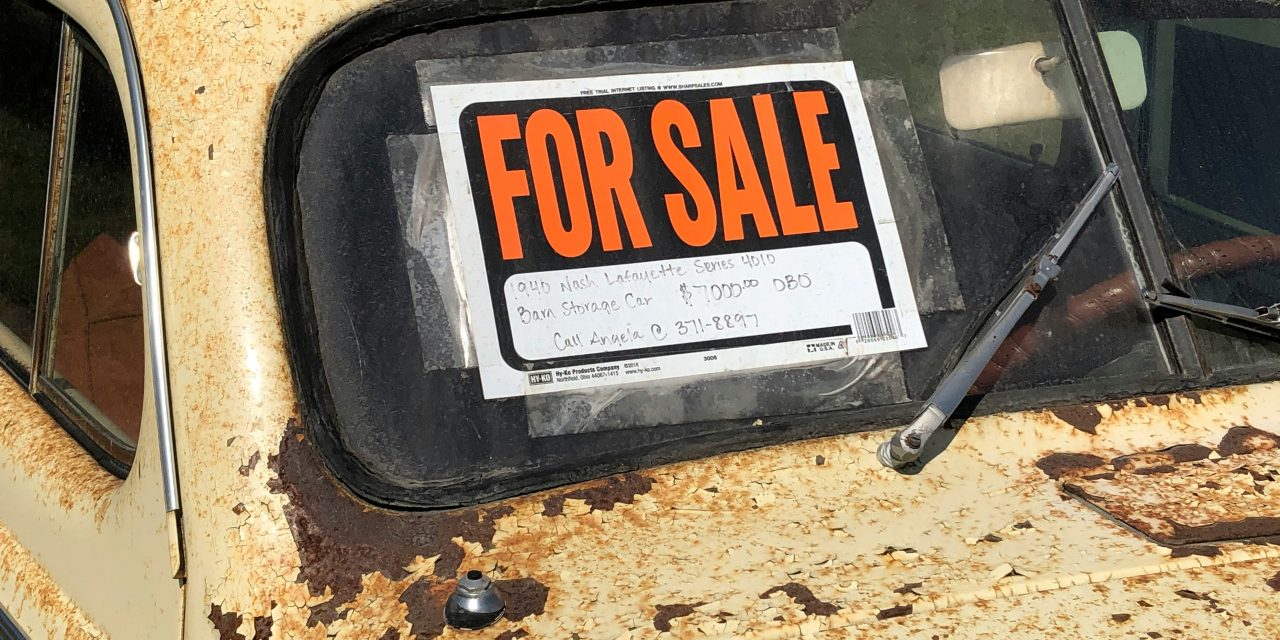
Before embarking on the journey of purchasing a vehicle, it is imperative to conduct comprehensive research on the car’s history. This step is crucial as it provides insights into the vehicle’s past, including any accidents, title issues, or odometer discrepancies. Utilizing resources such as Carfax or AutoCheck can yield valuable information regarding the car’s previous ownership, service records, and any reported damages. A thorough history check can reveal whether the vehicle has been involved in significant accidents that could affect its structural integrity or safety features.
Additionally, understanding the car’s history can help identify potential red flags. For instance, if a vehicle has had multiple owners in a short period, it may indicate underlying issues that prompted previous owners to sell. Furthermore, checking for recalls and whether they have been addressed is essential for ensuring the vehicle meets safety standards. By gathering this information, prospective buyers can make informed decisions and avoid costly mistakes.
When considering the purchase of a used car from a private seller, it’s essential to be well-informed about the process to ensure a smooth transaction. A helpful resource that provides insights into navigating private sales is an article that discusses various tips and strategies for making the right choice. For more information, you can read this related article on how to buy a used car from a private seller: How to Buy a Used Car from a Private Seller.
Set a Realistic Budget Beforehand
Establishing a realistic budget is a fundamental step in the car-buying process. This budget should encompass not only the purchase price but also additional costs such as insurance, registration fees, taxes, and maintenance expenses. It is advisable to research the average market value of the desired vehicle model to ensure that the budget aligns with current pricing trends. Websites like Kelley Blue Book or Edmunds can provide valuable insights into fair market values.
Moreover, it is essential to consider financing options if applicable. Buyers should evaluate their credit scores and explore loan terms from various lenders to determine what monthly payments are manageable. Setting a budget that accommodates all potential expenses will prevent financial strain and ensure that the purchase remains within reasonable limits.
Arrange a Pre-Purchase Inspection by a Mechanic

One of the most critical steps in the car-buying process is arranging for a pre-purchase inspection by a qualified mechanic. This inspection serves as a safeguard against hidden issues that may not be apparent during a casual examination. A professional mechanic can assess the vehicle’s overall condition, including the engine, transmission, brakes, and suspension systems. They can also identify any signs of wear and tear or potential future problems that could lead to costly repairs.
Investing in a pre-purchase inspection can save buyers significant amounts of money in the long run. If the mechanic uncovers serious issues, buyers can either negotiate a lower price or decide to walk away from the deal altogether. This proactive approach ensures that buyers are fully aware of what they are purchasing and can make informed decisions based on the vehicle’s actual condition.
Verify the Seller’s Identity and Ownership Documents

Verifying the seller’s identity and ownership documents is an essential step in ensuring a legitimate transaction. Buyers should request to see the seller’s driver’s license and compare it with the name on the vehicle’s title. This verification process helps confirm that the seller is indeed the rightful owner of the car and has the legal authority to sell it.
Additionally, examining ownership documents such as the title and registration is crucial. Buyers should ensure that there are no liens against the vehicle and that it has not been reported stolen. A clean title indicates that the seller has full ownership rights and that there are no outstanding financial obligations associated with the car. Taking these precautions minimizes the risk of fraud and ensures a smooth transaction.
When considering the purchase of a used car from a private seller, it’s essential to be well-informed about the process to ensure a smooth transaction. One helpful resource is an article that provides valuable insights and tips on how to navigate this experience effectively. For more detailed guidance, you can check out this informative piece on buying a used car. Being prepared can help you avoid common pitfalls and make a more confident decision.
Test Drive the Vehicle in Various Conditions
A test drive is an indispensable part of evaluating a potential vehicle purchase. It allows buyers to assess not only how the car performs but also how it feels in various driving conditions. During the test drive, it is advisable to take the vehicle on different types of roads—such as highways, city streets, and rough terrains—to gauge its handling, acceleration, braking, and overall comfort.
Paying attention to any unusual noises or vibrations during the drive can provide insights into potential mechanical issues. Additionally, testing features such as air conditioning, heating, and infotainment systems ensures that all components function correctly. A thorough test drive helps buyers determine whether the vehicle meets their expectations and requirements before making a commitment.
When considering how to buy a used car from a private seller, it’s essential to do your research and understand the process thoroughly. One helpful resource is an article that provides insights into the various steps involved in making a smart purchase. For more detailed guidance, you can check out this informative piece on buying a used car, which covers everything from negotiating the price to ensuring the vehicle’s history is clear. Taking the time to read such articles can help you avoid common pitfalls and make a more informed decision.
Check for Outstanding Finance or Legal Issues
Before finalizing a purchase, it is crucial to check for any outstanding finance or legal issues associated with the vehicle. Buyers should obtain a Vehicle Identification Number (VIN) and use it to conduct a search through relevant databases to uncover any liens or legal claims against the car. This step is vital because purchasing a vehicle with outstanding finance could result in repossession by creditors.
Furthermore, checking for any legal issues such as pending lawsuits or unresolved accidents can protect buyers from potential liabilities. Ensuring that there are no encumbrances on the vehicle provides peace of mind and safeguards against future complications.
Negotiate the Price Confidently and Fairly
Negotiating the price of a vehicle is an art that requires confidence and fairness. Armed with research on market values and any findings from inspections, buyers should approach negotiations with a clear understanding of what constitutes a fair price. It is essential to remain respectful during discussions while advocating for one’s interests.
Buyers should be prepared to justify their offers based on comparable sales data or any issues identified during inspections. Effective negotiation can lead to significant savings, making it an integral part of the purchasing process. Ultimately, both parties should feel satisfied with the final agreement to foster goodwill and ensure a positive transaction experience.
Review the Vehicle’s Service and Maintenance Records
Examining a vehicle’s service and maintenance records provides valuable insights into its care and upkeep over time. A well-documented history indicates that previous owners have taken proactive measures to maintain the car’s performance and reliability. Buyers should look for records detailing routine maintenance such as oil changes, tire rotations, brake replacements, and any major repairs performed.
A comprehensive service history can also reveal whether any recalls were addressed promptly. Understanding how well-maintained a vehicle has been can significantly influence purchasing decisions and help buyers anticipate future maintenance needs.
Avoid Paying in Cash and Use Secure Payment Methods
When finalizing a vehicle purchase, it is advisable to avoid cash transactions due to security concerns and lack of documentation. Instead, buyers should opt for secure payment methods such as bank transfers or certified checks. These methods provide a paper trail that can be beneficial for both parties in case of disputes or issues arising after the sale.
Using secure payment methods also protects buyers from potential scams or fraudulent activities associated with cash transactions. Ensuring that payment methods are traceable adds an extra layer of security to the transaction process.
Complete a Proper Bill of Sale and Transfer Ownership
Completing a proper bill of sale is essential for documenting the transaction legally. This document should include pertinent details such as the buyer’s and seller’s names, addresses, contact information, vehicle identification number (VIN), sale price, and date of sale. Both parties should sign this document to validate its authenticity.
Additionally, transferring ownership through appropriate channels ensures that all legal obligations are met. Buyers should verify that all necessary paperwork is completed accurately to avoid complications with registration or future ownership disputes.
Trust Your Instincts and Don’t Rush the Purchase
Finally, trusting one’s instincts plays a crucial role in making sound purchasing decisions. If something feels off about a deal or if doubts arise during any part of the process, it is essential to take a step back and reassess the situation. Rushing into a purchase can lead to regrettable decisions that may result in financial loss or dissatisfaction with the vehicle.
Taking time to reflect on all aspects of the transaction allows buyers to make informed choices based on thorough evaluations rather than impulsive reactions. Ultimately, patience can lead to finding a vehicle that meets both needs and expectations.
In summary, purchasing a vehicle involves several critical steps that require careful consideration and thorough research. From investigating the car’s history to negotiating prices confidently, each phase contributes to making an informed decision. By following these guidelines—setting realistic budgets, arranging inspections, verifying ownership documents, conducting test drives, checking for legal issues, negotiating fairly, reviewing service records, using secure payment methods, completing proper documentation, and trusting instincts—buyers can navigate this complex process successfully while minimizing risks associated with car purchases.
FAQs
What should I check before buying a used car from a private seller?
Before purchasing a used car from a private seller, you should check the vehicle’s history report using services like Carfax or AutoCheck, inspect the car for any signs of damage or wear, verify the title to ensure it is clear of liens, and take the car for a test drive. Additionally, consider having a trusted mechanic perform a pre-purchase inspection to identify any potential issues.
How can I negotiate the price with a private seller?
To negotiate the price with a private seller, research the market value of the car using resources like Kelley Blue Book or Edmunds. Be prepared to discuss any issues you found during your inspection or test drive that may justify a lower price. Approach the negotiation respectfully and be willing to walk away if the seller is not willing to meet your budget.
What paperwork do I need to complete the sale?
When buying a used car from a private seller, you will need to complete several documents, including a bill of sale that outlines the terms of the sale, the vehicle title signed over to you by the seller, and any state-specific forms required for registration and title transfer. Make sure to check your local DMV requirements for any additional paperwork.
How can I ensure the car is not stolen?
To ensure the car is not stolen, you can check the vehicle identification number (VIN) against databases such as the National Insurance Crime Bureau (NICB) or your local law enforcement agency. Additionally, ask the seller for proof of ownership and verify that the VIN on the title matches the VIN on the car itself.
What payment methods are safest when buying from a private seller?
The safest payment methods when buying from a private seller include using a cashier’s check or conducting the transaction through a secure payment service. Avoid cash transactions, as they can be risky. If possible, meet at a bank to complete the transaction, allowing both parties to verify funds and finalize the sale securely.