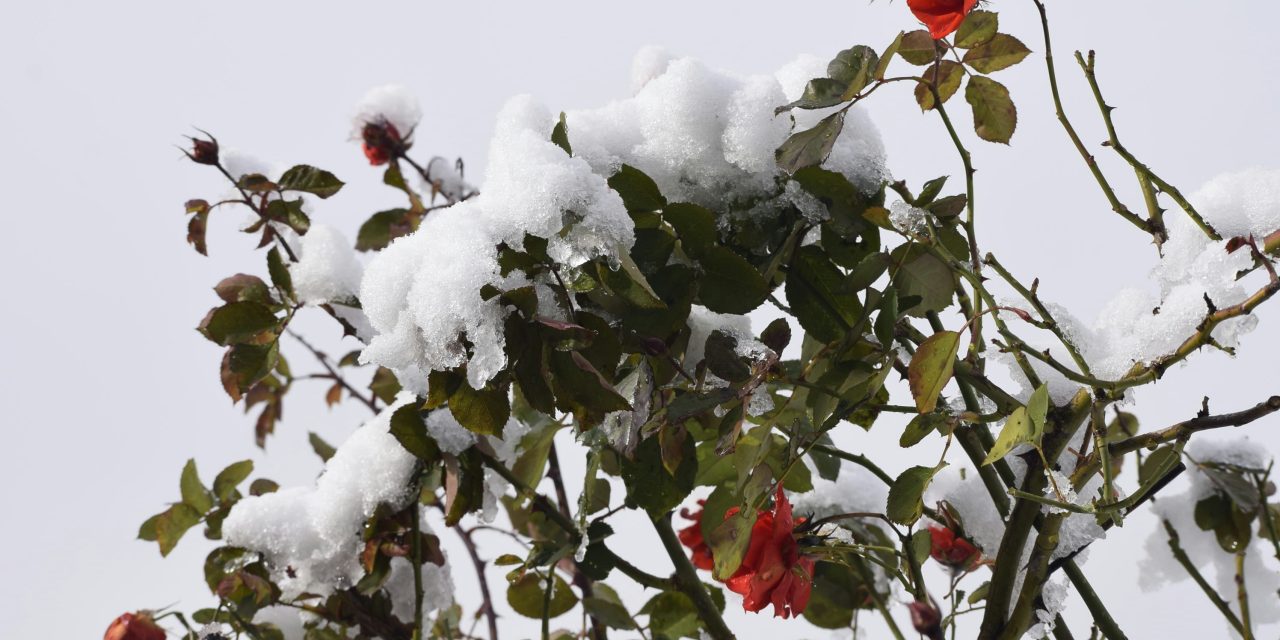
Roses, renowned for their beauty and fragrance, face numerous challenges during the winter months, particularly in regions with harsh climates. The primary adversities include extreme cold temperatures, frost, and snow accumulation, which can severely damage the plant’s structure and vitality. The physiological processes of roses slow down significantly as temperatures drop, leading to a state of dormancy. However, this dormancy does not render them immune to winter-related threats. Ice formation can cause cellular damage, while prolonged exposure to freezing temperatures can lead to root rot or even death.
Moreover, the fluctuating temperatures typical of winter can create a cycle of freeze-thaw conditions that exacerbate stress on the plants. This phenomenon can lead to the heaving of roots from the soil, exposing them to further damage. Additionally, moisture levels in the soil can fluctuate dramatically, leading to either desiccation or waterlogging. Understanding these challenges is crucial for any rose enthusiast aiming to preserve their plants through the winter months.
To ensure your roses thrive through the winter months, it’s essential to implement proper protective measures. For more detailed guidance on this topic, you can refer to the article that discusses various techniques for safeguarding your plants during the colder season. For additional insights, check out this related article on winter rose care: 7 Signs You Need a Serpentine Belt Replacement Cost Guide.
Choosing the Right Rose Varieties for Cold Climates
Selecting appropriate rose varieties is paramount for successful cultivation in colder climates. Certain species exhibit superior hardiness and resilience against frigid temperatures. For instance, hybrid teas and floribundas are often less tolerant of cold than shrub roses or species roses, which are bred specifically for endurance. Notable varieties such as ‘Knock Out’ roses and ‘Explorer’ series roses are celebrated for their ability to withstand harsh winters while maintaining vibrant blooms.
When choosing roses for cold climates, it is essential to consider the USDA Hardiness Zones. Varieties rated for Zones 3 and 4 are typically more resilient against extreme cold. Additionally, local nurseries often provide insights into which varieties thrive best in specific regions, making them invaluable resources for gardeners. By selecting the right types of roses, gardeners can significantly enhance their chances of successful winter survival.
Timing Your Winter Preparations Correctly

Timing is critical when preparing roses for winter. Ideally, preparations should begin in late fall, before the first hard frost occurs. This timing allows for adequate protection measures to be implemented while ensuring that the plants are still in a state of dormancy. Typically, this period falls between late October and early November in many regions.
Monitoring local weather forecasts is essential during this time. As temperatures begin to drop consistently below 32°F (0°C), it is crucial to initiate protective measures such as mulching and pruning. Waiting too long can expose roses to frost damage, while preparing too early may disrupt their natural dormancy cycle. Therefore, understanding local climate patterns and acting promptly can make a significant difference in the health of your roses.
Pruning Roses Before Winter Sets In

Pruning is a vital step in preparing roses for winter, as it helps to remove dead or diseased wood and encourages healthy growth in the spring. The ideal time for pruning is typically late fall or early winter when the plants are fully dormant. This process not only enhances air circulation but also reduces the risk of fungal infections that can thrive in dense foliage.
When pruning, it is essential to use sharp, clean tools to make precise cuts at a 45-degree angle just above a bud node. This technique promotes healing and minimizes damage to the plant. Additionally, removing any weak or spindly growth helps direct energy towards stronger branches, ensuring robust blooms come springtime. Proper pruning techniques can significantly improve the overall health and aesthetics of rose bushes.
As winter approaches, it’s essential to take steps to protect your roses from the harsh elements. One effective method is to apply a layer of mulch around the base of the plants, which helps insulate the roots and retain moisture. Additionally, wrapping the plants with burlap can provide extra protection against freezing temperatures and strong winds. For more tips on caring for your plants during the colder months, you can check out this informative article on plant care. By taking these precautions, you can ensure that your roses thrive come springtime.
Applying Mulch to Insulate Rose Roots
Mulching serves as an effective strategy for insulating rose roots against extreme cold temperatures. A layer of organic mulch—such as shredded bark, straw, or wood chips—acts as a thermal barrier that helps maintain consistent soil temperatures. Ideally, a mulch layer of 2-4 inches should be applied around the base of each rose bush after pruning.
In addition to temperature regulation, mulch also aids in moisture retention and suppresses weed growth during winter months. It is crucial to ensure that mulch does not come into direct contact with the stems of the roses, as this can lead to rot or pest infestations. By applying mulch correctly, gardeners can create a protective environment that fosters healthy root systems throughout winter.
Using Burlap and Other Protective Covers
In regions prone to severe winter conditions, utilizing burlap or other protective covers can provide an additional layer of defense for roses. Wrapping rose bushes in burlap shields them from harsh winds and extreme cold while allowing for air circulation to prevent moisture buildup that could lead to rot.
When using burlap, it is essential to create a loose wrap around the plant without constricting its growth. Additionally, stakes can be used to support the burlap structure and prevent it from collapsing under snow accumulation. Other protective covers such as frost cloths or specialized plant blankets can also be employed for added insulation. These measures help mitigate temperature fluctuations and protect delicate buds from frost damage.
Creating Windbreaks to Shield Roses from Harsh Winds
Wind exposure poses a significant threat to roses during winter months, as strong gusts can desiccate foliage and damage stems. Establishing windbreaks is an effective strategy for shielding roses from harsh winds. Natural barriers such as evergreen trees or shrubs can serve as effective windbreaks by reducing wind speed and creating a microclimate that protects delicate plants.
In addition to natural barriers, artificial windbreaks made from materials like burlap or plastic sheeting can be erected around rose beds. These structures should be positioned strategically to block prevailing winds while allowing sunlight to reach the plants. By implementing windbreaks, gardeners can significantly reduce stress on their roses during winter storms.
Watering Roses Properly During Winter Months
Proper hydration is crucial for maintaining rose health during winter months; however, watering practices must be adjusted according to seasonal changes. While roses require less water during dormancy, they still need adequate moisture levels in the soil to prevent desiccation.
It is advisable to water roses thoroughly before the ground freezes solid; this ensures that roots have sufficient moisture reserves throughout winter. During warmer spells when temperatures rise above freezing, checking soil moisture levels is essential—if the soil feels dry several inches below the surface, a light watering may be necessary. Overwatering should be avoided as it can lead to root rot; thus, monitoring soil conditions is vital for optimal hydration.
Monitoring for Pests and Diseases in Winter
Winter does not eliminate the risk of pests and diseases affecting roses; rather, certain issues may become more pronounced during this season. Common pests such as aphids or spider mites may seek shelter on dormant plants, while fungal diseases like powdery mildew can thrive in humid conditions.
Regular inspections of rose bushes during winter months are essential for early detection of any infestations or diseases. If pests are identified, appropriate treatments such as insecticidal soap or horticultural oils should be applied according to label instructions. Additionally, maintaining cleanliness around the base of rose bushes by removing fallen leaves and debris can help minimize disease risks.
Avoiding Common Winter Care Mistakes
Several common mistakes can jeopardize rose health during winter months if not addressed properly. One prevalent error is failing to adequately prepare plants before frost sets in; neglecting pruning or mulching can leave roses vulnerable to cold damage. Another mistake involves overprotecting roses by wrapping them too tightly or using materials that trap moisture against stems.
Additionally, misjudging watering needs during dormancy can lead to either desiccation or root rot; thus, understanding seasonal requirements is crucial for maintaining optimal hydration levels. By avoiding these pitfalls and adhering to best practices for winter care, gardeners can significantly enhance their chances of successful rose cultivation.
Preparing Roses for Spring Growth After Winter
As winter wanes and spring approaches, preparing roses for new growth becomes paramount. The transition from dormancy requires careful attention to ensure robust blooming in the upcoming season. Once temperatures consistently rise above freezing and signs of new growth appear, it is time to remove protective coverings gradually.
Pruning should also resume in early spring to shape plants and remove any dead or damaged wood incurred during winter months. Fertilization with a balanced rose-specific fertilizer will provide essential nutrients needed for vigorous growth as plants awaken from dormancy. Additionally, reapplying mulch after spring pruning helps retain moisture and suppress weeds as new growth emerges.
In summary, understanding the unique challenges posed by winter is crucial for successful rose cultivation in colder climates. By selecting hardy varieties, timing preparations correctly, employing effective pruning techniques, applying mulch for insulation, utilizing protective covers like burlap, creating windbreaks, managing watering practices judiciously, monitoring for pests and diseases diligently, avoiding common mistakes, and preparing adequately for spring growth—gardeners can ensure their roses thrive through winter and flourish come springtime.
FAQs
What are the best methods for protecting roses during winter?
To protect roses during winter, you can use methods such as mulching around the base of the plants, covering them with burlap or frost cloth, and ensuring proper pruning in the fall. Additionally, you can create a protective mound of mulch or compost around the base to insulate the roots.
When should I start preparing my roses for winter?
Preparation for winter should begin in late fall, typically after the first hard frost. This is when roses enter dormancy, and it’s important to ensure they are properly protected before the coldest temperatures arrive.
Should I prune my roses before winter?
Yes, light pruning is recommended before winter to remove any dead or diseased wood and to shape the plant. However, heavy pruning should be avoided until spring, as it can stimulate new growth that may be damaged by winter cold.
Is it necessary to cover all types of roses for winter protection?
Not all types of roses require the same level of winter protection. Hardy varieties, such as certain species of shrub roses, may not need covering, while tender varieties, like hybrid teas, benefit significantly from protective measures such as mulching and covering.
How can I tell if my roses are properly protected for winter?
Properly protected roses should have a layer of mulch around their base, be free from excessive moisture, and be covered if necessary. Additionally, check for signs of damage or stress in the spring, which can indicate inadequate winter protection.