Indoor plants have become an essential element in modern home decor, serving not only as aesthetic enhancements but also as contributors to overall well-being. The presence of greenery within living spaces has been linked to numerous psychological and physiological benefits, including improved air quality, reduced stress levels, and increased productivity. As urbanization continues to rise, the demand for indoor plants has surged, leading to a greater appreciation for their role in creating a serene and inviting atmosphere.
Incorporating indoor plants into your living space can transform an ordinary room into a vibrant sanctuary. They can soften harsh lines, add color, and create a sense of tranquility. With a plethora of options available, selecting the right plants can be daunting. However, understanding the specific needs and characteristics of various species can simplify the decision-making process. Among these, the Silver Chinese Evergreen stands out as a particularly appealing choice for both novice and experienced plant enthusiasts.
The Silver Chinese Evergreen, known for its striking variegated leaves and air-purifying qualities, is a popular choice for indoor gardening enthusiasts. If you’re interested in maintaining a healthy indoor environment, you might also want to learn about the importance of pest control in your home. For instance, understanding how to differentiate between carpenter ants and termites can be crucial in protecting your plants and living space. You can read more about this topic in the article found here: Carpenter Ants vs. Termites: How to Spot the Difference.
Why Choose Silver Chinese Evergreen?
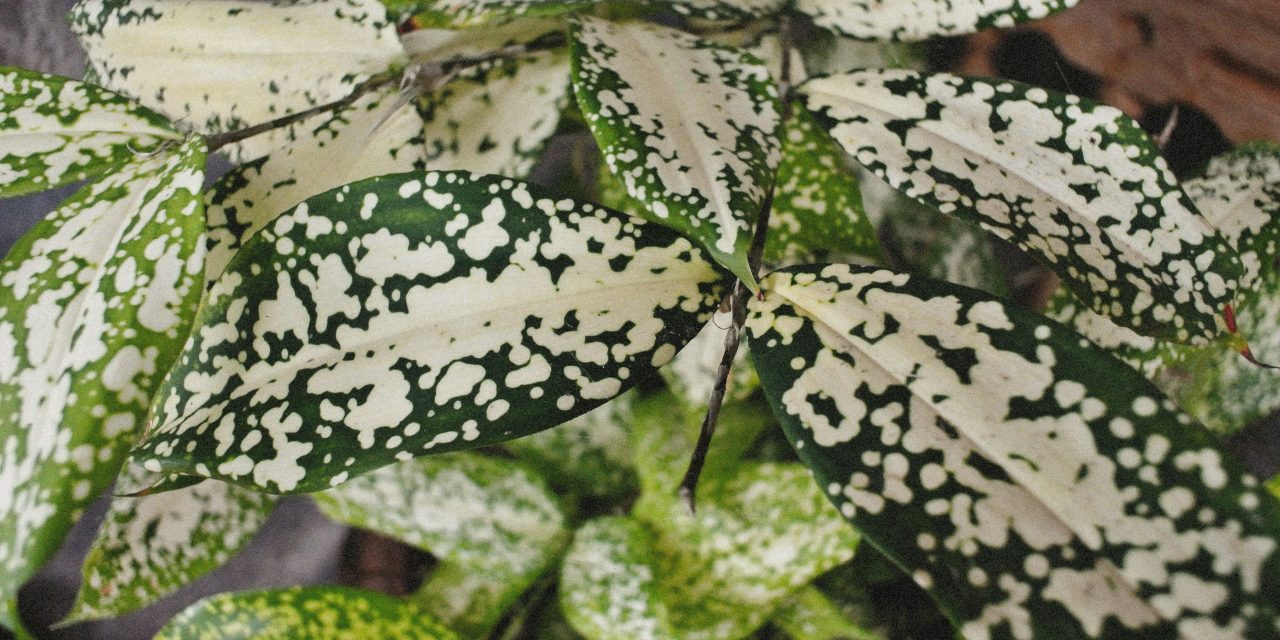
The Silver Chinese Evergreen (Aglaonema commutatum) is renowned for its striking foliage and resilience, making it an ideal candidate for indoor gardening. This plant is characterized by its lush green leaves adorned with silver markings, which create a visually captivating display. Its adaptability to various indoor conditions makes it a favorite among those seeking low-maintenance greenery.
One of the most compelling reasons to choose the Silver Chinese Evergreen is its ability to thrive in low-light environments. Unlike many houseplants that require bright, indirect sunlight, this species flourishes in dimly lit spaces, making it perfect for offices, bedrooms, or any area with limited natural light. Additionally, its tolerance to fluctuations in humidity and temperature further enhances its appeal, allowing it to flourish in diverse indoor settings.
Overview of the Top 10 Indoor Plants for Easy Care

When considering easy-care indoor plants, several species stand out due to their resilience and minimal maintenance requirements. Here are ten top contenders:
1. **Snake Plant (Sansevieria trifasciata)**: Known for its upright leaves and air-purifying qualities.
2. **Pothos (Epipremnum aureum)**: A trailing vine that thrives in various lighting conditions.
3. **ZZ Plant (Zamioculcas zamiifolia)**: Renowned for its glossy leaves and drought tolerance.
4. **Spider Plant (Chlorophytum comosum)**: A hardy plant that produces “baby” plants easily.
5. **Peace Lily (Spathiphyllum spp.)**: Offers beautiful white blooms and thrives in low light.
6. **Cast Iron Plant (Aspidistra elatior)**: Extremely resilient and can tolerate neglect.
7. **Rubber Plant (Ficus elastica)**: Features large leaves and can grow into a small tree.
8. **Dracaena (Dracaena spp.)**: Comes in various forms and is known for its striking foliage.
9. **Chinese Evergreen (Aglaonema spp.)**: Available in multiple varieties with unique leaf patterns.
10. **Silver Chinese Evergreen (Aglaonema commutatum)**: A standout for its beauty and ease of care.
These plants not only enhance the aesthetic appeal of your home but also contribute positively to your indoor environment.
Silver Chinese Evergreen: Appearance and Style Benefits

The aesthetic appeal of the Silver Chinese Evergreen cannot be overstated. Its broad, lance-shaped leaves exhibit a stunning combination of deep green and silvery hues that can complement any interior design style—from contemporary to traditional. The plant’s ability to grow upright adds a touch of elegance, making it suitable for tabletops, shelves, or as a floor plant.
In addition to its visual allure, the Silver Chinese Evergreen serves as a versatile decorative element. It can be used as a focal point in a room or grouped with other plants to create a lush indoor garden. The plant’s unique coloration allows it to harmonize with various color palettes, enhancing the overall ambiance of your living space while providing a refreshing touch of nature.
The Silver Chinese Evergreen, known for its striking foliage and resilience, is a popular choice for indoor plant enthusiasts. If you’re looking to enhance your home environment with greenery, you might find it interesting to explore how other living beings, like dogs, can also benefit from a well-structured environment. For insights on creating a harmonious space for your furry friends, check out this article on effective dog behavior modification tips that every owner should know.
Light Requirements for Silver Chinese Evergreen
One of the most significant advantages of the Silver Chinese Evergreen is its adaptability to different lighting conditions. This plant thrives in low to medium indirect light, making it an excellent choice for spaces that do not receive abundant sunlight. While it can tolerate brighter conditions, prolonged exposure to direct sunlight may scorch its leaves.
For optimal growth, it is advisable to place the Silver Chinese Evergreen near a window with filtered light or in a room that receives indirect sunlight throughout the day. If you notice the leaves losing their vibrant coloration or becoming leggy, it may be an indication that the plant requires more light. Conversely, if the leaves develop brown tips or spots, it may be receiving too much direct sunlight.
The silver Chinese evergreen, known for its striking foliage and resilience, is a popular choice among indoor plant enthusiasts. If you’re looking to enhance your home environment with greenery, you might also be interested in exploring ways to elevate your culinary experience. For instance, roasting vegetables can bring out their natural flavors and create a delightful texture. You can learn more about this technique in the article on how to roast vegetables so they’re crispy, not soggy. This culinary skill complements the aesthetic appeal of plants like the silver Chinese evergreen, making your home both beautiful and inviting.
Watering and Maintenance Tips for Silver Chinese Evergreen
Proper watering is crucial for maintaining the health of the Silver Chinese Evergreen. This plant prefers to dry out slightly between waterings; therefore, it is essential to check the soil moisture before adding water. A general rule of thumb is to water when the top inch of soil feels dry to the touch. Overwatering can lead to root rot, while underwatering may cause leaf droopiness.
In terms of maintenance, the Silver Chinese Evergreen requires minimal intervention. Regularly dusting the leaves with a damp cloth will help maintain their vibrant appearance and improve photosynthesis efficiency. Fertilizing every four to six weeks during the growing season with a balanced liquid fertilizer can promote healthy growth and enhance leaf coloration.
Air Purifying Qualities of Silver Chinese Evergreen and Other Plants
The Silver Chinese Evergreen is not only aesthetically pleasing but also serves as an effective air purifier. Studies have shown that this plant can remove harmful toxins such as formaldehyde, benzene, and xylene from indoor air, contributing to a healthier living environment. Its ability to filter pollutants makes it an excellent choice for homes and offices where air quality may be compromised.
In addition to the Silver Chinese Evergreen, several other indoor plants are recognized for their air-purifying properties:
– **Peace Lily**: Effective at removing mold spores and VOCs.
– **Spider Plant**: Known for its ability to absorb carbon monoxide.
– **Snake Plant**: Converts CO2 into oxygen at night.
– **Pothos**: Highly effective at filtering indoor air pollutants.
Incorporating these plants into your living space can significantly enhance air quality while adding beauty.
Ideal Indoor Locations for Silver Chinese Evergreen
Finding the right location for your Silver Chinese Evergreen is essential for its growth and vitality. Ideal spots include areas with indirect sunlight such as north-facing windows or rooms with filtered light sources. This plant thrives in humidity-rich environments; therefore, placing it in bathrooms or kitchens can be beneficial.
Avoid placing the Silver Chinese Evergreen near heating vents or drafty windows, as sudden temperature fluctuations can stress the plant. Additionally, keeping it away from direct sunlight will prevent leaf burn and discoloration.
Common Issues and Troubleshooting for Silver Chinese Evergreen
Despite its resilience, the Silver Chinese Evergreen may encounter some common issues that require attention:
1. **Yellowing Leaves**: This may indicate overwatering or insufficient light exposure.
2. **Brown Leaf Tips**: Often caused by underwatering or exposure to dry air.
3. **Leggy Growth**: A sign that the plant is not receiving enough light; consider relocating it to a brighter area.
4. **Pests**: Common pests include spider mites and aphids; regular inspections can help catch infestations early.
To troubleshoot these issues effectively, assess environmental conditions such as light levels and humidity before making adjustments.
Comparing Silver Chinese Evergreen with Other Easy-Care Indoor Plants
When comparing the Silver Chinese Evergreen with other easy-care indoor plants, several factors come into play—such as appearance, care requirements, and adaptability. For instance, while both the Snake Plant and ZZ Plant are known for their drought tolerance, they differ significantly in aesthetics; the Snake Plant features upright sword-like leaves while ZZ Plant has glossy oval leaves.
The Silver Chinese Evergreen stands out due to its unique coloration and ability to thrive in low-light conditions compared to other popular choices like Pothos or Spider Plant that prefer brighter environments. Additionally, its air-purifying qualities make it an excellent choice for those looking to improve indoor air quality while enjoying beautiful foliage.
Combining Style and Simplicity with Silver Chinese Evergreen
In conclusion, the Silver Chinese Evergreen is an exceptional choice for anyone looking to enhance their living space with minimal effort while enjoying numerous benefits. Its striking appearance combined with low maintenance requirements makes it suitable for both novice gardeners and seasoned plant enthusiasts alike. By understanding its specific needs regarding light, watering, and placement, you can ensure that this beautiful plant thrives in your home.
Incorporating the Silver Chinese Evergreen into your indoor garden not only elevates your decor but also contributes positively to your health by purifying the air around you. With its versatility and resilience, this plant exemplifies how style and simplicity can coexist harmoniously within your living environment.
—
**FAQ Section**
1. **How often should I water my Silver Chinese Evergreen?**
– Water when the top inch of soil feels dry; typically every 1-2 weeks depending on humidity levels.
2. **Can I keep my Silver Chinese Evergreen in low light?**
– Yes! It thrives in low to medium indirect light but should be kept away from direct sunlight.
3. **What should I do if my plant’s leaves turn yellow?**
– Check for overwatering or insufficient light; adjust care accordingly.
4. **Is the Silver Chinese Evergreen toxic to pets?**
– Yes, it is mildly toxic if ingested; keep it out of reach of pets.
5. **How can I propagate my Silver Chinese Evergreen?**
– Propagation can be done through stem cuttings placed in water or soil until roots develop.
6. **What type of fertilizer should I use?**
– A balanced liquid fertilizer diluted to half strength during the growing season works well.
7. **How do I clean my plant’s leaves?**
– Use a damp cloth to gently wipe dust off leaves; this helps maintain their health.
8. **What pests should I watch out for?**
– Common pests include spider mites and aphids; inspect regularly for signs of infestation.
9. **Can I grow Silver Chinese Evergreen outdoors?**
– It is best suited for indoor environments; if grown outdoors, ensure protection from direct sunlight.
10. **What temperature range is ideal for my plant?**
– The ideal temperature range is between 65°F to 80°F (18°C to 27°C).
By following these guidelines and understanding your plant’s needs, you can enjoy a thriving Silver Chinese Evergreen that enhances both your home decor and your well-being!
FAQs
What is a Silver Chinese Evergreen?
The Silver Chinese Evergreen, scientifically known as Aglaonema ‘Silver Queen’, is a popular houseplant known for its striking silver and green variegated leaves. It is part of the Araceae family and is native to tropical regions of Asia, making it well-suited for indoor environments.
How do you care for a Silver Chinese Evergreen?
Caring for a Silver Chinese Evergreen involves providing indirect light, moderate watering, and a well-draining potting mix. It thrives in temperatures between 65°F to 80°F (18°C to 27°C) and prefers humidity levels above 50%. Overwatering should be avoided to prevent root rot.
Is the Silver Chinese Evergreen toxic to pets?
Yes, the Silver Chinese Evergreen is considered toxic to pets, particularly cats and dogs. Ingestion can lead to symptoms such as vomiting, drooling, and difficulty swallowing due to the presence of calcium oxalate crystals in the plant.
How often should you fertilize a Silver Chinese Evergreen?
It is recommended to fertilize a Silver Chinese Evergreen every 4-6 weeks during the growing season (spring and summer) using a balanced, water-soluble fertilizer. Fertilization should be reduced or stopped during the fall and winter months when the plant’s growth slows down.
Can the Silver Chinese Evergreen survive in low light conditions?
Yes, the Silver Chinese Evergreen is known for its ability to tolerate low light conditions, making it an excellent choice for indoor spaces with limited natural light. However, while it can survive in low light, it will grow best in bright, indirect light.