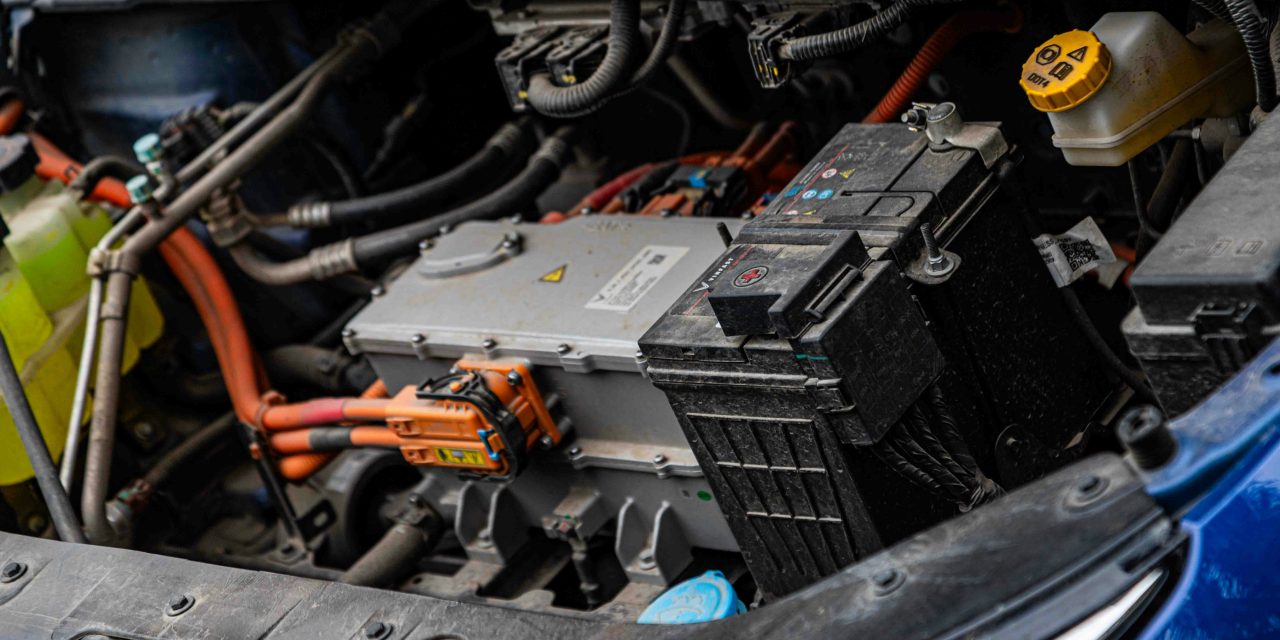
Car batteries are essential components of modern vehicles, serving as the primary source of electrical energy required to start the engine and power various electrical systems. Typically, a car battery is a lead-acid type, consisting of six cells that generate approximately 12.6 volts when fully charged. Each cell contains lead dioxide (PbO2) as the positive plate, sponge lead (Pb) as the negative plate, and a sulfuric acid electrolyte solution. The chemical reactions occurring within these cells convert chemical energy into electrical energy, enabling the vehicle to function effectively.
The capacity of a car battery is measured in ampere-hours (Ah), indicating how much current a battery can provide over a specific period. For instance, a battery rated at 50 Ah can theoretically deliver 1 amp for 50 hours or 50 amps for 1 hour. Understanding these fundamentals is crucial for vehicle owners, as it helps them recognize the importance of maintaining battery health and performance.
If you’re curious about how long a car can sit before the battery dies, you might also find it helpful to explore tips on refreshing your living space after the holidays. Just as a car needs regular maintenance to keep its battery charged, your home can benefit from a reset to maintain a vibrant atmosphere. For some great ideas on how to rejuvenate your home, check out this article on 10 easy ways to reset your home after the holidays for a fresh start.
Factors Affecting Battery Life When a Car Sits Idle
When a vehicle remains stationary for extended periods, several factors can significantly impact the longevity of its battery. One primary concern is self-discharge, a natural phenomenon where batteries lose charge over time due to internal chemical reactions. Lead-acid batteries typically experience a self-discharge rate of about 5% per month under optimal conditions. However, this rate can increase in adverse environments, leading to quicker depletion.
Another critical factor is parasitic drain, which refers to the continuous power consumption by electrical components even when the vehicle is turned off. Systems such as alarms, onboard computers, and infotainment systems can draw power from the battery, contributing to its gradual discharge. Understanding these factors is vital for vehicle owners who wish to preserve battery life during periods of inactivity.
Typical Duration a Car Battery Can Last Without Use

The duration a car battery can last without use varies based on several factors, including battery type, age, and environmental conditions. Generally, a healthy lead-acid battery can maintain its charge for approximately two to four weeks without any external power source. However, this timeframe can be significantly reduced if the battery is older or if parasitic drains are present.
In contrast, newer technologies such as absorbed glass mat (AGM) batteries may offer improved performance and longer shelf life when left idle. These batteries can often last up to six months without use under optimal conditions. Nevertheless, it is essential for vehicle owners to regularly check their batteries and consider maintenance strategies to ensure longevity.
How Temperature Influences Battery Drain

Temperature plays a pivotal role in the performance and longevity of car batteries. Extreme temperatures—both hot and cold—can adversely affect battery efficiency and lifespan. High temperatures accelerate the chemical reactions within the battery, leading to increased self-discharge rates and potential damage to internal components. Conversely, cold temperatures can slow down these reactions, resulting in reduced capacity and difficulty starting the engine.
For instance, at temperatures below freezing (32°F or 0°C), a car battery may lose up to 60% of its starting power. This phenomenon underscores the importance of monitoring temperature conditions and taking appropriate measures to protect the battery from extreme weather.
If you’re curious about how long a car can sit before the battery dies, you might find it interesting to explore related topics on vehicle maintenance. For instance, understanding how to properly store items can be crucial in various situations, just like knowing how to care for your car’s battery during long periods of inactivity. You can read more about this in the article on how to store cut avocados and keep them from turning brown, which highlights the importance of preservation techniques. Check it out here for some valuable insights.
The Role of Battery Age and Condition
The age and overall condition of a car battery are critical determinants of its performance and reliability. Most lead-acid batteries have a lifespan ranging from three to five years, depending on usage patterns and maintenance practices. As batteries age, their ability to hold a charge diminishes due to factors such as sulfation—a process where lead sulfate crystals form on the plates, hindering chemical reactions.
Regular inspections can help identify signs of deterioration, such as corrosion on terminals or bulging cases. Vehicle owners should also be aware that batteries nearing the end of their lifespan may exhibit reduced cranking power or difficulty maintaining charge levels during periods of inactivity.
Impact of Electrical Components on Battery Drain
Modern vehicles are equipped with numerous electrical components that can contribute to battery drain when the car is not in use. Systems such as GPS navigation, entertainment units, and even interior lights can draw power from the battery, leading to gradual depletion over time. Additionally, features like keyless entry systems may remain active even when the vehicle is turned off, further exacerbating parasitic drain.
To mitigate these effects, vehicle owners should familiarize themselves with their car’s electrical systems and consider disconnecting non-essential components during extended periods of inactivity. This proactive approach can help preserve battery health and extend its lifespan.
Signs Your Car Battery Is Dying After Sitting
Recognizing the signs of a dying car battery is crucial for preventing unexpected breakdowns. Common indicators include difficulty starting the engine, dimming headlights, or electrical accessories functioning erratically. If the vehicle exhibits slow cranking or fails to start altogether after sitting idle for an extended period, it may signal that the battery has lost significant charge or has reached the end of its useful life.
Additionally, visual inspections can reveal signs of corrosion around terminals or swelling in the battery case—both of which indicate potential failure. Regular monitoring and prompt action can help vehicle owners address these issues before they escalate into more significant problems.
Tips to Prolong Battery Life During Long Periods of Inactivity
To maximize battery longevity during extended periods of inactivity, vehicle owners can implement several strategies. First and foremost, regularly starting the vehicle and allowing it to run for at least 15 minutes every couple of weeks can help maintain charge levels and prevent sulfation buildup.
Another effective method is using a smart battery maintainer or trickle charger designed to keep batteries charged without overcharging them. These devices monitor voltage levels and automatically adjust charging rates as needed. Additionally, parking the vehicle in a climate-controlled environment can help mitigate temperature-related issues that contribute to battery drain.
How to Properly Store a Car to Preserve Battery Health
Proper storage techniques are essential for preserving battery health during prolonged inactivity. When storing a vehicle for an extended period, it is advisable to clean the battery terminals and apply a thin layer of petroleum jelly to prevent corrosion. Disconnecting the negative terminal can also help minimize parasitic drain.
If possible, store the vehicle in a garage or covered area to protect it from extreme weather conditions. Additionally, consider placing the car on jack stands to relieve pressure on tires and suspension components during long-term storage.
Jump-Starting and Charging a Dead Battery After Storage
In cases where a car battery has died after sitting idle for an extended period, jump-starting may be necessary to restore functionality. To jump-start a vehicle safely, use jumper cables and connect them in the following order: attach one end of the positive cable to the dead battery’s positive terminal and the other end to the working battery’s positive terminal; then connect one end of the negative cable to the working battery’s negative terminal and attach the other end to an unpainted metal surface on the dead vehicle.
Once connected, start the working vehicle and allow it to run for several minutes before attempting to start the dead vehicle. If successful, allow both vehicles to run for additional time to recharge the dead battery adequately.
When to Replace Your Car Battery After Extended Inactivity
Determining when to replace a car battery after prolonged inactivity involves assessing several factors. If a battery has been inactive for more than six months or shows signs of significant wear—such as corrosion or swelling—it may be time for replacement. Additionally, if jump-starting does not restore functionality or if the vehicle exhibits persistent starting issues despite regular maintenance efforts, replacing the battery is advisable.
Regular testing using a multimeter can help gauge voltage levels; a reading below 12 volts typically indicates that replacement is necessary. Ultimately, proactive monitoring and timely replacement can prevent unexpected breakdowns and ensure reliable vehicle performance.
In summary, understanding car battery basics is essential for maintaining optimal performance during periods of inactivity. Factors such as self-discharge rates, temperature influences, age-related decline, and electrical component drain all play significant roles in determining battery longevity. By implementing preventive measures such as regular maintenance checks and proper storage techniques, vehicle owners can prolong their batteries’ lifespan and avoid unexpected failures when they need their vehicles most.
FAQs
How long can a car battery last when the car is not in use?
A car battery can typically last anywhere from two weeks to several months without being used, depending on various factors such as the battery’s age, condition, and the electrical load from systems like alarms or onboard computers.
What factors affect how quickly a car battery will die when the car is sitting?
Several factors can affect how quickly a car battery discharges, including the battery’s age and health, temperature (batteries discharge faster in cold weather), and whether any electrical components are drawing power while the car is off.
Can a car battery be recharged after sitting for a long time?
Yes, a car battery that has been sitting for an extended period can often be recharged, provided it has not been damaged or excessively discharged. However, if the battery is too old or has developed sulfation, it may not hold a charge effectively.
What are the signs that a car battery is dying?
Signs that a car battery may be dying include slow engine cranking, dimming headlights, electrical issues, and a battery warning light on the dashboard. If the battery is more than three to five years old, it may also be time for a replacement.
How can I prolong the life of my car battery when not in use?
To prolong the life of your car battery when the vehicle is not in use, consider disconnecting the battery, using a battery maintainer or trickle charger, and ensuring the battery is fully charged before leaving the car idle for an extended period.