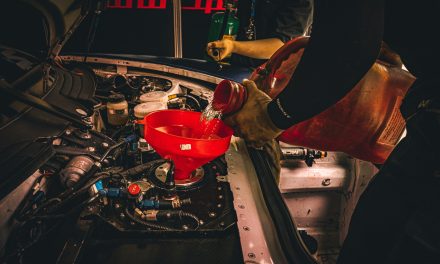
Regular oil changes are a fundamental aspect of vehicle maintenance that significantly contribute to the longevity and performance of an engine. Engine oil serves as a lubricant, reducing friction between moving parts, thereby preventing wear and tear. Over time, oil degrades due to heat, contaminants, and the breakdown of its chemical properties, which can lead to increased engine wear, reduced fuel efficiency, and ultimately, catastrophic engine failure. By adhering to a consistent oil change schedule, vehicle owners can ensure that their engines operate smoothly and efficiently.
Moreover, regular oil changes help maintain optimal engine temperature. Fresh oil has superior heat-dissipating properties compared to old, degraded oil. This is crucial because excessive heat can lead to engine overheating, which may cause severe damage. Additionally, clean oil helps to keep the engine clean by suspending dirt and debris, preventing sludge buildup that can obstruct oil passages and lead to decreased performance. In essence, regular oil changes are not merely a recommendation; they are an essential practice for maintaining vehicle health.
When considering how many miles you can drive between oil changes, it’s essential to also think about the overall maintenance of your vehicle, including the upkeep of other components like your coffee maker if you have one in your car. For instance, a well-maintained coffee maker can enhance your driving experience, especially on long trips. If you’re interested in learning how to keep your coffee maker in top shape, you can check out this informative article on how to descale a coffee maker and remove mineral buildup.
Manufacturer Recommendations: What Your Owner’s Manual Says
Every vehicle comes with an owner’s manual that provides specific guidelines regarding maintenance schedules, including oil change intervals. Manufacturers typically recommend oil change frequencies based on extensive testing and engineering analysis of their engines. These recommendations often vary depending on the make and model of the vehicle, as well as the type of oil used. For instance, some manufacturers suggest changing the oil every 5,000 miles for conventional oil, while others may extend this interval to 7,500 or even 10,000 miles for synthetic oils.
It is crucial for vehicle owners to consult their owner’s manual to understand the specific requirements for their car. Ignoring these guidelines can lead to premature engine wear and may void warranties. Additionally, manufacturers often provide insights into the type of oil best suited for their engines, whether it be conventional, synthetic blend, or full synthetic. Following these recommendations not only ensures optimal performance but also enhances the resale value of the vehicle by demonstrating responsible maintenance practices.
The choice between conventional and synthetic oil significantly impacts how often an oil change is necessary. Conventional oil is derived from crude oil and undergoes refining processes to remove impurities. While it is effective for many vehicles, it tends to break down more quickly under high temperatures and stress conditions. As a result, vehicles using conventional oil may require more frequent changes—typically every 3,000 to 5,000 miles.
On the other hand, synthetic oil is engineered through chemical processes that provide superior lubrication properties and thermal stability. Synthetic oils are designed to withstand higher temperatures and resist oxidation better than their conventional counterparts. Consequently, many vehicles using synthetic oil can go longer between changes—often between 7,500 and 15,000 miles—depending on driving conditions and manufacturer recommendations. Understanding the differences between these two types of oil can help vehicle owners make informed decisions about their maintenance schedules.
Factors That Affect Oil Change Frequency

Several factors influence how often an oil change should be performed beyond just the type of oil used. Driving habits play a significant role; for instance, frequent short trips can prevent the engine from reaching optimal operating temperature, leading to increased moisture buildup in the oil. This moisture can dilute the oil’s effectiveness and necessitate more frequent changes.
Additionally, environmental conditions such as extreme temperatures can affect oil performance. In colder climates, oil may thicken, while in hotter climates, it may break down more rapidly. Towing heavy loads or driving in stop-and-go traffic can also accelerate oil degradation due to increased engine strain. Therefore, vehicle owners should consider these factors when determining their oil change intervals to ensure optimal engine health.
Signs Your Car Needs an Oil Change Sooner

While adhering to a scheduled maintenance plan is essential, there are specific signs that indicate a vehicle may require an oil change sooner than anticipated. One of the most common indicators is the appearance of the oil itself; if it appears dark and gritty rather than a clear amber color, it may be time for a change. Additionally, if the engine begins to make unusual noises or if there is a noticeable decrease in performance or fuel efficiency, these could be signs that the oil is no longer providing adequate lubrication.
Another critical sign is the presence of an oil warning light on the dashboard. This light indicates low oil pressure or low oil levels and should not be ignored. Furthermore, if there are visible leaks or puddles of oil under the vehicle, this could signify a serious issue that requires immediate attention. Being vigilant about these signs can prevent more severe engine problems down the line.
Understanding how many miles you can drive between oil changes is crucial for maintaining your vehicle’s performance and longevity. Regular oil changes help ensure that your engine runs smoothly and efficiently. For more insights on vehicle maintenance, you might find this article on winter home maintenance helpful, as it discusses preventative measures to avoid costly damage during colder months. To read more about it, check out this winter home maintenance checklist.
Typical Mileage Ranges Between Oil Changes
The typical mileage range between oil changes varies based on several factors including vehicle type, driving conditions, and the type of oil used. For conventional oils, most manufacturers recommend changing the oil every 3,000 to 5,000 miles under normal driving conditions. However, some newer vehicles equipped with advanced engines may extend this interval up to 7,500 miles.
For synthetic oils, many manufacturers suggest intervals ranging from 7,500 to 15,000 miles depending on driving habits and environmental conditions. It is essential for vehicle owners to refer to their owner’s manual for specific recommendations tailored to their vehicle’s needs. Regularly monitoring mileage and adhering to these guidelines can significantly enhance engine longevity and performance.
When considering how many miles you can drive between oil changes, it’s important to also think about the overall maintenance of your vehicle. Regular upkeep not only enhances performance but can also prevent costly repairs down the line. For instance, understanding essential home repairs can be just as crucial for car owners who enjoy DIY projects. If you’re interested in learning more about these repairs, you can check out this informative article on top 10 essential home repairs every DIYer should know. Keeping both your car and home in good shape will ensure a smoother ride in life.
How Driving Conditions Influence Oil Change Timing
Driving conditions play a pivotal role in determining how frequently an oil change should be performed. For example, vehicles frequently driven in urban environments with heavy traffic experience more stop-and-go driving than those driven primarily on highways. This type of driving can lead to increased engine wear and faster degradation of engine oil due to higher operating temperatures.
Similarly, driving in extreme weather conditions—whether hot or cold—can affect how quickly oil breaks down. In hot climates, oils may oxidize more rapidly due to elevated temperatures, while in cold climates, oils may thicken and lose their lubricating properties if not changed regularly. Additionally, towing heavy loads or driving on rough terrain can place additional stress on an engine and its oil system. Therefore, understanding how these factors influence oil change timing is crucial for maintaining optimal engine health.
The Risks of Extending Oil Change Intervals
Extending oil change intervals beyond manufacturer recommendations poses significant risks to engine health and performance. As engine oil ages and becomes contaminated with dirt and debris, its ability to lubricate effectively diminishes. This can lead to increased friction between moving parts, resulting in accelerated wear and tear on critical components such as bearings and camshafts.
Moreover, old oil can form sludge that clogs vital passages within the engine, restricting proper lubrication and cooling. This can ultimately lead to overheating and catastrophic engine failure if left unaddressed. Additionally, neglecting regular oil changes can void warranties and lead to costly repairs down the line. Therefore, adhering to recommended intervals is essential for preserving both engine integrity and financial investment.
Tips to Maximize Oil Life and Engine Performance
To maximize both oil life and overall engine performance, vehicle owners can adopt several best practices. First and foremost is ensuring that the correct type of oil is used as specified in the owner’s manual; using high-quality synthetic oils can significantly extend intervals between changes due to their superior properties.
Regularly checking fluid levels—including coolant—can also help maintain optimal operating conditions for the engine. Additionally, scheduling routine maintenance checks can identify potential issues before they escalate into costly repairs. Keeping the engine clean by replacing air filters regularly will also enhance performance by ensuring proper airflow.
Lastly, adopting smoother driving habits—such as avoiding rapid acceleration and hard braking—can reduce stress on the engine and prolong both oil life and overall vehicle longevity.
How to Check Your Oil Level and Quality at Home
Checking your vehicle’s oil level and quality at home is a straightforward process that every car owner should know how to perform. Begin by parking your vehicle on a level surface and allowing it to cool down for a few minutes. Open the hood and locate the dipstick—usually marked with a brightly colored handle.
Remove the dipstick from its tube and wipe it clean with a lint-free cloth or paper towel before reinserting it fully back into its tube. Pull it out again to check the level; there should be markings indicating whether the level is low or within acceptable ranges. If it appears low or dirty (dark brown or black), it may be time for an oil change.
Additionally, inspecting the consistency of the oil is crucial; it should feel smooth without any gritty particles present. If you notice any unusual smells or colors (such as milky brown), this could indicate contamination or other issues requiring professional attention.
When to Consult a Professional Mechanic for Oil Changes
While many vehicle owners are capable of performing basic maintenance tasks such as checking fluid levels at home, there are instances when consulting a professional mechanic becomes necessary. If you notice any signs of leaks or unusual noises coming from your engine during routine checks, it’s advisable to seek expert assistance immediately.
Additionally, if you are unsure about which type of oil is best suited for your vehicle or if you have questions regarding your maintenance schedule based on driving habits or conditions, a qualified mechanic can provide valuable insights tailored specifically for your needs.
Furthermore, if your vehicle has reached high mileage or if you have recently purchased a used car without clear maintenance records, scheduling an appointment with a mechanic for a comprehensive inspection—including an oil change—can help ensure that your vehicle remains in optimal condition moving forward.
In summary, regular oil changes are vital for maintaining engine health and performance over time. By adhering closely to manufacturer recommendations while considering factors such as driving conditions and habits—vehicle owners can significantly enhance both longevity and efficiency within their engines through proper maintenance practices.
FAQs
How many miles can you typically drive between oil changes?
Most manufacturers recommend changing your oil every 5,000 to 7,500 miles for conventional oil, while synthetic oil can often last between 7,500 to 10,000 miles. However, it’s essential to consult your vehicle’s owner manual for specific recommendations.
Does driving conditions affect the oil change interval?
Yes, driving conditions can significantly impact how often you should change your oil. Frequent short trips, stop-and-go traffic, extreme temperatures, and towing can all lead to more frequent oil changes, as these conditions can cause the oil to break down faster.
What are the signs that I need an oil change?
Common signs that indicate you may need an oil change include a warning light on your dashboard, unusual engine noises, a burning smell, or dark, gritty oil on the dipstick. Regularly checking your oil level and condition can help you stay ahead of necessary changes.
Can I go longer than the recommended mileage for oil changes?
While some drivers may extend the oil change interval slightly, it’s generally not advisable to exceed the manufacturer’s recommendations. Doing so can lead to engine wear and potential damage, as oil loses its effectiveness over time.
What happens if I don’t change my oil regularly?
Failing to change your oil regularly can lead to a buildup of sludge, reduced engine performance, and ultimately, engine failure. Regular oil changes are crucial for maintaining engine health and longevity.