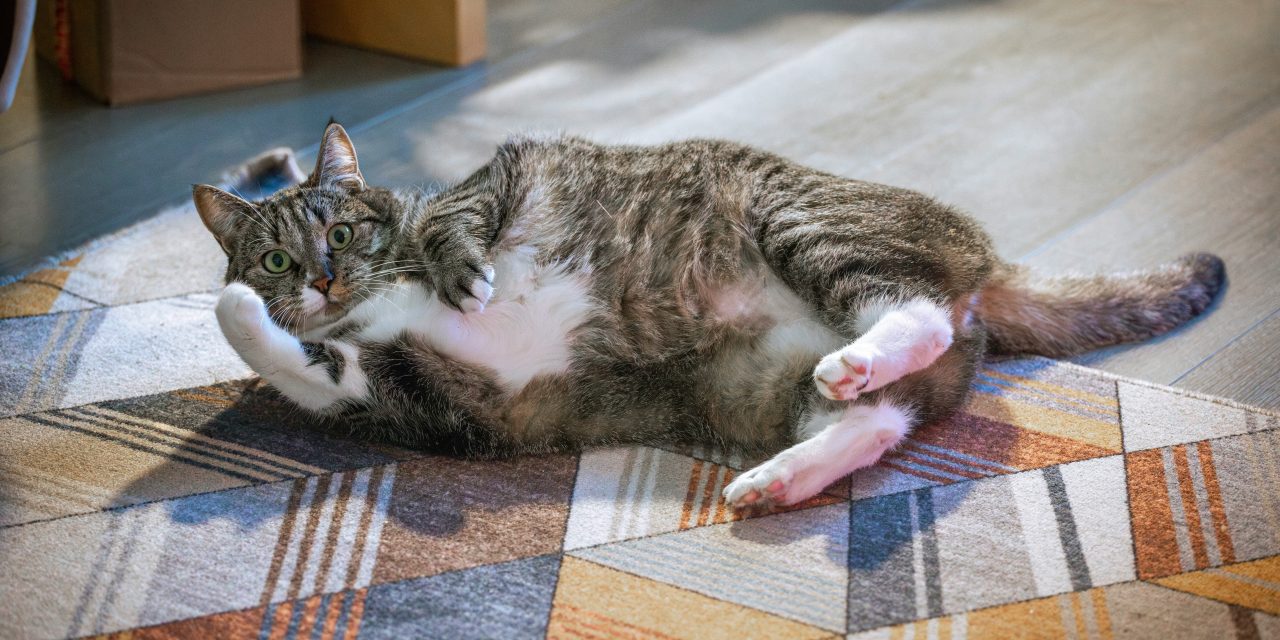
Play biting is a common behavior exhibited by adult cats, often stemming from their instinctual hunting and predatory tendencies. Unlike dogs, felines are solitary hunters, and their play behavior mimics the stalking, pouncing, and biting actions they would use to capture prey. This behavior is not inherently aggressive; rather, it serves as an outlet for their natural instincts. Adult cats may engage in play biting during interactive play sessions or when they are feeling particularly energetic. Understanding this behavior is crucial for cat owners, as it allows them to differentiate between playful antics and genuine aggression.
Play biting can manifest in various forms, from gentle nibbles to more forceful bites. The intensity of the bite often correlates with the cat’s excitement level during play. While some cats may exhibit a soft mouth when engaging in play, others may inadvertently apply more pressure, leading to discomfort for their human companions. Recognizing the nuances of play biting is essential for fostering a safe and enjoyable environment for both the cat and its owner. By understanding the underlying motivations for this behavior, cat owners can implement strategies to manage and redirect it effectively.
Recognizing the Triggers Behind Play Biting
Identifying the triggers that lead to play biting is vital for addressing this behavior. Various factors can contribute to a cat’s inclination to bite during play, including environmental stimuli, social interactions, and individual personality traits. For instance, a cat may become overly stimulated by fast-moving objects, such as toys or even human hands, prompting them to engage in biting behavior. Additionally, certain sounds or visual cues can trigger a cat’s predatory instincts, leading to an increase in playful aggression.
Social interactions also play a significant role in triggering play biting. Cats that have not been adequately socialized may exhibit heightened sensitivity to touch or movement, resulting in unexpected biting during play. Furthermore, individual personality traits can influence how a cat engages with its environment. Some cats are naturally more playful and energetic, while others may be more reserved. Understanding these triggers allows cat owners to tailor their interactions and create a more harmonious play experience.
Differentiating Play Biting from Aggressive Biting

Distinguishing between play biting and aggressive biting is crucial for ensuring the safety of both the cat and its owner. Play biting typically involves a lack of intent to harm; the cat may exhibit playful body language, such as a relaxed posture, purring, or playful vocalizations. In contrast, aggressive biting is characterized by tense body language, flattened ears, dilated pupils, and hissing or growling sounds. Recognizing these signs can help owners respond appropriately to their cat’s behavior.
When assessing whether a bite is playful or aggressive, consider the context in which it occurs. If the cat is engaged in a playful activity and suddenly bites, it is likely a playful gesture. However, if the cat displays signs of fear or aggression prior to biting, it may be reacting defensively or feeling threatened. Understanding these distinctions is essential for managing interactions with your feline companion and ensuring that playtime remains enjoyable for both parties.
Providing Appropriate Toys and Alternatives

To mitigate play biting behavior, providing appropriate toys and alternatives is essential. Cats require stimulation and engagement to satisfy their natural hunting instincts. Interactive toys that mimic prey movements can effectively redirect a cat’s energy away from human hands and towards designated play items. Feather wands, laser pointers, and plush toys are excellent choices for encouraging healthy play behaviors.
Additionally, incorporating puzzle toys can provide mental stimulation while reducing the likelihood of play biting. These toys challenge cats to solve problems in order to access treats or rewards, keeping them engaged and focused on appropriate activities. By offering a variety of toys that cater to different play styles, owners can create an enriching environment that minimizes the chances of unwanted biting behavior.
Using Positive Reinforcement to Encourage Gentle Play
Positive reinforcement is a powerful tool for encouraging gentle play behaviors in cats. By rewarding desired behaviors with treats, praise, or affection, owners can reinforce the idea that gentle interactions are more rewarding than aggressive ones. For instance, if a cat engages in soft play without resorting to biting, offering a treat or verbal praise can help solidify this behavior.
Consistency is key when using positive reinforcement. Owners should aim to reward gentle play consistently while redirecting any biting behavior immediately. Over time, cats will learn that gentle interactions yield positive outcomes, leading to a reduction in play biting incidents. This approach fosters trust between the cat and its owner while promoting a more enjoyable play experience.
Establishing Consistent Boundaries and Rules
Establishing consistent boundaries and rules is essential for managing play biting behavior effectively. Cats thrive on routine and predictability; therefore, setting clear expectations regarding acceptable behaviors can help them understand what is permissible during playtime. For example, owners should establish rules about using hands as toys versus designated play items.
When boundaries are consistently enforced, cats are less likely to become confused about acceptable behaviors. If a cat bites during playtime, owners should calmly redirect their attention to an appropriate toy rather than reacting with frustration or anger. Consistency in enforcing these rules will help reinforce positive behaviors while minimizing instances of unwanted biting.
Redirecting Biting Behavior Effectively
Redirecting biting behavior effectively requires patience and understanding from cat owners. When a cat begins to exhibit signs of impending play biting—such as increased excitement or stalking behavior—owners should intervene by redirecting their attention to an appropriate toy or activity. This proactive approach helps prevent the escalation of biting behavior while providing an outlet for the cat’s energy.
In addition to redirecting attention during playtime, owners can also implement strategies to manage biting behavior outside of play sessions. For instance, providing ample opportunities for physical exercise through interactive play can help reduce excess energy that may lead to biting incidents later on. By proactively addressing potential triggers and redirecting behavior effectively, owners can create a more harmonious living environment.
Avoiding Punishment and Negative Reactions
Avoiding punishment and negative reactions is crucial when addressing play biting behavior in cats. Punitive measures can lead to fear-based responses and exacerbate behavioral issues rather than resolve them. Instead of resorting to punishment, owners should focus on understanding the underlying motivations for their cat’s behavior and implementing positive reinforcement strategies.
Negative reactions can also damage the bond between a cat and its owner. Cats are sensitive creatures; harsh responses may lead them to associate their owner with fear or anxiety rather than safety and trust. By fostering a positive environment where gentle interactions are encouraged and rewarded, owners can cultivate a stronger relationship with their feline companions while effectively managing play biting behavior.
Increasing Interactive Playtime to Reduce Biting
Increasing interactive playtime is an effective strategy for reducing instances of play biting in adult cats. Regular engagement through structured play sessions allows cats to expend energy while satisfying their natural hunting instincts. Owners should aim for at least 15-30 minutes of interactive play each day using various toys that encourage movement and stimulation.
Interactive play not only provides physical exercise but also strengthens the bond between the cat and its owner. Engaging in activities such as feather wand play or laser pointer chases allows cats to practice their hunting skills while enjoying quality time with their humans. By prioritizing interactive playtime, owners can significantly reduce the likelihood of unwanted biting behaviors while promoting overall well-being.
Monitoring Your Cat’s Stress and Anxiety Levels
Monitoring stress and anxiety levels in cats is essential for addressing behavioral issues such as play biting effectively. Environmental changes—such as moving homes or introducing new pets—can trigger stress responses in felines, leading to increased aggression or anxiety-related behaviors. Owners should be vigilant in observing their cat’s body language and vocalizations for signs of distress.
Creating a calm environment can help alleviate stress-related behaviors. Providing safe spaces where cats can retreat when feeling overwhelmed is crucial for their emotional well-being. Additionally, incorporating calming aids such as pheromone diffusers or anxiety-reducing supplements may further support a cat’s mental health. By prioritizing stress management strategies, owners can create an environment conducive to positive behaviors while minimizing instances of play biting.
When to Seek Professional Help for Persistent Biting
If play biting persists despite implementing various management strategies, it may be time to seek professional help from a veterinarian or animal behaviorist. Persistent biting could indicate underlying behavioral issues or health concerns that require expert evaluation. A professional can assess the situation comprehensively and provide tailored recommendations based on the individual cat’s needs.
In some cases, behavioral modification programs may be necessary to address persistent biting behaviors effectively. These programs often involve structured training techniques designed to reshape undesirable behaviors while promoting positive interactions between cats and their owners. Seeking professional guidance ensures that both the cat’s physical health and emotional well-being are prioritized throughout the process.
In summary, understanding play biting in adult cats involves recognizing its triggers and differentiating it from aggressive behavior. Providing appropriate toys and using positive reinforcement are essential strategies for managing this behavior effectively. Establishing consistent boundaries while avoiding punishment fosters trust between cats and their owners. Increasing interactive playtime helps reduce instances of biting while monitoring stress levels ensures overall well-being. If persistent issues arise, seeking professional assistance may be necessary for effective resolution.
FAQs
What causes play biting in adult cats?
Play biting in adult cats is often a result of their natural hunting instincts. Cats are predators by nature, and they engage in play to practice their hunting skills. This behavior can also stem from boredom, excess energy, or a lack of appropriate toys to channel their energy into.
How can I redirect my cat’s biting behavior?
To redirect your cat’s biting behavior, provide them with appropriate toys that mimic prey, such as feather wands or laser pointers. Engage them in interactive play sessions to help expend their energy. When they start to bite, stop the play immediately and redirect their attention to a toy instead.
Is it safe to use my hands when playing with my cat?
It is not advisable to use your hands as toys when playing with your cat, as this can encourage biting behavior. Instead, always use toys to keep a safe distance between your hands and your cat’s teeth. This helps teach your cat that hands are not for biting.
What should I do if my cat bites me during play?
If your cat bites you during play, immediately stop the interaction and withdraw your attention. This teaches your cat that biting leads to the end of fun. You can also try to calmly redirect them to a toy or engage them in a different activity to reinforce positive behavior.
Are there any behavioral training techniques to stop play biting?
Yes, behavioral training techniques such as positive reinforcement can be effective in stopping play biting. Reward your cat with treats or praise when they play gently or use their toys instead of biting. Consistency is key, so ensure everyone in the household follows the same approach to reinforce the desired behavior.