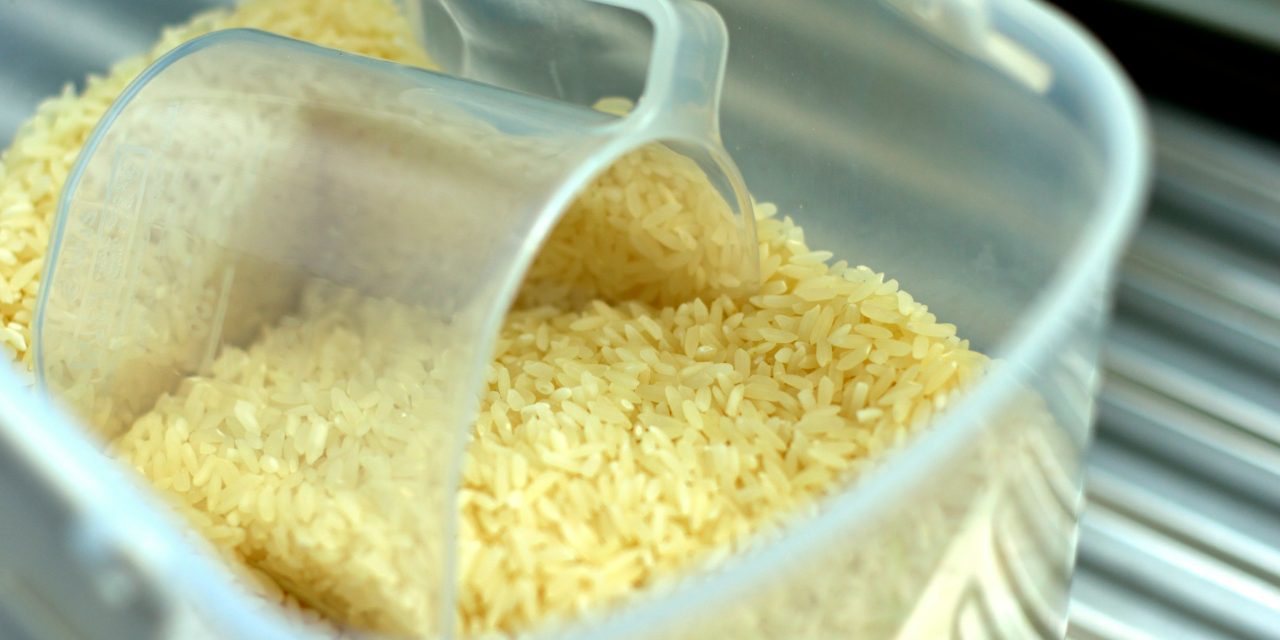
Millet, a group of small-seeded grasses, has been cultivated for thousands of years and is revered for its resilience and adaptability to various climates. This ancient grain has gained significant traction in recent years, particularly among health-conscious consumers and those seeking gluten-free alternatives. Its versatility allows it to be incorporated into a myriad of dishes, ranging from porridge to salads, and even baked goods. The rising popularity of millet can be attributed to its nutritional profile, sustainability, and the growing trend towards plant-based diets.
As global awareness of food security and sustainable agriculture increases, millet stands out as a crop that requires minimal resources. It thrives in arid conditions and poor soil, making it an ideal choice for regions facing climate challenges. Furthermore, millet is often considered a superfood due to its rich nutrient content, which includes essential vitamins, minerals, and antioxidants. This article delves into the nutritional benefits of millet, its shelf life, proper storage methods, and best practices to ensure its freshness and quality.
When considering the shelf life of millet, it’s important to understand how storage conditions can affect its longevity and quality. For instance, similar to how olive oil can go rancid over time, proper storage of millet is crucial to maintain its freshness. You can learn more about the shelf life of olive oil and how to determine if it has gone bad in this informative article: How Long Does Olive Oil Last and How Can You Tell It’s Rancid?.
Understanding Millet’s Nutritional Benefits
Millet is a powerhouse of nutrition, offering a wide array of health benefits that contribute to overall well-being. One of the most notable aspects of millet is its high fiber content, which aids in digestion and promotes gut health. A single cup of cooked millet contains approximately 2.2 grams of dietary fiber, which can help regulate blood sugar levels and reduce the risk of chronic diseases such as diabetes and heart disease.
In addition to fiber, millet is rich in essential nutrients such as magnesium, phosphorus, and B vitamins. Magnesium plays a crucial role in over 300 enzymatic reactions in the body, including energy production and muscle function. Phosphorus is vital for bone health and cellular repair, while B vitamins are essential for energy metabolism and cognitive function. Furthermore, millet is gluten-free, making it an excellent alternative for individuals with celiac disease or gluten sensitivity.
Factors Affecting Millet Shelf Life

The shelf life of millet can be influenced by several factors, including moisture content, storage conditions, and exposure to light and air. Moisture is one of the most critical factors; high humidity can lead to mold growth and spoilage. Ideally, uncooked millet should be stored in a cool, dry place with low humidity levels to maximize its longevity.
Temperature also plays a significant role in determining how long millet remains fresh. Storing millet at room temperature may suffice for short periods; however, higher temperatures can accelerate the degradation process. Additionally, exposure to light can cause oxidative damage to the grains, leading to rancidity. Therefore, it is essential to consider these factors when determining how best to store millet for optimal freshness.
Shelf Life of Uncooked Millet: How Long Does It Last?

Uncooked millet has an impressive shelf life when stored correctly. Typically, uncooked millet can last anywhere from 2 to 3 years if kept in an airtight container in a cool, dark environment. However, this duration may vary depending on the specific variety of millet and the conditions under which it is stored.
To ensure that uncooked millet maintains its quality over time, it is advisable to check for any signs of spoilage before use. While the grains may not necessarily spoil within the stated timeframe, their nutritional value may diminish over time. Regularly inspecting your millet supply can help you determine its freshness and usability.
When considering the shelf life of millet, it’s important to understand how storage conditions can significantly impact its longevity and quality. For those interested in maintaining their food supplies, a related article discusses the signs of a failing water pump in cars, which can be crucial for ensuring your vehicle remains reliable during trips to the grocery store. You can read more about this topic in the article on car maintenance. Proper care in both food storage and vehicle upkeep can lead to better overall efficiency and safety.
Shelf Life of Cooked Millet: Storage Duration Explained
Once cooked, millet has a significantly shorter shelf life compared to its uncooked counterpart. Cooked millet can typically be stored in the refrigerator for about 4 to 7 days. To maximize its freshness during this period, it should be placed in an airtight container to prevent moisture absorption and contamination from other foods.
If you find yourself with leftover cooked millet that you cannot consume within this timeframe, freezing is an excellent option for extending its shelf life. When properly stored in a freezer-safe container or bag, cooked millet can last up to 6 months without significant loss of quality or flavor. Thawing cooked millet is simple; just transfer it to the refrigerator overnight or reheat it directly from the freezer.
When considering the shelf life of millet, it’s important to understand how proper storage can significantly extend its freshness. For those looking to optimize their kitchen organization, you might find it helpful to explore techniques that can keep your grains and other ingredients easily accessible. A related article on organizing kitchen drawers can provide valuable insights on maintaining an efficient cooking space. You can read more about it here. By implementing these strategies, you can ensure that your millet and other staples remain in top condition for longer periods.
Signs Millet Has Gone Bad: What to Look For
Identifying spoiled millet is crucial for maintaining food safety and quality. There are several indicators that can signal that your millet has gone bad. For uncooked millet, look for changes in color or texture; if the grains appear discolored or have developed an off-putting odor, it is best to discard them.
For cooked millet, signs of spoilage include an unpleasant smell or visible mold growth. If you notice any sliminess or unusual texture upon inspection, it is advisable not to consume the product. Always trust your senses; if something seems off about your millet, err on the side of caution and dispose of it.
Proper Storage Methods for Uncooked Millet
To ensure that uncooked millet retains its freshness for as long as possible, proper storage methods are essential. First and foremost, choose an airtight container made from glass or BPA-free plastic to minimize exposure to air and moisture. Store this container in a cool, dark place away from direct sunlight and heat sources.
Additionally, consider using desiccants or oxygen absorbers within the container to further reduce moisture levels and prolong shelf life. Regularly check the storage area for any signs of pests or humidity that could compromise the quality of your millet. By adhering to these storage practices, you can significantly extend the longevity of your uncooked millet supply.
Best Practices for Storing Cooked Millet
When it comes to storing cooked millet, there are several best practices that can help maintain its quality and flavor. After cooking, allow the millet to cool completely before transferring it to an airtight container. This step prevents condensation from forming inside the container, which could lead to spoilage.
Labeling the container with the date of preparation can also be beneficial for tracking freshness. When refrigerating cooked millet, ensure that it is stored at a temperature below 40°F (4°C) to inhibit bacterial growth. If you plan on freezing cooked millet for extended storage, portioning it into smaller servings can make thawing more convenient while preserving quality.
How to Extend Millet’s Shelf Life Naturally
Extending the shelf life of millet naturally involves implementing various strategies that focus on minimizing exposure to elements that promote spoilage. One effective method is vacuum sealing uncooked millet; this process removes air from the packaging and significantly reduces oxidation rates.
Another natural approach is incorporating natural preservatives such as salt or vinegar when preparing cooked dishes containing millet. These ingredients can help inhibit microbial growth and prolong freshness without compromising flavor. Additionally, regularly rotating your stock by using older supplies first can help ensure that you consume your millet before it reaches its expiration date.
Common Mistakes to Avoid When Storing Millet
Several common mistakes can inadvertently shorten the shelf life of millet and compromise its quality. One prevalent error is storing millet in non-airtight containers or leaving it exposed to air; this increases moisture absorption and accelerates spoilage.
Another mistake is neglecting temperature control; storing millet in warm areas such as near ovens or stoves can lead to rancidity over time. Additionally, failing to check for pests or signs of spoilage before use can result in consuming compromised grains. By being mindful of these common pitfalls and implementing proper storage techniques, you can ensure that your millet remains fresh and nutritious.
Maximizing Millet Freshness and Quality
In conclusion, millet is a highly nutritious grain that offers numerous health benefits while being environmentally sustainable. Understanding its nutritional profile and proper storage methods is essential for maximizing freshness and quality over time. By adhering to best practices for both uncooked and cooked millet storage—such as using airtight containers, controlling temperature and humidity levels, and regularly checking for signs of spoilage—you can enjoy this versatile grain at its best.
With careful attention to detail regarding storage conditions and practices, you can extend the shelf life of your millet supply while reaping its many health benefits. Whether you are incorporating it into your diet for its nutritional value or exploring its culinary versatility, ensuring that your millet remains fresh will enhance your overall experience with this ancient grain.
In summary, proper storage techniques are vital for maintaining the quality of both uncooked and cooked millet while maximizing its nutritional benefits over time.
FAQs
What is the typical shelf life of millet?
The typical shelf life of millet is around 2 to 3 years when stored properly in a cool, dry place. However, if kept in an airtight container and stored in a refrigerator or freezer, it can last even longer.
How should millet be stored to maximize its shelf life?
To maximize the shelf life of millet, it should be stored in an airtight container in a cool, dry, and dark place. Avoid exposure to moisture, heat, and light, as these factors can lead to spoilage.
Can millet go bad, and how can you tell?
Yes, millet can go bad. Signs that millet has spoiled include an off smell, discoloration, or the presence of mold or insects. If you notice any of these signs, it is best to discard the millet.
Does cooked millet have a different shelf life than uncooked millet?
Yes, cooked millet has a shorter shelf life compared to uncooked millet. Cooked millet can typically be stored in the refrigerator for about 4 to 7 days. It can also be frozen for up to 6 months for longer storage.
Can I extend the shelf life of millet using vacuum sealing?
Yes, vacuum sealing can significantly extend the shelf life of millet by removing air and reducing the risk of oxidation and spoilage. When vacuum sealed and stored in a cool, dark place, millet can last for several years.