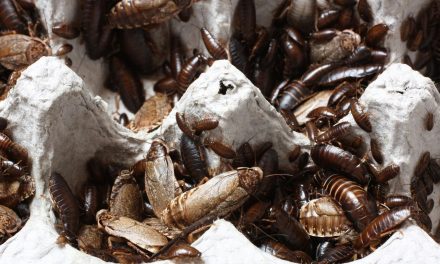
Lawn insects can significantly impact the health and aesthetics of your turf. Among the most prevalent pests are grubs, chinch bugs, and sod webworms. Grubs, the larvae of beetles, feed on grassroots, leading to brown patches and a weakened lawn. Chinch bugs, small black insects with white wings, suck the sap from grass blades, causing yellowing and wilting. Sod webworms, the larvae of lawn moths, create irregular patches of dead grass as they feed on the foliage. Understanding these pests is crucial for effective management and prevention.
In addition to these common culprits, other insects such as armyworms and billbugs can also wreak havoc on lawns. Armyworms are known for their rapid feeding habits, often consuming entire sections of grass in a short period. Billbugs, on the other hand, primarily target the stems of grass plants, leading to a decline in overall lawn vigor. Recognizing the specific characteristics and behaviors of these insects is essential for developing an effective pest management strategy.
For those looking to enhance their lawn care routine, understanding lawn insect control is essential. An informative article that complements this topic is available at 10 Easy Eco-Friendly Home Repairs to Save Money and the Planet, which provides insights into sustainable practices that can benefit your lawn and garden. By integrating eco-friendly methods, you can effectively manage pests while promoting a healthier environment.
Identifying Signs of Insect Infestation
Detecting an insect infestation early can save your lawn from extensive damage. One of the first signs to look for is discoloration in the grass. Yellowing patches may indicate that insects are feeding on the roots or blades. Additionally, wilting or thinning grass can signal a problem. If you notice irregular patches of dead grass or areas that seem to be dying off more quickly than others, it’s time to investigate further.
Another telltale sign of insect activity is the presence of insect droppings or frass. This material can often be found near affected areas and may resemble small pellets or clumps. Furthermore, if you observe increased bird activity in your yard, it could indicate that birds are feeding on lawn insects. Regularly inspecting your lawn for these signs will help you catch infestations early and take appropriate action.
Choosing the Right Insect Control Products

Selecting the appropriate insect control products is vital for effective pest management. Chemical insecticides are available in various formulations, including granular and liquid options. Granular insecticides are often applied directly to the soil and can provide long-lasting protection against pests like grubs. Liquid formulations may offer quicker results but often require more frequent applications.
When choosing a product, it’s essential to consider the specific pest you are targeting. For instance, products containing imidacloprid or chlorantraniliprole are effective against grubs, while bifenthrin is commonly used for chinch bugs. Always read labels carefully to ensure that the product is safe for your type of grass and follow application instructions meticulously to minimize environmental impact.
Timing Your Insect Control Treatments

Timing is critical when it comes to insect control treatments. Applying insecticides at the wrong time can lead to ineffective results and wasted resources. For grubs, the best time to treat is typically in late spring or early summer when they are actively feeding near the soil surface. Conversely, chinch bugs are most prevalent during hot summer months, making early summer applications ideal for controlling their populations.
Monitoring weather conditions is also essential for timing treatments effectively. Rainfall can wash away insecticides, reducing their efficacy. Therefore, applying treatments during dry periods will enhance their effectiveness. Additionally, keeping an eye on pest life cycles will help you determine the optimal times for intervention.
Effective lawn insect control is essential for maintaining a healthy and vibrant yard, and understanding the various methods available can make a significant difference. For those looking to enhance their home maintenance skills, you might find it helpful to explore related topics, such as cleaning techniques that can improve your outdoor space. A useful resource on this subject can be found in this article about cleaning baseboards, which highlights the importance of a clean environment in preventing pest infestations. By integrating these practices, you can create a more inviting and pest-free lawn.
Natural and Organic Pest Control Methods
For those seeking environmentally friendly alternatives, natural and organic pest control methods can be highly effective. One popular option is introducing beneficial nematodes into your lawn. These microscopic worms target and kill grubs without harming beneficial insects or plants. Additionally, diatomaceous earth can be sprinkled on affected areas; its abrasive properties damage the exoskeletons of insects, leading to dehydration.
Another organic approach involves using insecticidal soaps or oils derived from natural sources like neem oil. These products disrupt insect life cycles and deter feeding without posing significant risks to non-target organisms. Implementing these methods not only helps control pests but also promotes a healthier ecosystem within your lawn.
Maintaining Healthy Soil for Pest Resistance
Healthy soil is the foundation of a resilient lawn capable of resisting pest infestations. Regular soil testing can help determine nutrient levels and pH balance, allowing you to amend deficiencies accordingly. Incorporating organic matter such as compost improves soil structure and enhances microbial activity, which can suppress harmful pests.
Additionally, practicing crop rotation and diversifying plant species can contribute to soil health and pest resistance. By avoiding monoculture practices, you reduce the likelihood of specific pests becoming established in your lawn. Implementing these strategies fosters a robust ecosystem that naturally deters pests while promoting overall lawn vitality.
Proper Lawn Watering Techniques to Deter Insects
Watering practices play a crucial role in maintaining a healthy lawn and deterring insect infestations. Overwatering can create a conducive environment for pests like mosquitoes and grubs, while underwatering stresses grass plants and makes them more susceptible to damage. Aim for deep watering sessions that encourage root growth rather than frequent shallow watering.
The best time to water is early in the morning when evaporation rates are lower. This practice allows grass blades to dry quickly, reducing the risk of fungal diseases that can attract pests. Implementing a smart irrigation system can help regulate water usage and ensure your lawn receives adequate moisture without creating conditions favorable for insects.
Regular Lawn Mowing and Its Role in Pest Control
Regular mowing is an essential aspect of lawn maintenance that contributes significantly to pest control efforts. Keeping grass at an optimal height not only promotes healthy growth but also discourages certain pests from establishing themselves in your yard. Taller grass blades provide shade to roots while preventing weeds from taking hold, which can attract unwanted insects.
Moreover, maintaining sharp mower blades ensures clean cuts that minimize stress on grass plants. Dull blades can tear grass rather than cut it cleanly, leading to increased vulnerability to pests and diseases. Establishing a consistent mowing schedule will help keep your lawn healthy while reducing the likelihood of infestations.
Using Beneficial Insects to Combat Lawn Pests
Incorporating beneficial insects into your pest management strategy can provide an effective natural solution for controlling lawn pests. Ladybugs, lacewings, and predatory beetles are excellent allies in combating aphids and other harmful insects that may invade your turf. These beneficial species feed on pests, helping maintain a balanced ecosystem within your lawn.
Additionally, attracting pollinators such as bees and butterflies can enhance biodiversity in your yard while promoting overall plant health. Planting native flowers and providing habitats will encourage these beneficial insects to thrive in your landscape, creating a natural defense against pest infestations.
Preventing Insect Damage Through Lawn Aeration
Lawn aeration is a crucial practice that enhances soil health and reduces susceptibility to insect damage. Aerating involves perforating the soil with holes to improve air circulation, water infiltration, and nutrient absorption. This process alleviates soil compaction, allowing grassroots to grow deeper and stronger.
By promoting healthy root systems through aeration, your lawn becomes more resilient against pests like grubs and chinch bugs that thrive in stressed environments. Aerating during peak growing seasons ensures that your lawn can recover quickly while minimizing potential damage from insect infestations.
Monitoring and Maintaining a Pest-Free Yard Year-Round
Maintaining a pest-free yard requires ongoing monitoring and proactive measures throughout the year. Regular inspections of your lawn will help identify any signs of insect activity before they escalate into significant problems. Keeping records of pest sightings and treatments will aid in recognizing patterns and adjusting management strategies accordingly.
Implementing an integrated pest management (IPM) approach combines cultural practices with chemical controls when necessary, ensuring a balanced method for maintaining a healthy lawn ecosystem. By staying vigilant and adapting your strategies based on seasonal changes and pest behaviors, you can enjoy a thriving yard free from unwanted insect infestations.
In summary, understanding common lawn insects and their signs of infestation is crucial for effective management strategies. Choosing appropriate control products while timing treatments correctly enhances efficacy against pests. Natural methods such as beneficial nematodes offer eco-friendly alternatives alongside maintaining healthy soil through proper watering techniques and regular mowing practices. Utilizing beneficial insects further supports pest control efforts while aeration promotes resilience against damage. Continuous monitoring ensures a proactive approach to maintaining a pest-free yard year-round.
FAQs
What are common lawn insects that require control?
Common lawn insects include grubs, chinch bugs, armyworms, sod webworms, and billbugs. These pests can damage grass and other plants, leading to unhealthy lawns if not managed properly.
How can I identify lawn insect infestations?
Signs of lawn insect infestations include brown patches in the grass, increased activity of birds or other predators, and visible insects or larvae in the soil. Additionally, pulling back the grass to check for grubs or other pests can help confirm an infestation.
What are some natural methods for controlling lawn insects?
Natural methods for controlling lawn insects include introducing beneficial insects like ladybugs and lacewings, using neem oil or insecticidal soap, and maintaining healthy soil and grass through proper watering and fertilization to make the lawn less hospitable to pests.
When is the best time to apply insect control treatments?
The best time to apply insect control treatments is typically in the spring and early summer when many pests are most active. However, timing can vary based on the specific insect and local climate conditions, so it’s important to monitor your lawn regularly.
Are chemical insecticides safe for my lawn and pets?
Many chemical insecticides can be safe for lawns and pets if used according to the manufacturer’s instructions. However, it’s crucial to choose products that are specifically labeled for use on lawns and to follow safety guidelines, including keeping pets off treated areas until they are dry.