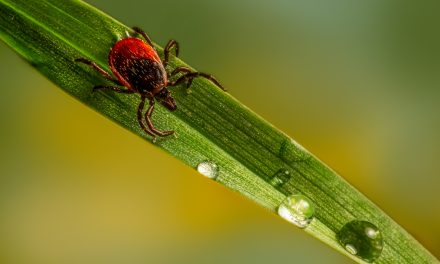
Ticks are small arachnids that pose significant health risks to both humans and pets. They are vectors for various diseases, including Lyme disease, Rocky Mountain spotted fever, and anaplasmosis. Understanding the biology and behavior of ticks is crucial for effective management. Ticks thrive in humid environments and are often found in wooded areas, tall grasses, and leaf litter. The most common species encountered in residential lawns include the black-legged tick (Ixodes scapularis) and the American dog tick (Dermacentor variabilis).
Ticks have a complex life cycle consisting of four stages: egg, larva, nymph, and adult. Each stage requires a blood meal to progress to the next. Nymphs, in particular, are notorious for transmitting diseases due to their small size, which makes them difficult to detect. Adult ticks are more visible but can also pose a threat, especially during peak seasons in spring and fall. Recognizing the signs of tick presence, such as their characteristic bite marks or the discovery of ticks on pets or clothing, is essential for timely intervention.
For effective lawn tick control, it’s essential to consider various strategies that can help keep your outdoor space safe and enjoyable. One related article that provides valuable insights on maintaining a peaceful environment for your pets is titled “Top 7 Purina Calming Care Tips for a Relaxed and Happy Pet.” You can read it by following this link: Top 7 Purina Calming Care Tips for a Relaxed and Happy Pet. This article offers tips that can complement your efforts in creating a tick-free lawn while ensuring your pets remain calm and comfortable.
Regular Lawn Mowing: Keeping Grass Short and Uninviting
Maintaining a well-manicured lawn is one of the most effective strategies for tick prevention. Regular mowing reduces the height of grass, making it less hospitable for ticks. Ticks prefer tall grasses and dense vegetation where they can easily latch onto passing hosts. By keeping grass trimmed to a height of 2-3 inches, homeowners can significantly decrease the likelihood of tick encounters.
In addition to mowing, it is advisable to create defined pathways through the yard. This can be achieved by using mulch or gravel to delineate walking areas. Such measures not only enhance the aesthetic appeal of the landscape but also discourage ticks from migrating into frequently used spaces. Furthermore, mowing should be done regularly during peak tick season, which typically spans from late spring to early fall, ensuring that grass does not exceed the recommended height.
Removing Leaf Litter and Debris: Eliminating Tick Habitats

Leaf litter and organic debris provide ideal habitats for ticks, offering shelter and moisture retention. To mitigate tick populations, it is essential to regularly remove fallen leaves, branches, and other organic matter from the lawn. This practice not only disrupts the tick life cycle but also promotes a healthier lawn ecosystem.
Homeowners should consider implementing a seasonal cleanup routine in early spring and late fall when leaf accumulation is most prevalent. Raking leaves and disposing of them properly can significantly reduce tick habitats. Additionally, composting or burning leaves can further eliminate potential breeding grounds for ticks. By maintaining a clean yard free from debris, homeowners can create an environment that is less conducive to tick survival.
Creating a Tick-Free Zone with Mulch Barriers

Mulch barriers serve as an effective deterrent against ticks by creating a physical barrier between wooded areas and recreational spaces. Utilizing wood chips or cedar mulch around the perimeter of the yard can help prevent ticks from migrating into play areas or gardens. The aromatic properties of cedar mulch are particularly effective in repelling ticks due to its natural insecticidal properties.
To establish a mulch barrier, homeowners should create a 3-foot-wide strip of mulch along the edges of wooded areas or tall grass. This barrier not only inhibits tick movement but also enhances the aesthetic appeal of the landscape. Regular maintenance of mulch barriers is necessary to ensure their effectiveness; replenishing mulch as it decomposes will maintain its protective qualities.
If you’re looking for effective methods to manage pests in your yard, you might find it helpful to explore related topics such as pet hygiene. For instance, understanding how to maintain a clean environment for your pets can also contribute to a healthier lawn. You can read more about this in the article on the top benefits of using pee pads for your pets’ hygiene, which you can find here. This connection highlights the importance of keeping both your pets and your lawn free from unwanted pests.
Applying Tick Control Treatments Safely and Effectively
Chemical treatments can be an effective method for controlling tick populations when used responsibly. Various insecticides are available for residential use, including permethrin and bifenthrin, which target ticks specifically. It is crucial to follow label instructions meticulously to ensure safety for humans, pets, and beneficial insects.
Before applying any chemical treatment, homeowners should conduct a thorough inspection of their yard to identify high-risk areas where ticks are likely to thrive. Targeted applications in these zones can maximize effectiveness while minimizing environmental impact. Additionally, considering professional pest control services may be beneficial for severe infestations, as trained technicians can apply treatments safely and effectively.
Encouraging Natural Predators to Reduce Tick Populations
Promoting natural predators is an eco-friendly approach to managing tick populations in residential areas. Birds such as blue jays and robins, as well as small mammals like opossums and certain species of spiders, feed on ticks and can help keep their numbers in check. Creating an inviting habitat for these natural predators can significantly reduce reliance on chemical treatments.
Homeowners can attract birds by installing bird feeders and birdhouses while ensuring that native plants are present in the landscape. Additionally, providing shelter for small mammals through brush piles or rock gardens can encourage their presence in the yard. By fostering a balanced ecosystem that includes natural predators, homeowners can effectively manage tick populations while promoting biodiversity.
Managing Wildlife and Pets to Prevent Tick Introduction
Wildlife such as deer, raccoons, and rodents are common carriers of ticks and can introduce them into residential areas. To minimize wildlife encounters, homeowners should implement strategies such as fencing or planting deer-resistant plants around gardens. Additionally, securing trash bins and removing food sources can deter wildlife from frequenting yards.
Pets are also susceptible to tick infestations and can inadvertently bring ticks into the home. Regularly grooming pets and using veterinarian-recommended tick prevention products such as topical treatments or collars can significantly reduce this risk. It is advisable to conduct thorough tick checks on pets after outdoor activities, particularly in areas known for high tick populations.
Water Management: Reducing Moisture to Deter Ticks
Ticks thrive in moist environments; therefore, managing water sources around the yard is crucial for prevention. Homeowners should ensure proper drainage systems are in place to prevent standing water accumulation in low-lying areas. Additionally, regularly cleaning gutters and downspouts will help direct water away from the lawn.
Creating a drier environment can be achieved by strategically placing gravel or sand in areas prone to moisture retention. Furthermore, reducing irrigation frequency during peak tick season can help maintain lower humidity levels in the yard. By implementing effective water management practices, homeowners can create an inhospitable environment for ticks.
Installing Physical Barriers to Limit Tick Migration
Physical barriers such as fences or hedges can serve as effective deterrents against tick migration from wooded areas into residential spaces. Installing a fence around the property not only provides security but also limits wildlife access that may carry ticks into the yard.
Additionally, homeowners may consider using landscape fabric or plastic sheeting along pathways leading into gardens or play areas. These barriers disrupt tick movement while allowing for easy maintenance of surrounding vegetation. Regular inspections of these barriers will ensure their integrity and effectiveness over time.
Regular Yard Inspections: Early Detection and Removal
Conducting regular inspections of the yard is essential for early detection of ticks and their habitats. Homeowners should routinely check areas where ticks are likely to reside, such as tall grasses, shrubs, and leaf litter. Identifying signs of tick presence early on allows for prompt intervention before populations escalate.
During inspections, it is advisable to wear light-colored clothing to easily spot ticks on clothing or skin. Utilizing a lint roller or sticky tape can also aid in capturing any ticks that may have latched onto clothing during outdoor activities. By maintaining vigilance through regular inspections, homeowners can effectively manage tick populations before they become a significant threat.
Combining Strategies for Long-Term Lawn Tick Control Success
A comprehensive approach combining multiple strategies is essential for long-term success in managing lawn ticks effectively. Integrating practices such as regular mowing, debris removal, mulch barriers, chemical treatments, and encouraging natural predators creates a multifaceted defense against ticks.
Homeowners should develop a seasonal plan that incorporates these strategies throughout the year while remaining adaptable based on observed tick activity levels. Continuous education on tick behavior and emerging control methods will further enhance management efforts. By adopting an integrated pest management approach tailored to individual properties, homeowners can achieve lasting results in reducing tick populations.
In summary, understanding lawn ticks involves recognizing their biology and behavior while implementing preventive measures such as regular mowing, debris removal, mulch barriers, chemical treatments, and encouraging natural predators. Managing wildlife interactions with pets is crucial for preventing tick introduction into homes. Effective water management practices contribute to creating an inhospitable environment for ticks while physical barriers limit their migration into residential spaces. Regular inspections allow for early detection and intervention against infestations. Ultimately, combining these strategies fosters long-term success in controlling lawn ticks effectively while promoting a healthy outdoor environment.
FAQs
What are the common types of ticks found in lawns?
The most common types of ticks found in lawns include the deer tick (Ixodes scapularis), the American dog tick (Dermacentor variabilis), and the lone star tick (Amblyomma americanum). These ticks are often found in grassy and wooded areas and can pose health risks to both humans and pets.
How can I prevent ticks from infesting my lawn?
To prevent ticks from infesting your lawn, maintain a well-manicured yard by regularly mowing the grass, trimming shrubs, and removing leaf litter. Additionally, creating a barrier of wood chips or gravel between your lawn and wooded areas can help reduce tick migration into your yard.
What are some effective methods for tick control in lawns?
Effective methods for tick control in lawns include applying acaricides (pesticides specifically for ticks), using natural repellents like essential oils, and introducing beneficial nematodes that prey on tick larvae. Regularly treating your lawn during peak tick season can significantly reduce their population.
When is the best time to treat my lawn for ticks?
The best time to treat your lawn for ticks is in early spring and late summer, as these are peak seasons for tick activity. Treatments during these times can help control the population before they become a significant problem.
Are there any health risks associated with ticks in my lawn?
Yes, ticks can transmit several diseases to humans and pets, including Lyme disease, Rocky Mountain spotted fever, and anaplasmosis. It is important to take preventive measures and regularly check for ticks after spending time outdoors in areas where they may be present.