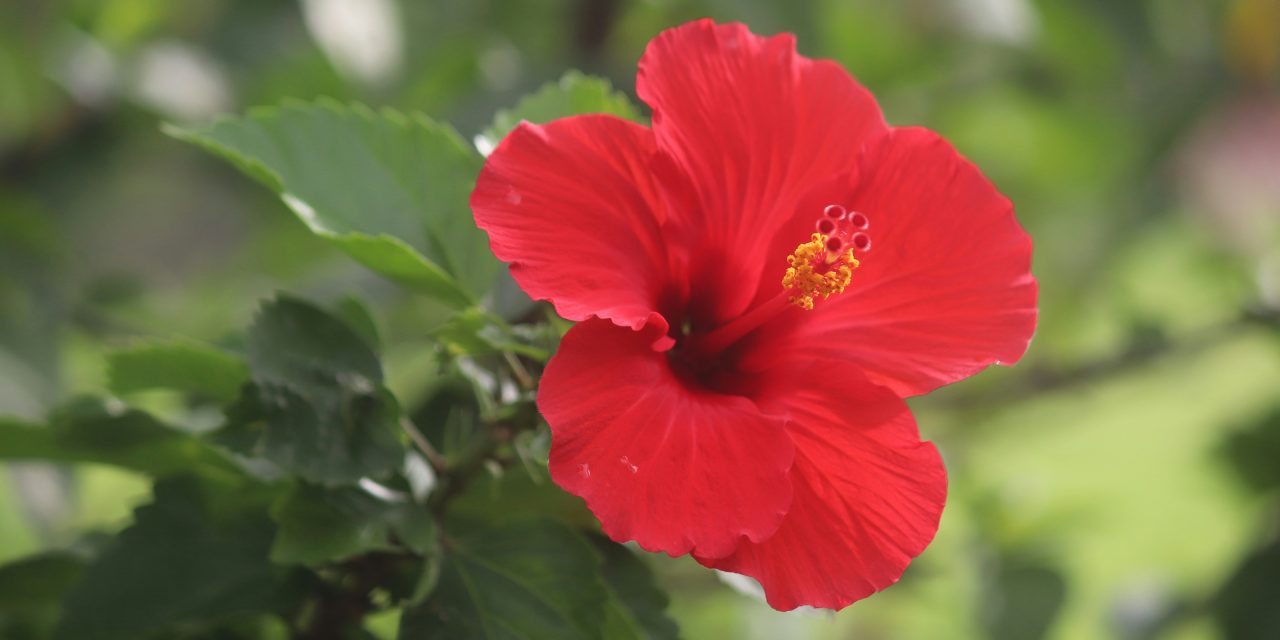
Winter Hardy Hibiscus, scientifically known as Hibiscus moscheutos, is a perennial plant that thrives in temperate climates, showcasing its vibrant blooms from late summer to early fall. This remarkable species is characterized by its large, showy flowers that can reach up to 12 inches in diameter, making it a stunning focal point in any garden. Unlike its tropical counterparts, which require warm climates and specific care, the winter hardy varieties can withstand colder temperatures, allowing gardeners in various regions to enjoy their beauty without the worry of seasonal die-off.
The allure of Winter Hardy Hibiscus lies not only in its aesthetic appeal but also in its resilience. These plants can endure harsh winters, returning each spring with renewed vigor. Their ability to adapt to diverse soil types and conditions further enhances their popularity among horticulturists and landscape designers alike. With a range of colors from deep reds to soft pinks and whites, these hibiscus varieties offer versatility for any garden design, making them a favorite among both novice and experienced gardeners.
Winter hardy hibiscus is a stunning addition to any garden, known for its large, vibrant flowers that can thrive even in colder climates. For those interested in enhancing their gardening experience, you might find it helpful to explore related topics such as pet care expenses, which can often be a concern for pet owners during the gardening season. You can read more about this in the article titled “Top 7 Benefits of CareCredit for Dog Owners: Pet Care Expenses” available at this link.
What Makes Hibiscus Winter Hardy?
The winter hardiness of Hibiscus moscheutos is attributed to several physiological and morphological adaptations that enable it to survive freezing temperatures. One of the primary factors is its robust root system, which stores energy and nutrients during the dormant winter months. This root structure allows the plant to regenerate quickly when spring arrives, ensuring a vibrant display of flowers.
Additionally, the plant’s ability to enter dormancy is crucial for its survival. As temperatures drop, the above-ground portions of the plant die back, while the roots remain insulated beneath the soil. This dormancy period is essential for conserving energy and protecting the plant from frost damage. Furthermore, the thick, waxy cuticle on the leaves helps reduce water loss during dry winter months, contributing to the plant’s overall hardiness.
Benefits of Growing Winter Hardy Hibiscus

Growing Winter Hardy Hibiscus offers numerous advantages for gardeners seeking both beauty and functionality in their landscapes. One significant benefit is their extended blooming period, which can last from late summer into early fall. This prolonged flowering season provides a burst of color when many other plants have finished blooming, enhancing the visual appeal of gardens during transitional seasons.
Moreover, these hibiscus varieties are relatively low-maintenance once established. They thrive in full sun and well-drained soil, requiring minimal intervention beyond regular watering and occasional fertilization. Their resilience against pests and diseases further simplifies care, making them an excellent choice for busy gardeners or those new to horticulture.
In addition to their ornamental value, Winter Hardy Hibiscus also attracts pollinators such as bees and butterflies, contributing to local biodiversity. Their large flowers serve as a vital nectar source, promoting ecological health within garden ecosystems. Furthermore, these plants can be utilized in various landscape designs, including borders, mass plantings, or as standalone specimens.
Top 10 Winter Hardy Hibiscus Varieties Overview

When selecting Winter Hardy Hibiscus for your garden, it’s essential to consider the diverse range of available varieties. Each type boasts unique characteristics in terms of flower color, size, and growth habit. Below is an overview of ten popular varieties that exemplify the beauty and resilience of this remarkable plant.
1. **Hibiscus moscheutos ‘Luna Red’**: Known for its striking deep red flowers that can reach up to 10 inches across, this variety adds dramatic flair to any garden setting.
2. **Hibiscus moscheutos ‘Lord Baltimore’**: Featuring large, vibrant red blooms with a dark center, this cultivar is not only visually stunning but also attracts pollinators.
3. **Hibiscus moscheutos ‘Disco Belle’**: This compact variety produces an abundance of soft pink flowers that create a cheerful atmosphere in smaller garden spaces.
4. **Hibiscus moscheutos ‘Cherry Cheesecake’**: With its unique bi-colored petals—white with a cherry-red center—this variety offers a delightful contrast that stands out in any landscape.
5. **Hibiscus moscheutos ‘Midnight Marvel’**: This cultivar features dark maroon foliage that serves as a striking backdrop for its large, bright red flowers.
6. **Hibiscus moscheutos ‘Pink Swirl’**: Known for its eye-catching pink flowers adorned with darker pink stripes, this variety adds a whimsical touch to gardens.
7. **Hibiscus moscheutos ‘Sugar Tip’**: This variety showcases variegated leaves with creamy white edges and produces large white flowers with a subtle pink blush.
8. **Hibiscus coccineus (Scarlet Rose Mallow)**: A native species featuring bright red flowers and deeply lobed leaves, this variety is particularly attractive to hummingbirds.
9. **Hibiscus moscheutos ‘Summer Storm’**: With its large lavender blooms and dark purple centers, this variety creates a soothing color palette in garden settings.
10. **Hibiscus moscheutos ‘Starry Starry Night’**: This unique cultivar features white flowers with dark purple markings that resemble stars against a night sky.
Winter hardy hibiscus is a stunning addition to any garden, known for its large, vibrant blooms that can thrive even in colder climates. If you’re looking to enhance your gardening knowledge, you might find it interesting to explore how to identify potential issues in your home, such as termite damage, which can affect the overall health of your living environment. For more information on this topic, you can read about it in this article on termite damage. Understanding these aspects can help you create a beautiful garden while ensuring your home remains safe and sound.
Hibiscus moscheutos ‘Luna Red’
Hibiscus moscheutos ‘Luna Red’ is a standout variety known for its captivating deep red blooms that can measure up to 10 inches across. The flowers emerge in late summer and continue to bloom until early fall, providing a stunning display during the latter part of the growing season. The plant typically reaches heights of 4 to 5 feet and thrives in full sun with well-drained soil.
This cultivar is particularly valued for its ability to attract pollinators such as bees and butterflies, making it an excellent choice for eco-friendly gardens. Additionally, ‘Luna Red’ is relatively low-maintenance; it requires regular watering during dry spells but is otherwise resilient against pests and diseases. To promote healthy growth and abundant blooms, gardeners should consider applying a balanced fertilizer in early spring.
Winter hardy hibiscus is a stunning addition to any garden, known for its large, vibrant flowers that bloom even in cooler climates. If you’re looking to enhance your gardening knowledge, you might find it interesting to explore how different household items can be used for gardening purposes. For instance, you can learn about the effectiveness of vinegar and baking soda in various cleaning and gardening tasks by reading this insightful article on cleaning solutions. Understanding these natural alternatives can help you maintain a healthier environment for your winter hardy hibiscus and other plants.
Hibiscus moscheutos ‘Lord Baltimore’
Hibiscus moscheutos ‘Lord Baltimore’ is another exceptional variety characterized by its large, vibrant red flowers adorned with a striking dark center. This cultivar can grow up to 5 feet tall and thrives in full sun or partial shade. Its impressive blooms not only add visual interest but also serve as a vital nectar source for pollinators.
‘Lord Baltimore’ is known for its robust growth habit and adaptability to various soil types, making it suitable for different garden settings. Regular watering is essential during dry periods to ensure optimal blooming performance. Gardeners may also benefit from deadheading spent flowers to encourage further blooming throughout the season.
Hibiscus moscheutos ‘Disco Belle’
For those seeking a compact option without sacrificing beauty, Hibiscus moscheutos ‘Disco Belle’ is an ideal choice. This variety typically reaches heights of 2 to 3 feet and produces an abundance of soft pink flowers that create a cheerful atmosphere in smaller garden spaces or containers. The blooms are not only visually appealing but also attract butterflies and other beneficial insects.
‘Disco Belle’ thrives in full sun and well-drained soil, requiring minimal maintenance once established. Regular watering during dry spells will promote healthy growth and flowering. Additionally, applying a slow-release fertilizer in early spring can enhance blooming potential throughout the growing season.
Hibiscus moscheutos ‘Cherry Cheesecake’
Hibiscus moscheutos ‘Cherry Cheesecake’ stands out with its unique bi-colored petals—white with a cherry-red center—creating a delightful contrast that captures attention in any landscape. This variety typically grows between 3 to 4 feet tall and thrives in full sun or partial shade.
To ensure optimal growth and flowering performance, regular watering is essential during dry periods. Gardeners should also consider applying mulch around the base of the plant to retain moisture and suppress weeds. Deadheading spent blooms can encourage additional flowering throughout the season.
Hibiscus moscheutos ‘Midnight Marvel’
Hibiscus moscheutos ‘Midnight Marvel’ is renowned for its striking dark maroon foliage that serves as an eye-catching backdrop for its large bright red flowers. This unique combination creates a dramatic visual impact in any garden setting. The plant typically reaches heights of 4 to 5 feet and thrives in full sun with well-drained soil.
Regular watering during dry spells is crucial for maintaining healthy growth and abundant blooms. Gardeners may also benefit from applying a balanced fertilizer in early spring to promote vigorous growth throughout the growing season.
Hibiscus moscheutos ‘Pink Swirl’
Hibiscus moscheutos ‘Pink Swirl’ offers an enchanting display with its eye-catching pink flowers adorned with darker pink stripes. This variety typically grows between 3 to 4 feet tall and thrives in full sun or partial shade.
To ensure optimal growth and flowering performance, regular watering is essential during dry periods. Gardeners should also consider applying mulch around the base of the plant to retain moisture and suppress weeds effectively.
Hibiscus moscheutos ‘Sugar Tip’
Hibiscus moscheutos ‘Sugar Tip’ showcases variegated leaves with creamy white edges that add visual interest even when not in bloom. The large white flowers with a subtle pink blush create an elegant display during the blooming season. This variety typically reaches heights of 3 to 4 feet and thrives in full sun or partial shade.
Regular watering during dry spells is crucial for maintaining healthy growth and abundant blooms. Gardeners may also benefit from applying a balanced fertilizer in early spring to promote vigorous growth throughout the growing season.
Hibiscus coccineus (Scarlet Rose Mallow)
Hibiscus coccineus, commonly known as Scarlet Rose Mallow, is a native species featuring bright red flowers that attract hummingbirds and other pollinators. This variety typically grows between 4 to 6 feet tall and thrives in full sun with moist soil conditions.
Regular watering is essential for maintaining healthy growth and abundant blooms throughout the growing season. Gardeners should also consider applying mulch around the base of the plant to retain moisture effectively.
Hibiscus moscheutos ‘Summer Storm’
Hibiscus moscheutos ‘Summer Storm’ features large lavender blooms adorned with dark purple centers that create a soothing color palette in garden settings. This variety typically grows between 4 to 5 feet tall and thrives in full sun or partial shade.
Regular watering during dry spells is crucial for maintaining healthy growth and abundant blooms throughout the growing season. Gardeners may also benefit from applying a balanced fertilizer in early spring to promote vigorous growth throughout the growing season.
Hibiscus moscheutos ‘Starry Starry Night’
Hibiscus moscheutos ‘Starry Starry Night’ captivates with its unique white flowers adorned with dark purple markings resembling stars against a night sky backdrop. This variety typically grows between 3 to 4 feet tall and thrives in full sun or partial shade.
Regular watering during dry spells is crucial for maintaining healthy growth and abundant blooms throughout the growing season. Gardeners may also benefit from applying mulch around the base of the plant to retain moisture effectively.
Tips for Growing and Caring for Winter Hardy Hibiscus
To successfully cultivate Winter Hardy Hibiscus, gardeners should adhere to several essential care tips:
1. **Location**: Choose a planting site that receives full sun (at least six hours daily) for optimal blooming performance.
2. **Soil Requirements**: Ensure well-drained soil enriched with organic matter; these plants thrive in slightly acidic to neutral pH levels.
3. **Watering**: Regularly water during dry spells; these plants prefer consistently moist soil but should not be waterlogged.
4. **Fertilization**: Apply a balanced fertilizer in early spring to promote vigorous growth; consider using slow-release formulations for sustained nourishment.
5. **Pruning**: Prune back dead stems in late winter or early spring before new growth emerges; this encourages bushier growth and more abundant blooms.
6. **Mulching**: Apply mulch around the base of plants to retain moisture, suppress weeds, and regulate soil temperature.
7. **Pest Management**: Monitor for common pests such as aphids or spider mites; use insecticidal soap or neem oil as needed.
8. **Winter Protection**: In colder regions, consider applying mulch over the root zone during winter months for added insulation against freezing temperatures.
9. **Propagation**: Consider propagating through division every few years; this promotes healthy growth while allowing you to expand your collection.
10. **Companion Planting**: Pair Winter Hardy Hibiscus with other perennials such as daylilies or ornamental grasses for added visual interest throughout the growing season.
In summary, Winter Hardy Hibiscus represents an exceptional choice for gardeners seeking vibrant color and resilience in their landscapes. With numerous varieties available—each offering unique characteristics—these plants provide beauty while attracting beneficial pollinators to enhance local ecosystems. By adhering to proper care guidelines, gardeners can enjoy stunning displays year after year while contributing positively to their environment through sustainable gardening practices.
FAQs
What is winter hardy hibiscus?
Winter hardy hibiscus, also known as Hibiscus moscheutos, is a perennial plant that produces large, showy flowers and can survive cold winter temperatures. It is native to North America and is known for its ability to thrive in USDA hardiness zones 4 to 9.
How do I care for winter hardy hibiscus?
Caring for winter hardy hibiscus involves planting it in well-drained soil with full sun to partial shade. Regular watering is essential, especially during dry spells. In the fall, cut back the stems to about 6 inches above the ground to prepare for winter dormancy.
When does winter hardy hibiscus bloom?
Winter hardy hibiscus typically blooms from mid-summer to early fall, producing large flowers that can measure up to 12 inches in diameter. The blooming period can vary slightly depending on the specific variety and local climate conditions.
Can winter hardy hibiscus be grown in containers?
Yes, winter hardy hibiscus can be grown in containers, provided that the pot is large enough to accommodate the plant’s root system. Ensure the container has good drainage and use a high-quality potting mix. During winter, it may be necessary to protect the container from freezing temperatures.
What are some common pests or diseases that affect winter hardy hibiscus?
Common pests that may affect winter hardy hibiscus include aphids, spider mites, and whiteflies. Diseases such as root rot and leaf spot can also occur, particularly if the plant is overwatered or not properly spaced for air circulation. Regular monitoring and proper care can help prevent these issues.