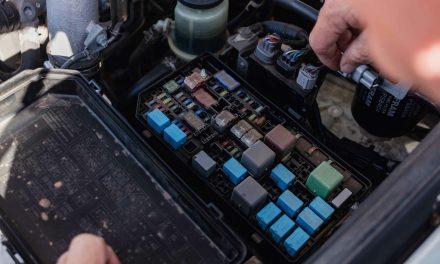
Fuses are integral components of a vehicle’s electrical system, serving as protective devices that prevent excessive current from damaging sensitive electrical circuits. Each fuse is designed to break the circuit when the current exceeds a predetermined level, thereby safeguarding various electrical components such as lights, radios, and power windows. The primary function of a fuse is to act as a sacrificial device; when it blows, it interrupts the flow of electricity, preventing potential overheating and catastrophic failures.
In modern vehicles, the electrical system is complex, with numerous circuits dedicated to different functions. Fuses are strategically placed within the fuse box to ensure that each circuit is adequately protected. Understanding the role of fuses is crucial for any vehicle owner, as it allows for better troubleshooting and maintenance of the car’s electrical system. By recognizing how fuses operate, drivers can take proactive measures to address electrical issues before they escalate into more significant problems.
If you’re experiencing electrical issues in your car and need to find the right fuse, it’s essential to understand the basics of your vehicle’s electrical system. A helpful resource that provides insights into troubleshooting problems before seeking professional help is an article on ice maker issues, which outlines common checks to perform. You can read more about it here: Ice Maker Not Making Ice: What to Check Before Calling for Repair. This article can give you a better understanding of diagnostic approaches that may also apply to automotive electrical problems.
Identifying the Symptoms of a Blown Fuse
Recognizing the symptoms of a blown fuse is essential for maintaining your vehicle’s electrical integrity. Common indicators include malfunctioning lights, non-operational accessories, or intermittent electrical failures. For instance, if your headlights flicker or fail to illuminate, it may signal a blown fuse in the lighting circuit. Similarly, if your radio suddenly stops working or your power windows refuse to operate, these could be signs that a fuse has blown.
In some cases, a blown fuse may not present immediate symptoms but can lead to cascading electrical failures. For example, if a fuse protecting multiple components blows, several systems may become inoperative simultaneously. Therefore, being vigilant about any unusual behavior in your vehicle’s electrical systems can help you identify and address blown fuses promptly.
Locating the Fuse Box in Your Vehicle

The fuse box is typically located in one of two primary areas within a vehicle: under the dashboard or in the engine compartment. In many cars, there are multiple fuse boxes; one may be dedicated to interior components while another protects engine-related circuits. To locate the fuse box, consult your vehicle’s owner manual, which will provide specific details about its location and layout.
Once you find the fuse box, you will notice that it contains a series of fuses arranged in a grid pattern. Each fuse is labeled according to its function and amperage rating. Familiarizing yourself with the layout of your vehicle’s fuse box is crucial for efficient troubleshooting and replacement of blown fuses.
Reading Your Car’s Owner Manual for Fuse Information

The owner’s manual is an invaluable resource when it comes to understanding your vehicle’s electrical system and fuses. It contains detailed information about the location of the fuse box, the specific functions of each fuse, and their corresponding amperage ratings. By consulting this manual, you can quickly identify which fuse corresponds to a malfunctioning component.
Additionally, the owner’s manual often includes diagrams that illustrate the layout of the fuse box and provide troubleshooting tips for common electrical issues. This information can save time and effort when diagnosing problems related to blown fuses or other electrical failures.
When dealing with car electrical problems, finding the right fuse is crucial for ensuring your vehicle operates smoothly. If you’re unsure about the tools needed for such repairs, you might find it helpful to read an article that discusses essential home repair tools. This resource can provide valuable insights into the equipment you might need for various tasks, including automotive repairs. For more information, check out this article on essential home repair tools here.
Matching Fuse Ratings: Amperage and Type
When replacing a blown fuse, it is imperative to match both the amperage rating and type of the original fuse. Fuses come in various amperage ratings, typically ranging from 5 to 30 amps for automotive applications. Using a fuse with a higher amperage rating can lead to severe damage to electrical components, as it may allow excessive current to flow through the circuit.
Fuses also come in different types, including blade fuses and glass tube fuses. Blade fuses are more common in modern vehicles and are easily identifiable by their plastic casing and metal prongs. Glass tube fuses are typically found in older models. Always ensure that you replace a blown fuse with one that matches both its amperage rating and type to maintain the integrity of your vehicle’s electrical system.
When troubleshooting a car electrical problem, finding the right fuse is crucial for restoring functionality. Understanding the specific fuse requirements for your vehicle can often be challenging, but there are resources available to guide you through the process. For a comprehensive guide on how to identify and select the appropriate fuse, you might find this article helpful. It offers practical tips and insights that can make the task easier. To learn more, visit this helpful resource for additional information.
Using a Multimeter to Test Fuses
A multimeter is an essential tool for diagnosing electrical issues in your vehicle, particularly when testing fuses. To test a fuse using a multimeter, first set the device to measure continuity or resistance. Remove the fuse from its socket and place one probe on each terminal of the fuse. If the multimeter beeps or displays a low resistance reading, the fuse is intact; if there is no continuity, it indicates that the fuse has blown.
Using a multimeter not only helps confirm whether a fuse is functional but also allows you to check for other potential issues within the circuit. This diagnostic capability can save time and prevent unnecessary replacements of components that may not be faulty.
Choosing Between Standard and Mini Fuses
When selecting replacement fuses for your vehicle, you may encounter both standard and mini fuses. Standard fuses are larger and typically used for higher amperage circuits, while mini fuses are smaller and designed for lower amperage applications. The choice between these two types depends on your vehicle’s specific requirements.
It is crucial to refer to your owner’s manual or consult with an automotive professional to determine which type of fuse is appropriate for your vehicle. Using the wrong size or type can lead to further electrical issues or even damage to sensitive components.
Avoiding Common Mistakes When Replacing Fuses
Replacing fuses may seem straightforward; however, several common mistakes can lead to further complications. One frequent error is using a fuse with an incorrect amperage rating. As previously mentioned, this can result in damage to electrical components or even create fire hazards.
Another mistake is failing to inspect the underlying cause of a blown fuse before replacing it. A blown fuse often indicates an underlying issue such as a short circuit or overloaded circuit. Simply replacing the fuse without addressing these problems can lead to repeated failures and increased repair costs.
Where to Buy Reliable Replacement Fuses
Reliable replacement fuses can be purchased from various sources, including automotive supply stores, online retailers, and dealerships. When selecting replacement fuses, prioritize quality over cost; inferior fuses may not provide adequate protection for your vehicle’s electrical system.
Reputable automotive supply stores often carry a wide range of fuses suitable for various makes and models. Online retailers provide convenience and often have detailed specifications available for each product. Additionally, purchasing from authorized dealerships ensures that you receive OEM (Original Equipment Manufacturer) parts that meet manufacturer standards.
When to Consult a Professional Mechanic
While many vehicle owners can handle basic fuse replacements, certain situations warrant consulting a professional mechanic. If you find that fuses blow repeatedly after replacement or if multiple systems fail simultaneously without clear cause, it may indicate a more significant electrical issue that requires expert diagnosis.
Professional mechanics possess specialized knowledge and tools necessary for diagnosing complex electrical problems within vehicles. They can perform comprehensive inspections and repairs that go beyond simple fuse replacements, ensuring that your vehicle operates safely and efficiently.
Preventative Tips to Avoid Future Fuse Problems
Preventing future fuse problems involves regular maintenance and vigilance regarding your vehicle’s electrical system. Here are several tips to help avoid issues:
1. **Routine Inspections**: Regularly check your vehicle’s electrical components for signs of wear or malfunction.
2. **Avoid Overloading Circuits**: Be mindful of how many accessories you use simultaneously; excessive load can lead to blown fuses.
3. **Use Quality Components**: When replacing parts or accessories, choose high-quality products that meet manufacturer specifications.
4. **Keep Connections Clean**: Ensure that all electrical connections are clean and free from corrosion.
5. **Stay Informed**: Familiarize yourself with your vehicle’s electrical system through resources like the owner’s manual.
By implementing these preventative measures, you can significantly reduce the likelihood of encountering future fuse-related issues.
In summary, understanding the role of fuses in your car’s electrical system is crucial for effective maintenance and troubleshooting. Recognizing symptoms of blown fuses allows for timely intervention, while knowing how to locate and read your car’s owner manual enhances your ability to manage electrical issues efficiently. Matching fuse ratings accurately ensures safety and functionality within circuits, while tools like multimeters aid in precise diagnostics. Choosing between standard and mini fuses requires careful consideration of your vehicle’s specifications, while avoiding common mistakes during replacements can prevent further complications. Reliable replacement options are available through various channels, but consulting a professional mechanic becomes necessary when faced with persistent problems. Lastly, adopting preventative strategies will help maintain your vehicle’s electrical health over time.
FAQs
What is a fuse and why is it important in a car?
A fuse is a safety device that protects the electrical circuits in a car from overloads and short circuits. It contains a metal wire that melts and breaks the circuit when excessive current flows through it, preventing damage to the electrical components and wiring.
How can I identify a blown fuse in my car?
A blown fuse can often be identified by a visible break in the metal wire inside the fuse or by a darkened appearance. Additionally, if a specific electrical component, such as headlights or radio, stops working, it may indicate a blown fuse. You can also use a multimeter to test the continuity of the fuse.
Where can I find the fuse box in my car?
The fuse box is typically located under the dashboard on the driver’s side, in the engine compartment, or in the trunk. The exact location can vary by make and model, so it’s best to consult the owner’s manual for specific details regarding your vehicle.
How do I determine the correct fuse rating for replacement?
The correct fuse rating can be determined by checking the owner’s manual or the fuse box cover, which usually lists the amperage ratings for each fuse. It’s important to replace a blown fuse with one that has the same amperage rating to avoid electrical issues.
Can I use a higher-rated fuse if I don’t have the correct one?
No, using a higher-rated fuse is not recommended as it can lead to overheating and potential damage to the electrical system. Always replace a blown fuse with one that matches the original amperage rating to ensure proper protection for your vehicle’s electrical components.