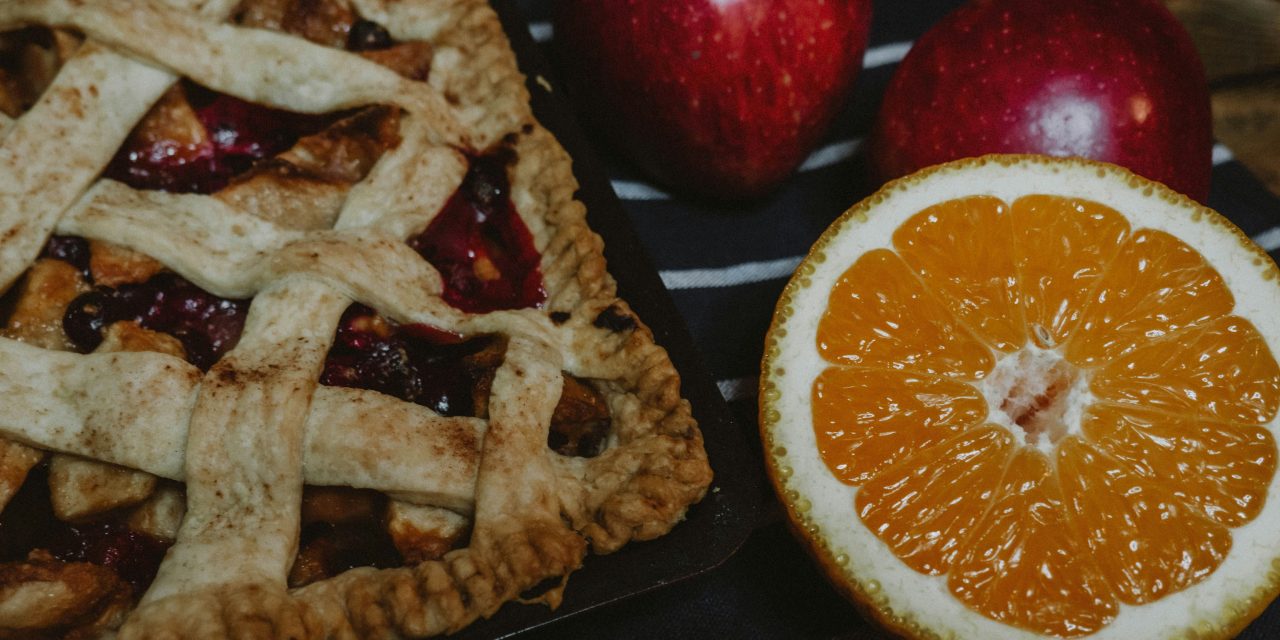
The culinary world is a vibrant tapestry woven from the threads of seasonal ingredients, each bringing its unique flavor profile and nutritional benefits to the table. Embracing seasonal flavors not only enhances the taste of dishes but also supports local agriculture and promotes sustainability. By aligning our cooking practices with the natural rhythms of the seasons, we can enjoy a diverse array of fresh produce, meats, and seafood that are at their peak in flavor and nutritional value. This article will explore a variety of seasonal recipes that celebrate the bounty of each season, providing inspiration for home cooks to create delicious meals throughout the year.
Cooking with seasonal ingredients allows for a deeper connection to the food we consume. It encourages us to explore local farmers’ markets, engage with our communities, and appreciate the natural cycles of growth and harvest. Each season offers a unique palette of flavors, colors, and textures that can transform ordinary meals into extraordinary culinary experiences. From the crisp freshness of spring vegetables to the hearty comfort of winter stews, this guide will take you on a flavorful journey through the seasons, showcasing recipes that highlight the best ingredients available at any given time.
Spring Delight: Fresh Asparagus and Pea Risotto
As spring arrives, it brings with it a bounty of vibrant green vegetables, none more delightful than asparagus and peas. This Fresh Asparagus and Pea Risotto is a celebration of these seasonal ingredients, combining their fresh flavors with creamy Arborio rice for a dish that is both comforting and elegant. The preparation begins with sautéing finely chopped onions and garlic in olive oil until they become translucent, releasing their aromatic essence. Gradually adding vegetable broth allows the rice to absorb the flavors while achieving that signature creamy texture.
The star ingredients—fresh asparagus and sweet peas—are added towards the end of cooking to maintain their bright color and crispness. A sprinkle of freshly grated Parmesan cheese and a squeeze of lemon juice elevate the dish, adding depth and brightness. This risotto not only showcases the freshness of spring but also provides essential nutrients such as vitamins A, C, and K from the asparagus, along with protein and fiber from the peas.
Summer Fresh: Grilled Peach and Burrata Salad

Summer is synonymous with juicy fruits and vibrant salads, making it the perfect time to indulge in a Grilled Peach and Burrata Salad. This dish captures the essence of summer by combining sweet, caramelized peaches with creamy burrata cheese, creating a delightful contrast in flavors and textures. The preparation begins by slicing ripe peaches in half and grilling them until they develop beautiful char marks and a smoky sweetness.
Once grilled, the peaches are arranged on a bed of mixed greens, accompanied by creamy burrata that melts slightly from the warmth of the fruit. A drizzle of balsamic reduction adds a tangy sweetness that ties the dish together beautifully. Garnished with fresh basil leaves, this salad not only looks stunning but also provides a refreshing burst of flavor on hot summer days. The combination of vitamins from the greens and antioxidants from the peaches makes this dish both delicious and nutritious.
Early Fall Comfort: Roasted Butternut Squash Soup

As autumn approaches, the air turns crisp, signaling a shift towards heartier fare. Roasted Butternut Squash Soup is an ideal dish for early fall, offering warmth and comfort while highlighting seasonal produce. The preparation begins with peeling and cubing butternut squash, which is then roasted until caramelized to enhance its natural sweetness.
In a large pot, sauté onions, garlic, and ginger until fragrant before adding the roasted squash along with vegetable broth. Blending the mixture until smooth creates a velvety texture that is both satisfying and nourishing. A touch of coconut milk adds creaminess without overpowering the delicate flavors. This soup is rich in vitamins A and C, making it an excellent choice for boosting immunity as colder weather approaches.
Late Fall Feast: Apple Cider Braised Pork Shoulder
As we transition into late fall, hearty dishes become essential for warming up during chilly evenings. Apple Cider Braised Pork Shoulder is a show-stopping centerpiece for any gathering or family meal. The process begins by searing a well-seasoned pork shoulder until golden brown, locking in juices and flavor.
Next, apple cider is added along with aromatic herbs such as thyme and rosemary, creating a fragrant braising liquid that infuses the meat with sweetness and depth. Slow-cooking the pork allows it to become tender and succulent while absorbing all the flavors from the cider and herbs. Served alongside roasted vegetables or mashed potatoes, this dish embodies the essence of fall feasting while providing essential nutrients like protein and iron.
Winter Warmth: Hearty Beef and Barley Stew
When winter arrives, nothing warms the soul quite like a Hearty Beef and Barley Stew. This dish is packed with protein-rich beef chunks, nutrient-dense vegetables, and wholesome barley that creates a filling meal perfect for cold nights. The preparation begins by browning beef in a heavy pot to develop rich flavors before adding onions, carrots, celery, and garlic.
Once the vegetables are softened, beef broth is poured in along with pearl barley, which adds texture and heartiness to the stew. A medley of herbs such as bay leaves and thyme enhances the flavor profile while simmering for hours allows all ingredients to meld beautifully. This stew not only provides comfort but also delivers essential nutrients such as iron from beef and fiber from barley.
Seasonal Sides: Roasted Root Vegetables with Herbs
No meal is complete without delightful sides that complement the main dish. Roasted Root Vegetables with Herbs is an excellent choice for any season but shines particularly in fall and winter when root vegetables are at their peak. The preparation involves selecting a variety of root vegetables such as carrots, parsnips, sweet potatoes, and beets.
After peeling and chopping them into uniform pieces for even cooking, they are tossed in olive oil, salt, pepper, and fresh herbs like rosemary or thyme before being roasted until caramelized. The result is a colorful medley that not only adds visual appeal to your plate but also provides an array of vitamins and minerals essential for overall health.
Vegetarian Option: Stuffed Acorn Squash with Quinoa
For those seeking vegetarian options or simply wanting to incorporate more plant-based meals into their diet, Stuffed Acorn Squash with Quinoa is an excellent choice. This dish showcases acorn squash’s natural sweetness while providing a hearty filling made from quinoa, black beans, corn, and spices.
The preparation begins by halving acorn squash and roasting it until tender. Meanwhile, quinoa is cooked according to package instructions before being mixed with black beans, corn, diced tomatoes, cumin, and cilantro for added flavor. Once the squash is ready, it is filled generously with the quinoa mixture before being returned to the oven for a final bake. This dish not only offers a satisfying meal but also provides protein from quinoa along with fiber from beans.
Seafood Special: Lemon Herb Grilled Salmon
Seafood lovers will appreciate this Lemon Herb Grilled Salmon recipe that highlights fresh fish’s delicate flavors while incorporating seasonal herbs. The preparation begins by marinating salmon fillets in a mixture of lemon juice, olive oil, garlic, and fresh herbs such as dill or parsley for at least 30 minutes to infuse flavor.
Grilling the salmon over medium heat allows it to develop beautiful grill marks while retaining moisture within each fillet. Served alongside seasonal vegetables or a light salad, this dish is not only delicious but also rich in omega-3 fatty acids essential for heart health.
Sweet Treat: Berry Crisp with Oat Topping
To conclude any meal on a sweet note, Berry Crisp with Oat Topping is an ideal dessert that celebrates seasonal berries’ natural sweetness while providing a satisfying crunch from oats. The preparation begins by mixing fresh berries—such as blueberries, raspberries, or strawberries—with sugar and lemon juice before placing them in a baking dish.
A topping made from oats, flour, brown sugar, butter, and cinnamon is sprinkled generously over the berries before baking until bubbly and golden brown. This dessert not only satisfies sweet cravings but also offers antioxidants from berries along with fiber from oats.
Tips for Cooking with Seasonal Ingredients Year-Round
Cooking with seasonal ingredients enriches our culinary experiences while promoting sustainability and supporting local farmers. To embrace this practice year-round:
- Visit Local Farmers’ Markets: Engage with local producers to discover what’s in season.
- Plan Your Meals: Create weekly menus based on seasonal produce to maximize freshness.
- Experiment: Try new recipes that highlight seasonal ingredients you may not have used before.
- Preserve: Consider canning or freezing excess produce during peak seasons for later use.
- Educate Yourself: Learn about seasonal cycles in your region to better understand what ingredients are available throughout the year.
By incorporating these practices into your cooking routine, you can enjoy delicious meals that celebrate nature’s bounty while nourishing your body with fresh ingredients all year long.
FAQs
What are seasonal meals?
Seasonal meals are dishes that utilize ingredients that are currently in season, meaning they are harvested at their peak freshness and flavor. This approach not only enhances the taste of the meals but also supports local agriculture and reduces the carbon footprint associated with transporting out-of-season produce.
Why should I consider seasonal meal ideas?
Considering seasonal meal ideas can lead to healthier eating habits, as seasonal produce is often more nutritious. Additionally, it can save money, as in-season fruits and vegetables are typically less expensive. Eating seasonally also encourages variety in your diet and supports local farmers.
How can I find out what’s in season?
You can find out what’s in season by checking local farmers’ markets, agricultural extension websites, or seasonal produce guides specific to your region. Many grocery stores also label their produce as seasonal, making it easier to choose fresh ingredients.
Can you provide examples of seasonal ingredients for each season?
Yes! In spring, you might find asparagus, peas, and strawberries; in summer, tomatoes, zucchini, and peaches; in fall, pumpkins, apples, and Brussels sprouts; and in winter, root vegetables like carrots, potatoes, and citrus fruits like oranges and grapefruits.
How can I incorporate seasonal ingredients into my meals?
You can incorporate seasonal ingredients by planning your meals around what is currently available. Try to create recipes that highlight these ingredients, such as salads with fresh greens in spring, grilled vegetables in summer, hearty soups in fall, and roasted root vegetables in winter. Additionally, consider preserving seasonal produce through canning or freezing for later use.