Gardenia bushes, renowned for their fragrant white blooms and glossy green foliage, require specific care during the winter months to thrive. As a subtropical plant, gardenias are sensitive to cold temperatures and frost, which can severely impact their health and flowering potential. Understanding the physiological needs of gardenias during winter is crucial for maintaining their vitality. These plants typically enter a dormant phase in colder months, reducing their metabolic activities and requiring less water and nutrients. However, this does not mean they are entirely inactive; they still need protection from harsh environmental conditions.
During winter, gardenias are susceptible to various stressors, including low temperatures, frost, and dry air. The ideal temperature range for gardenias is between 60°F to 70°F (15°C to 21°C). When temperatures drop below 50°F (10°C), the risk of damage increases significantly. Additionally, gardenias thrive in high humidity environments, which can be challenging to maintain during winter when indoor heating systems often dry out the air. Understanding these needs is essential for ensuring that your gardenia bush remains healthy and vibrant throughout the colder months.
When caring for a gardenia bush in winter, it’s essential to understand how to protect it from cold temperatures and frost. For more information on maintaining your garden during the colder months, you can refer to this related article that discusses various winter gardening tips. To learn more, visit here.
Choosing the Right Location for Winter Protection
Selecting an appropriate location for your gardenia bush during winter is paramount for its survival. Ideally, gardenias should be planted in a spot that offers some protection from harsh winds and extreme cold. If your gardenia is in a pot, consider moving it closer to the house or into a sheltered area where it can benefit from the warmth radiating from the structure. If planted in the ground, positioning them near a south-facing wall can provide additional warmth and sunlight exposure.
Moreover, consider the microclimate of your garden. Areas that receive reflected heat from nearby surfaces or structures can create a more favorable environment for your gardenia bush. Avoid placing them in low-lying areas where cold air tends to settle, as this can lead to frost damage. By strategically choosing the right location, you can significantly enhance your gardenia’s chances of thriving through winter.
Pruning Your Gardenia Bush Before Winter
Pruning is an essential aspect of gardenia care that should be performed before the onset of winter. This process not only helps maintain the shape and size of the bush but also promotes healthy growth in the spring. Begin by removing any dead or diseased branches, as these can harbor pests and diseases that may compromise the plant’s health during winter. Additionally, thinning out crowded areas allows for better air circulation, reducing the risk of fungal infections.
When pruning, it is crucial to use clean, sharp tools to make precise cuts. Aim to prune about one-third of the plant’s overall size, focusing on shaping rather than excessive cutting. This practice encourages new growth while minimizing stress on the plant. After pruning, ensure that you clean up any debris around the base of the bush to prevent pests from overwintering in your garden.
Mulching to Insulate the Roots
Mulching is a vital practice for protecting gardenia roots during winter months. A layer of organic mulch, such as shredded bark or pine needles, can provide insulation against freezing temperatures while retaining moisture in the soil. Apply a 2-3 inch layer of mulch around the base of the plant, ensuring that it does not touch the stem directly to prevent rot.
In addition to temperature regulation, mulch serves as a barrier against weeds that compete for nutrients and water. As it breaks down over time, organic mulch also enriches the soil with essential nutrients, promoting healthy root development. Regularly check the mulch layer throughout winter and replenish it as needed to maintain adequate coverage.
As winter approaches, caring for your gardenia bush becomes essential to ensure its health and vibrancy in the coming seasons. One important aspect to consider is how temperature variations can affect your plants, especially if they are indoors. For insights on why certain rooms may feel hotter or colder than others, you can read this informative article on the topic. Understanding these dynamics can help you create a more suitable environment for your gardenia bush during the colder months. For more details, check out the article here.
Watering Techniques for Winter Months
Watering practices during winter require careful consideration to avoid overwatering or underwatering your gardenia bush. While these plants need less water during their dormant phase, they still require adequate moisture to prevent root desiccation. It is essential to monitor soil moisture levels regularly; if the top inch of soil feels dry, it is time to water.
When watering, ensure that you provide enough moisture to reach the root zone without saturating the soil. Using room-temperature water can help prevent shock to the roots. Additionally, consider watering in the morning when temperatures are warmer to reduce evaporation and allow plants to absorb moisture effectively before nighttime cold sets in.
As winter approaches, it’s essential to understand how to care for your gardenia bush to ensure it thrives in the colder months. Proper winter care can make a significant difference in the health and blooming potential of these beautiful plants. For more insights on maintaining your garden during the chilly season, you might find this article on pet boarding helpful, as it discusses creating a safe and loving environment for your pets while you focus on your garden. Check it out here for tips that can enhance your overall gardening experience.
Protecting Gardenia from Frost and Freezing Temperatures
Frost protection is critical for gardenias during winter months, especially in regions prone to freezing temperatures. One effective method is covering your gardenia bush with frost cloth or burlap when frost warnings are issued. This protective layer traps heat and shields the plant from icy winds while allowing light and moisture to penetrate.
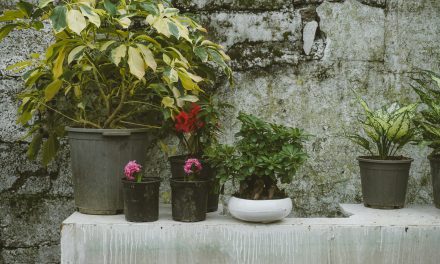
For potted gardenias, consider bringing them indoors during particularly cold spells or placing them in a greenhouse if available. If outdoor conditions are consistently harsh, creating a temporary greenhouse effect using plastic sheeting can provide additional warmth and protection. Always ensure that there is adequate ventilation to prevent mold growth while keeping your gardenia safe from frost damage.
Using Anti-Desiccant Sprays to Prevent Leaf Damage
Anti-desiccant sprays are beneficial tools for protecting gardenia leaves from drying out during winter months. These products create a protective film on leaf surfaces that reduces moisture loss while allowing gas exchange necessary for photosynthesis. Applying an anti-desiccant spray before winter sets in can help maintain leaf turgidity and prevent browning or wilting.
When using these sprays, follow manufacturer instructions carefully for optimal results. It is advisable to apply them on a calm day when temperatures are above freezing to ensure even coverage without wind interference. Reapplication may be necessary after heavy rain or snowmelt, as these conditions can wash away the protective layer.
Monitoring for Pests and Diseases in Winter
Winter does not eliminate the threat of pests and diseases; in fact, certain issues may become more pronounced due to environmental stressors. Regularly inspect your gardenia bush for signs of infestations such as aphids, spider mites, or scale insects. Early detection is crucial for effective management; if you notice any pests, treat them promptly with insecticidal soap or neem oil.
Additionally, keep an eye out for fungal diseases like powdery mildew or root rot that may arise from excessive moisture or poor air circulation. Ensuring proper pruning and mulching practices can help mitigate these risks by promoting airflow around the plant and preventing water accumulation at the base.
Providing Adequate Humidity Indoors and Outdoors
Gardenias thrive in high humidity environments; therefore, maintaining adequate humidity levels during winter is essential for their health. Indoor heating systems often lead to dry air conditions that can stress your gardenia bush. To combat this, consider using a humidifier in the room where your gardenia is located or placing a tray filled with water and pebbles beneath the pot to increase humidity levels naturally.
For outdoor gardenias, misting leaves with water on warmer days can help maintain humidity levels around the plant. Grouping plants together can also create a microclimate with higher humidity due to transpiration from surrounding foliage. Monitoring humidity levels with a hygrometer can provide valuable insights into whether additional measures are needed.
Fertilizing Your Gardenia Bush in Late Winter
As winter comes to an end and spring approaches, fertilizing your gardenia bush becomes crucial for encouraging robust growth and blooming potential. Late winter is an ideal time to apply a balanced fertilizer specifically formulated for acid-loving plants like gardenias. Look for fertilizers containing nitrogen, phosphorus, and potassium in appropriate ratios (e.g., 8-4-8) to support overall plant health.
Before applying fertilizer, ensure that the soil is moist to prevent root burn from concentrated nutrients. Follow package instructions regarding application rates and frequency; typically, fertilizing every 6-8 weeks during the growing season will suffice. This practice will provide essential nutrients that promote lush foliage and abundant blooms once spring arrives.
Preparing for Spring Growth After Winter Care
As winter transitions into spring, preparing your gardenia bush for new growth is vital for maximizing its potential. Begin by removing any protective coverings used during winter and assessing overall plant health after dormancy. Inspect for any signs of damage or disease that may have occurred during colder months and address these issues promptly.
Once you have ensured that your gardenia is healthy, resume regular watering and fertilization practices as outlined previously. Pruning may also be necessary at this stage if you notice any overgrowth or dead branches that need removal. By providing consistent care and attention as spring approaches, you will set your gardenia bush up for a successful growing season filled with vibrant blooms.
In summary, caring for gardenia bushes during winter involves understanding their specific needs related to temperature, humidity, and protection from frost. Choosing an appropriate location, pruning effectively, mulching adequately, watering judiciously, and monitoring for pests are all critical components of successful winter care. Additionally, using anti-desiccant sprays can help prevent leaf damage while providing adequate humidity indoors and outdoors ensures optimal growth conditions. Fertilizing in late winter prepares your gardenia bush for vigorous spring growth as you transition into a new growing season filled with fragrant blooms and lush foliage.
FAQs
What is a gardenia bush?
A gardenia bush is a flowering shrub known for its fragrant white flowers and glossy green leaves. It belongs to the Rubiaceae family and is native to tropical and subtropical regions, making it popular in gardens for its ornamental value and scent.
How does winter affect gardenia bushes?
Winter can be challenging for gardenia bushes, especially in colder climates. These plants are sensitive to frost and freezing temperatures, which can damage their leaves and flowers. In regions with harsh winters, gardenias may require protection or indoor placement to survive the cold months.
What care should be taken for gardenia bushes in winter?
To care for gardenia bushes in winter, it is essential to provide adequate protection from frost. This can include covering the plants with frost cloths, moving potted gardenias indoors, or placing them in a sheltered location. Additionally, reducing watering during the winter months is important, as the plants require less moisture when dormant.
Can gardenia bushes survive winter outdoors?
Gardenia bushes can survive winter outdoors in USDA hardiness zones 8 to 11, where temperatures do not typically drop below freezing. In colder zones, they may not survive without protection, and it is advisable to bring them indoors or provide insulation to prevent frost damage.
When should I prune my gardenia bush for winter?
The best time to prune gardenia bushes is in late winter or early spring, just before new growth begins. Pruning during this time helps to shape the plant and remove any dead or damaged branches, promoting healthier growth as the weather warms up.