As the summer sun begins to wane and the air turns crisp, many gardeners may feel the urge to pack away their tools and call it a season. However, planting a fall garden can be an incredibly rewarding endeavor. The cooler temperatures of autumn provide an ideal environment for a variety of crops that thrive in these conditions. Not only does a fall garden extend the growing season, but it also offers a unique opportunity to cultivate nutrient-dense vegetables that can be harvested well into winter.
Moreover, fall gardening can be less labor-intensive than its summer counterpart. With fewer pests and diseases prevalent during this time, gardeners can enjoy a more relaxed experience. Additionally, many fall crops are known for their resilience and ability to withstand frost, allowing for a bountiful harvest even as temperatures drop. By planting a fall garden, you can enjoy fresh produce long after the summer harvest has ended, contributing to a sustainable lifestyle and enhancing your culinary repertoire.
Kale: The Nutrient-Packed Supergreen
Kale has gained immense popularity in recent years, often hailed as a superfood due to its impressive nutritional profile. This leafy green is rich in vitamins A, C, and K, as well as minerals such as calcium and potassium. Its high antioxidant content helps combat oxidative stress, making it an excellent addition to any diet. Kale thrives in cooler temperatures, making it an ideal candidate for fall gardening.
When planting kale, consider selecting varieties such as Lacinato or Curly kale, which are particularly well-suited for cooler climates. These varieties can be sown directly into the soil or started indoors and transplanted later. Kale is also remarkably versatile in the kitchen; it can be enjoyed raw in salads, sautéed as a side dish, or blended into smoothies. To ensure a continuous harvest, stagger your planting every few weeks throughout the fall season.
Brussels Sprouts: A Winter Favorite

Brussels sprouts are often regarded as one of the quintessential winter vegetables, prized for their unique flavor and nutritional benefits. These small, cabbage-like buds are packed with vitamins C and K, fiber, and folate. They thrive in cool weather and actually taste sweeter after exposure to frost, making them an excellent choice for fall planting.
To cultivate Brussels sprouts successfully, start seeds indoors about six to eight weeks before the last expected frost date or sow them directly into the garden in late summer. Proper spacing is crucial; each plant should be spaced approximately 18 inches apart to allow for optimal growth. Harvesting Brussels sprouts involves picking the lower buds first as they mature, allowing the upper sprouts to continue developing. This method ensures a prolonged harvest throughout the winter months.
Carrots: Sweet and Crunchy Roots

Carrots are a staple root vegetable that can be easily grown in a fall garden. Known for their vibrant orange color and sweet flavor, these crunchy roots are rich in beta-carotene, fiber, and antioxidants. Carrots thrive in loose, well-drained soil, making them perfect for fall planting when temperatures begin to cool.
When planting carrots, choose varieties such as Nantes or Imperator for optimal results. Sow seeds directly into the soil about ¼ inch deep and thin seedlings to ensure adequate spacing for growth. Carrots can be harvested at various stages; younger carrots are tender and sweet, while mature ones develop a more robust flavor. To extend your harvest into winter, consider mulching your carrot bed to protect them from freezing temperatures.
Spinach: Fast-Growing and Tender
Spinach is another excellent choice for fall gardening due to its rapid growth cycle and adaptability to cooler temperatures. This leafy green is packed with iron, calcium, and vitamins A and C, making it a nutritious addition to salads and cooked dishes alike. Spinach can be sown directly into the garden or started indoors for an earlier harvest.
For optimal growth, plant spinach seeds in well-drained soil with plenty of organic matter. Spinach thrives in partial shade but can also tolerate full sun during cooler months. Regular watering is essential to keep the soil consistently moist but not waterlogged. Spinach can be harvested by cutting leaves from the outer edges of the plant, allowing the inner leaves to continue growing for multiple harvests throughout the season.
Broccoli: A Classic Cool-Weather Crop
Broccoli is a beloved vegetable known for its high nutritional value and versatility in cooking. Rich in vitamins C and K, fiber, and various phytonutrients, broccoli is an excellent addition to any fall garden. This cool-weather crop thrives in temperatures between 60°F and 70°F, making it ideal for autumn planting.
To grow broccoli successfully, start seeds indoors about six weeks before transplanting them outdoors or sow them directly into the garden in late summer. Broccoli requires well-drained soil enriched with organic matter and consistent moisture for optimal growth. Harvesting should occur when the flower buds are tight and before they begin to bloom; this ensures maximum flavor and nutritional content.
Beets: Versatile and Colorful
Beets are not only visually striking with their deep red hue but also offer numerous health benefits. They are rich in folate, manganese, and dietary nitrates, which have been shown to improve cardiovascular health. Beets thrive in cooler weather and can be planted in late summer or early fall for a successful harvest.
When planting beets, ensure that the soil is loose and well-drained to accommodate their bulbous roots. Sow seeds about ½ inch deep and thin seedlings to allow adequate space for growth. Beets can be harvested at various stages; young beets are tender and sweet while mature ones develop a more robust flavor profile. Both the roots and greens are edible, providing versatility in culinary applications.
Cabbage: Perfect for Fall and Winter Storage
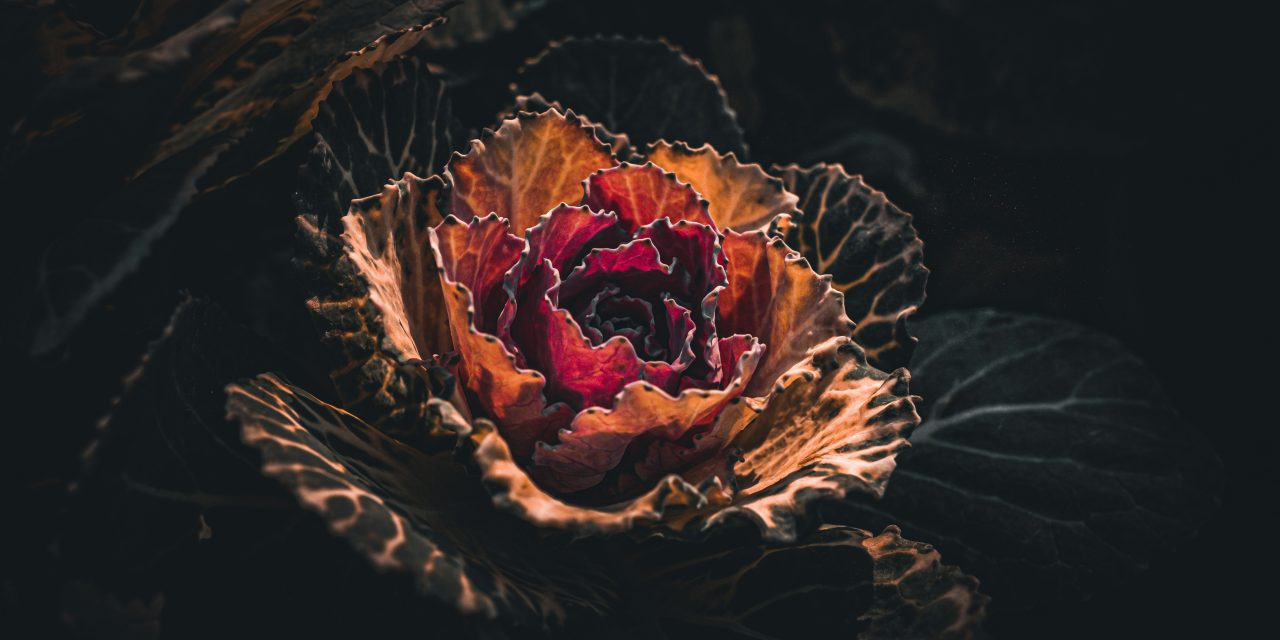
Cabbage is a hardy vegetable that excels in cooler temperatures, making it an ideal candidate for fall gardening. Packed with vitamins C and K, fiber, and antioxidants, cabbage is not only nutritious but also versatile in cooking applications ranging from salads to soups. Its ability to store well makes it a staple for winter meals.
To grow cabbage successfully, start seeds indoors or sow them directly into the garden in late summer. Cabbage requires rich soil with good drainage and consistent moisture levels for optimal growth. When harvesting cabbage heads, ensure they are firm and dense; this indicates they are ready for picking. Proper storage techniques can extend their shelf life significantly, allowing you to enjoy fresh cabbage throughout the winter months.
Radishes: Quick and Easy to Grow
Radishes are one of the fastest-growing vegetables you can cultivate in your fall garden. With a short maturation period of just three to four weeks from seed to harvest, radishes are perfect for gardeners looking for quick results. They are low in calories yet high in vitamin C and other essential nutrients.
Plant radish seeds directly into well-drained soil about ½ inch deep and thin seedlings as they grow to prevent overcrowding. Radishes prefer cooler temperatures but can tolerate light frosts, which enhance their flavor profile by adding sweetness. Harvest radishes when they reach their desired size; leaving them too long may result in a woody texture.
Swiss Chard: Vibrant Leaves for Salads and Cooking
Swiss chard is an incredibly versatile leafy green that adds color and nutrition to any fall garden. Rich in vitamins A, C, and K as well as minerals like magnesium and potassium, Swiss chard is both delicious and beneficial for health. Its vibrant leaves can be used raw in salads or cooked as a side dish.
To grow Swiss chard successfully, sow seeds directly into well-drained soil about ½ inch deep. This leafy green thrives in cooler temperatures but can tolerate light frosts without compromising flavor or texture. Regular harvesting encourages new growth; simply cut leaves from the outer edges of the plant while allowing the inner leaves to flourish.
Garlic: Plant in Fall for a Summer Harvest
Garlic is a unique crop that requires planting in the fall for a summer harvest. This flavorful bulb is renowned for its culinary uses as well as its numerous health benefits, including antimicrobial properties and cardiovascular support. Garlic thrives when planted before winter sets in, allowing it to establish roots before dormancy.
To plant garlic successfully, select high-quality bulbs from reputable sources and break them into individual cloves just before planting. Plant cloves about two inches deep in well-drained soil with ample organic matter. Mulching helps protect garlic from extreme cold while retaining moisture during dry spells. Harvest garlic when the lower leaves begin to yellow; proper curing techniques will enhance its flavor profile.
Tips for Preparing Your Fall Garden Soil for Success
Preparing your soil is crucial for ensuring a successful fall garden. Start by testing your soil’s pH levels; most vegetables thrive best in slightly acidic to neutral pH (6.0-7.0). Amend your soil with organic matter such as compost or well-rotted manure to improve fertility and drainage.
Additionally, consider incorporating cover crops like clover or rye during the off-season to enhance soil structure and prevent erosion. Regularly tilling your soil helps aerate it while breaking up compacted areas that may hinder root growth. Finally, ensure proper irrigation practices are established; consistent moisture levels will promote healthy plant development throughout the growing season.
In summary, planting a fall garden offers numerous benefits including extended harvests of nutrient-rich vegetables such as kale, Brussels sprouts, carrots, spinach, broccoli, beets, cabbage, radishes, Swiss chard, and garlic. By preparing your soil effectively and selecting appropriate crops suited for cooler temperatures, you can enjoy fresh produce well into winter while contributing positively to your health and sustainability efforts.
FAQs
What vegetables can be planted in a fall garden?
In a fall vegetable garden, you can plant cool-season crops such as kale, spinach, broccoli, carrots, radishes, and turnips. These vegetables thrive in cooler temperatures and can often withstand light frosts.
When is the best time to plant a fall vegetable garden?
The best time to plant a fall vegetable garden varies by region, but generally, you should aim to plant your seeds or seedlings about 6 to 8 weeks before the first expected frost date in your area. This allows enough time for the plants to mature before the cold weather sets in.
How should I prepare my soil for a fall vegetable garden?
To prepare your soil for a fall vegetable garden, start by clearing any debris from previous crops. Then, amend the soil with organic matter such as compost or well-rotted manure to improve fertility and drainage. Testing the soil pH can also help you determine if any additional amendments are needed.
Can I grow vegetables in containers during the fall?
Yes, you can grow vegetables in containers during the fall. Many cool-season crops, such as lettuce, spinach, and herbs, do well in pots. Just ensure that the containers have good drainage and are placed in a location that receives adequate sunlight.
How can I protect my fall vegetable garden from frost?
To protect your fall vegetable garden from frost, you can use row covers, cloches, or cold frames to provide insulation. Additionally, mulching around the plants can help retain heat in the soil. If a frost is forecasted, covering plants with blankets or sheets overnight can also offer protection.