Fungus gnats, scientifically known as *Bradysia spp.*, are small, dark-winged insects that are commonly found in indoor environments, particularly around houseplants. These pests are often mistaken for fruit flies due to their similar size and appearance, but they are distinct in their behavior and life cycle. Fungus gnats thrive in moist conditions, making them a frequent nuisance for plant enthusiasts. Their larvae feed on organic matter in the soil, including roots and decaying plant material, which can lead to significant damage to houseplants if left unchecked.
The primary reason fungus gnats infest houseplants is the presence of damp soil, which provides an ideal breeding ground for these pests. Overwatering plants creates a conducive environment for fungus gnats to lay their eggs. The larvae, which are small and translucent, can cause root damage, leading to stunted growth and overall plant decline. Understanding the biology and behavior of fungus gnats is crucial for effective management and prevention strategies.
Identifying Signs of Fungus Gnat Infestation in Your Plants
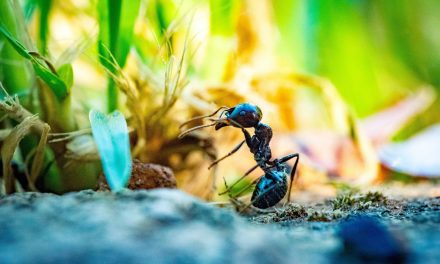
Detecting a fungus gnat infestation early is essential for effective control. One of the most common signs is the presence of adult gnats flying around the soil surface or near the foliage of affected plants. These insects are typically 1/8 inch long and have long legs and antennae. Additionally, if you notice small, dark larvae in the top layer of soil or around the roots when repotting, this is a clear indication of an infestation.
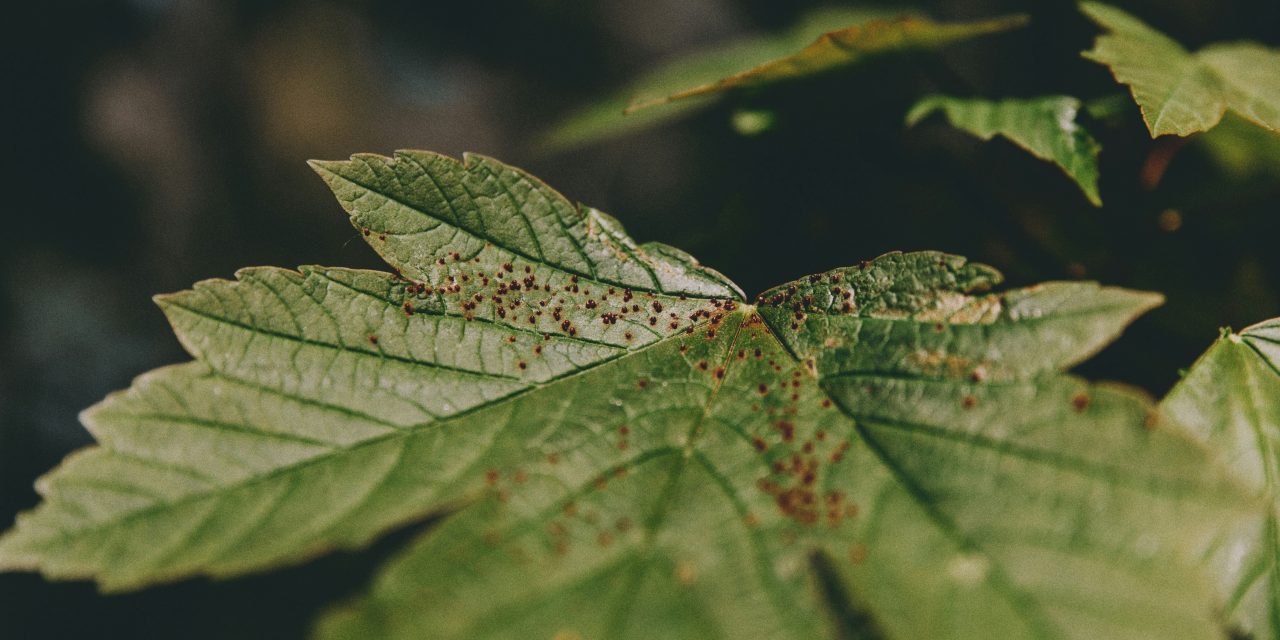
Another telltale sign is the wilting or yellowing of leaves, which may occur due to root damage caused by the larvae feeding on plant roots. If you observe these symptoms alongside adult gnats, it is crucial to take immediate action to prevent further damage. Regularly inspecting your plants and their soil can help you catch infestations early before they escalate into more significant problems.
The Life Cycle of Fungus Gnats: When and Where They Thrive

Fungus gnats undergo a complete metamorphosis consisting of four life stages: egg, larva, pupa, and adult. The adult female lays approximately 100-300 eggs in moist soil or organic matter. The eggs hatch within a few days, giving rise to larvae that feed on organic material and plant roots for about two weeks. After this feeding stage, the larvae pupate in the soil before emerging as adults.
Fungus gnats thrive in warm, humid environments, making indoor settings particularly favorable for their development. They are most active during spring and summer when temperatures rise and humidity levels increase. Understanding their life cycle can help you implement targeted control measures at each stage, thereby reducing their population effectively.
Preventative Measures to Stop Fungus Gnats Before They Start

Preventing fungus gnats from infesting your houseplants begins with proper cultural practices. One of the most effective measures is to avoid overwatering your plants. Allowing the top inch of soil to dry out between watering sessions can significantly reduce moisture levels that attract these pests. Additionally, using well-draining potting mixes can help prevent water accumulation in the soil.
Another preventative strategy involves maintaining good sanitation practices around your plants. Regularly removing decaying plant material and debris from pots can eliminate potential breeding sites for fungus gnats. Furthermore, consider using sticky traps placed near your plants to monitor adult populations and catch them before they reproduce.
Proper Watering Techniques to Discourage Fungus Gnats
Watering techniques play a pivotal role in managing fungus gnat populations. To discourage these pests, it is essential to adopt a watering schedule that promotes healthy plant growth while minimizing excess moisture in the soil. Watering deeply but infrequently allows the soil to dry out adequately between sessions, creating an inhospitable environment for fungus gnats.
Utilizing a moisture meter can help you gauge when your plants truly need water, preventing unnecessary overwatering. Additionally, consider using self-watering pots that regulate moisture levels more effectively than traditional pots. By implementing these techniques, you can significantly reduce the likelihood of fungus gnat infestations.
Using Soil Management to Eliminate Fungus Gnat Larvae
Soil management is crucial for eliminating fungus gnat larvae residing in the potting mix. One effective method is to incorporate beneficial nematodes into the soil. These microscopic roundworms prey on fungus gnat larvae, effectively reducing their population without harming your plants.
Another approach involves using diatomaceous earth (DE), a natural powder made from fossilized algae that can be sprinkled on the soil surface. DE works by dehydrating and killing larvae upon contact. Additionally, consider replacing the top layer of soil with fresh potting mix to remove any existing larvae and disrupt their life cycle.
Natural Remedies: Homemade Solutions to Combat Fungus Gnats
For those seeking natural remedies to combat fungus gnats, several homemade solutions can be effective. One popular method involves creating a mixture of apple cider vinegar and dish soap. The vinegar attracts adult gnats while the soap traps them, reducing their population significantly.
Another option is to use a mixture of water and hydrogen peroxide (3% solution). When applied to the soil, this solution can kill larvae while also providing oxygen to plant roots. Additionally, introducing beneficial microorganisms such as *Bacillus thuringiensis israelensis* (Bti) into the soil can help control larvae populations naturally.
Beneficial Insects That Can Help Control Fungus Gnats
Introducing beneficial insects into your indoor garden can provide an effective biological control method against fungus gnats. Predatory insects such as *Hypoaspis miles*, a predatory mite, feed on fungus gnat larvae in the soil, helping to keep their populations in check.
Another beneficial insect is the rove beetle (*Dalotia coriaria*), which actively hunts down fungus gnat larvae and other pests in the soil. By incorporating these natural predators into your plant care routine, you can create a balanced ecosystem that minimizes pest populations while promoting healthy plant growth.
Chemical Treatments: When and How to Use Insecticides Safely
In cases where infestations become severe and natural remedies fail to provide relief, chemical treatments may be necessary. Insecticides containing active ingredients such as pyrethrins or imidacloprid can be effective against adult fungus gnats and their larvae. However, it is crucial to use these products judiciously and according to label instructions to minimize harm to beneficial insects and the environment.
Before applying any chemical treatment, ensure that you thoroughly read the product label for safety precautions and application guidelines. It is advisable to apply insecticides during the evening when beneficial insects are less active and avoid spraying directly on flowering plants to protect pollinators.
Repotting and Cleaning: Steps to Remove Fungus Gnats from Plants
Repotting your plants can be an effective way to eliminate fungus gnats from your indoor garden. Begin by carefully removing the plant from its pot and gently shaking off excess soil to expose any larvae present. Inspect the roots for damage caused by feeding larvae; if necessary, trim away any affected areas.
Once repotted with fresh potting mix, ensure that you clean the original pot thoroughly before reusing it. This process helps eliminate any remaining eggs or larvae that may have been left behind. Additionally, consider using sterilized soil or potting mix specifically designed for indoor plants to further reduce the risk of reinfestation.
Long-Term Care Tips to Keep Your Houseplants Fungus Gnat-Free
Maintaining a fungus gnat-free environment requires ongoing vigilance and care for your houseplants. Regularly monitor moisture levels in the soil and adjust your watering schedule accordingly to prevent overwatering. Implementing a routine of inspecting plants for signs of pests will allow you to catch infestations early.
Incorporating preventive measures such as using well-draining potting mixes and maintaining cleanliness around your plants will also contribute significantly to long-term pest management. By fostering a healthy growing environment through proper care techniques, you can enjoy thriving houseplants free from fungus gnat infestations.
In summary, understanding fungus gnats involves recognizing their biology and behavior while identifying signs of infestation early on. Implementing preventative measures such as proper watering techniques and soil management can significantly reduce their populations. Utilizing natural remedies and beneficial insects offers additional control options, while chemical treatments should be used cautiously when necessary. Regular repotting and cleaning practices will help maintain a healthy environment for your houseplants long-term. By following these guidelines, you can effectively manage fungus gnats and ensure your indoor garden remains vibrant and pest-free.
FAQs
What are fungus gnats and how do they affect houseplants?
Fungus gnats are small, dark-colored flies that are commonly found in houseplants. The larvae feed on organic matter in the soil and can damage plant roots, leading to poor growth and health issues for the plants. Adult gnats are primarily a nuisance, but their presence indicates overwatering or poor drainage in the soil.
What are some effective methods to eliminate fungus gnats?
Effective methods to eliminate fungus gnats include allowing the soil to dry out between waterings, using yellow sticky traps to catch adult gnats, and applying beneficial nematodes or insecticidal soap to target larvae in the soil. Additionally, replacing the top layer of soil with sand can deter gnats from laying eggs.
How can I prevent fungus gnats from returning?
To prevent fungus gnats from returning, ensure proper watering practices by allowing the soil to dry out before the next watering. Improve drainage by using well-draining potting soil and pots with drainage holes. Regularly inspect plants for signs of infestation and maintain good air circulation around your houseplants.
Are there any natural remedies for fungus gnats?
Yes, natural remedies for fungus gnats include using a mixture of water and dish soap to create a spray that can kill adult gnats on contact. Additionally, introducing beneficial insects like predatory mites or using neem oil can help control the gnat population without harming the plants.
When should I seek professional pest control for fungus gnats?
If the infestation of fungus gnats is severe and home remedies are not effective, it may be time to seek professional pest control. This is especially important if the health of your plants is declining rapidly or if you have a large collection of houseplants that are at risk.